
Bookdocking in an SUV means converting your vehicle into a cozy sleeping space for road trips or camping. This guide walks you through choosing the right gear, setting up your bed, and staying safe and comfortable—no experience needed.
Key Takeaways
- Choose the right SUV: Not all SUVs are ideal for bookdocking. Look for models with fold-flat rear seats and ample cargo space.
- Invest in quality bedding: A memory foam mattress topper or inflatable air mattress ensures comfort and support.
- Maximize space with smart storage: Use under-seat compartments, cargo organizers, and collapsible bins to keep your gear tidy.
- Ensure safety and ventilation: Crack a window, use a battery-powered fan, and avoid running the engine while sleeping.
- Practice setup at home: Test your configuration before your trip to avoid frustration on the road.
- Follow local laws: Some areas restrict overnight parking or sleeping in vehicles—always check regulations.
- Enhance comfort with accessories: Blackout curtains, portable heaters, and noise machines can make your SUV feel like home.
Introduction: What Is Bookdocking and Why Try It in an SUV?
Bookdocking—sometimes called car camping or vehicle sleeping—is the practice of turning your car, van, or SUV into a temporary sleeping space. It’s a budget-friendly, flexible alternative to hotels or traditional camping, especially for road trippers, digital nomads, or weekend adventurers. While vans and RVs are popular choices, SUVs offer a surprising amount of space, comfort, and versatility for bookdocking.
In this guide, you’ll learn exactly how to bookdock in an SUV—from selecting the right vehicle and gear to setting up a safe, cozy sleeping area. Whether you’re planning a cross-country trip or just want a spontaneous overnight under the stars, this step-by-step guide will help you transform your SUV into a comfortable mobile bedroom.
Step 1: Choose the Right SUV for Bookdocking
Not every SUV is created equal when it comes to bookdocking. The ideal vehicle should have enough interior space to lie down comfortably, fold-flat rear seats, and easy access to the cargo area. Here’s what to look for:
Check Seat Configuration
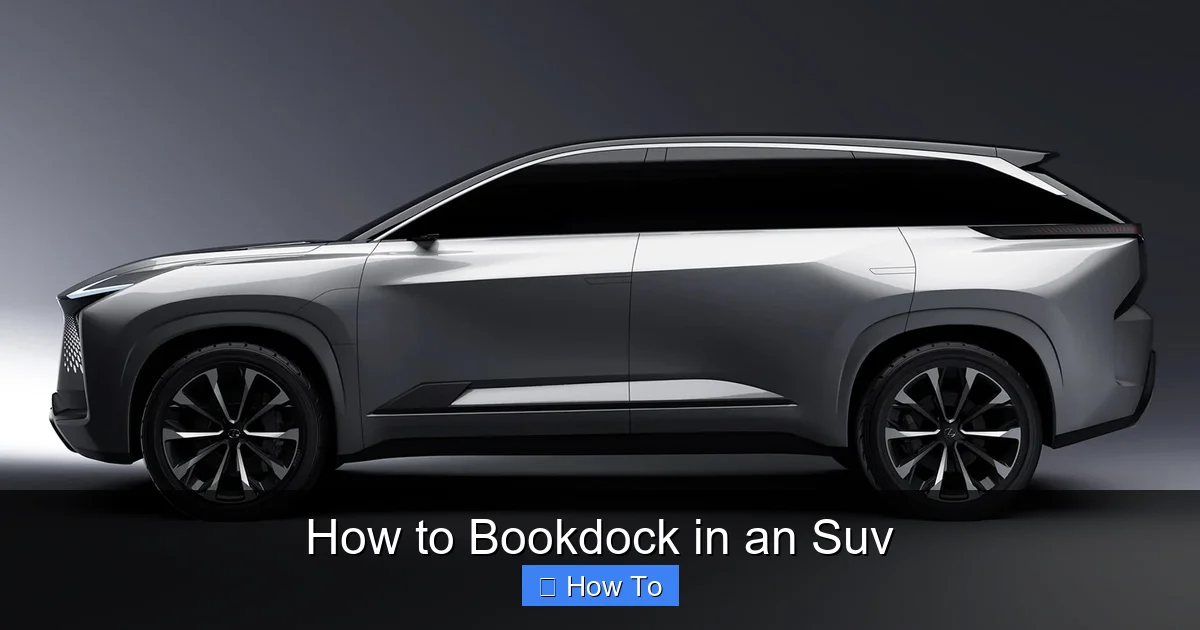
Most SUVs have rear seats that fold down, but not all fold completely flat. Look for models with a 60/40 or 40/20/40 split-folding rear seat that lies level with the cargo floor. Popular SUVs known for great bookdocking potential include the Toyota RAV4, Honda CR-V, Subaru Outback, Ford Explorer, and Jeep Grand Cherokee.

Visual guide about How to Bookdock in an Suv
Image source: imboldn.com
Measure Your Interior Space
Grab a tape measure and check the length from the back of the front seats to the tailgate when the rear seats are folded. You’ll want at least 6 feet of length to stretch out comfortably. Also measure the width—most SUVs offer 45–50 inches between wheel wells, which is enough for one or two people.
Consider Roof Height
Taller SUVs like the Chevrolet Tahoe or Nissan Pathfinder give you more headroom, which can make the space feel less cramped. If you’re over 6 feet tall, this can be a game-changer.
Evaluate Cargo Access
Side-hinged tailgates (like on the Jeep Wrangler) can be tricky for setting up bedding, while liftgates that open upward are usually more convenient. Also, check if the cargo area has tie-down points, 12V outlets, or USB ports—these can be useful for charging devices or securing gear.
Step 2: Gather Your Bookdocking Essentials
Once you’ve confirmed your SUV is bookdocking-ready, it’s time to gather the gear you’ll need. You don’t need a full camper setup—just the basics to stay comfortable and safe.
Sleeping Surface
The most important part of bookdocking is a comfortable sleeping surface. You have a few options:
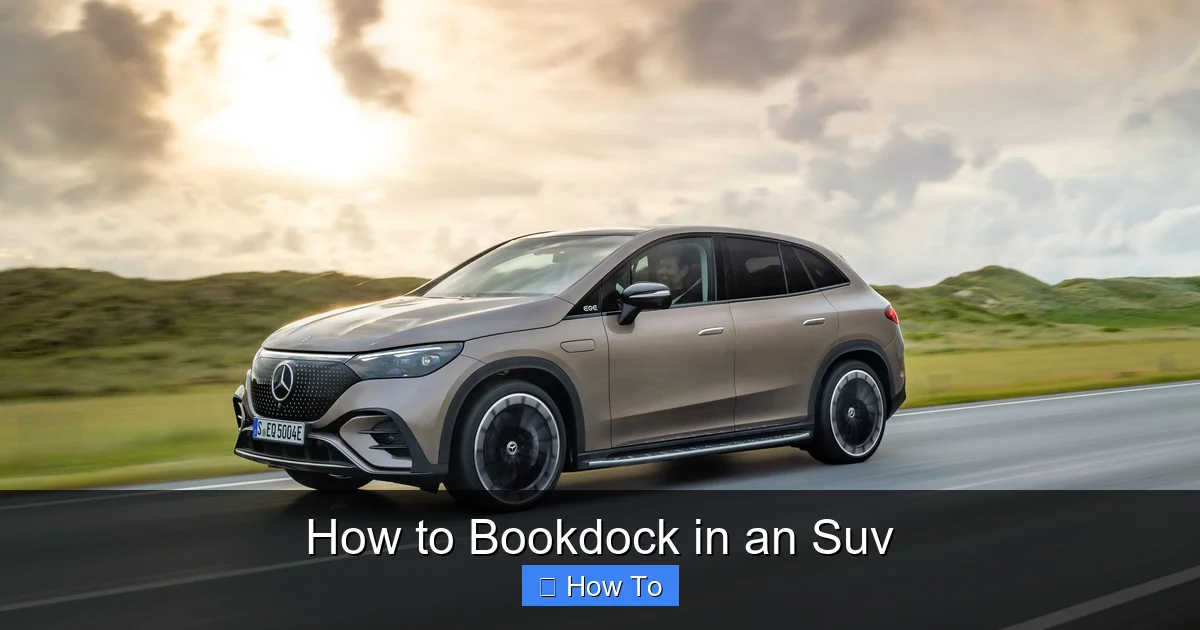
Visual guide about How to Bookdock in an Suv
Image source: jesmb.de
- Memory foam mattress topper: A 2–3 inch thick topper placed directly on the folded seats provides excellent support and is lightweight. Look for one with a removable, washable cover.
- Inflatable air mattress: Designed specifically for cars, these mattresses contour to the shape of your SUV’s interior. Some even have built-in pumps. Brands like AirBedz and Therm-a-Rest make SUV-friendly models.
- Foldable camping cot: If your SUV has enough height, a narrow cot can elevate you off the floor and improve airflow. Just make sure it fits when the seats are down.
Bedding and Pillows
Bring sheets, a warm sleeping bag or comforter, and a pillow. If you’re sensitive to temperature, consider a sleeping bag rated for the expected weather. Microfiber sheets dry quickly and resist wrinkles, making them ideal for travel.
Lighting and Power
Pack a rechargeable LED lantern or clip-on reading light. USB-powered string lights can add ambiance. If your SUV has a 12V outlet, bring a power inverter to charge laptops or phones. A portable power station is even better for off-grid trips.
Storage Solutions
Keep your gear organized with collapsible bins, under-seat storage trays, and hanging organizers. Label everything so you can find items quickly in the dark.
Safety and Privacy
Bring a first-aid kit, flashlight, and emergency blanket. For privacy, consider window shades or reflective sunshades that double as blackout curtains.
Step 3: Prepare Your SUV for Bookdocking
Now it’s time to transform your SUV into a sleep-ready space. Follow these steps to maximize comfort and functionality.
Clear Out the Cargo Area
Remove all unnecessary items from the back of your SUV. This includes luggage, tools, and anything that takes up space. The goal is to create a clean, open area for your bed.
Fold Down the Rear Seats
Lower the rear seats completely. If your SUV has a center armrest, check if it can be removed or folded away to create a seamless sleeping surface. Some models have a small gap between the seats and the cargo floor—use a foam wedge or rolled-up towel to bridge it.
Create a Level Sleeping Surface
Even if your seats fold flat, there might be a slight incline. Place a flat board or rigid panel under your mattress to level it out. A piece of plywood cut to size works well, or you can buy a pre-made car bed platform.
Secure Your Mattress
Use non-slip rug pads or Velcro strips to keep your mattress from sliding around while you sleep. If you’re using an air mattress, inflate it fully and check for leaks before bedtime.
Organize Your Gear
Store clothes, toiletries, and electronics in labeled bins. Keep frequently used items—like a water bottle or phone charger—within arm’s reach. Use the front seats for smaller items or as a makeshift nightstand.
Step 4: Set Up Your Sleeping Area
With your SUV prepped, it’s time to make it feel like home.
Arrange Your Bedding
Start with a fitted sheet if using a mattress topper, or lay a flat sheet over an air mattress. Add your sleeping bag or comforter, then fluff your pillow. Tuck in the sides for a neat, hotel-like look.
Add Lighting
Place a small LED lamp on the floor or clip a reading light to the headrest. Dim the lights an hour before bed to signal your body it’s time to sleep.
Control Temperature and Airflow
Even in mild weather, it’s important to ventilate your SUV. Crack a window slightly or use a battery-powered fan to circulate air. Avoid running the engine while sleeping—it’s unsafe and unnecessary.
Enhance Privacy
Install window shades on all side and rear windows. Reflective shades block light and heat, while blackout curtains improve sleep quality. For extra privacy, consider tinting your windows (check local laws first).
Minimize Noise
Traffic, wildlife, or wind can disrupt sleep. Use earplugs or a white noise machine app on your phone. Placing a rug or blanket on the floor can also dampen sound.
Step 5: Stay Safe While Bookdocking
Safety should always be your top priority when sleeping in your SUV.
Choose Safe Parking Spots
Avoid isolated areas, dark alleys, or private property without permission. Look for well-lit rest areas, campgrounds, or 24-hour parking lots (like Walmart, which often allows overnight parking). Apps like iOverlander or Parkopedia can help you find safe spots.
Lock Your Doors
Always lock your doors when sleeping. Keep your keys nearby in case you need to leave quickly. Consider a door alarm or motion sensor for added security.
Be Discreet
Avoid drawing attention to yourself. Don’t leave valuables in plain sight, and try to arrive and leave during daylight hours. If someone approaches, stay calm and polite—most people are just curious.
Check Local Laws
Some cities ban overnight parking or sleeping in vehicles. Research local ordinances before you settle in. National parks and rest areas usually have clear rules—follow them to avoid fines.
Prepare for Emergencies
Keep a charged phone, flashlight, and emergency contact list handy. Let someone know your location and expected departure time. A roadside assistance membership can be a lifesaver.
Step 6: Optimize Comfort with Accessories
Small upgrades can make a big difference in your bookdocking experience.
Portable Heater or Cooling Pad
In cold weather, a 12V car heater can warm your feet or hands. Never use a propane heater inside your SUV—carbon monoxide is deadly. In hot climates, a cooling gel pad or battery-powered fan can help.
Window Insulation
Reflective insulation panels can reduce heat loss in winter and keep your SUV cooler in summer. They’re lightweight and easy to install.
Entertainment Setup
Bring a tablet or e-reader for downtime. Download movies or audiobooks in advance. A portable Bluetooth speaker lets you enjoy music without disturbing others.
Compact Toilet Solution
For longer trips, consider a portable camping toilet or a “pee bottle” with a funnel. Keep it discreet and clean.
Sleep Mask and Earplugs
These simple tools can improve sleep quality, especially in noisy or bright environments.
Troubleshooting Common Bookdocking Issues
Even with the best planning, you might run into problems. Here’s how to handle them.
Problem: The Mattress Slides Around
Solution: Use non-slip pads, Velcro, or bungee cords to secure the mattress. Place heavy items on the sides to anchor it.
Problem: Not Enough Headroom
Solution: Sleep diagonally across the cargo area or use a lower-profile mattress. Remove headrests if possible (check your vehicle manual first).
Problem: Cold Feet or Drafts
Solution: Wear warm socks and use a foot warmer. Place a blanket under your legs for insulation.
Problem: Condensation Buildup
Solution: Crack a window and use a moisture absorber like silica gel packs. Avoid breathing directly onto cold windows.
Problem: Noise from Traffic or Wildlife
Solution: Use earplugs, play white noise, or relocate to a quieter spot. Ear muffs designed for sleeping can also help.
Problem: Difficulty Finding Safe Parking
Solution: Use apps to locate approved overnight spots. Join online communities like r/vandwellers for tips and recommendations.
Conclusion: Enjoy the Freedom of Bookdocking in Your SUV
Bookdocking in an SUV is more than just a way to save money on lodging—it’s a lifestyle that offers freedom, adventure, and flexibility. With the right preparation, your SUV can become a cozy, safe, and comfortable home on wheels.
Start by choosing a suitable vehicle, gather essential gear, and practice your setup at home. Focus on comfort, safety, and smart storage to make the most of your space. Whether you’re exploring national parks, attending a music festival, or simply escaping the city for a night, bookdocking lets you sleep under the stars without sacrificing convenience.
Remember, the key to successful bookdocking is preparation and adaptability. Don’t be afraid to experiment with different layouts and accessories until you find what works best for you. With time, you’ll develop a system that feels effortless and enjoyable.
So pack your bags, fold down those seats, and hit the road. Your next adventure—and a great night’s sleep—awaits.