
This guide walks you through how to attach a flag to an SUV using safe, reliable methods that won’t damage your vehicle. Whether for patriotic events, sports teams, or special occasions, you’ll learn the best tools, techniques, and tips to display your flag proudly and securely.
Key Takeaways
- Choose the right flag mount: Roof racks, window clips, or hitch mounts offer secure, non-damaging options for SUVs.
- Prioritize safety and legality: Check local laws about flag size, placement, and visibility to avoid fines or hazards.
- Use weather-resistant materials: Select UV-resistant flags and rust-proof hardware to ensure longevity.
- Install during calm weather: Wind can make installation tricky and increase the risk of damage or injury.
- Regularly inspect your setup: Check mounts, straps, and flags before every trip to prevent accidents.
- Avoid drilling into your SUV: Use clamp-on or magnetic mounts to preserve your vehicle’s finish and value.
- Remove flags when not in use: Prolonged exposure to wind and sun can wear out both the flag and your vehicle’s exterior.
How to Attach a Flag to an SUV: A Complete Step-by-Step Guide
Whether you’re gearing up for a Fourth of July parade, showing support for your favorite sports team, or simply want to express your pride on the road, attaching a flag to your SUV is a great way to make a statement. But doing it safely and securely is key—after all, you don’t want your flag flying off at 60 mph or, worse, damaging your vehicle.
In this comprehensive guide, we’ll walk you through everything you need to know about how to attach a flag to an SUV. From choosing the right mounting method to ensuring your setup is legal and safe, we’ve got you covered. By the end, you’ll be ready to display your flag with confidence, no matter where the road takes you.
Why Attach a Flag to Your SUV?
Flags on vehicles aren’t just for show—they serve a variety of purposes. Many people use them to celebrate national holidays, honor military service, support local teams, or promote causes they care about. SUVs, with their larger size and higher profile, are especially effective for flag displays because they’re visible from a distance and can handle stronger winds.
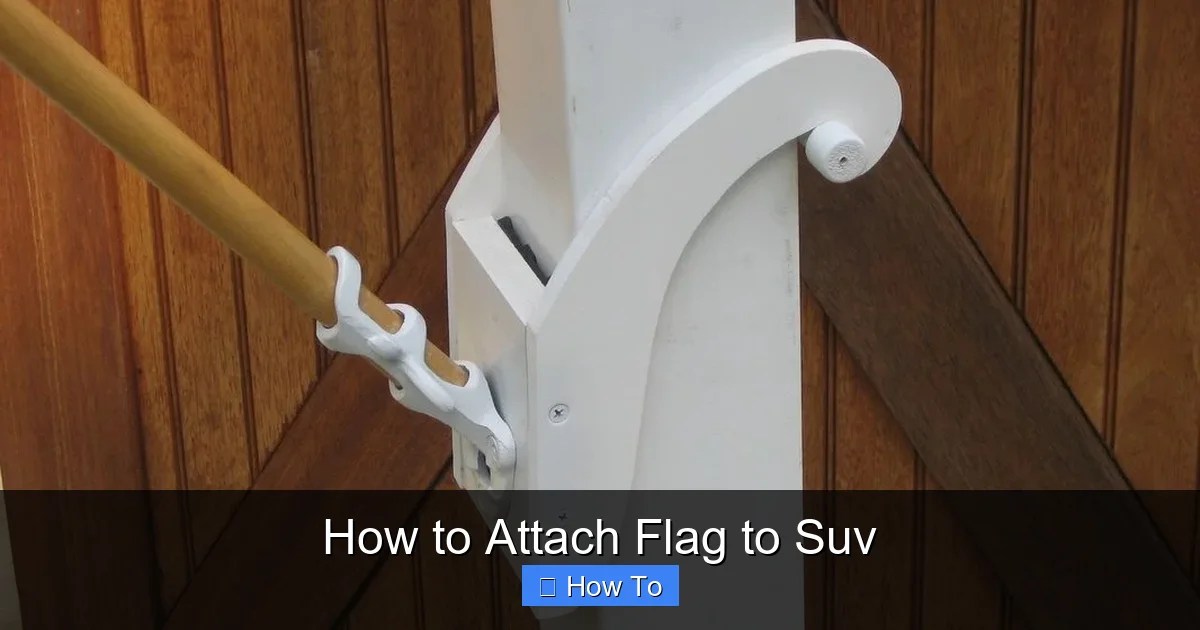
Visual guide about How to Attach Flag to Suv
Image source: i.pinimg.com
However, attaching a flag isn’t as simple as tying it to your antenna. Without the right tools and techniques, you risk:
- Damaging your vehicle’s paint or roof
- Losing the flag due to poor attachment
- Creating a safety hazard for yourself or other drivers
- Violating local traffic laws
That’s why it’s important to follow a proper process. Let’s dive into the best ways to attach a flag to your SUV—safely, securely, and stylishly.
Choosing the Right Flag and Mounting Method
Before you start installing, you’ll need to decide on two key components: the flag itself and how you’ll attach it. Let’s break down your options.
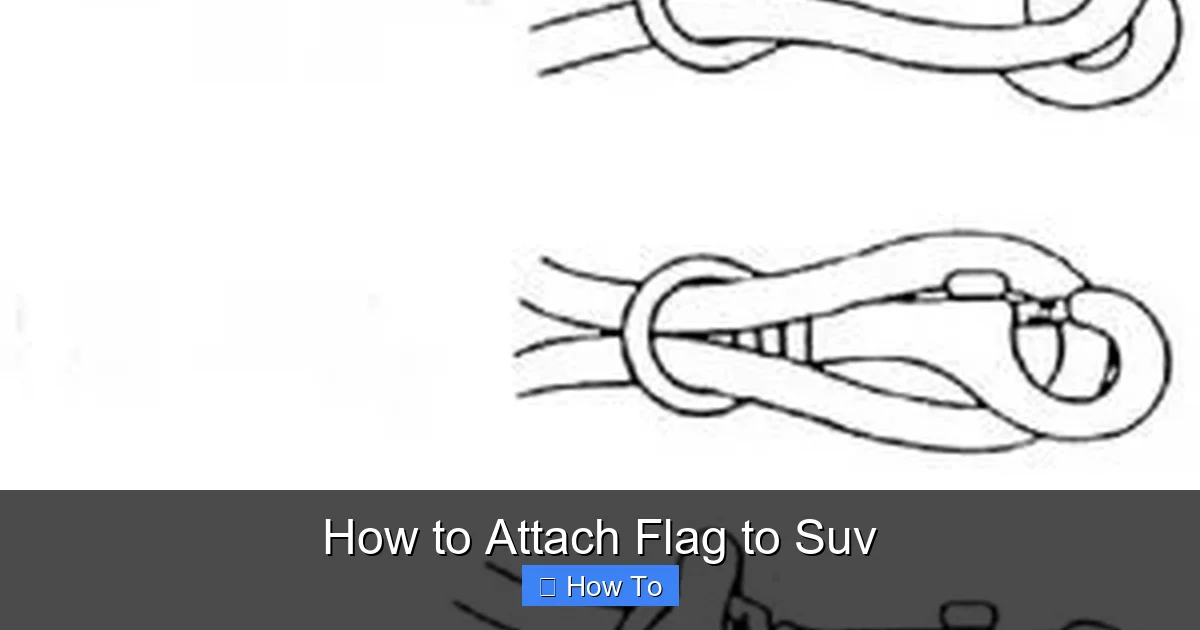
Visual guide about How to Attach Flag to Suv
Image source: yifarope.com
Types of Flags
Not all flags are created equal. For vehicle use, you’ll want a flag that’s durable, lightweight, and designed to withstand wind and weather. Here are the most common types:
- Polyester flags: Lightweight and affordable, these are great for short-term use like parades or events. They resist fading but may tear in strong winds.
- Nylon flags: More durable than polyester, nylon flags are ideal for long-term use. They’re flexible, quick-drying, and resist UV damage.
- Outdoor-rated fabric flags: These are specifically designed for vehicles and outdoor conditions. Look for reinforced stitching and grommets for secure attachment.
Avoid using paper, plastic, or thin cloth flags—they’re not built for wind resistance and can become dangerous projectiles.
Flag Size Matters
The size of your flag should match your SUV and the mounting location. A flag that’s too large can create excessive wind drag, strain your mount, or obstruct your view. Here’s a quick guide:
- Small (12” x 18”): Ideal for window mounts or side mirrors. Great for subtle displays.
- Medium (18” x 24”): Perfect for roof or hitch mounts. Visible but not overwhelming.
- Large (24” x 36” or bigger): Best for roof racks or dedicated flag poles. Use only with strong, secure mounts.
Always check local regulations—some states limit flag size on moving vehicles.
Mounting Options for SUVs
There are several ways to attach a flag to your SUV, each with pros and cons. Choose the method that best fits your vehicle, lifestyle, and intended use.
1. Roof Rack Mounts
If your SUV has a roof rack, this is one of the most secure and visible options. Roof rack mounts clamp directly onto the crossbars and hold a flag pole or bracket.
Pros:
- High visibility
- Stable in wind
- No drilling required
Cons:
- Only works with roof racks
- May require additional hardware
2. Window Clip Mounts
These mounts attach to the window frame or door edge using clips or suction cups. They’re great for temporary use and easy to install.
Pros:
- Quick and tool-free
- No permanent modifications
- Affordable
Cons:
- Less secure in high winds
- Can interfere with window operation
3. Hitch Mounts
If your SUV has a trailer hitch, a hitch-mounted flag pole is a solid choice. These attach to the receiver and hold a vertical or angled flag pole.
Pros:
- Very stable
- Keeps flag away from the vehicle body
- Easy to remove
Cons:
- Requires a hitch receiver
- May block license plate or rear camera
4. Magnetic Mounts
Magnetic flag holders stick to metal surfaces like the roof or trunk. They’re convenient but best for short trips or low-speed driving.
Pros:
- No installation needed
- Works on most SUVs
Cons:
- Can scratch paint if not used carefully
- Not safe for highways or strong winds
5. Antenna Mounts
Some flags come with clips that attach to your radio antenna. This is a simple, low-profile option.
Pros:
- Easy to install
- No extra hardware
Cons:
- Only works with fixed antennas
- Flag may wrap around antenna in wind
Now that you know your options, let’s move on to the installation process.
Step-by-Step: How to Attach a Flag to Your SUV
Follow these steps to safely and securely attach your flag. We’ll use a roof rack mount as our example, but the principles apply to other methods too.
Step 1: Gather Your Tools and Materials
Before you start, make sure you have everything you need:
- Flag (appropriate size and material)
- Flag mount (roof rack, hitch, window clip, etc.)
- Flag pole or bracket (if not included)
- Rubbing alcohol and microfiber cloth (for cleaning surfaces)
- Measuring tape (optional, for alignment)
- Owner’s manual (to check roof load limits)
Pro tip: Install your flag on a calm, dry day. Wind and rain can make the process difficult and increase the risk of damage.
Step 2: Clean the Mounting Area
Dirt, grease, or moisture can weaken the grip of clamps or suction cups. Use rubbing alcohol and a microfiber cloth to clean the area where the mount will attach—whether it’s the roof rack, window frame, or hitch receiver.
Let the surface dry completely before proceeding.
Step 3: Position the Mount
Place the mount in your desired location. For roof racks, center the mount between the crossbars for balanced weight distribution. For hitch mounts, ensure the pole doesn’t block your license plate or rearview camera.
Use a measuring tape if needed to ensure symmetry. A crooked flag looks unprofessional and may catch more wind on one side.
Step 4: Secure the Mount
Follow the manufacturer’s instructions to attach the mount. For roof rack mounts, tighten the clamps evenly to avoid warping the crossbars. For hitch mounts, insert the pole into the receiver and secure it with a pin or bolt.
Double-check that the mount is tight and doesn’t wobble. A loose mount can vibrate, scratch your vehicle, or fail in strong winds.
Step 5: Attach the Flag
Slide the flag onto the pole or clip it into the bracket. Make sure the grommets or attachment points are fully secured. If your flag has a sleeve, slide it all the way down the pole.
Ensure the flag hangs freely and isn’t twisted. A twisted flag creates uneven wind resistance and may tear.
Step 6: Test the Setup
Before hitting the road, test your setup:
- Gently tug on the flag to check for looseness
- Open and close windows (if using a window mount)
- Drive slowly in a safe area to observe flag behavior
Watch for excessive flapping, vibration, or noise. These signs indicate a problem that needs fixing.
Safety and Legal Considerations
Attaching a flag to your SUV isn’t just about aesthetics—it’s also about safety and compliance. Here’s what you need to know.
Check Local Laws
Traffic laws vary by state and country. Some common regulations include:
- Flags must not obstruct the driver’s view
- Flags must not extend beyond certain dimensions
- Flags must not create a distraction or hazard
- Some areas prohibit flags on highways or interstates
For example, in California, flags must not extend more than 3 feet from the vehicle and must not block lights or signals. In Texas, there are no specific flag laws, but general distracted driving rules apply.
When in doubt, check your state’s Department of Motor Vehicles (DMV) website or consult local law enforcement.
Avoid Obstructions
Never attach a flag in a way that blocks your view, side mirrors, headlights, taillights, or license plate. This isn’t just unsafe—it’s illegal in most places.
Also, avoid placing flags near airbags or sensors. A deploying airbag could be damaged by a rigid flag pole.
Mind the Wind
High winds can turn a flag into a sail, creating drag and stress on your mount. If you’re driving in windy conditions, consider:
- Using a smaller flag
- Reinforcing the mount
- Removing the flag until conditions improve
Never drive with a flag in hurricane-force winds or severe storms.
Maintenance and Care Tips
To keep your flag and SUV in top condition, follow these maintenance tips.
Inspect Before Every Trip
Before long drives or events, check:
- Is the mount secure?
- Are the straps or clips intact?
- Is the flag torn or frayed?
- Is the pole straight and undamaged?
A quick 30-second inspection can prevent accidents.
Clean Your Flag Regularly
Dirt, pollen, and road grime can weaken fabric over time. Hand-wash your flag with mild soap and cold water, then air dry. Avoid bleach or harsh detergents.
For nylon flags, a gentle machine wash on a delicate cycle is usually safe—just use a mesh laundry bag.
Store Properly
When not in use, fold your flag neatly and store it in a dry, cool place. Avoid plastic bags, which can trap moisture and cause mildew.
Consider using a flag storage tube or case to protect it from dust and pests.
Replace When Needed
Even the best flags wear out. Look for signs like:
- Fading colors
- Frayed edges
- Loose stitching
- Tears or holes
A damaged flag isn’t just unsightly—it can tear off and become a hazard. Replace it as soon as you notice wear.
Troubleshooting Common Problems
Even with careful installation, issues can arise. Here’s how to fix the most common problems.
Flag Keeps Falling Off
Possible causes:
- Mount isn’t tight enough
- Wind is too strong for the setup
- Flag is too large for the mount
Solutions:
- Retighten all clamps and bolts
- Use a smaller flag or stronger mount
- Switch to a hitch or roof rack mount for better stability
Flag Wraps Around the Pole
This happens when the flag doesn’t have a rotating collar or swivel. The wind spins the flag, causing it to twist.
Solutions:
- Use a flag with a built-in swivel
- Install a rotating flag pole adapter
- Choose a flag with a sleeve instead of grommets
Mount Scratches the Paint
This is common with magnetic or clamp-on mounts that aren’t padded.
Solutions:
- Use mounts with rubber or foam padding
- Apply a protective film to the contact area
- Switch to a non-contact method like a hitch mount
Flag Flaps Excessively
Too much flapping can damage the flag and create noise.
Solutions:
- Use a heavier-duty flag material
- Add a flag weight or tail to stabilize it
- Reduce speed in windy conditions
Alternative Ideas for Flag Display
If you’re not ready to attach a flag permanently, here are some creative alternatives:
- Magnetic decals: Show your pride with a flag-shaped magnet on the rear or side of your SUV.
- Window clings: These stick to the inside of windows and are easy to remove.
- LED flag lights: Install underglow lights in flag colors for nighttime visibility.
- License plate frames: Choose a frame with a small flag emblem.
These options are great for temporary use or if you’re concerned about damage.
Conclusion
Attaching a flag to your SUV is a simple way to show pride, support a cause, or celebrate an occasion. But doing it right matters. By choosing the right flag, using a secure mount, and following safety guidelines, you can display your flag confidently—without risking damage to your vehicle or safety on the road.
Remember: how to attach a flag to an SUV isn’t just about sticking something on your car. It’s about doing it smart, safe, and legally. Whether you’re cruising to a parade or just driving around town, your flag should be a symbol of pride, not a hazard.
So gather your tools, pick your favorite flag, and hit the road with confidence. Your SUV—and your flag—deserve nothing less.