
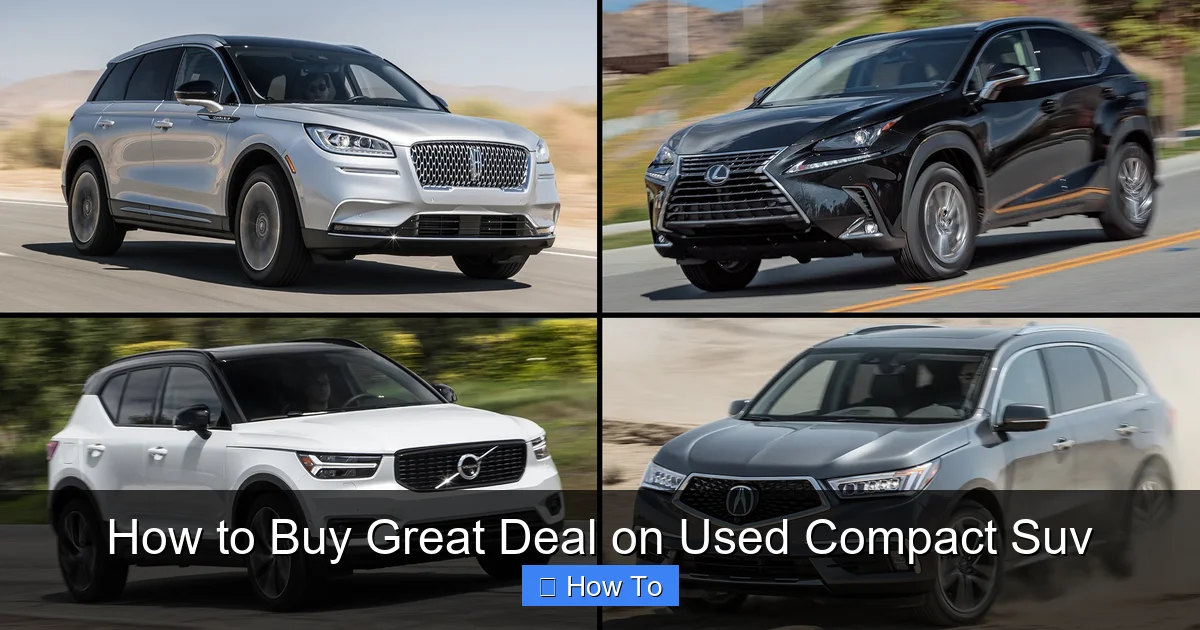
Buying a used compact SUV can save you thousands—if you know what to look for. This guide walks you through every step, from setting a budget to finalizing the deal, so you can drive away with confidence and value.
Key Takeaways
- Set a realistic budget: Include taxes, insurance, and potential repairs to avoid overspending.
- Research top models: Focus on reliable brands like Honda CR-V, Toyota RAV4, and Subaru Forester for long-term value.
- Check vehicle history: Use services like Carfax or AutoCheck to uncover accidents, title issues, or odometer fraud.
- Inspect thoroughly: Look for rust, uneven tire wear, and test all electronics during a test drive.
- Negotiate smartly: Use market data and repair needs as leverage to lower the price.
- Get a pre-purchase inspection: A mechanic’s evaluation can reveal hidden problems and save you from costly repairs.
- Buy from trusted sources: Dealerships with certified pre-owned programs often offer better warranties and peace of mind.
How to Buy a Great Deal on a Used Compact SUV
Buying a used compact SUV is one of the smartest moves you can make as a car shopper. These vehicles offer the perfect blend of fuel efficiency, cargo space, and driving comfort—without the steep price tag of a brand-new model. But finding a great deal isn’t just about low mileage or a shiny exterior. It’s about knowing where to look, what to ask, and how to avoid common pitfalls.
In this guide, we’ll walk you through every step of the process, from setting your budget to driving off the lot. Whether you’re a first-time buyer or upgrading from an older vehicle, these practical tips will help you land a reliable compact SUV at a price that fits your wallet.
By the end, you’ll know how to spot a good deal, negotiate like a pro, and feel confident in your purchase. Let’s get started.
Step 1: Determine Your Budget
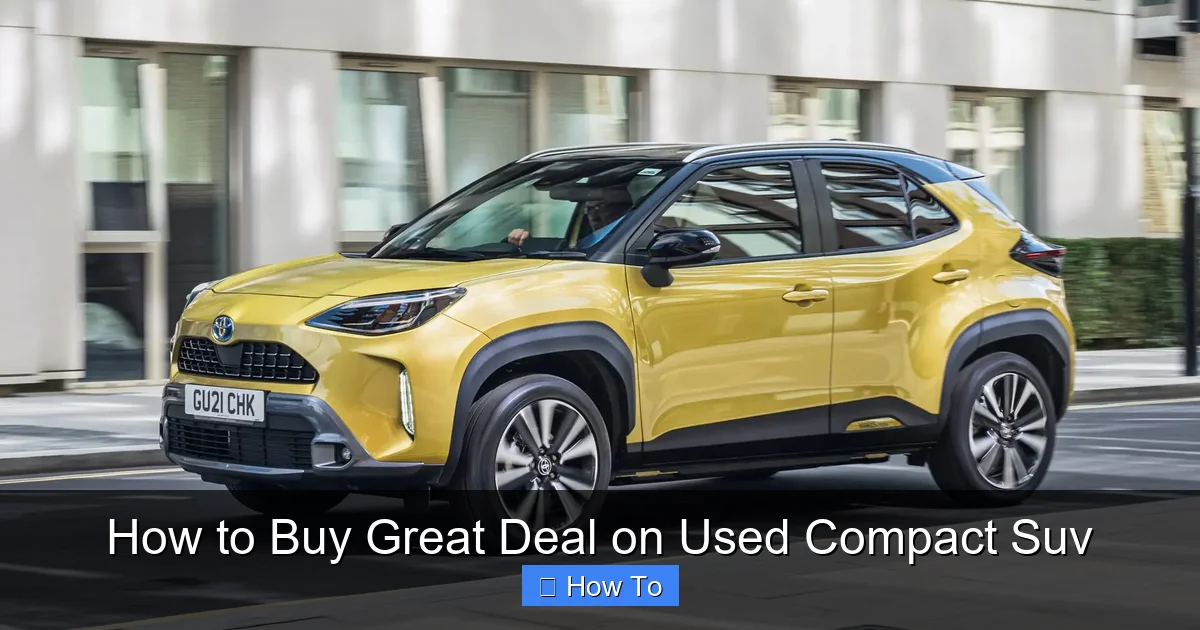
Visual guide about How to Buy Great Deal on Used Compact Suv
Image source: car-images.bauersecure.com
Before you even start browsing listings, you need to know how much you can afford. A great deal isn’t just about the sticker price—it’s about the total cost of ownership.
Calculate Your Total Budget
Start by figuring out how much you can comfortably spend each month. Most financial experts recommend keeping your car payment under 10–15% of your take-home pay. But don’t forget the other costs:
- Down payment: Aim for at least 10–20% to reduce monthly payments and interest.
- Sales tax: This varies by state but can add 5–10% to the purchase price.
- Registration and title fees: These are usually a few hundred dollars.
- Insurance: Compact SUVs are generally affordable to insure, but rates vary by model, age, and your driving record.
- Maintenance and repairs: Older vehicles may need new tires, brakes, or fluids soon after purchase.
For example, if you’re looking at a $15,000 used SUV, your total out-the-door cost could easily reach $17,000–$18,000 with taxes and fees. Add in insurance and potential repairs, and your first-year cost might be closer to $20,000.
Get Pre-Approved for a Loan
If you’re financing, getting pre-approved by a bank or credit union gives you bargaining power. You’ll know exactly how much you can spend, and sellers will take your offer more seriously.
Shop around for the best interest rate. Even a 1% difference can save you hundreds over the life of the loan. And remember: shorter loan terms mean higher monthly payments but less interest overall.
Step 2: Research the Best Used Compact SUVs
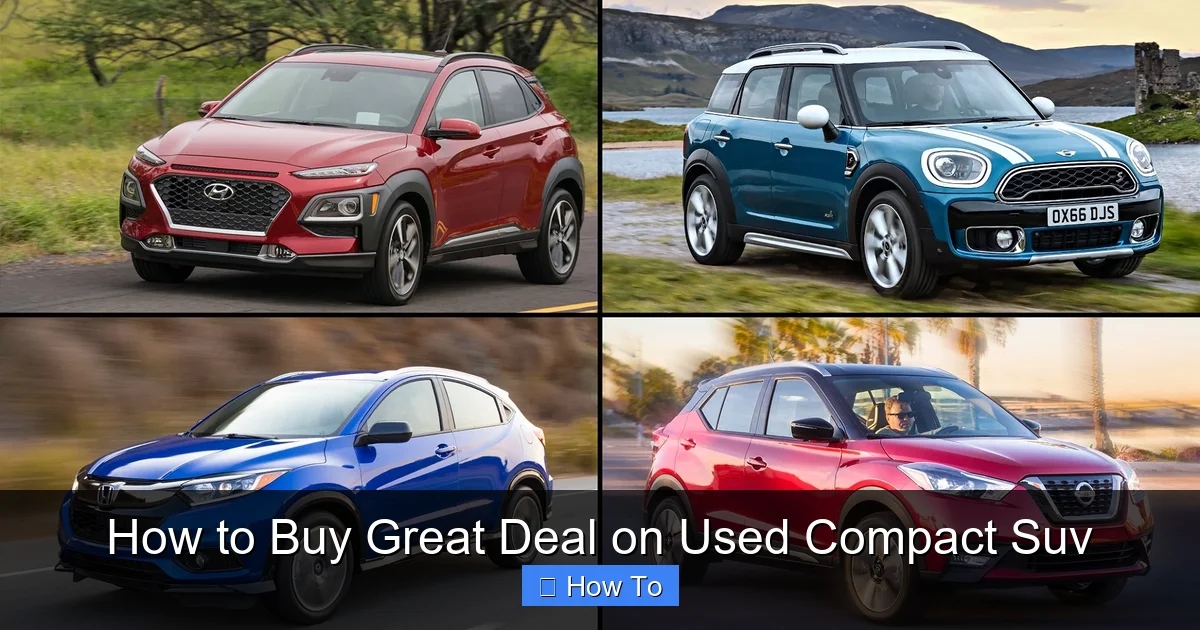
Visual guide about How to Buy Great Deal on Used Compact Suv
Image source: whatissuv.com
Not all compact SUVs are created equal. Some hold their value better, cost less to maintain, and have fewer mechanical issues. Doing your homework now can save you headaches later.
Focus on Reliable Models
Start by narrowing your search to vehicles known for reliability and low ownership costs. Some of the top picks include:
- Honda CR-V: Excellent fuel economy, spacious interior, and strong resale value.
- Toyota RAV4: Known for durability, safety features, and low repair frequency.
- Subaru Forester: Great all-wheel drive, high safety ratings, and ideal for snowy climates.
- Mazda CX-5: Stylish design, fun to drive, and reliable engines.
- Ford Escape: Good tech features and comfortable ride, though some older models have transmission concerns.
Use resources like Kelley Blue Book (KBB), Edmunds, and Consumer Reports to compare models. Look at average prices, common problems, and owner satisfaction ratings.
Consider Model Year and Mileage
Aim for a vehicle that’s 3–7 years old with 40,000–80,000 miles. These cars have already taken the biggest depreciation hit but still have plenty of life left.
Avoid very low-mileage vehicles unless they’ve been driven regularly. Sitting too long can cause seals to dry out and fluids to degrade.
Also, check for model updates. For example, the 2017 Honda CR-V got a major redesign with a better engine and interior. Buying a 2017 or newer could mean better performance and features.
Step 3: Use Online Tools to Find Deals
The internet is your best friend when hunting for a used compact SUV. With the right tools, you can compare prices, spot trends, and find hidden gems.
Search on Reputable Websites
Stick to trusted platforms like:
- Autotrader.com
- Cars.com
- CarGurus.com
- TrueCar.com
- Facebook Marketplace (with caution)
These sites let you filter by price, mileage, location, and features. You can also set up alerts so you’re notified when a new listing matches your criteria.
Compare Prices in Your Area
Use KBB or Edmunds to check the “fair market range” for the SUV you want. This tells you what similar vehicles are selling for in your region.
If a listing is priced significantly below market, it could be a red flag—or a rare deal. Ask why the price is low. Is it high mileage? Needs repairs? Or just a motivated seller?
Look for Certified Pre-Owned (CPO) Options
Many dealerships offer CPO programs, which include extended warranties, multi-point inspections, and roadside assistance. While CPO vehicles cost more than private sales, they offer peace of mind and often come with lower interest rates.
For example, a CPO Toyota RAV4 might cost $2,000 more than a similar private sale, but it could include a 2-year/25,000-mile warranty and free maintenance for the first year.
Step 4: Check the Vehicle History Report
A clean title doesn’t always mean a clean history. Always run a vehicle history report before making an offer.
Use Carfax or AutoCheck
These services pull data from DMVs, insurance companies, and repair shops to create a detailed report. Look for:
- Accident history: Even minor fender benders can affect resale value.
- Title issues: Salvage, flood, or lemon titles mean the car was severely damaged or defective.
- Odometer rollback: Fraudulent mileage reporting is more common than you think.
- Service records: Regular maintenance is a good sign the previous owner cared for the vehicle.
- Number of owners: Fewer owners usually mean less wear and tear.
A report might cost $20–$40, but it’s worth every penny. If the seller refuses to provide one, walk away.
Verify the VIN
Every vehicle has a unique 17-digit Vehicle Identification Number (VIN). Use it to check the car’s history and ensure it matches the listing.
You can also use the VIN to verify the car’s specs—like engine size, trim level, and factory options—so you know exactly what you’re buying.
Step 5: Inspect the SUV in Person
No amount of online research can replace a hands-on inspection. Always see the vehicle in person before committing.
Schedule a Test Drive
Ask to drive the SUV on different road types—highways, hills, and bumpy streets. Pay attention to:
- Engine performance: Does it start smoothly? Any knocking or hesitation?
- Transmission: Are shifts smooth? Does it jerk or slip?
- Brakes: Do they feel firm? Any squealing or grinding?
- Steering: Is it responsive? Does the car pull to one side?
- Noises: Listen for rattles, clunks, or whines.
Turn on the AC, heat, radio, and all lights. Test the windshield wipers, power windows, and infotainment system. Even small electrical issues can signal bigger problems.
Do a Visual Inspection
Walk around the SUV and look for:
- Rust or corrosion: Check under the doors, wheel wells, and undercarriage.
- Dents and scratches: Cosmetic damage is normal, but deep scratches may need repainting.
- Tire condition: Uneven wear could mean alignment or suspension issues.
- Panel gaps: Misaligned doors or fenders may indicate prior accidents.
- Fluid leaks: Look under the car for oil, coolant, or transmission fluid.
Pop the hood and check fluid levels and condition. Oil should be clean and at the right level. Coolant should be bright and not sludgy.
Step 6: Get a Pre-Purchase Inspection
Even if the SUV looks great, a professional inspection is essential. A mechanic can spot problems you might miss.
Hire an Independent Mechanic
Don’t rely on the seller’s mechanic. Find a trusted, independent shop—preferably one that specializes in your SUV’s brand.
The inspection should include:
- Engine and transmission health
- Brake and suspension systems
- Exhaust and emissions
- Frame and undercarriage
- Air conditioning and electrical systems
Most inspections cost $100–$200, but they can save you thousands. If the mechanic finds issues, you can use them to negotiate a lower price or walk away.
Ask for a Written Report
A detailed report gives you leverage in negotiations. If the seller refuses to fix major problems, you’ll have proof to back up your concerns.
Step 7: Negotiate the Price
Now that you’ve done your research and inspection, it’s time to make an offer. Negotiating doesn’t have to be stressful—just be prepared and confident.
Use Market Data
Start by referencing KBB or Edmunds values. Say something like, “I see similar models selling for $14,500. Given the high mileage and needed repairs, I’d like to offer $13,000.”
Be polite but firm. Most sellers expect some haggling.
Point Out Flaws
Use the inspection report to justify a lower offer. For example: “The brakes need replacing, which will cost $400. I’d like to adjust the price accordingly.”
Even small issues—like a cracked windshield or worn wiper blades—can be negotiation points.
Be Ready to Walk Away
If the seller won’t budge, don’t be afraid to leave. There are plenty of used compact SUVs on the market. Walking away often prompts the seller to reconsider.
Step 8: Finalize the Purchase
Once you’ve agreed on a price, it’s time to close the deal. Make sure everything is done correctly to avoid future problems.
Review the Paperwork
Check the title, bill of sale, and warranty (if applicable). Make sure the VIN matches on all documents.
If buying from a private seller, ensure the title is signed correctly and notarized if required in your state.
Transfer Ownership
Visit your local DMV to register the vehicle and get new plates. You’ll need:
- Signed title
- Bill of sale
- Proof of insurance
- Inspection certificate (if required)
- Payment for taxes and fees
Set Up Insurance
Call your insurance agent before driving off. Most states require proof of insurance to register a vehicle.
Consider adding comprehensive and collision coverage, especially if the SUV is still valuable.
Troubleshooting Common Issues
Even with careful planning, problems can arise. Here’s how to handle them:
The Seller Won’t Share the VIN
This is a major red flag. The VIN is essential for verifying the car’s history. Walk away immediately.
The Inspection Reveals Major Problems
If the mechanic finds serious issues—like engine damage or frame rust—don’t buy the car. No deal is worth the risk.
The Price Jumps at the Last Minute
Some dealers add hidden fees at checkout. Always ask for a breakdown of costs before signing.
The SUV Fails Inspection After Purchase
If you bought from a dealer, check if it’s covered under warranty. Private sales are usually “as-is,” so inspect thoroughly before buying.
Conclusion
Buying a great deal on a used compact SUV is totally possible—if you take the time to do it right. Start with a solid budget, research reliable models, and use online tools to find the best prices. Always check the vehicle history, inspect in person, and get a professional evaluation before buying.
Negotiate with confidence, finalize the paperwork carefully, and drive away knowing you made a smart, informed decision. With these steps, you’ll not only save money but also enjoy a vehicle that meets your needs for years to come.
Remember, the best deal isn’t always the cheapest one. It’s the one that gives you the most value, reliability, and peace of mind. Happy car shopping!