
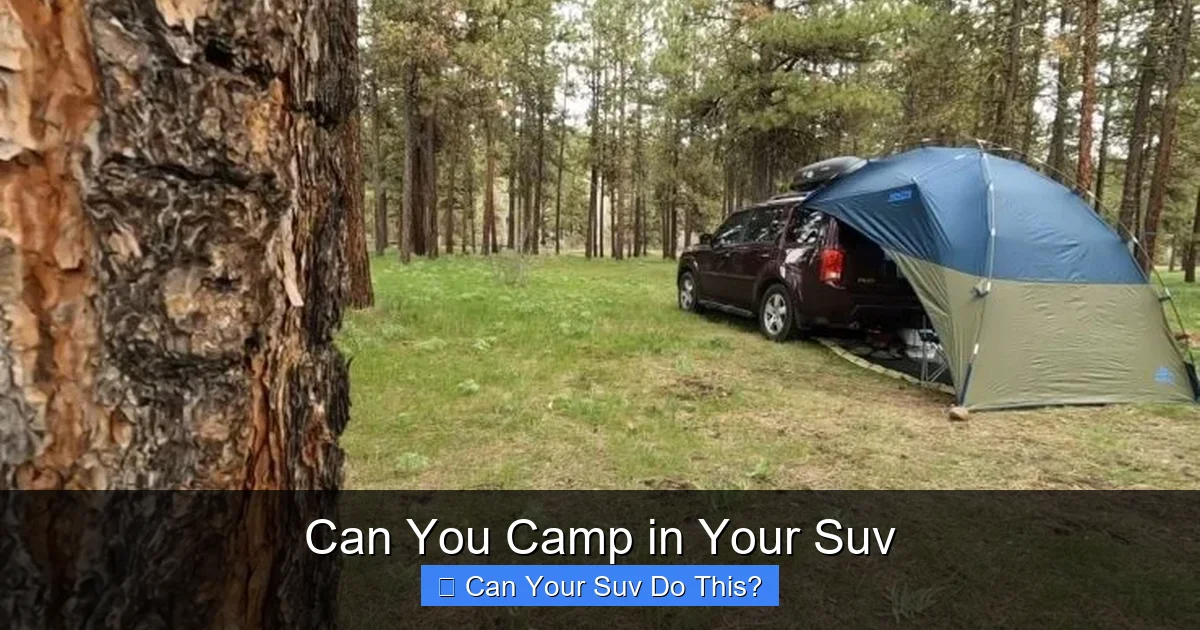
Yes, you can camp in your SUV—and it’s easier than you think. With the right setup, your vehicle becomes a cozy, weatherproof shelter perfect for weekend getaways or road trips. From folding seats to rooftop tents, modern SUVs offer surprising camping potential.
So, you’ve got an SUV—maybe a Toyota RAV4, a Honda CR-V, or even a rugged Ford Explorer—and you’re dreaming of sleeping under the stars. But can you really camp in your SUV? The short answer? Absolutely. The long answer? It’s not just possible—it’s practical, comfortable, and increasingly popular among outdoor enthusiasts, digital nomads, and weekend warriors alike.
SUV camping, also known as “car camping” or “overlanding lite,” is all about using your vehicle as both transportation and shelter. Unlike traditional tent camping, where you pitch a tent at a campsite, SUV camping lets you sleep inside your vehicle—protected from rain, wind, and critters. It’s perfect for spontaneous road trips, national park visits, or even urban stealth camping (where legal). And the best part? You don’t need a massive truck or a custom-built van. Most modern SUVs, even compact ones, can be transformed into a cozy sleeping space with a little creativity and the right gear.
But before you toss your sleeping bag in the back and hit the road, there are a few things to consider. Can your SUV actually accommodate a person lying down? Is it safe? Legal? Comfortable? And what about power, storage, and privacy? In this guide, we’ll walk you through everything you need to know about camping in your SUV—from setup tips and gear recommendations to safety advice and real-world examples. Whether you’re a seasoned camper or a complete newbie, you’ll walk away with the confidence to turn your SUV into your next adventure basecamp.
Key Takeaways
- Most SUVs can be converted into sleeping spaces: With flat-folding rear seats or a platform build, you can create a comfortable bed inside your vehicle.
- SUV camping is legal in many areas: Always check local laws, but dispersed camping on public lands and designated campsites often allow vehicle sleeping.
- Rooftop tents enhance comfort and convenience: These pop-up shelters mount directly to your SUV’s roof rack and offer elevated, bug-free sleeping.
- Insulation and ventilation are crucial: Use window shades, reflective covers, and fans to manage temperature and condensation.
- Power and storage solutions make extended trips possible: Portable batteries, coolers, and organizers help you stay powered and tidy.
- Safety and privacy matter: Choose well-lit, secure locations and use window covers to maintain privacy and deter theft.
- SUV camping is budget-friendly: It eliminates the need for RVs or hotels, making adventure travel more accessible.
📑 Table of Contents
- Why Camp in Your SUV?
- Can Your SUV Actually Sleep You?
- Setting Up Your SUV for Comfortable Sleep
- Essential Gear for SUV Camping
- Where Can You Legally Camp in Your SUV?
- Safety Tips for SUV Camping
- Real-Life SUV Camping Examples
- Pros and Cons of SUV Camping
- Final Thoughts: Is SUV Camping Right for You?
Why Camp in Your SUV?
Camping in your SUV isn’t just a trend—it’s a smart, flexible way to explore the outdoors without the hassle of hauling a trailer or booking pricey lodges. One of the biggest advantages is convenience. Your SUV is already packed with storage, climate control, and safety features. Why not use them? You can drive right up to scenic viewpoints, remote trailheads, or quiet forest clearings, then simply recline and fall asleep without setting up a tent.
Another major perk? Weather protection. Rain, snow, or scorching sun won’t ruin your trip if you’re tucked inside your vehicle. No more waking up to a soggy tent or sweltering heat at dawn. Plus, SUVs offer built-in security. Locked doors, alarm systems, and the ability to sleep in well-lit, populated areas (like campgrounds or rest stops) make it safer than tent camping in isolated spots.
And let’s talk cost. Camping in your SUV is one of the most budget-friendly ways to travel. You skip RV rental fees, campground hookups, and hotel bills. All you need is gas, food, and a few key accessories. For families or solo travelers on a budget, that’s a game-changer.
Who Is SUV Camping For?
SUV camping appeals to a wide range of people. Weekend campers who want a quick escape from the city love the simplicity. Overlanders and road trippers appreciate the mobility and self-sufficiency. Minimalists enjoy the challenge of living light. Even digital nomads use SUV camping to work remotely from national parks or coastal towns.
It’s also great for people with mobility issues or health concerns. Climbing into a high tent or sleeping on the ground can be tough, but sliding into a cushioned SUV seat? Much easier. And for pet owners, many SUVs offer enough space to bring your dog along comfortably.
Can Your SUV Actually Sleep You?
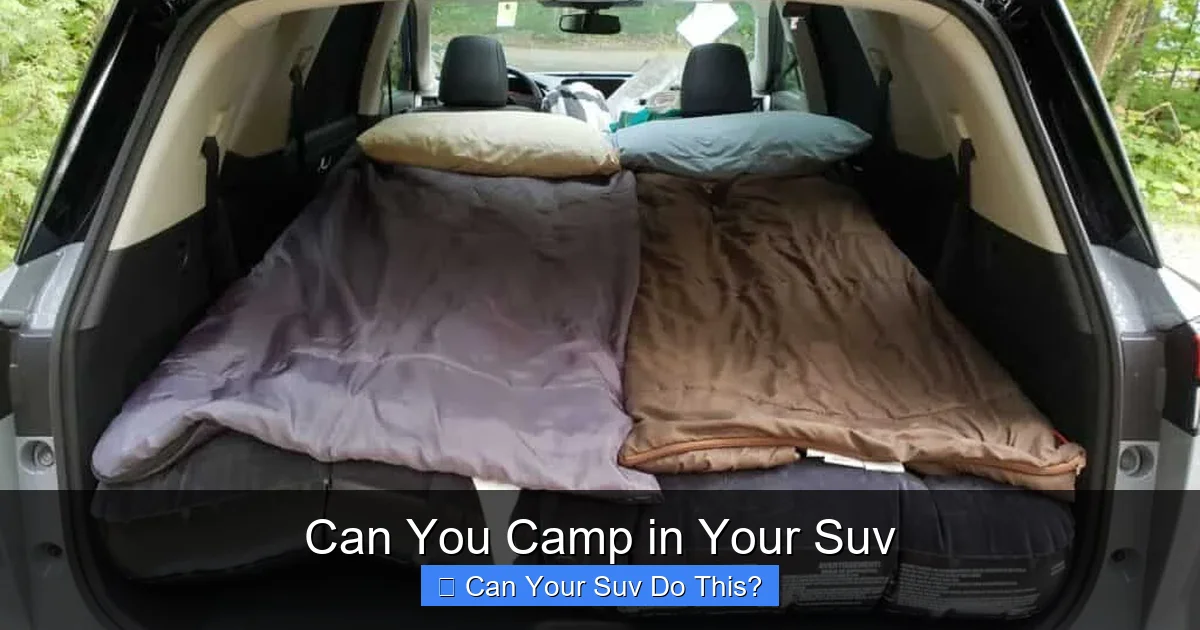
Visual guide about Can You Camp in Your Suv
Image source: roadtripper.ca
Not all SUVs are created equal when it comes to sleeping space. The first step is assessing your vehicle’s layout. Can the rear seats fold flat? Is there enough room to lie down diagonally or straight? Most SUVs have rear seats that fold down, but the angle and gaps can make sleeping uncomfortable.
Measuring Your Sleeping Space
Grab a tape measure and check the distance from the back of the front seats to the tailgate when the rear seats are folded. Also measure the width at the narrowest point. For most adults, you’ll need at least 6 feet in length and 3.5 feet in width to sleep comfortably. Compact SUVs like the Mazda CX-5 or Subaru Crosstrek might require a diagonal setup, while midsize models like the Toyota Highlander or Jeep Grand Cherokee offer more room.
If your seats don’t fold completely flat, consider a sleeping platform. These are custom or DIY wooden or foam platforms that bridge the gap between the seats and the trunk, creating a level surface. You can build one yourself with plywood and foam padding, or buy pre-made kits online.
SUVs That Are Great for Camping
Some SUVs are naturally better suited for camping. The Honda CR-V and Toyota RAV4 are popular choices thanks to their flat-folding seats and generous cargo space. The Subaru Outback, though technically a wagon, is a favorite among campers for its ruggedness and interior room. Full-size SUVs like the Chevrolet Tahoe or Ford Expedition offer van-like space, making them ideal for families or long trips.
Even smaller crossovers can work with the right setup. The Hyundai Tucson and Kia Sportage have surprisingly roomy interiors when the seats are down. The key is maximizing every inch.
Setting Up Your SUV for Comfortable Sleep
Once you’ve confirmed your SUV can fit you, it’s time to make it cozy. Comfort is crucial—after all, you’re spending the night here. A few smart upgrades can turn a cramped cargo area into a restful retreat.
Creating a Flat Sleeping Surface
As mentioned, a flat surface is essential. If your seats don’t fold flat, build or buy a platform. Use ½-inch plywood cut to size, topped with a 2-inch foam mattress topper. Secure it with bungee cords or straps so it doesn’t shift while driving. For a lighter option, use interlocking foam tiles or an inflatable air mattress designed for cars.
Choosing the Right Bedding
Forget thin sleeping pads. Invest in a quality memory foam topper or a compact camping mattress. Pair it with a warm sleeping bag or a lightweight quilt, depending on the season. Add a pillow—either a travel pillow or a small camping one—and consider a lightweight blanket for extra warmth.
For colder climates, use a sleeping bag rated for low temperatures or add a fleece liner. In summer, a breathable cotton sheet can keep you cool. And don’t forget earplugs and an eye mask—light and noise can disrupt sleep, especially in busy areas.
Improving Ventilation and Airflow
Sleeping in a closed vehicle can get stuffy fast. Crack the windows slightly for airflow, but use mesh screens to keep bugs out. Portable fans, especially USB-powered ones, can circulate air. Some campers install small roof vents or use battery-operated vent fans for better circulation.
Essential Gear for SUV Camping
You don’t need a full RV setup to camp in your SUV, but a few key items make a big difference. Think of it as packing a mobile campsite.
Sleeping Gear
Start with a comfortable mattress or topper, a warm sleeping bag, and a pillow. Add a sleeping pad for extra insulation from the cold ground (even inside the car). A compact camping cot can also work if it fits.
Lighting and Power
Bring a headlamp or flashlight for nighttime tasks. LED string lights or a small lantern create a cozy ambiance. For power, use a portable power station or a car inverter to charge phones, laptops, or run small appliances. Solar chargers are great for sunny destinations.
Storage and Organization
Use storage bins, cargo nets, and seat-back organizers to keep gear tidy. Label bins for clothes, food, and toiletries. A foldable camp table can serve as a nightstand or prep area.
Cooking and Food Prep
You don’t need a full kitchen, but a portable camp stove, cooler, and basic utensils let you cook simple meals. Collapsible bowls, sporks, and a lightweight pot save space. Pre-packaged meals or snacks reduce cleanup.
Privacy and Security
Window covers are a must. Use reflective sunshades, blackout curtains, or custom-fit window covers to block light and maintain privacy. A door lock alarm or motion sensor can add security, especially in urban areas.
Where Can You Legally Camp in Your SUV?
One of the biggest questions is legality. Can you just park anywhere and sleep? The answer depends on location.
Public Lands and National Forests
In the U.S., dispersed camping is allowed in most national forests and Bureau of Land Management (BLM) areas. You can usually camp for free for up to 14 days in one spot. Just follow Leave No Trace principles—pack out trash, don’t disturb wildlife, and camp at least 200 feet from water sources.
Designated Campsites
Many campgrounds allow vehicle camping, especially in tent sites. Some even have “car camping” loops with fire rings and picnic tables. Reserve in advance during peak season.
Rest Stops and Walmart Parking Lots
Some states allow overnight parking at rest areas, though rules vary. Walmart famously allows overnight parking in many locations—just ask the manager first. Truck stops and Cracker Barrel restaurants also welcome RVers and campers.
Urban and Stealth Camping
In cities, “stealth camping” means parking discreetly and sleeping without drawing attention. Avoid residential areas, busy streets, or private property. Use apps like iOverlander or FreeRoam to find safe, legal spots.
Always research local laws. Some cities ban overnight parking, and private land requires permission. When in doubt, ask.
Safety Tips for SUV Camping
Safety should always come first. While SUV camping is generally safe, a few precautions go a long way.
Choose Safe Locations
Park in well-lit, populated areas when possible. Avoid isolated spots, especially at night. Use apps to find highly rated camping locations with good reviews.
Lock Doors and Windows
Always lock your vehicle, even in remote areas. Keep windows slightly open for airflow, but not wide enough for someone to reach in.
Be Aware of Carbon Monoxide
Never run a generator or idling engine inside or near your SUV. Carbon monoxide is odorless and deadly. Use battery-powered heaters or insulated sleeping bags instead.
Keep Valuables Out of Sight
Store electronics, wallets, and gear out of view. Use a lockbox or hide items under seats. Don’t leave food outside—it attracts animals.
Have an Exit Plan
Know how to quickly exit your vehicle in an emergency. Keep a flashlight, phone charger, and emergency kit accessible.
Real-Life SUV Camping Examples
Still not convinced? Let’s look at real-world examples.
The Weekend Warrior
Sarah, a teacher from Colorado, uses her Subaru Forester for weekend trips to the Rockies. She built a simple platform, uses a foam topper, and sleeps diagonally. She parks at national forest sites, cooks on a camp stove, and wakes up to mountain views. “It’s cheaper than hotels and way more fun,” she says.
The Digital Nomad
Jake, a freelance writer, travels full-time in his Toyota 4Runner. He uses a rooftop tent, a portable power station, and a foldable desk. He works from campgrounds with Wi-Fi and explores national parks on weekends. “My SUV is my office, hotel, and adventure mobile,” he shares.
The Family of Four
The Martinez family camps in their Ford Explorer. They use a custom platform with storage underneath, sleep two kids in the back and parents in the front (with seats reclined), and bring a pop-up tent for extra space. “It’s not luxury, but it’s affordable and memorable,” says mom Elena.
Pros and Cons of SUV Camping
Like any travel style, SUV camping has upsides and downsides.
Pros
- Affordable: No need for RVs or hotels.
- Flexible: Go anywhere your SUV can drive.
- Weatherproof: Stay dry and warm in any conditions.
- Low maintenance: No setup or takedown like tents.
- Safe and secure: Locked doors and alarms provide peace of mind.
Cons
- Space limitations: Cramped for tall people or families.
- Noise and light: Traffic or campground noise can disturb sleep.
- Legal restrictions: Not all areas allow overnight parking.
- Comfort challenges: Hard surfaces and poor ventilation can affect sleep quality.
- Setup time: Building a platform or organizing gear takes effort.
Final Thoughts: Is SUV Camping Right for You?
So, can you camp in your SUV? The answer is a resounding yes—if you’re willing to get creative and plan ahead. It’s not for everyone, but for those who value freedom, affordability, and adventure, it’s a fantastic option.
Start small. Try a one-night trip to a nearby campground. Test your setup, see what works, and adjust as needed. Over time, you’ll refine your system and discover just how capable your SUV really is.
Remember, the goal isn’t perfection—it’s experience. Whether you’re chasing sunrises in the desert, hiking alpine trails, or just escaping the daily grind, your SUV can be your home on wheels. So pack your bags, fold those seats, and hit the road. The great outdoors is waiting—and your SUV is ready to take you there.
Frequently Asked Questions
Is it legal to sleep in your SUV overnight?
Yes, in many places—but it depends on local laws. National forests, BLM lands, and some campgrounds allow vehicle camping. Always check regulations and avoid private property without permission.
Do I need a special mattress to sleep in my SUV?
Not necessarily, but a foam topper or car-specific air mattress improves comfort. A flat, level surface is more important than the mattress type.
Can two people sleep in a compact SUV?
It’s possible, but tight. Couples may need to sleep diagonally or use a rooftop tent. Midsize or full-size SUVs offer more space for two.
How do you stay warm while camping in an SUV?
Use a high-quality sleeping bag, add a fleece liner, and insulate the floor with a sleeping pad. Avoid idling the engine for heat—use battery-powered heaters instead.
What’s the best SUV for camping?
Models with flat-folding seats and ample cargo space—like the Toyota RAV4, Honda CR-V, or Subaru Outback—are top choices. Full-size SUVs offer even more room.
Can you cook inside your SUV while camping?
It’s not recommended due to fire risk and fumes. Use a portable camp stove outside the vehicle, and always ensure proper ventilation if cooking near the car.