
The modern family vehicle has evolved far beyond the boxy station wagons of the past. Today’s three-row SUVs blend rugged capability, refined interiors, advanced safety tech, and everyday practicality into one compelling package. Whether you’re shuttling kids to soccer practice, planning weekend camping trips, or navigating daily commutes with a full house, a well-chosen three-row SUV can be the ultimate all-in-one solution. But with dozens of models flooding the market—ranging from budget-friendly haulers to luxury flagships—it’s easy to feel overwhelmed by the sheer number of options.
That’s where this comprehensive buying guide comes in. We’ve spent months analyzing performance data, poring over owner reviews, comparing trim levels, and evaluating real-world usability to bring you the most up-to-date, expert-backed advice for 2026. Our goal isn’t just to list the “best” SUVs—it’s to help you identify the right SUV for your lifestyle, budget, and priorities. You’ll learn how to weigh critical factors like cargo space, fuel efficiency, towing capacity, and long-term reliability, so you can make a confident, informed decision without buyer’s remorse.
The three-row SUV segment is more competitive than ever. Automakers are pushing boundaries with electrified powertrains, cutting-edge infotainment systems, and innovative seating configurations. From compact crossovers that squeeze in a third row to full-size titans that rival commercial vans in interior volume, there’s a model for nearly every need. However, not all three-row SUVs are created equal—some prioritize passenger comfort over cargo utility, while others sacrifice fuel economy for raw power. This guide cuts through the marketing noise and delivers actionable insights based on engineering excellence, owner satisfaction, and value retention. Whether you’re a first-time buyer or upgrading from an older model, you’ll walk away knowing exactly what to look for—and what to avoid.

What to Look for When Buying Buying Guide
1. Seating Capacity & Interior Layout
When shopping for a three-row SUV, the first thing to clarify is whether you truly need eight seats or if seven will suffice. Most three-row SUVs offer either a 7-passenger configuration (with a second-row bench or captain’s chairs and a two-seat third row) or an 8-passenger setup (with a three-seat second-row bench). Families with multiple young children may prefer the flexibility of an extra seat, but keep in mind that third-row access and legroom vary dramatically across models.
Pay close attention to how easy it is to get in and out of the third row. Some SUVs feature sliding second-row seats or wide rear doors, while others require contortionist-level flexibility. Also consider cargo space behind the third row—many compact and midsize three-row SUVs offer minimal storage when all seats are up. If you regularly carry both passengers and gear, look for models with fold-flat third rows and underfloor storage compartments.
2. Cargo Space & Versatility
Cargo capacity is often the make-or-break factor for families. Even if you don’t haul bulky items daily, weekend trips, grocery runs, and school supplies add up quickly. Measure not just total cargo volume (with all seats folded), but also usable space behind the third row. A few cubic feet might not sound like much, but they can mean the difference between fitting your stroller and leaving it behind.
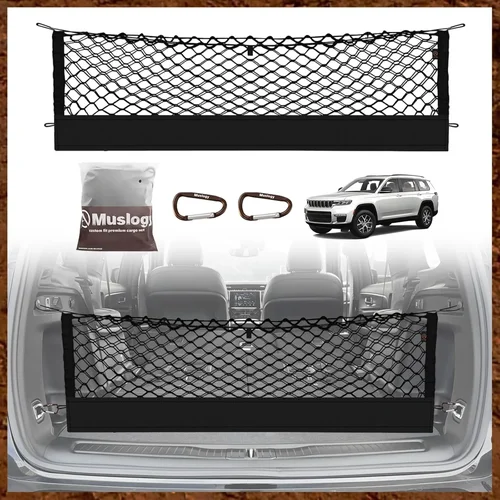
Look for thoughtful storage solutions: hidden compartments, rear cargo nets, tie-down hooks, and power-folding seats that create a flat load floor. Some SUVs even offer hands-free power liftgates with foot sensors—a game-changer when your arms are full. Additionally, check the height of the load floor; a lower sill makes loading heavy items easier and reduces back strain.
3. Fuel Efficiency & Powertrain Options
Fuel costs can significantly impact your long-term ownership expenses, especially if you drive frequently. While full-size SUVs traditionally guzzle gas, many 2026 models now offer hybrid or plug-in hybrid (PHEV) variants that dramatically improve efficiency without sacrificing performance. For example, the Toyota Highlander Hybrid delivers over 35 mpg combined, rivaling some sedans.
Consider your driving habits: if you mostly commute in stop-and-go traffic, a hybrid may save you hundreds annually. If you tow trailers or drive on rough terrain, a turbocharged gasoline engine or diesel might be preferable. Electric three-row SUVs are also entering the market, though charging infrastructure and range limitations still pose challenges for long-distance travel. Always check EPA estimates and real-world user reports—manufacturer claims can be optimistic.
4. Towing Capacity & Off-Road Capability
Not every family needs serious towing power, but if you plan to haul a boat, camper, or trailer, towing capacity becomes non-negotiable. Most midsize three-row SUVs handle 3,500–5,000 lbs, while full-size models like the Ford Expedition or Chevrolet Tahoe can tow 8,000+ lbs when properly equipped. However, towing reduces fuel economy and increases wear on brakes and transmission—so factor in maintenance costs.
Off-road capability varies widely. Some SUVs, like the Jeep Grand Cherokee L or Toyota 4Runner, offer genuine trail prowess with skid plates, locking differentials, and high ground clearance. Others are strictly pavement-oriented. If you live in a rural area or enjoy outdoor adventures, prioritize models with all-wheel drive (AWD), hill descent control, and robust suspension systems. But remember: off-road features often come at the expense of on-road refinement and fuel efficiency.
5. Safety Ratings & Driver-Assistance Tech
Safety should never be compromised—especially when transporting loved ones. In 2026, look for SUVs that earn top marks from the National Highway Traffic Safety Administration (NHTSA) and the Insurance Institute for Highway Safety (IIHS). Top-tier ratings typically require good crash test performance, effective headlights, and strong crash avoidance systems.
Modern driver-assistance suites are essential. At a minimum, your SUV should include automatic emergency braking, lane-keeping assist, blind-spot monitoring, and adaptive cruise control. Higher trims may add features like rear cross-traffic alert, surround-view cameras, night vision, and semi-autonomous highway driving. These technologies aren’t just conveniences—they’ve been proven to reduce accident rates by up to 40%.
6. Infotainment & Connectivity
A clunky or outdated infotainment system can ruin an otherwise great SUV. In 2026, expect large touchscreens (10+ inches), wireless Apple CarPlay/Android Auto, over-the-air updates, and intuitive voice controls. Avoid systems that rely solely on touch inputs while driving—physical knobs for volume and climate control are safer and more user-friendly.
Consider rear-seat entertainment options if you have young passengers. Some SUVs offer built-in screens, HDMI inputs, or compatibility with streaming devices. Also check USB port availability—families often need to charge multiple devices simultaneously. Wireless charging pads are convenient but can overheat phones; look for models with cooling fans or ventilation.
7. Reliability & Long-Term Value
No one wants to spend their weekends at the dealership. Reliability directly affects ownership satisfaction and resale value. Brands like Toyota, Honda, and Lexus consistently rank highest in long-term dependability surveys. Check J.D. Power Vehicle Dependability Studies and Consumer Reports reliability ratings before committing.
Depreciation matters too. Some SUVs lose half their value in three years, while others hold strong due to brand reputation and limited supply. Hybrid and electric models may depreciate faster initially but could benefit from future fuel savings and environmental incentives. Always review projected 5-year ownership costs, including insurance, maintenance, and fuel.
8. Warranty & Ownership Perks
A strong warranty provides peace of mind and protects against unexpected repairs. Most manufacturers offer 3-year/36,000-mile basic coverage and 5-year/60,000-mile powertrain protection. However, some brands go further: Hyundai and Kia provide 10-year/100,000-mile powertrain warranties, while Genesis includes complimentary maintenance for three years.
Look for perks like roadside assistance, loaner vehicles during service, and mobile service options. Luxury brands often bundle concierge services, but even mainstream models are adding subscription-based features like remote start via app or in-car Wi-Fi hotspots. Evaluate whether these extras justify a higher price tag or if you’d prefer to pay as you go.
Different Types of Buying Guide
Common Buying Mistakes to Avoid
❌ Mistake: Prioritizing Style Over Practicality
Why it’s bad: A sleek exterior or panoramic sunroof might look great in photos, but if it compromises headroom, visibility, or cargo space, you’ll regret it daily. Many buyers fall in love with a vehicle’s design only to discover the third row is unusable for adults or the rear visibility is obstructed.
What to do instead: Always prioritize function. Sit in every row, open all doors, and load typical cargo during your test drive. If possible, bring your family along to simulate real-world use.
❌ Mistake: Ignoring Total Cost of Ownership
Why it’s bad: A low sticker price can be misleading. High insurance premiums, expensive repairs, poor fuel economy, and rapid depreciation can turn a “deal” into a financial burden. Luxury SUVs often have steep maintenance costs—even routine oil changes can cost double that of mainstream brands.
What to do instead: Use tools like Edmunds True Cost to Own or Kelley Blue Book 5-Year Cost to Own to compare long-term expenses. Factor in fuel, insurance, maintenance, and resale value—not just the purchase price.
❌ Mistake: Overlooking Third-Row Usability
Why it’s bad: Not all third rows are created equal. Some are glorified jump seats suitable only for small children, while others offer adult-friendly legroom. Buying a “three-row” SUV that can’t actually seat three rows comfortably defeats the purpose.
What to do instead: Research third-row dimensions (legroom, headroom, hip room) and read owner reviews. Test it yourself—bring a friend who’s average height or taller to sit in the back.
❌ Mistake: Skipping the Test Drive
Why it’s bad: Photos and specs don’t convey how a vehicle feels on the road. Ride quality, noise levels, seat comfort, and control responsiveness vary widely. A smooth highway cruiser might feel jittery on bumpy roads, or vice versa.
What to do instead: Always take a comprehensive test drive on varied terrain—city streets, highways, and rough pavement. Drive for at least 30 minutes and involve all passengers.
❌ Mistake: Falling for “Must-Have” Features You’ll Never Use
Why it’s bad: Dealers often upsell expensive packages with features like massage seats, night vision, or premium audio systems that add thousands to the price but offer little daily value. These can also increase repair complexity and cost.
What to do instead: Make a list of truly essential features (e.g., AWD, adaptive cruise, rear camera) and stick to it. Avoid packages that bundle unnecessary extras.
❌ Mistake: Not Researching Reliability History
Why it’s bad: A shiny new SUV can hide underlying mechanical issues. Some models have known transmission problems, electrical gremlins, or premature wear on suspension components. Ignoring reliability data risks frequent breakdowns and costly repairs.
What to do instead: Consult Consumer Reports, J.D. Power, and NHTSA recall databases. Join owner forums to learn about common issues and long-term experiences.
❌ Mistake: Buying Based Solely on Monthly Payment
Why it’s bad: Dealers can manipulate loan terms to make a car seem affordable by extending the loan period or rolling in negative equity. This often results in paying far more in interest and owing more than the car is worth (“upside-down”).
What to do instead: Focus on the total purchase price and loan APR. Aim for a loan term no longer than 60 months and avoid rolling in old debt unless absolutely necessary.
Budget Guidelines: How Much Should You Spend?
– Entry-Level ($35,000–$45,000): This tier includes compact and some midsize three-row SUVs like the Kia Sorento, Hyundai Santa Fe, and Mitsubishi Outlander. Expect basic materials, modest tech, and smaller third rows. However, many offer excellent value with strong safety scores, decent fuel economy, and solid warranties. Ideal for budget-conscious buyers who need occasional third-row access.
– Mid-Range ($45,000–$65,000): The sweet spot for most families. Models like the Toyota Highlander, Honda Pilot, and Ford Explorer offer spacious interiors, robust safety suites, available hybrids, and premium features without luxury pricing. You’ll find better build quality, more cargo space, and smoother rides here. This range balances affordability with capability.
– Premium ($65,000–$85,000): For buyers who want more power, refinement, and technology. Think Acura MDX, Mazda CX-90, and Volkswagen Atlas. These SUVs often feature turbocharged engines, upscale interiors, advanced driver aids, and enhanced towing. Great for those who frequently travel with passengers and gear but don’t need full-size dimensions.
– Luxury ($85,000+): Reserved for discerning buyers seeking the pinnacle of comfort, performance, and prestige. Options include the Lexus LX, BMW X7, Mercedes-Benz GLS, and Cadillac Escalade. Expect hand-stitched leather, massaging seats, crystal-clear audio, and cutting-edge autonomous features. While expensive, these vehicles offer unparalleled craftsmanship and status—but come with higher operating costs.
Expert Tips for Getting the Best Deal
– Time your purchase strategically: Dealers are most motivated at the end of the month, quarter, or model year (August–September). New 2026 models typically arrive in late summer, so shopping in July can yield significant discounts on outgoing 2025 inventory.
– Shop online first, then negotiate in person: Use TrueCar, Edmunds, or your local dealer’s website to get pre-negotiated pricing. Print out competing offers and use them as leverage during in-person negotiations.
– Consider certified pre-owned (CPO): A 1–2 year old CPO SUV can save you 15–20% off MSRP while still offering warranty coverage and thorough inspections. Luxury brands often depreciate quickly, making CPO an excellent value.
– Negotiate the price, not the payment: Always focus on reducing the out-the-door price. Once that’s locked in, discuss financing separately. This prevents dealers from hiding markups in loan terms.
– Check for incentives and rebates: Manufacturers frequently offer cash rebates, low APR financing, or loyalty bonuses. These can total $2,000–$5,000—especially on slower-selling trims or body styles.
– Read the fine print on warranties: Understand what’s covered and for how long. Some “comprehensive” plans exclude wear items like brakes or tires. Ask for a written copy of the warranty terms.
– Test multiple configurations: Drive both FWD and AWD versions if available. The difference in ride and handling might surprise you—and AWD isn’t always necessary unless you live in snowy or mountainous regions.
– Use your trade-in wisely: Get your current vehicle appraised by multiple sources (CarMax, Carvana, local dealers) before committing. You’ll often get a better deal selling privately, but trading in simplifies the process.

Frequently Asked Questions
Q: Do I really need a three-row SUV if I only have two kids?
A: Not necessarily—but consider future needs. If you plan to grow your family, host friends’ children, or transport sports teams, a third row adds valuable flexibility. However, if you rarely carry more than four passengers, a spacious two-row SUV or wagon might offer better cargo space and fuel economy.
Q: Are hybrid three-row SUVs worth the extra cost?
A: It depends on your mileage. If you drive over 15,000 miles annually, the fuel savings of a hybrid like the Toyota Highlander Hybrid can offset the higher upfront cost within 3–5 years. For low-mileage drivers, the payoff takes longer—but hybrids also offer smoother acceleration and reduced emissions.
Q: Can I tow with a three-row SUV?
A: Yes, but check the specific model’s towing capacity. Most midsize SUVs handle 3,500–5,000 lbs; full-size models can tow 7,000–9,000 lbs. Always ensure your SUV is properly equipped with a tow package (transmission cooler, hitch receiver, wiring harness) and never exceed the manufacturer’s limits.
Q: How much cargo space do I need behind the third row?
A: Aim for at least 15–20 cubic feet for groceries and small bags. If you regularly carry strollers, luggage, or camping gear, look for 25+ cubic feet. Full-size SUVs like the Chevrolet Suburban offer 40+ cubic feet—enough for a week’s worth of supplies.
Q: Are electric three-row SUVs practical yet?
A: They’re improving rapidly. Models like the Rivian R1S and Tesla Model X offer impressive range (300+ miles) and performance, but charging infrastructure remains inconsistent outside urban areas. If you take frequent long trips or lack home charging, a hybrid may be more practical for now.
Q: What’s the difference between AWD and 4WD?
A: AWD (all-wheel drive) automatically sends power to all wheels for better traction on wet or slippery roads—ideal for most families. 4WD (four-wheel drive) is manually engaged and designed for off-roading or severe conditions. Most three-row SUVs use AWD; only a few (like the 4Runner) offer true 4WD.
Q: How long should I keep my three-row SUV?
A: To maximize value, aim for 8–10 years or 150,000 miles. Vehicles in this segment often remain reliable well beyond that, but maintenance costs rise after the warranty expires. Keeping it longer spreads out the depreciation hit.
Q: Should I buy extended warranty coverage?
A: Generally, no—especially if you choose a reliable brand. Factory warranties are usually sufficient, and third-party extended plans often have loopholes. Instead, set aside $50–$100/month in a dedicated repair fund.
Q: Can I install a child seat in the third row?
A: Technically yes, but it’s not recommended for regular use. Third rows often lack LATCH anchors, have limited visibility, and are farther from adult supervision. Use the second row whenever possible for safety and convenience.
Our Final Recommendations
– Best for Budget-Conscious Buyers: 2026 Kia Sorento Hybrid – Priced under $45,000, it delivers 37 mpg, a spacious interior, and Kia’s industry-leading 10-year warranty. The third row is tight but usable for kids.
– Best Overall Value: 2026 Toyota Highlander Hybrid – Combines legendary reliability, 36 mpg, seating for eight, and Toyota Safety Sense 3.0. It’s the gold standard for family haulers.
– Best Premium Option: 2026 Acura MDX Type S – With a 355-hp turbo V6, adaptive suspension, and a luxurious cabin, it blends performance and practicality better than any rival in its class.
– Best for Beginners: 2026 Honda Pilot – Easy to drive, packed with standard safety tech, and boasting one of the most user-friendly infotainment systems. Ideal for first-time SUV buyers.
– Best for Advanced Users: 2026 Rivian R1S – For tech-savvy adventurers, this electric SUV offers 400+ miles of range, quad-motor AWD, and innovative features like a gear tunnel and camp kitchen mode.
Conclusion: Making the Right Choice
Choosing the right three-row SUV isn’t about finding the “best” vehicle on paper—it’s about finding the best match for your unique life. Whether you prioritize fuel savings, towing muscle, or plush interiors, the 2026 market offers something for every family. By focusing on seating needs, cargo requirements, safety, and long-term costs, you can narrow the field to a few top contenders.
Remember: a great SUV should simplify your life, not complicate it. Take your time, test drive thoroughly, and don’t let flashy features distract you from core functionality. And if you’re still unsure, revisit the key factors in this guide—they’re designed to keep you grounded in what truly matters.
Your perfect three-row SUV is out there. With the insights from this guide, you’re now equipped to find it—and drive away with confidence, knowing you made a smart, informed decision that will serve your family for years to come.