
The plug-in hybrid SUV market has exploded in recent years, and for good reason. These vehicles offer a compelling middle ground between traditional gas-powered SUVs and fully electric models, giving drivers the best of both worlds: zero-emission driving for daily commutes and long-range capability for weekend adventures. As we move into 2026, automakers have refined their plug-in hybrid technology, delivering longer electric ranges, more powerful electric motors, and smarter energy management systems than ever before. Whether you’re looking to reduce your carbon footprint, save money on fuel, or simply enjoy the quiet, smooth ride of electric propulsion, a plug-in hybrid SUV could be the perfect fit for your lifestyle.
This comprehensive buying guide is designed to cut through the noise and help you make an informed decision. We’ll walk you through the most important factors to consider—from electric range and charging options to cargo space, safety ratings, and total cost of ownership. You’ll learn how to compare different models, avoid common pitfalls, and find the best value for your budget. Whether you’re a first-time buyer or upgrading from a conventional SUV, this guide will equip you with the knowledge and confidence to choose the right plug-in hybrid SUV for your needs.
The plug-in hybrid SUV segment is more competitive than ever, with offerings from nearly every major automaker. From compact crossovers like the Toyota RAV4 Prime to luxury flagships like the BMW X5 xDrive45e, there’s a model to suit nearly every preference and price point. In 2026, we’re seeing significant improvements in battery technology, with many models now offering 30–50 miles of EPA-estimated electric range—enough for most daily driving needs. Charging infrastructure continues to expand, and federal and state incentives remain available in many regions, making plug-in hybrids more accessible than ever. With so many options on the market, it’s essential to understand what truly matters when making your choice.
What to Look for When Buying a Plug-In Hybrid SUV
1. Electric Range and Real-World Performance
One of the most critical factors when choosing a plug-in hybrid SUV is its electric range. This determines how far you can drive on battery power alone before the gasoline engine kicks in. In 2026, most plug-in hybrid SUVs offer between 25 and 50 miles of EPA-estimated electric range, with some high-end models pushing beyond that. For many drivers, 30+ miles is sufficient to cover daily commutes, school runs, and errands without using a drop of gasoline.
However, real-world range can vary significantly based on driving habits, weather, terrain, and use of climate control. Cold weather, in particular, can reduce battery efficiency by 20–40%, so if you live in a colder climate, consider models with heat pump systems or larger batteries. Also, pay attention to whether the range is based on EPA estimates or manufacturer claims—EPA figures are generally more reliable.
2. Charging Options and Convenience
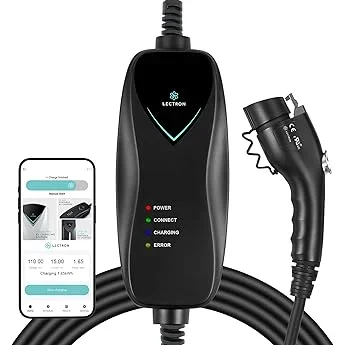
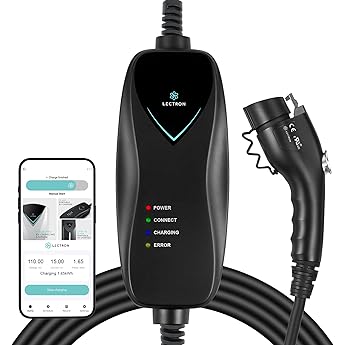
Charging flexibility is another key consideration. Most plug-in hybrid SUVs come with a Level 1 charger (120V) that plugs into a standard household outlet. While convenient, Level 1 charging is slow—typically adding 3–5 miles of range per hour. For faster charging, you’ll want a Level 2 (240V) home charger, which can fully recharge a depleted battery in 2–4 hours depending on the model and charger capacity.
Check whether the vehicle supports DC fast charging. While not all plug-in hybrids do, some newer models—like the Ford Escape PHEV and Hyundai Tucson Plug-In Hybrid—offer limited DC fast charging capability, allowing you to top up at public stations in under an hour. This can be a game-changer for road trips or unexpected detours.
Also consider where you’ll charge. If you have a garage or driveway, home charging is ideal. But if you rely on street parking or apartment living, access to public charging networks becomes crucial. Apps like PlugShare or ChargePoint can help you locate nearby stations, but not all plug-in hybrids are compatible with every network.
3. Fuel Economy and Total Cost of Ownership
Plug-in hybrids are designed to save you money on fuel, but the actual savings depend on how you use the vehicle. If you charge regularly and drive mostly in electric mode, you could see fuel economy ratings of 80–100 MPGe (miles per gallon equivalent). However, if you rarely charge and rely heavily on the gas engine, your real-world MPG may drop to 30–40, which is still better than many traditional SUVs but not as impressive.
To get a true picture of cost, factor in electricity rates in your area. Charging at home is usually cheaper than buying gas, especially during off-peak hours. Some utilities offer special EV rate plans that lower the cost of nighttime charging. Also, consider maintenance savings: electric motors have fewer moving parts than internal combustion engines, so brake wear is reduced (thanks to regenerative braking), and oil changes are less frequent.
Don’t forget to account for potential incentives. As of 2026, federal tax credits may still be available for certain plug-in hybrid models, though eligibility depends on battery size, manufacturer sales volume, and your tax liability. Some states and local utilities also offer rebates or HOV lane access, which can add up to thousands in savings.
4. Performance and Driving Dynamics
Modern plug-in hybrid SUVs are no slouches when it comes to performance. Many combine a gasoline engine with one or more electric motors to deliver impressive acceleration and smooth power delivery. For example, the Toyota RAV4 Prime produces 302 horsepower and can go from 0 to 60 mph in just 5.7 seconds—faster than many sports cars.
Electric motors provide instant torque, which means strong off-the-line acceleration and responsive handling. This makes plug-in hybrids feel lively in city driving and confident on highways. Some models also offer selectable drive modes—Eco, Sport, EV-only, and Hybrid—that let you tailor the driving experience to your needs.
Consider how the vehicle handles in different conditions. All-wheel drive (AWD) is common in plug-in hybrid SUVs and improves traction in rain, snow, or off-road situations. However, AWD systems can reduce electric range slightly due to added weight and complexity. If you live in a mild climate and don’t need off-road capability, front-wheel drive (FWD) may be sufficient and more efficient.
5. Interior Space, Cargo Capacity, and Practicality
One common concern with plug-in hybrids is whether the battery pack eats into passenger or cargo space. In most 2026 models, manufacturers have done a good job of integrating batteries without sacrificing usability. However, it’s still worth checking dimensions and cargo volume.
For example, the Ford Escape PHEV has slightly less cargo space than the standard Escape due to the battery under the rear floor, but the difference is minimal—about 2 cubic feet. The Chrysler Pacifica Hybrid, on the other hand, maintains full cargo capacity because its battery is mounted under the vehicle.
Consider your typical cargo needs. Do you frequently carry large items like strollers, golf bags, or camping gear? Look for models with flat load floors, fold-flat rear seats, and hands-free power liftgates. Also, check rear legroom and headroom if you regularly transport passengers.
6. Technology and Infotainment Features
In 2026, plug-in hybrid SUVs come packed with advanced technology. Look for large touchscreens (10 inches or more), wireless Apple CarPlay and Android Auto, over-the-air software updates, and intuitive user interfaces. Voice control and gesture recognition are becoming more common, especially in premium models.
Energy management systems are also improving. Many vehicles now offer real-time feedback on energy usage, charging status, and estimated range. Some even let you pre-condition the cabin while plugged in—cooling or heating the interior using grid power instead of the battery, which preserves range.
Safety tech is equally important. Standard features should include automatic emergency braking, lane-keeping assist, adaptive cruise control, and blind-spot monitoring. Higher trims may add night vision, surround-view cameras, and automated parking. Check safety ratings from the National Highway Traffic Safety Administration (NHTSA) and the Insurance Institute for Highway Safety (IIHS) to compare models.
7. Build Quality, Reliability, and Brand Reputation
Reliability is a major factor in long-term satisfaction. Brands like Toyota, Honda, and Hyundai have strong track records for durability and low maintenance costs. Toyota’s RAV4 Prime, for instance, benefits from the company’s reputation for building long-lasting vehicles.
Check consumer reports and owner reviews for common issues. Some plug-in hybrids have had problems with battery degradation, charging port malfunctions, or software glitches. While most are minor, they can be frustrating and costly to fix.
Build quality extends beyond reliability. Look for solid panel gaps, high-quality materials, and attention to detail in the cabin. A well-built vehicle feels premium and stands up to daily wear and tear. Test the doors, switches, and controls during your test drive to assess fit and finish.
8. Warranty and Support
Warranty coverage can vary widely between manufacturers. Most plug-in hybrids come with a standard 3-year/36,000-mile basic warranty and a 5-year/60,000-mile powertrain warranty. However, the battery and electric components often have longer coverage—typically 8 years/100,000 miles, sometimes longer.
Some brands, like Hyundai and Kia, offer 10-year/100,000-mile powertrain warranties and 7-year/100,000-mile bumper-to-bumper coverage, which is among the best in the industry. Tesla, while not offering traditional plug-in hybrids, sets a high bar with its 8-year battery and drive unit warranty.
Also consider roadside assistance, service network availability, and software update policies. A strong support system can make ownership much smoother, especially if you live in a rural area or travel frequently.
Different Types of Plug-In Hybrid SUVs

Common Buying Mistakes to Avoid

❌ Mistake: Ignoring Real-World Electric Range
Why it’s bad: Relying solely on EPA estimates can lead to disappointment, especially in cold weather or when using climate control. You might find your actual electric range is 20–30% lower than advertised.
What to do instead: Research real-world range tests from independent sources like Edmunds or InsideEVs. Look for models with heat pumps and battery preconditioning to minimize range loss in winter.
❌ Mistake: Not Considering Charging Access
Why it’s bad: If you can’t charge at home or work, you’ll end up using the gas engine most of the time, negating the benefits of a plug-in hybrid.
What to do instead: Assess your charging options before buying. If you live in an apartment, check if your building offers charging or if nearby public stations are reliable and affordable.
❌ Mistake: Overlooking Total Cost of Ownership
Why it’s bad: A lower purchase price doesn’t always mean better value. Higher maintenance costs, poor resale value, or expensive repairs can add up over time.
What to do instead: Use tools like Kelley Blue Book’s 5-Year Cost to Own or Edmunds’ True Cost to Own to compare long-term expenses, including fuel, insurance, maintenance, and depreciation.
❌ Mistake: Choosing Based on Horsepower Alone
Why it’s bad: High horsepower sounds impressive, but it doesn’t always translate to better real-world performance or efficiency. Some high-power models have shorter electric range or higher fuel consumption.
What to do instead: Balance performance with efficiency. Consider torque, 0–60 times, and driving modes. A vehicle with 250 hp and 35 miles of electric range may suit your needs better than one with 400 hp and 20 miles.
❌ Mistake: Skipping the Test Drive
Why it’s bad: Photos and specs don’t reveal how a vehicle feels on the road. You might discover poor visibility, uncomfortable seats, or a confusing infotainment system after it’s too late.
What to do instead: Always test drive multiple models. Bring your family, load up cargo, and drive in conditions similar to your daily routine—highways, city streets, hills, etc.
❌ Mistake: Ignoring Software and Updates
Why it’s bad: Some plug-in hybrids have buggy software that affects charging, climate control, or navigation. Without regular updates, these issues may persist.
What to do instead: Choose brands known for reliable software and over-the-air updates. Ask dealers about update frequency and user feedback on tech performance.
❌ Mistake: Forgetting About Resale Value
Why it’s bad: Plug-in hybrids can depreciate faster than traditional vehicles, especially if battery technology advances quickly or incentives change.
What to do instead: Research resale values using Edmunds or Kelley Blue Book. Brands like Toyota and Honda tend to hold value better. Consider certified pre-owned options for better long-term value.
Budget Guidelines: How Much Should You Spend?
– Entry-Level ($35,000 – $45,000): This tier includes compact models like the Toyota RAV4 Prime, Ford Escape PHEV, and Hyundai Tucson Plug-In Hybrid. You’ll get solid electric range (30–40 miles), good fuel economy, and modern safety features. Expect fewer luxury touches, but excellent value for the price.
– Mid-Range ($45,000 – $60,000): The sweet spot for most buyers. Models like the Honda CR-V Hybrid, Subaru Crosstrek Hybrid, and Kia Sorento PHEV offer more space, better interiors, and advanced tech. Many include AWD, larger screens, and enhanced driver aids.
– Premium ($60,000 – $80,000): For those who want more performance and refinement. The BMW X5 xDrive45e, Volvo XC60 Recharge, and Lexus NX 450h+ fall here. Expect premium materials, powerful engines, and cutting-edge features like adaptive suspension and premium audio.
– Luxury ($80,000+): Top-tier models like the Mercedes-Benz GLE 550e, Audi Q5 TFSI e, and Porsche Cayenne E-Hybrid deliver exceptional performance, luxury, and technology. These are ideal for enthusiasts who want the best of everything, though they come with higher maintenance and insurance costs.
Expert Tips for Getting the Best Deal
– Time your purchase: Dealers often offer incentives at the end of the model year (August–October) or during holiday sales events. Also, new model announcements can trigger discounts on outgoing versions.
– Negotiate based on invoice price: Know the dealer’s invoice price (available on Edmunds or Kelley Blue Book) and aim to pay close to it. Plug-in hybrids often have higher margins, so there’s room to negotiate.
– Leverage incentives: Check federal, state, and local incentives. Some states offer additional rebates for plug-in hybrids, and utilities may provide charging equipment discounts.
– Compare financing options: Dealership financing isn’t always the best deal. Compare rates from banks, credit unions, and online lenders. Sometimes 0% APR offers are available.
– Consider leasing: Leasing a plug-in hybrid can lower monthly payments and allow you to upgrade to newer technology every few years. Just be aware of mileage limits and wear-and-tear charges.
– Test multiple brands: Don’t settle for the first model you test. Drive at least three different brands to compare driving feel, tech, and comfort.
– Check for software updates: Ask the dealer if the vehicle has the latest software. Some issues can be fixed with a simple update, saving you future headaches.
– Read the fine print on warranties: Understand what’s covered and for how long. Some warranties exclude certain components or require specific maintenance schedules.

Frequently Asked Questions
Q: How far can I drive on electric power alone?
A: Most 2026 plug-in hybrid SUVs offer 25–50 miles of EPA-estimated electric range. Real-world range depends on driving conditions, weather, and use of accessories like heating or air conditioning.
Q: Can I charge a plug-in hybrid at a Tesla Supercharger?
A: Generally, no. Tesla Superchargers use a proprietary connector and are designed for Tesla vehicles. However, some newer Superchargers in certain regions support CCS adapters, which may work with compatible plug-in hybrids. Always check compatibility before attempting to charge.
Q: Do plug-in hybrids require special maintenance?
A: Not really. While the electric components are complex, they have fewer moving parts than gas engines. Maintenance typically includes tire rotations, brake fluid checks, and cabin air filter replacements. Oil changes are less frequent since the gas engine isn’t used as much.
Q: What happens if I never plug it in?
A: The vehicle will still run on gasoline, but you won’t benefit from electric driving or fuel savings. Over time, the battery may degrade faster, and you could face reduced efficiency. It’s best to charge regularly to maintain battery health.
Q: Are plug-in hybrids good for towing?
A: Some are, but towing reduces electric range significantly. Models like the Ford Explorer Hybrid and Toyota Highlander Hybrid can tow 3,500–5,000 lbs, but expect to rely more on the gas engine. Check the manufacturer’s towing capacity and cooling system specs.
Q: How long do plug-in hybrid batteries last?
A: Most manufacturers warranty batteries for 8–10 years or 100,000 miles. With proper care, many batteries last 10–15 years or more. Degradation is typically slow—around 2–3% per year.
Q: Can I install a home charger myself?
A: Level 2 chargers require a 240V circuit and should be installed by a licensed electrician for safety and code compliance. Many utilities and automakers offer rebates for installation costs.
Q: Are plug-in hybrids safe in a crash?
A: Yes. All modern plug-in hybrids meet strict safety standards. High-voltage systems are designed to shut off automatically in a collision, and batteries are shielded to prevent damage.
Q: Do plug-in hybrids work in extreme temperatures?
A: They do, but extreme cold reduces battery efficiency and range. Heat pumps and preconditioning help mitigate this. In very hot climates, battery cooling systems prevent overheating.
Q: Can I use a portable generator to charge my plug-in hybrid?
A: Technically yes, but it’s inefficient and not recommended. Generators are noisy, polluting, and may not provide stable power. It’s better to plan charging stops or use public stations.
Our Final Recommendations
– Best for Budget-Conscious Buyers: Toyota RAV4 Prime – With 42 miles of electric range, 302 horsepower, and Toyota’s legendary reliability, the RAV4 Prime offers exceptional value under $45,000.
– Best Overall Value: Ford Escape Plug-In Hybrid – Starting around $37,000, it delivers 37 miles of electric range, a spacious interior, and available DC fast charging—rare in this price range.
– Best Premium Option: BMW X5 xDrive45e – Luxury, performance, and 30+ miles of electric range make this a top choice for those who want it all, priced from $72,000.
– Best for Beginners: Hyundai Tucson Plug-In Hybrid – User-friendly tech, 33 miles of range, and a 10-year warranty make it ideal for first-time plug-in buyers.
– Best for Advanced Users: Volvo XC60 Recharge – With advanced safety systems, over-the-air updates, and a refined driving experience, it’s perfect for tech-savvy drivers who value innovation.
Conclusion: Making the Right Choice
Choosing the best plug-in hybrid SUV in 2026 is about balancing your needs, budget, and lifestyle. Whether you prioritize electric range, cargo space, performance, or luxury, there’s a model designed for you. By focusing on key factors like charging convenience, real-world efficiency, and total cost of ownership, you can avoid common pitfalls and find a vehicle that delivers long-term satisfaction.
Remember, the best plug-in hybrid SUV isn’t necessarily the most expensive or the one with the longest range—it’s the one that fits seamlessly into your daily life. Take your time, do your research, and don’t hesitate to test drive multiple options. With the right information and a clear understanding of your priorities, you’ll be well-equipped to make a smart, confident decision.
The future of driving is electric, but you don’t have to go all-in right away. Plug-in hybrid SUVs offer a practical, flexible transition—giving you the freedom to drive electric today while keeping the option of gasoline for tomorrow’s adventures. Make the switch, save money, reduce emissions, and enjoy the ride.