

When it comes to transporting a full crew—whether it’s your growing family, carpooling neighbors, or weekend adventure group—few vehicles offer the space, comfort, and versatility of a 7-passenger SUV. As we move into 2026, the market for these three-row haulers has never been more competitive or technologically advanced. From fuel-efficient hybrids to rugged off-roaders and luxury flagships, today’s 7-passenger SUVs blend practicality with cutting-edge innovation in ways that were unimaginable just a decade ago.
This comprehensive buying guide is designed to help you cut through the noise and make a confident, informed decision. Whether you’re a first-time SUV buyer or upgrading from an older model, you’ll learn how to evaluate key factors like seating layout, cargo capacity, safety tech, fuel economy, and long-term reliability. We’ll walk you through the different types of 7-passenger SUVs available, highlight common pitfalls to avoid, and provide expert-backed recommendations tailored to various budgets and lifestyles. By the end, you’ll have a clear roadmap to find the perfect vehicle that meets your needs—not just today, but for years to come.
The 7-passenger SUV segment has evolved dramatically. Once dominated by boxy, truck-based rigs with poor fuel efficiency and minimal creature comforts, today’s models span a wide spectrum: sleek crossovers with car-like handling, electrified powertrains offering 30+ miles of electric range, and premium interiors rivaling high-end sedans. Automakers are investing heavily in this space because families still want space and safety—but they also demand connectivity, efficiency, and style. With new entries from legacy brands like Toyota and Ford, alongside aggressive pushes from Hyundai, Kia, and even Tesla, the choices can feel overwhelming. That’s why understanding what truly matters—beyond flashy infotainment screens and bold grilles—is essential.

What to Look for When Buying Buying Guide
1. Seating Configuration & Interior Space
Not all 7-passenger SUVs are created equal when it comes to actual usability. The most common layout is a 2-3-2 configuration: two front seats, a three-person second row, and two seats in the third row. However, some models offer a 2-2-3 setup (captain’s chairs in the second row), which can improve access to the third row but reduces total seating to seven only if the third row has three seats—which is rare. Always verify the exact seating layout before committing.
Third-row legroom is a critical differentiator. In many midsize SUVs, the third row is best suited for children under 12. If you regularly transport adults in the back, prioritize models like the Honda Pilot, Toyota Highlander, or Kia Telluride, which offer genuinely usable third-row space. Measure your passengers’ heights and test-sit in the third row during a dealership visit. Also consider ingress/egress: wide rear doors, low step-in height, and sliding second-row seats make life easier for kids and elderly passengers.
2. Cargo Capacity & Flexibility
With seven people onboard, cargo space shrinks dramatically. Most 7-passenger SUVs offer between 12 and 18 cubic feet behind the third row—enough for a few grocery bags or small suitcases, but not much else. Fold-down rear seats are essential. Look for 60/40 split third rows and 40/20/40 second rows for maximum configurability. Some models, like the Ford Explorer and Chevrolet Traverse, offer power-folding rear seats controlled via the key fob or infotainment system—a huge convenience when loading gear with full hands.
Underfloor storage compartments, hidden bins, and roof rails add extra utility. If you frequently travel with bulky items (strollers, sports equipment, camping gear), prioritize SUVs with at least 45 cubic feet behind the second row and 80+ cubic feet with both rear rows folded. The Hyundai Palisade and Subaru Ascent excel here, offering class-leading cargo volume without sacrificing passenger comfort.
3. Safety Ratings & Driver-Assistance Tech
Safety is non-negotiable when carrying precious cargo. Always check ratings from the National Highway Traffic Safety Administration (NHTSA) and the Insurance Institute for Highway Safety (IIHS). In 2026, top-tier 7-passenger SUVs should earn at least a 5-star NHTSA overall rating and “Top Safety Pick+” from IIHS. Key tests include small overlap front crashes, side-impact protection, and headlight performance.
Modern driver-assistance suites are equally important. Standard features should include automatic emergency braking, lane-keeping assist, blind-spot monitoring, rear cross-traffic alert, and adaptive cruise control. Higher-end models may offer hands-free highway driving (e.g., GM’s Super Cruise, Ford’s BlueCruise), night vision, and rear automatic braking. Avoid vehicles where these features are locked behind expensive option packages—especially if you’re on a budget.
4. Powertrain & Fuel Efficiency
The powertrain defines your driving experience and long-term costs. Most 7-passenger SUVs come with V6 engines or turbocharged four-cylinders producing 250–360 horsepower. For 2026, hybrid and plug-in hybrid (PHEV) options are increasingly common and worth serious consideration. The Toyota Highlander Hybrid, for example, delivers over 35 mpg combined—unheard of in this segment just a few years ago.
Towing capacity matters if you plan to haul trailers, boats, or RVs. Full-size SUVs like the Ford Expedition (9,300 lbs) and Chevrolet Tahoe (8,400 lbs) lead here, while midsize models typically max out around 5,000 lbs. If you don’t need heavy towing, a lighter, more efficient midsize SUV will save you thousands in fuel over five years. Always match engine output to your typical load: a turbo-four may struggle with seven passengers and mountain roads, whereas a V6 provides confident passing power.
5. Infotainment & Connectivity
A clunky or outdated infotainment system can ruin an otherwise great SUV. In 2026, expect at least an 8-inch touchscreen with wireless Apple CarPlay and Android Auto as standard. Larger displays (10–12 inches) are becoming common, especially in premium trims. Look for intuitive menus, responsive touch response, and physical climate controls—touch-only HVAC can be distracting while driving.
Wi-Fi hotspots, multiple USB-C ports (including in the third row), and wireless charging pads enhance family convenience. Premium audio systems (e.g., Bose, Harman Kardon, Bang & Olufsen) are nice but often add $1,000+ to the price. Consider whether you’ll actually use them or if standard audio suffices. Also verify smartphone integration works reliably—some systems lag or disconnect frequently.
6. Ride Quality & Handling
SUVs vary widely in how they feel on the road. Truck-based models (like the Toyota Sequoia or Nissan Armada) offer rugged durability but can feel bouncy or wallowy on pavement. Car-based crossovers (e.g., Mazda CX-9, Hyundai Palisade) prioritize comfort and agility, making them better for daily commuting and long highway trips.
Test drive on varied surfaces: city streets, highways, and rough roads if possible. Pay attention to body roll in corners, suspension noise over bumps, and steering feel. Adaptive air suspension (available on luxury models like the Lincoln Aviator or Genesis GV80) dramatically improves ride quality but adds cost and complexity. For most families, a well-tuned conventional suspension strikes the right balance.
7. Reliability & Long-Term Ownership Costs
A low purchase price means little if repair bills pile up. Consult reliability reports from J.D. Power, Consumer Reports, and RepairPal. Brands like Toyota, Honda, and Subaru consistently rank highest for dependability. Avoid models with known issues—such as transmission problems in early Ford Explorers or electrical gremlins in certain GM SUVs.
Factor in depreciation, insurance, maintenance, and fuel. Luxury SUVs often cost significantly more to insure and maintain. Extended warranties can provide peace of mind but aren’t always worth the premium. Calculate total cost of ownership over 5–7 years using tools like Edmunds’ TCO calculator. Sometimes, a slightly higher upfront cost buys you years of trouble-free driving.
8. Brand Reputation & Dealer Support
Your relationship with the dealership matters—especially for service and warranty claims. Brands with strong dealer networks (Toyota, Honda, Ford) offer better nationwide support. Read owner forums and review sites to gauge customer service experiences. A brand may build reliable cars but have terrible regional service centers.
Also consider resale value. Toyota and Honda SUVs typically retain 60–65% of their value after three years, while some domestic brands dip below 50%. If you plan to trade in or sell within 5 years, this could mean thousands in extra equity. Luxury brands like Lexus and Acura also hold value well, but depreciation hits harder at the top end.
Different Types of Buying Guide

Common Buying Mistakes to Avoid
❌ Mistake: Prioritizing Styling Over Practicality
Why it’s bad: A sleek roofline or aggressive stance might look great in ads, but it often sacrifices rear headroom and cargo space. Sloping rear windows reduce visibility and make third-row entry harder.
What to do instead: Always prioritize function. Test the third row with real passengers and measure cargo area with typical luggage. Style should complement utility—not override it.
❌ Mistake: Ignoring Real-World Fuel Economy
Why it’s bad: EPA estimates are optimistic, especially for hybrids under heavy load. Driving seven people uphill will slash mileage far below window-sticker numbers.
What to do instead: Check independent reviews (e.g., Edmunds, Cars.com) for real-world mpg tests. Consider a PHEV if you have short daily commutes—you might rarely use gas.
❌ Mistake: Overlooking Maintenance Costs
Why it’s bad: Luxury brands and turbocharged engines often require premium fuel, specialized parts, and pricier labor. A $70,000 SUV can cost $1,500+ annually in maintenance.
What to do instead: Research average repair costs on RepairPal. Choose models with proven reliability and widely available parts. Avoid obscure or newly redesigned engines without track records.
❌ Mistake: Skipping the Test Drive with Full Load
Why it’s bad: An SUV may feel peppy empty but struggle with seven passengers and luggage. Transmission shifting, braking distance, and engine noise change dramatically under load.
What to do instead: Bring friends or family to the dealership. Load up the car and drive on highways, hills, and stop-and-go traffic. Feel how it handles when it matters most.
❌ Mistake: Falling for “Must-Have” Tech That’s Rarely Used
Why it’s bad: Paying $3,000 for a panoramic camera or massage seats adds little value if you never use them. Complex systems also increase failure risk.
What to do instead: Focus on tech that improves safety or daily convenience: adaptive cruise, wireless CarPlay, and rear-seat reminders. Skip gimmicks unless they genuinely fit your lifestyle.
❌ Mistake: Not Checking Third-Row Accessibility
Why it’s bad: Some SUVs require contorting to reach the third row—especially with car seats installed in the second row. This becomes a daily frustration.
What to do instead: Practice entering the third row with a child seat in place. Ensure there’s enough clearance and that the second row slides far enough forward.
❌ Mistake: Buying Based Solely on Monthly Payment
Why it’s bad: Dealers can stretch loan terms to lower payments, but you’ll pay more in interest and risk being upside-down on the loan.
What to do instead: Negotiate the total price first, then discuss financing. Aim for a loan term under 60 months and put at least 10–20% down to avoid negative equity.
Budget Guidelines: How Much Should You Spend?
Setting a realistic budget is the foundation of a smart SUV purchase. Prices vary widely based on size, features, and brand, but here’s a practical breakdown for 2026:
- Entry-Level ($28,000 – $40,000): These are typically compact or midsize crossovers with basic 7-seat layouts. Examples include the Mitsubishi Outlander, Nissan Pathfinder S, and base-model Kia Sorento. Expect modest power, fewer standard safety features, and tighter third-row space. Ideal for buyers who need seven seats occasionally and prioritize low monthly payments.
- Mid-Range ($40,000 – $60,000): This is the sweet spot for most families. Models like the Honda Pilot, Toyota Highlander, Hyundai Palisade, and Ford Explorer offer excellent reliability, strong safety ratings, usable third rows, and modern tech. Many include hybrid options and generous standard features. You get the best balance of value, space, and long-term satisfaction.
- Premium ($60,000 – $85,000): For buyers wanting more power, luxury touches, and advanced capabilities. Think Chevrolet Traverse Premier, Subaru Ascent Touring, or Mazda CX-9 Signature. These often include leather interiors, premium audio, adaptive cruise, and enhanced towing packages. Great for those who drive frequently or want a more refined experience without going full luxury.
- Luxury ($85,000+): Reserved for brands like Lexus, Acura, Lincoln, Genesis, and European makers (BMW X7, Mercedes GLS). These SUVs offer near-silent cabins, massaging seats, night vision, air suspension, and cutting-edge driver aids. However, they come with higher depreciation, insurance, and maintenance costs. Only choose this tier if prestige and极致 comfort are top priorities.
Expert Tips for Getting the Best Deal
Smart shopping goes beyond comparing window stickers. Use these proven strategies to save money and avoid regrets:
- Time Your Purchase Wisely: End of quarter (March, June, September, December) and end of year (November–December) are prime times for dealer incentives. Manufacturers push to meet sales targets, offering cash rebates, low APR financing, or lease deals. Avoid buying right after a new model year launch—prices are highest then.
- Shop Online First: Use tools like TrueCar, Edmunds, and Kelley Blue Book to see what others in your area are paying. Get multiple dealer quotes via email to leverage competition. Many dealers now offer home delivery and virtual walkarounds.
- Negotiate the Price, Not Just the Payment: Focus on reducing the out-the-door price. Ask for itemized breakdowns and challenge unnecessary fees (“doc fees,” “market adjustments”). Be ready to walk away—dealers often call back with better offers.
- Consider Certified Pre-Owned (CPO): A 1–2 year old CPO SUV can save you $10,000+ off MSRP while still offering warranty coverage and rigorous inspections. Brands like Toyota, Honda, and Hyundai have excellent CPO programs.
- Check for Loyalty and Conquest Incentives: If you’re trading in a competitor’s vehicle, you may qualify for extra cash rebates. Military, first responder, and recent graduate discounts also exist—ask!
- Read the Fine Print on Warranties: Understand what’s covered and for how long. Powertrain warranties vary from 5 years/60,000 miles to 10 years/100,000 miles. Hybrid components often have separate coverage.
- Test Drive Multiple Competitors: Don’t settle for the first SUV you like. Compare at least three models side-by-side. Note differences in noise, ride comfort, and ease of use.
- Use Your Trade-In Strategically: Get your current vehicle appraised by multiple sources (CarMax, Carvana, local dealers). Use the highest offer as leverage in negotiations.
Frequently Asked Questions
Q: Can all 7-passenger SUVs actually fit seven adults comfortably?
A: No. Many midsize SUVs have third rows suitable only for children. For adult comfort, look for models with at least 35 inches of third-row legroom, such as the Kia Telluride, Honda Pilot, or Toyota Highlander. Always test with your actual passengers.
Q: Are hybrid 7-passenger SUVs worth the extra cost?
A: Yes, if you drive mostly in cities or suburbs. The Toyota Highlander Hybrid saves $800–$1,200 annually in fuel compared to its gas counterpart. Over five years, that offsets the $3,000–$4,000 premium. PHEVs like the Chrysler Pacifica Hybrid are even better for short commutes.
Q: What’s the difference between a crossover and a truck-based SUV?
A: Crossovers use unibody construction (like cars), offering better fuel economy, smoother rides, and easier handling. Truck-based SUVs use body-on-frame designs, providing superior towing, off-road capability, and durability—but with rougher rides and higher fuel costs.
Q: How much cargo space do I really need with seven passengers?
A: At minimum, aim for 15 cubic feet behind the third row for groceries or small bags. If you travel frequently, prioritize models with 20+ cubic feet or fold-flat third rows. The Hyundai Palisade offers 18 cu ft behind the third row—class-leading for its size.
Q: Should I buy extended warranty coverage?
A: Generally, no—for reliable brands like Toyota or Honda. Their factory warranties are robust, and repair costs are low. For luxury or less reliable brands, a third-party extended warranty from a reputable provider (not the dealer) may be worthwhile.
Q: Can I install three car seats in the second row?
A: Most 7-passenger SUVs with bench second rows can accommodate three car seats, but tight shoulder room may make it uncomfortable. Captain’s chairs prevent this but improve third-row access. Measure your car seats and test installations before buying.
Q: Are electric 7-passenger SUVs practical yet?
A: For 2026, options are limited but growing. The Tesla Model X (with optional third row) and upcoming Hyundai Ioniq 7 offer electric 7-seaters, but range drops significantly with full loads. Charging infrastructure and long recharge times remain hurdles for road trips.
Q: How important is towing capacity for a family SUV?
A: Only if you plan to tow regularly. Most families don’t need more than 3,500–5,000 lbs. If you tow boats, campers, or trailers often, consider a full-size SUV like the Ford Expedition or Chevrolet Tahoe. Otherwise, a midsize with 5,000-lb capacity suffices.
Q: What’s the best way to clean and maintain third-row upholstery?
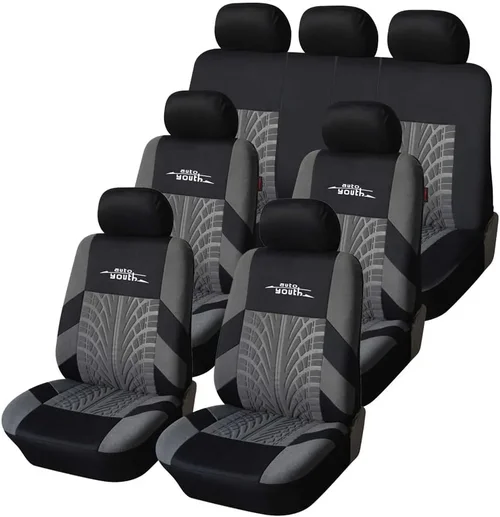
A: Use fabric or leather protectants regularly. Vacuum weekly and spot-clean spills immediately. Consider all-weather floor mats and seat covers—especially if kids ride in the back. Many owners swear by removable third-row seat covers for easy washing.
Q: Do 7-passenger SUVs hold their value well?
A: It depends on the brand. Toyota, Honda, and Subaru models retain 60–65% of value after three years. Domestic and luxury brands depreciate faster. Hybrids and popular trims (e.g., Telluride SX) hold value exceptionally well due to high demand.
Our Final Recommendations
After evaluating dozens of 2026 models across price points, safety, efficiency, and real-world usability, here are our top picks:
- Best for Budget-Conscious Buyers: Kia Sorento LX – Starting around $34,000, it offers a usable third row, strong safety scores, and available hybrid powertrain. Few competitors match its value at this price.
- Best Overall Value: Hyundai Palisade SEL – Priced from $42,000, it delivers luxury-like interiors, best-in-class cargo space, and a smooth V6. The 10-year/100,000-mile warranty adds peace of mind.
- Best Premium Option: Toyota Highlander Hybrid Limited – At $52,000, it combines legendary reliability, 36 mpg combined, and a quiet, refined cabin. Perfect for eco-minded families who refuse to compromise.
- Best for Beginners: Honda Pilot EX-L – Intuitive controls, excellent visibility, and a spacious third row make it ideal for first-time SUV owners. Priced from $44,000, it’s hard to go wrong.
- Best for Advanced Users: Lincoln Aviator Reserve – For those wanting cutting-edge tech, adaptive air suspension, and a whisper-quiet cabin, this $75,000 luxury SUV delivers. Plug-in hybrid option adds efficiency without sacrificing power.
Conclusion: Making the Right Choice
Choosing the right 7-passenger SUV isn’t just about checking boxes—it’s about aligning your vehicle with your lifestyle, priorities, and long-term goals. Whether you’re shuttling kids to soccer practice, embarking on cross-country adventures, or simply needing extra space for weekend getaways, the perfect SUV exists for you. By focusing on real-world usability, safety, reliability, and total cost of ownership—not just flashy features or low monthly payments—you’ll avoid buyer’s remorse and enjoy years of confident, comfortable driving.
Remember: the best SUV is the one that disappears into the background of your daily life, doing its job quietly and efficiently. Take your time, test drive thoroughly, and don’t let sales pressure rush you. With the insights from this guide, you’re equipped to make a decision that fits your family—not the other way around. Happy driving!