
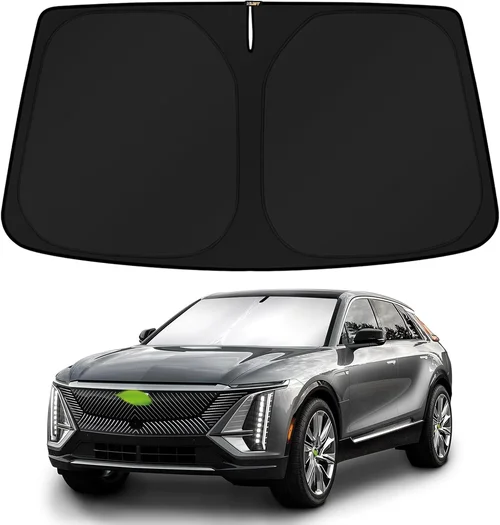
Electric SUVs are no longer a futuristic fantasy—they’re here, and they’re reshaping how we think about family transportation, weekend adventures, and daily commutes. With 2026 just around the corner, the electric SUV market has matured into a competitive, innovative, and increasingly accessible space. Automakers from legacy giants like Ford and Toyota to EV-native brands like Tesla and Rivian are rolling out models that blend sustainability, performance, and practicality in ways that were unimaginable just five years ago. Whether you’re a first-time EV buyer or a seasoned electric driver looking to upgrade, choosing the right electric SUV requires more than just comparing range and price. It demands a deep understanding of technology, infrastructure, lifestyle needs, and long-term value.
This comprehensive buying guide is designed to cut through the noise and help you make a confident, informed decision. You’ll learn how to evaluate key factors like battery range, charging speed, cargo space, safety ratings, and total cost of ownership. We’ll walk you through the different types of electric SUVs available in 2026, highlight common pitfalls to avoid, and provide expert-backed tips to get the best deal. By the end of this guide, you won’t just know which models are leading the pack—you’ll know which one is right for you.
The electric SUV segment in 2026 is more diverse than ever. From compact crossovers perfect for city driving to full-size luxury beasts capable of towing boats, there’s an EV for nearly every lifestyle and budget. Advances in battery technology have pushed real-world ranges well beyond 300 miles on a single charge, while ultra-fast charging networks are making long-distance travel more practical. At the same time, features like over-the-air updates, advanced driver assistance systems (ADAS), and sustainable interior materials are becoming standard. With federal and state incentives still available in many regions, now is an excellent time to go electric—but only if you choose wisely.

What to Look for When Buying Buying Guide
1. Budget & Price Range
Your budget is the foundation of your electric SUV search. In 2026, prices vary dramatically—from under $35,000 for entry-level models to over $100,000 for high-end luxury variants. But it’s not just about the sticker price. You must also consider federal and state tax credits, which can reduce your effective cost by $7,500 or more. Some states offer additional rebates, and many utilities provide incentives for home charger installation. Don’t forget to factor in long-term savings: EVs cost significantly less to fuel and maintain than gasoline-powered vehicles.
When setting your budget, aim for a realistic total cost of ownership (TCO) over five years. This includes purchase price, insurance, charging costs, maintenance, and depreciation. Use online TCO calculators from sources like Edmunds or Kelley Blue Book to compare models. Remember, a slightly higher upfront cost might be justified by lower operating expenses and better resale value.
2. Range & Battery Capacity
Range anxiety is one of the biggest concerns for new EV buyers—but in 2026, it’s becoming less of an issue. Most new electric SUVs offer EPA-estimated ranges between 250 and 400 miles. However, real-world range can vary based on driving habits, weather, terrain, and use of climate control. Cold weather, in particular, can reduce range by 20–40%, so if you live in a colder climate, prioritize models with heat pump systems and battery preconditioning.
Battery capacity is measured in kilowatt-hours (kWh). Larger batteries generally mean longer range, but they also add weight and cost. Look for a balance: a 75–90 kWh battery is often sufficient for most drivers. Also, check the battery warranty—most manufacturers offer 8 years or 100,000 miles, covering capacity loss below 70%. Some brands, like Hyundai and Kia, now offer lifetime battery warranties, which can be a major selling point.
3. Charging Speed & Infrastructure
How quickly your SUV can recharge is just as important as how far it can go. Charging speed is measured in kilowatts (kW) and depends on both the vehicle’s onboard charger and the type of charging station. Level 1 charging (120V) is slow—adding about 4–5 miles per hour—and only suitable for overnight top-ups at home. Level 2 (240V) is the standard for home and public charging, delivering 25–30 miles per hour.
For long trips, DC fast charging (DCFC) is essential. In 2026, most new electric SUVs support charging speeds of 150–350 kW. This means you can add 100–200 miles of range in 15–30 minutes at compatible stations. Tesla’s Supercharger network remains the gold standard for reliability and coverage, but the broader rollout of the North American Charging Standard (NACS) means many non-Tesla EVs now have access to these fast chargers.
Check the vehicle’s peak charging rate and the charging curve—some EVs slow down significantly after 50% state of charge. Also, verify compatibility with major networks like Electrify America, EVgo, and ChargePoint. Apps like PlugShare can help you locate chargers and check real-time availability.
4. Performance & Driving Dynamics
Electric SUVs are known for instant torque and smooth acceleration. Many models now offer dual-motor all-wheel drive (AWD) systems that deliver 0–60 mph times under 5 seconds—comparable to sports cars. But performance isn’t just about speed. Handling, ride comfort, and regenerative braking also matter.
Look for adjustable regenerative braking, which allows you to customize how aggressively the car slows when you lift off the accelerator. One-pedal driving can improve efficiency and reduce brake wear. Suspension quality varies widely: some SUVs offer adaptive air suspension for a smoother ride, while others use traditional coil springs that may feel stiffer.
Towing capacity is another performance factor. If you plan to haul trailers, boats, or campers, check the manufacturer’s rated towing capacity. In 2026, several electric SUVs can tow 3,500–7,700 lbs, with models like the Rivian R1S and Ford F-150 Lightning leading the pack. However, towing reduces range significantly—often by 30–50%—so plan accordingly.
5. Interior Space & Cargo Capacity
Practicality is a key reason people choose SUVs. Electric SUVs often have an advantage here: without a traditional engine, they can offer more flexible interior layouts. Many have a “frunk” (front trunk) in addition to a large rear cargo area. Third-row seating is available in larger models, but legroom can be tight—ideal for kids or short trips.
Cargo volume is measured in cubic feet, both behind the second row and with seats folded. In 2026, expect anywhere from 25 to 85 cubic feet of total cargo space. Consider how you’ll use the vehicle: weekend camping trips, grocery runs, or hauling sports equipment. Some models offer underfloor storage, fold-flat seats, or configurable cargo systems.
Interior materials and build quality also matter. Premium models use sustainable fabrics, recycled plastics, and real wood or metal trim. Look for durable surfaces, intuitive controls, and ample USB ports and wireless charging pads. Rear-seat comfort, including legroom, headroom, and climate controls, is important for families.
6. Technology & Infotainment
The tech inside your electric SUV can make or break the driving experience. In 2026, expect large touchscreens (12–17 inches), digital instrument clusters, and over-the-air (OTA) software updates that add features and improve performance over time. Tesla, Rivian, and Lucid lead in software innovation, but mainstream brands are catching up.
Key features to look for include:
– Wireless Apple CarPlay and Android Auto
– Built-in navigation with real-time traffic and charging station routing
– Voice control (e.g., “Hey Mercedes” or “Hey Google”)
– Multiple user profiles with personalized settings
– Advanced driver assistance systems (ADAS) like adaptive cruise control, lane-keeping assist, and automated parking
Be cautious of overly complex interfaces. Some systems are laggy or hard to navigate while driving. Test the infotainment system during a test drive—can you adjust climate, music, and navigation without taking your eyes off the road?
7. Safety Ratings & Driver Assistance
Safety should be non-negotiable. In 2026, all major electric SUVs come with a suite of ADAS features, but the quality and reliability vary. Look for models that have earned top ratings from the National Highway Traffic Safety Administration (NHTSA) and the Insurance Institute for Highway Safety (IIHS).
Key safety features include:
– Automatic emergency braking (AEB)
– Blind-spot monitoring
– Rear cross-traffic alert
– Lane departure warning and lane-keeping assist
– Adaptive cruise control with stop-and-go
– 360-degree camera systems
Some brands offer more advanced systems, like Tesla’s Full Self-Driving (FSD) or GM’s Super Cruise, which allow hands-free driving on highways. However, these are still Level 2 autonomy—meaning the driver must remain attentive. Always read the fine print and understand the limitations.
8. Brand Reputation & Reliability
Not all EV brands are created equal. Tesla remains the market leader in terms of sales and charging infrastructure, but reliability issues and build quality concerns have been reported. Rivian and Lucid offer premium experiences but have limited service networks. Mainstream brands like Hyundai, Kia, Ford, and Volkswagen are gaining trust with strong warranties and proven reliability.
Check reliability ratings from sources like Consumer Reports, J.D. Power, and RepairPal. Look for brands with a track record of standing behind their products. Also, consider the availability of service centers—especially if you live in a rural area. Some brands, like Tesla, rely on mobile service technicians, while others have extensive dealer networks.
9. Warranty & Support
A strong warranty can provide peace of mind. Most electric SUVs come with a basic bumper-to-bumper warranty of 3 years/36,000 miles and a powertrain warranty of 8 years/100,000 miles. Battery warranties typically cover 8 years or 100,000 miles, with a guarantee of 70% capacity retention.
Some brands go further: Hyundai and Kia offer 10-year/100,000-mile powertrain warranties, and Genesis includes complimentary maintenance. Tesla’s warranty is shorter but offset by over-the-air updates that can improve performance and fix issues remotely.
Also, consider roadside assistance, loaner car programs, and software support. Can the manufacturer push updates to fix bugs or add features? Is there 24/7 customer support? These details matter when something goes wrong.
Different Types of Buying Guide
Common Buying Mistakes to Avoid
❌ Mistake: Focusing Only on Range
Why it’s bad: While range is important, obsessing over the highest number can lead you to overlook other critical factors like charging speed, reliability, and real-world usability. A 400-mile range is useless if the car charges slowly or breaks down often.
What to do instead: Aim for a range that comfortably exceeds your daily driving needs—typically 250–300 miles is sufficient for most people. Prioritize fast charging capability and a reliable battery management system.
❌ Mistake: Ignoring Charging Infrastructure
Why it’s bad: Even the best EV won’t help you if you can’t charge it conveniently. Relying solely on public chargers without a home charging plan can lead to frustration and range anxiety.
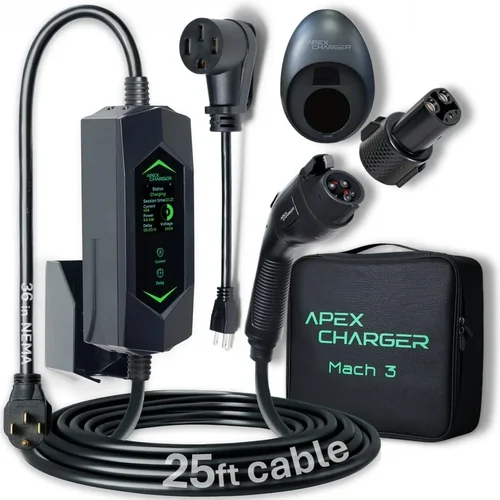
What to do instead: Install a Level 2 home charger if possible. Check the availability of fast chargers along your regular routes and vacation destinations. Use apps like A Better Routeplanner (ABRP) to simulate trips.
❌ Mistake: Overlooking Total Cost of Ownership
Why it’s bad: A low purchase price doesn’t guarantee savings. High insurance, poor resale value, or expensive repairs can erase any upfront advantage.
What to do instead: Use TCO calculators to compare models over 5–7 years. Factor in electricity rates, maintenance, insurance, and depreciation. EVs generally cost less to maintain, but luxury models can have high repair costs.
❌ Mistake: Skipping the Test Drive
Why it’s bad: Electric SUVs vary widely in ride quality, noise levels, and interface design. What looks good on paper might feel uncomfortable or confusing in real life.
What to do instead: Always test drive multiple models. Pay attention to seat comfort, visibility, noise insulation, and how intuitive the controls are. Bring your family if possible.
❌ Mistake: Not Researching Incentives
Why it’s bad: You could miss out on thousands of dollars in tax credits, rebates, or utility incentives simply because you didn’t know they existed.
What to do instead: Visit the IRS website for federal credits and check your state’s energy office for local programs. Some employers also offer EV purchase incentives.
❌ Mistake: Buying Based on Brand Hype Alone
Why it’s bad: Just because a brand is popular doesn’t mean it’s the right fit. Tesla, for example, has a strong ecosystem but has faced criticism for build quality and service.
What to do instead: Evaluate each model on its own merits. Read independent reviews, check reliability data, and consider long-term ownership costs.
❌ Mistake: Neglecting Software and Updates
Why it’s bad: EVs are software-defined vehicles. A car that can’t receive updates may become outdated quickly, losing features and performance improvements.
What to do instead: Choose brands with a strong track record of OTA updates. Ask how often the vehicle receives software improvements and whether they’re free.
Budget Guidelines: How Much Should You Spend?
– Entry-Level ($35,000 – $50,000): What to expect: Compact SUVs like the Hyundai Kona Electric, Chevrolet Bolt EUV, and upcoming Nissan Ariya. These offer 200–260 miles of range, basic tech, and limited luxury features. Ideal for city driving and short commutes. Look for federal tax credits to bring the effective price down.
– Mid-Range ($50,000 – $75,000): Sweet spot for most buyers: Models like the Tesla Model Y, Ford Mustang Mach-E, and Volkswagen ID.4. These balance range (280–330 miles), space, and technology. Many qualify for tax credits and offer strong warranties. Best for families and road trippers.
– Premium ($75,000 – $100,000): For enthusiasts and professionals: Think Rivian R1S, Hyundai Ioniq 5, and Kia EV6. These feature faster charging, higher performance, and more advanced interiors. Often include air suspension, premium audio, and enhanced ADAS. Great for those who want the latest tech without going full luxury.
– Luxury ($100,000+): Top-tier features: Lucid Gravity, Mercedes EQS SUV, and BMW iX. These offer 350+ miles of range, ultra-fast charging, bespoke interiors, and cutting-edge autonomy features. Designed for buyers who prioritize prestige, comfort, and innovation.
Expert Tips for Getting the Best Deal
– Buy at the End of the Quarter or Model Year: Dealerships often have sales targets and may offer discounts to meet them. December and March are particularly good times to negotiate.
– Use Online Tools to Compare Offers: Websites like TrueCar, Edmunds, and Cars.com show what others are paying in your area. Use this data to negotiate a fair price.
– Lease if You Want Lower Payments: Leasing an EV can reduce monthly costs and allow you to upgrade to newer technology every few years. Plus, you may still qualify for tax credits that the leasing company passes on as a discount.
– Check for Loyalty and Conquest Incentives: Some brands offer extra cash for switching from a competitor or returning as a repeat customer.
– Negotiate the Out-the-Door Price: Focus on the total cost, not monthly payments. Dealers can manipulate loan terms to hide higher prices.
– Consider Certified Pre-Owned (CPO): CPO EVs from reputable dealers often come with extended warranties and have already taken the biggest depreciation hit.
– Test Multiple Charging Networks: Before committing, try charging at different stations to see how easy and reliable the process is in your area.
– Read the Fine Print on Incentives: Some tax credits require the vehicle to be assembled in North America or have battery components sourced from certain countries. Verify eligibility before buying.

Frequently Asked Questions
Q: How far can electric SUVs really go on a single charge?
A: In 2026, most new electric SUVs offer EPA-estimated ranges between 250 and 400 miles. Real-world range depends on driving conditions, weather, and use of climate control. Cold weather can reduce range by 20–40%, so preconditioning the battery while plugged in can help.
Q: Can I install a home charger myself?
A: While possible, it’s not recommended. Home chargers require a 240V circuit and should be installed by a licensed electrician to ensure safety and compliance with local codes. Many utilities offer rebates for professional installation.
Q: Are electric SUVs safe in a crash?
A: Yes. Electric SUVs undergo the same rigorous safety testing as gasoline vehicles. In fact, their low center of gravity (due to the heavy battery pack) can improve stability and reduce rollover risk. Many have earned top safety ratings from NHTSA and IIHS.
Q: How long do EV batteries last?
A: Most EV batteries are designed to last 10–15 years or 100,000–200,000 miles. Degradation is typically slow—about 2–3% per year. Most manufacturers warranty batteries for 8 years or 100,000 miles, covering capacity loss below 70%.
Q: Can I tow with an electric SUV?
A: Yes, many electric SUVs can tow. The Rivian R1S, Ford F-150 Lightning, and Tesla Model X can tow 5,000–7,700 lbs. However, towing significantly reduces range—plan for 30–50% less. Use a range calculator and plan charging stops accordingly.
Q: What happens if I run out of charge?
A: Running out of charge is rare with modern range estimates and navigation systems. If it happens, most EVs have emergency roadside assistance. Some brands, like Tesla, offer mobile service to bring a portable charger. Always keep a charging cable in the car.
Q: Are electric SUVs more expensive to insure?
A: It varies. Some EVs cost more to insure due to high repair costs and expensive parts. However, others are competitively priced. Get quotes from multiple insurers and ask about EV discounts.
Q: Can I charge at a Tesla Supercharger?
A: Yes, in 2026, most non-Tesla EVs can use Tesla Superchargers via the NACS connector or an adapter. Tesla has opened its network to other brands, making long-distance travel more convenient.
Q: Do electric SUVs require special maintenance?
A: Less than gasoline vehicles. No oil changes, spark plugs, or exhaust systems. However, you’ll still need tire rotations, brake fluid checks, and cabin air filter replacements. Regenerative braking reduces brake wear, but pads and rotors still need inspection.
Q: What’s the best electric SUV for families?
A: The Tesla Model Y, Ford Mustang Mach-E, and Hyundai Ioniq 5 are top choices for families. They offer good range, ample cargo space, strong safety ratings, and user-friendly tech. For larger families, consider the Rivian R1S or Kia EV9 with third-row seating.
Our Final Recommendations
– Best for Budget-Conscious Buyers: Hyundai Kona Electric – Offers excellent value with 260 miles of range, a strong warranty, and federal tax credit eligibility. Perfect for city driving and short trips.
– Best Overall Value: Tesla Model Y – Combines 330 miles of range, access to the Supercharger network, frequent OTA updates, and strong resale value. Ideal for most drivers.
– Best Premium Option: Rivian R1S – A rugged, luxurious electric SUV with 400 miles of range, air suspension, and off-road capability. Great for adventurers and tech enthusiasts.
– Best for Beginners: Ford Mustang Mach-E – Familiar brand, intuitive interface, and good range. A great first EV with strong dealer support.
– Best for Advanced Users: Lucid Gravity – Cutting-edge technology, ultra-fast charging, and a luxurious interior. For those who want the absolute best in performance and innovation.
Conclusion: Making the Right Choice
Choosing the right electric SUV in 2026 is about more than just going green—it’s about finding a vehicle that fits your lifestyle, budget, and values. With so many excellent options available, the key is to prioritize what matters most to you: range, space, tech, or cost. Use this guide to evaluate your needs, avoid common pitfalls, and take advantage of incentives and expert tips.
Remember, the best electric SUV isn’t necessarily the most expensive or the one with the longest range. It’s the one that makes your daily life easier, safer, and more enjoyable. Whether you’re commuting to work, road-tripping with family, or exploring the wilderness, there’s an EV out there that’s perfect for you.
Take your time, do your research, and don’t rush the decision. Test drive multiple models, talk to current owners, and use online tools to compare real-world performance. And when you’re ready, go electric with confidence—you’re not just buying a car, you’re investing in a cleaner, smarter future.