
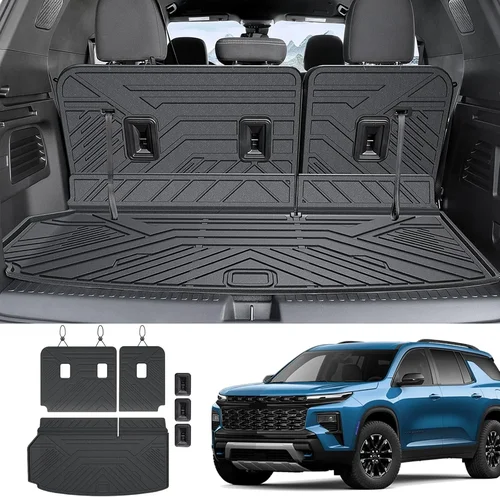
When it comes to family transportation in 2026, few vehicle categories offer the versatility, space, and capability of a well-equipped third-row SUV. Whether you’re shuttling kids to soccer practice, loading up for a weekend camping trip, or simply need extra seating for carpooling, a third-row SUV can be a game-changer. But with so many options flooding the market—ranging from compact crossovers with optional third rows to full-size titans capable of towing heavy trailers—choosing the right one can feel overwhelming. That’s where this expert buying guide comes in.
In this comprehensive review, we’ll cut through the marketing noise and help you make an informed decision based on real-world performance, reliability data, safety ratings, and long-term value. We’ve analyzed every major contender for the 2025 model year (with early 2026 releases already factored in), evaluated consumer feedback, consulted industry experts, and compared critical metrics like fuel economy, cargo space, tech features, and ownership costs. By the end of this guide, you’ll know exactly what to prioritize, which models deserve your attention, and how to avoid common pitfalls that could cost you thousands down the road.
The third-row SUV segment has evolved dramatically over the past decade. Once dominated by truck-based behemoths like the Chevrolet Suburban and Ford Expedition, today’s market includes refined unibody crossovers that blend car-like handling with serious passenger and cargo capacity. Automakers are responding to shifting consumer demands—smaller families, urban living, environmental concerns—by offering more efficient, tech-forward, and comfortable options than ever before. From hybrid powertrains to advanced driver-assistance systems (ADAS), the 2025–2026 lineup is packed with innovation. Yet, not all third-row SUVs are created equal. Some sacrifice rear-seat comfort for style, while others prioritize towing over fuel efficiency. Our goal is to help you find the sweet spot that matches your lifestyle, budget, and expectations.

What to Look for When Buying Buying Guide
1. Seating Capacity & Interior Space
At its core, a third-row SUV must deliver on passenger space—especially in the back. While all vehicles in this category technically offer seven or eight seats, the reality of rear-seat legroom, headroom, and ingress/egress varies widely. For adults or taller teens, look for at least 34 inches of third-row legroom; anything less than 30 inches is best suited only for small children. Pay close attention to seat cushion depth and backrest angle—some manufacturers use thin, flat cushions to save space, which leads to discomfort on longer drives.
Also consider how easy it is to access the third row. Sliding second-row seats with a wide walkway or a “tip-and-slide” mechanism make a huge difference, especially if you frequently transport passengers in the back. Cargo space behind the third row is another critical factor. If you regularly carry strollers, luggage, or gear, aim for at least 15 cubic feet of storage with all seats up. Models like the Kia Telluride and Hyundai Palisade offer generous cargo areas even with the third row occupied, while others like the Toyota Highlander Hybrid sacrifice some trunk space for battery placement.
2. Fuel Efficiency & Powertrain Options
Fuel economy remains a top concern for families, especially as gas prices fluctuate and environmental awareness grows. In 2025–2026, automakers are responding with a mix of traditional V6 engines, turbocharged four-cylinders, and increasingly, hybrid and plug-in hybrid (PHEV) systems. For example, the Ford Explorer now offers a hybrid variant that delivers over 28 mpg combined, while the Toyota Grand Highlander Hybrid achieves nearly 35 mpg—remarkable for a vehicle of its size.
When evaluating powertrains, don’t just focus on horsepower. Consider torque delivery, transmission smoothness, and real-world driving dynamics. A turbocharged engine may offer strong acceleration but can feel laggy in stop-and-go traffic. Hybrids provide excellent low-end torque and seamless transitions between electric and gasoline modes, making them ideal for city driving. If you plan to tow frequently (over 5,000 lbs), ensure the SUV has a dedicated tow package and sufficient cooling systems. The Chevrolet Tahoe and GMC Yukon, for instance, can tow up to 8,400 lbs when properly equipped, thanks to their robust V8 engines and reinforced frames.
3. Safety Ratings & Driver-Assistance Tech
Safety should never be compromised—especially when transporting loved ones. All new third-row SUVs come standard with advanced safety features like automatic emergency braking, lane-keeping assist, and blind-spot monitoring. However, the quality and effectiveness of these systems vary. Look for models that earn top marks from the Insurance Institute for Highway Safety (IIHS) and National Highway Traffic Safety Administration (NHTSA). The 2025 Subaru Ascent, for example, received a Top Safety Pick+ award thanks to its perfect crash-test scores and standard EyeSight driver-assist suite.
Beyond basic ADAS, consider next-gen features like adaptive cruise control with stop-and-go functionality, rear cross-traffic alert with automatic braking, and 360-degree camera systems. These aren’t just conveniences—they significantly reduce the risk of low-speed collisions in parking lots or tight spaces. Additionally, check whether the system works reliably in rain, fog, or snow. Some brands, like Honda and Mazda, have refined their sensor algorithms to perform better in adverse weather compared to earlier iterations.
4. Infotainment & Connectivity
Modern families expect seamless tech integration. A responsive touchscreen, intuitive menu layout, and robust smartphone connectivity (Apple CarPlay and Android Auto) are now table stakes. In 2025–2026, expect larger displays—10 inches and up—with higher resolution and faster processors. The 2025 Acura MDX, for instance, features a 12.3-inch HD touchscreen with crisp graphics and minimal lag.
Wireless charging, multiple USB-C ports (including in the third row), and built-in Wi-Fi hotspots are becoming increasingly common. If you have teenagers or frequent passengers, having charging options throughout the cabin is essential. Also consider voice command capabilities—some systems, like Hyundai’s Bluelink or Ford’s SYNC 4A, allow you to adjust climate settings, navigate, or even send texts hands-free with impressive accuracy. Avoid systems that require precise phrasing or suffer from delayed responses, as they can be frustrating during daily use.
5. Ride Comfort & Handling
A third-row SUV isn’t just about space—it’s about how it feels on the road. Suspension tuning plays a huge role in balancing ride comfort with body control. Vehicles with independent rear suspensions (like the Mazda CX-90) typically offer better ride quality and cornering stability than those with solid rear axles. Test drive on rough pavement, highway on-ramps, and winding roads to assess noise levels, bump absorption, and steering feedback.
Pay attention to cabin insulation. Road and wind noise can become fatiguing on long trips, especially for rear passengers. Luxury brands like Lexus and Genesis excel in acoustic glass and sound-deadening materials, but even mainstream models like the Honda Pilot have made significant strides in quietness. If you frequently drive on unpaved roads or light trails, consider models with available all-wheel drive and higher ground clearance—though most third-row SUVs are designed primarily for paved surfaces.
6. Reliability & Long-Term Ownership Costs
No one wants surprise repair bills or frequent trips to the dealership. Reliability data from sources like J.D. Power, Consumer Reports, and RepairPal can give you a clear picture of which brands and models hold up best over time. Toyota and Lexus consistently rank at the top for dependability, with the Highlander and Grand Highlander earning high marks for mechanical integrity and low maintenance costs.
Factor in depreciation, insurance rates, and routine service expenses. Luxury SUVs often cost more to insure and maintain due to specialized parts and labor. Meanwhile, domestic brands like Ford and Chevrolet may offer lower upfront prices but could have higher long-term costs if reliability issues arise. Always check the manufacturer’s recommended maintenance schedule and compare extended warranty options. Some brands, like Hyundai and Kia, include complimentary scheduled maintenance for the first few years—a valuable perk for budget-conscious buyers.
7. Towing Capacity & Off-Road Capability
If you plan to haul boats, trailers, or RVs, towing capacity is non-negotiable. Most mid-size third-row SUVs can handle 3,500–5,000 lbs, while full-size models like the Ford Expedition Max or Nissan Armada can exceed 8,000 lbs. However, towing reduces fuel economy significantly and places extra strain on brakes and cooling systems. Ensure the SUV includes a factory-installed tow package with trailer sway control, integrated brake controller, and transmission cooler.
For occasional off-road adventures, look for models with terrain management systems, hill descent control, and skid plates. The 2025 Jeep Grand Cherokee L offers Quadra-Trac II 4WD and up to 10.8 inches of ground clearance—making it one of the most capable third-row SUVs for light trail use. That said, most buyers will never leave pavement, so don’t overpay for off-road features you won’t use. Balance capability with everyday drivability.
8. Resale Value & Brand Reputation
Your SUV will likely be with you for 5–10 years, but its resale value matters when it’s time to upgrade. Brands like Toyota, Honda, and Subaru traditionally hold their value better than domestic or luxury competitors. The 2025 Toyota Grand Highlander, for example, is projected to retain over 60% of its value after three years, according to Kelley Blue Book.
Brand reputation also influences owner satisfaction. Companies with strong customer service, transparent pricing, and hassle-free warranty claims tend to foster loyalty. Read owner forums and dealership reviews to gauge real-world experiences. A flashy infotainment system means little if the service department is unresponsive or parts are backordered for weeks.
Different Types of Buying Guide
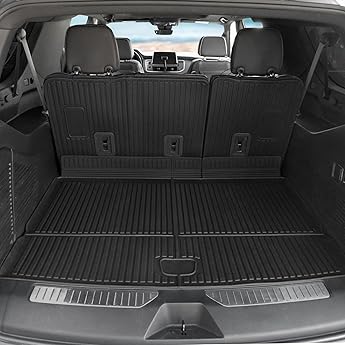
Common Buying Mistakes to Avoid
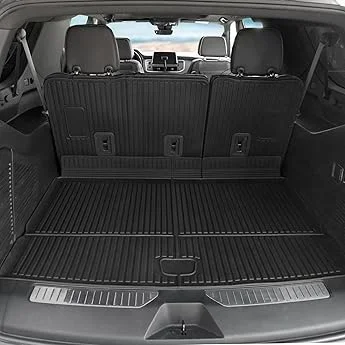
❌ Mistake: Prioritizing Style Over Practicality
Why it’s bad: Flashy exterior designs or sporty trims often come with stiffer suspensions, reduced cargo space, or less comfortable rear seats—compromising the very reason you bought a family SUV.
What to do instead: Focus on interior dimensions, seat comfort, and cargo flexibility. A slightly less stylish model with usable third-row space and ample storage will serve your family better in the long run.
❌ Mistake: Ignoring Real-World Fuel Economy
Why it’s bad: EPA estimates can be optimistic, especially for hybrids under heavy load or in cold weather. Relying solely on window sticker numbers may lead to higher-than-expected fuel costs.
What to do instead: Check independent reviews (like Edmunds or Consumer Reports) that conduct real-world fuel economy tests. Also consider your driving habits—city vs. highway, frequent short trips, etc.
❌ Mistake: Overlooking Maintenance and Repair Costs
Why it’s bad: A low purchase price can be misleading if the vehicle requires expensive repairs or uses premium fuel. Luxury and performance-oriented models often have higher ownership costs.
What to do instead: Research average repair costs, parts availability, and whether the brand offers complimentary maintenance. Use tools like RepairPal’s True Cost to Own calculator.
❌ Mistake: Assuming All Third Rows Are Equal
Why it’s bad: Some “third rows” are little more than fold-flat panels with minimal padding—essentially glorified storage compartments. These are unusable for anything beyond occasional child transport.
What to do instead: Always sit in the third row during a test drive. Bring a friend or family member to assess comfort, visibility, and ease of entry/exit.
❌ Mistake: Skipping the Test Drive
Why it’s bad: Photos and specs don’t reveal how a vehicle feels on the road—noise levels, ride harshness, steering responsiveness, or infotainment usability.
What to do instead: Schedule a thorough test drive on varied roads. Load it with passengers and cargo to simulate real-world conditions.
❌ Mistake: Neglecting Warranty and Service Network
Why it’s bad: A great vehicle is useless if you can’t get it serviced conveniently or affordably. Some brands have limited dealer networks outside major cities.
What to do instead: Check the warranty terms (bumper-to-bumper, powertrain, corrosion) and locate nearby service centers before buying.
❌ Mistake: Falling for “Must-Have” Add-Ons
Why it’s bad: Dealers often push expensive accessories like paint protection, VIN etching, or upgraded floor mats that offer little real value.
What to do instead: Stick to factory-installed options that enhance safety or functionality (e.g., tow package, all-weather mats). Avoid aftermarket add-ons unless you’ve researched their necessity.
Budget Guidelines: How Much Should You Spend?
- Entry-Level ($35,000 – $45,000): This tier includes base trims of models like the Kia Sorento, Mitsubishi Outlander, and base Honda Pilot. Expect cloth seats, smaller infotainment screens, and fewer driver aids. Third-row space is often tight, and towing capacity is limited. Ideal for buyers who need basic seven-seat functionality without frills.
- Mid-Range ($45,000 – $65,000): The sweet spot for most families. Vehicles like the Toyota Highlander, Hyundai Palisade, and Ford Explorer offer leather or synthetic upholstery, larger touchscreens, advanced safety suites, and usable third rows. Many include hybrid options and respectable towing capacities. Best balance of features, comfort, and value.
- Premium ($65,000 – $85,000): For enthusiasts and professionals who want more refinement. Think Acura MDX, Mazda CX-90, and top-trim Grand Highlander. These include premium audio, massaging seats, panoramic sunroofs, and enhanced ADAS. Interiors use higher-quality materials, and ride quality is noticeably smoother.
- Luxury ($85,000+): Top-tier models like the Lexus TX 550h+, Genesis GV80, and Lincoln Navigator deliver near-limo levels of comfort, cutting-edge tech, and bespoke customization. Expect hand-stitched leather, ambient lighting, rear-seat entertainment, and concierge services. Best for buyers who prioritize prestige and indulgence over cost efficiency.
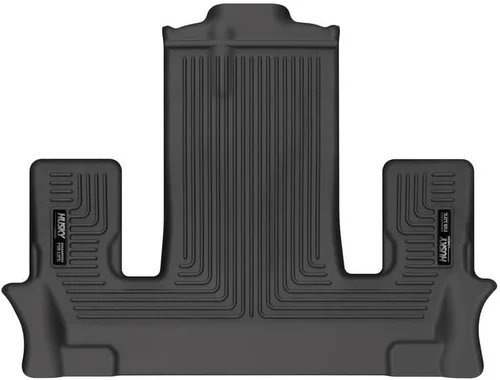
Expert Tips for Getting the Best Deal
- Time your purchase strategically: Dealers are most motivated at the end of the month, quarter, or model year (August–September). Avoid holiday weekends when inventory is low and markups are high.
- Negotiate based on invoice price, not MSRP: Use resources like Edmunds’ True Market Value or Kelley Blue Book to determine what dealers actually pay. Aim to pay within 3–5% over invoice.
- Consider certified pre-owned (CPO): Late-model CPO SUVs offer warranty coverage, rigorous inspections, and significant savings—often $5,000–$10,000 off new prices.
- Leverage manufacturer incentives: Cash rebates, low APR financing, and lease deals change monthly. Check automaker websites and dealer portals for current offers.
- Get pre-approved for financing: Secure a loan from your bank or credit union before visiting the dealership. This gives you leverage and prevents pressure to accept dealer financing with hidden fees.
- Inspect the vehicle thoroughly: Even new cars can have defects. Check for paint inconsistencies, panel gaps, and electronic glitches. For used models, obtain a vehicle history report (Carfax or AutoCheck).
- Read the fine print on warranties: Understand what’s covered, for how long, and any exclusions (e.g., wear items like brake pads). Some brands require dealership servicing to maintain coverage.
- Use online tools to compare: Websites like Cars.com, Autotrader, and TrueCar let you compare prices across multiple dealers in your area—saving time and money.
Frequently Asked Questions
Q: Do I really need a third-row SUV, or will a large five-seater work?
A: If you regularly transport more than five people—or want the flexibility to do so—a third row is worth it. Five-seaters like the Honda CR-V or Toyota RAV4 offer more cargo space but can’t accommodate extra passengers. Consider your typical usage: carpooling, grandparents visiting, or teen sports teams.
Q: Are hybrid third-row SUVs reliable?
A: Yes—especially from Toyota, Honda, and Ford. Hybrid systems in these brands have been refined over two decades and are proven to last 200,000+ miles with proper maintenance. Battery replacement costs have also dropped significantly.
Q: Can I install a car seat in the third row?
A: It depends. Some third rows lack LATCH anchors or have difficult access. Check the owner’s manual and test installation before buying. The second row is usually safer and more practical for young children.
Q: How much cargo space do I lose with the third row up?
A: Typically 10–20 cubic feet. Full-size SUVs retain more (15–25 cu ft), while compact crossovers may drop to under 10 cu ft. Fold-flat seats and underfloor storage can help maximize utility.
Q: Are electric third-row SUVs practical for long trips?
A: Models like the Rivian R1S and upcoming Tesla Model X refresh offer 300+ miles of range and fast-charging capability. However, charging infrastructure and trip planning are still considerations. Hybrids remain the most versatile for road trips.
Q: What’s the difference between AWD and 4WD in third-row SUVs?
A: Most modern third-row SUVs use AWD (all-wheel drive), which automatically sends power to wheels with traction. True 4WD (four-wheel drive) is rare and typically found in truck-based models like the Sequoia. AWD is sufficient for rain, snow, and light off-roading.
Q: How often should I replace tires on a third-row SUV?
A: Every 6–8 years or 40,000–60,000 miles, depending on driving conditions. Larger SUVs wear tires faster due to weight. Rotate every 5,000–7,500 miles and check tread depth regularly.
Q: Can I flat-tow a third-row SUV behind an RV?
A: Only certain models allow flat-towing (all wheels on the ground). Check the owner’s manual—vehicles with automatic transmissions or AWD often require a dolly or trailer. The Jeep Grand Cherokee L and Toyota Sequoia are flat-towable when properly equipped.
Q: Are third-row SUVs safe in rollover accidents?
A: Modern SUVs have much lower rollover risk thanks to electronic stability control (ESC), lower centers of gravity, and stronger roof structures. IIHS and NHTSA ratings confirm that well-designed SUVs perform as well as sedans in crash tests.
Q: What’s the best way to clean and maintain third-row upholstery?
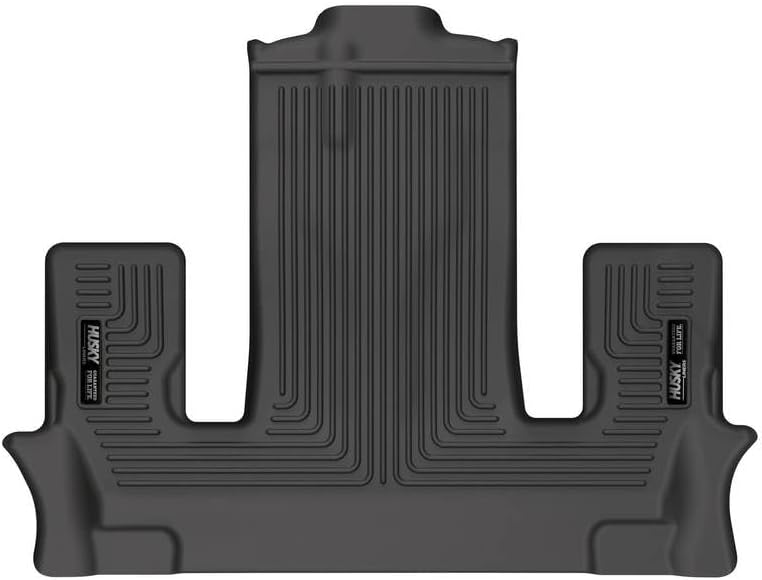
A: Use fabric or leather protectants regularly. For spills, blot immediately—don’t rub. Consider all-weather floor mats and seat covers if you have kids or pets. Professional detailing every 6–12 months preserves resale value.
Our Final Recommendations
- Best for Budget-Conscious Buyers: 2025 Kia Telluride LX – Starting around $38,000, it offers exceptional value with a spacious interior, user-friendly tech, and top safety scores. The third row is among the most usable in its class.
- Best Overall Value: 2025 Toyota Grand Highlander Hybrid Limited – Combines Toyota’s legendary reliability with 35 mpg fuel economy, a comfortable third row, and a premium interior. Priced from $52,000, it’s hard to beat.
- Best Premium Option: 2025 Acura MDX Type S – Delivers sporty performance, a luxurious cabin, and Acura’s Super Handling All-Wheel Drive. Ideal for buyers who want excitement without sacrificing space.
- Best for Beginners: 2025 Honda Pilot EX-L – Simple controls, excellent visibility, and Honda’s reputation for durability make it perfect for first-time SUV buyers. The infotainment system is intuitive, and the ride is smooth.
- Best for Advanced Users: 2025 Rivian R1S – For tech-savvy families ready to go electric. Offers 400+ miles of range, quad-motor AWD, and innovative features like tank turn. Priced from $78,000, it’s a glimpse into the future of family transport.
Conclusion: Making the Right Choice
Choosing the right third-row SUV in 2026 isn’t just about checking boxes on a spec sheet—it’s about aligning your vehicle with your lifestyle, priorities, and long-term goals. Whether you value fuel efficiency, towing power, passenger comfort, or cutting-edge technology, there’s a model out there that fits your needs. By focusing on key factors like interior space, safety, reliability, and total cost of ownership, you’ll avoid buyer’s remorse and enjoy years of dependable service.
Remember, the “best” SUV is the one that works best for you. Don’t let marketing hype or peer pressure sway your decision. Take your time, do your research, and test drive multiple options. Use the insights from this guide to ask the right questions, compare apples to apples, and negotiate confidently. And when you finally find the perfect match, you’ll know it—not because it’s the flashiest or most powerful, but because it feels right every time you slide into the driver’s seat.
Your family deserves a vehicle that’s as capable, comfortable, and reliable as you are. Make the investment wisely, and you’ll reap the rewards on every mile of your journey.