
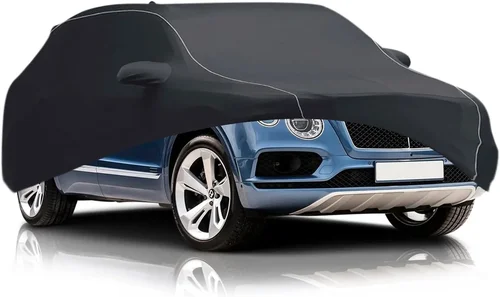
When it comes to choosing a large luxury SUV in 2026, the decision is about far more than just getting from point A to point B. These vehicles represent a fusion of cutting-edge technology, refined craftsmanship, and commanding road presence—designed for those who demand excellence in every detail. Whether you’re shuttling a growing family across town, embarking on a cross-country adventure, or making a statement at the country club, the right luxury SUV can elevate your driving experience in ways a standard vehicle simply cannot.
This comprehensive buyer’s guide is crafted for discerning shoppers who want to make a smart, informed investment. With dozens of models flooding the market—each boasting unique strengths in performance, comfort, tech, and design—it’s easy to feel overwhelmed. That’s where we come in. Over the next several thousand words, we’ll walk you through every critical factor to consider, compare the top categories, highlight common pitfalls, and deliver expert-backed recommendations tailored to your lifestyle and budget. By the end, you’ll have the clarity and confidence to choose the perfect large luxury SUV that aligns with your needs, values, and expectations.
The large luxury SUV segment has evolved dramatically in recent years. No longer just oversized status symbols, today’s models blend opulent interiors with advanced driver-assistance systems, electrified powertrains, and surprisingly agile handling. From American icons like the Cadillac Escalade to German engineering marvels like the Mercedes-Benz GLS, and Japanese titans like the Lexus LX, the competition is fiercer than ever. With hybrid and fully electric options now mainstream, buyers also face new considerations around range, charging infrastructure, and long-term sustainability. This guide cuts through the noise, offering a clear roadmap to help you navigate this dynamic and exciting market.

What to Look for When Buying Buying Guide
1. Budget & Price Range
Your budget is the foundation of your entire purchasing decision. Large luxury SUVs span a wide price spectrum—from just under $70,000 to well over $150,000 for fully loaded trims or limited editions. It’s essential to establish a realistic range that includes not only the purchase price but also taxes, registration, insurance, fuel or charging costs, maintenance, and potential financing interest. For example, while a base model Lincoln Navigator starts around $85,000, adding the Black Label trim, advanced tech packages, and optional towing equipment can push it past $110,000.
Don’t forget to factor in depreciation. Luxury SUVs tend to lose value faster than mainstream vehicles, especially in the first three years. If you plan to resell or trade in down the line, consider brands and models known for stronger residual values—such as Lexus or Porsche. Additionally, leasing may be a viable option if you prefer driving a new vehicle every few years without the long-term ownership costs.
2. Performance Specifications
Performance in a large luxury SUV isn’t just about raw horsepower—it’s about how that power is delivered. Look for smooth acceleration, responsive handling, and confident braking, even at highway speeds or when towing. Most 2026 models offer turbocharged V6 or V8 engines, with many now incorporating mild-hybrid or plug-in hybrid systems for improved efficiency and torque. For instance, the 2026 BMW X7 xDrive50i delivers 523 horsepower with a 48V mild-hybrid system, enabling a 0–60 mph time of just 4.7 seconds.
Towing capacity is another key metric, especially for buyers who need to haul boats, trailers, or RVs. The Ford Expedition MAX and Chevrolet Tahoe RST can tow up to 8,700 and 8,400 pounds respectively, while the electric Rivian R1S offers an impressive 7,700-pound capacity despite its battery pack. Also consider drivetrain options: all-wheel drive (AWD) is standard on most luxury SUVs, but some offer advanced torque-vectoring systems for better cornering and off-road capability.
3. Build Quality & Durability
Build quality separates true luxury SUVs from their premium counterparts. Pay attention to materials used throughout the cabin—genuine leather, real wood or aluminum trim, soft-touch surfaces, and precision stitching all signal attention to detail. Open and close the doors; they should feel solid and well-weighted, with minimal flex or rattling. Check panel gaps, switchgear operation, and the consistency of finishes across different areas of the interior.
Durability extends beyond aesthetics. Look for corrosion-resistant underbody coatings, high-strength steel frames, and proven powertrains with strong reliability records. Brands like Lexus and Toyota have long been praised for their longevity, often exceeding 200,000 miles with proper maintenance. Meanwhile, European manufacturers like Audi and Mercedes-Benz have improved significantly in recent years, though some components (like air suspension systems) may require more frequent servicing. Always review third-party reliability reports from sources like J.D. Power or Consumer Reports.
4. Features & Functionality
Modern luxury SUVs are rolling tech hubs. Prioritize features that enhance comfort, convenience, and safety. Key considerations include adaptive cruise control with stop-and-go functionality, lane-keeping assist, blind-spot monitoring, and automated emergency braking. Many 2026 models now offer Level 2+ semi-autonomous driving capabilities, such as GM’s Super Cruise or Ford’s BlueCruise, which allow hands-free driving on mapped highways.
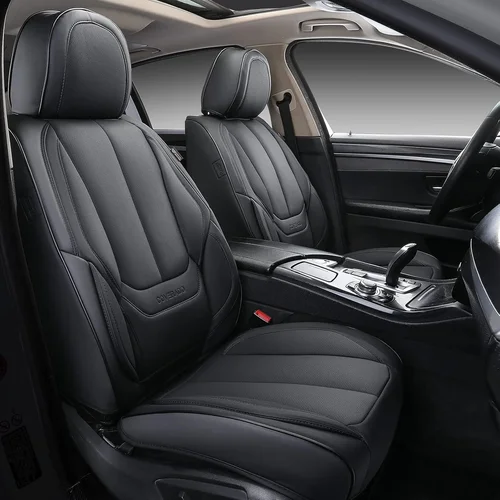
Infotainment systems should be intuitive and responsive. Look for large touchscreens (12 inches or more), wireless Apple CarPlay and Android Auto, premium audio systems (e.g., Bowers & Wilkins, Burmester, or Mark Levinson), and over-the-air software updates. Rear-seat entertainment, massaging seats, four-zone climate control, and panoramic sunroofs are common in higher trims. Don’t overlook practical touches like hands-free power liftgates, heated and ventilated rear seats, and ample USB-C ports for passengers.
5. Brand Reputation & Resale Value
Brand reputation matters—not just for prestige, but for long-term satisfaction. Established luxury automakers like Mercedes-Benz, BMW, and Audi have decades of refinement under their belts, while newer entrants like Genesis and Polestar are rapidly building credibility through innovation and design. Research customer satisfaction scores, warranty claims, and dealer service experiences in your region.
Resale value is closely tied to brand perception and reliability. According to Kelley Blue Book’s 2025 resale value awards, the Lexus GX and Porsche Cayenne retain over 60% of their value after five years, outperforming many competitors. Vehicles with strong brand loyalty—like Range Rover or Cadillac—often hold their value better in certain markets, especially among enthusiasts. Avoid models with a history of frequent recalls or poor dealer support, as these can hurt resale and ownership experience.
6. Warranty & Support
A comprehensive warranty can save you thousands in unexpected repairs. Most luxury brands offer at least 4 years/50,000 miles of bumper-to-bumper coverage, with powertrain warranties extending to 6 years/70,000 miles. However, some go further: Genesis provides a 5-year/60,000-mile basic warranty and 10-year/100,000-mile powertrain coverage, including complimentary maintenance for three years. Tesla offers 4 years/50,000 miles with an 8-year battery and drive unit warranty on its Model X.
Consider extended warranty options if you plan to keep the vehicle beyond the standard coverage period. Also evaluate dealer network strength—having certified service centers nearby ensures easier access to parts, software updates, and trained technicians. Brands like Lexus and Acura are known for exceptional customer service, while others may have inconsistent dealer experiences depending on location.
7. Size & Interior Space
“Large” means different things to different buyers. Measure your garage, parking space, and typical driving routes to ensure the SUV fits comfortably. Exterior length can range from 196 inches (Lincoln Aviator) to over 210 inches (Cadillac Escalade ESV). Turning radius is equally important—some full-size models require three-point turns in tight urban areas.
Interior space is where luxury SUVs truly shine. Focus on third-row legroom, cargo capacity with all seats up, and ease of access to rear seats. The Mercedes-Benz GLS offers best-in-class third-row space, while the Toyota Sequoia provides massive cargo volume thanks to its truck-based platform. If you regularly carry seven or eight passengers, prioritize models with flat floor designs, wide rear doors, and stadium-style seating for better visibility.
8. User Reviews & Real-World Feedback
Don’t rely solely on manufacturer specs or flashy ads. Dive into owner forums, YouTube reviews, and long-term test reports from trusted automotive journalists. Real users often reveal quirks not mentioned in brochures—such as inconsistent touchscreen responsiveness, excessive road noise at highway speeds, or complicated menu structures.
Pay special attention to feedback on ride comfort, especially if you live in an area with poor road conditions. Air suspension systems (found in models like the Range Rover and Audi Q8) generally provide a smoother ride but can be costly to repair. Also note comments about fuel economy—even with hybrid systems, large SUVs consume significant fuel, and real-world MPG often falls short of EPA estimates.
Different Types of Buying Guide

Common Buying Mistakes to Avoid

❌ Mistake: Focusing Only on Horsepower
Why it’s bad: A high horsepower rating doesn’t guarantee a better driving experience. Without proper tuning, suspension, and weight distribution, a powerful engine can lead to poor handling, excessive body roll, and uncomfortable ride quality—especially in a heavy SUV.
What to do instead: Balance power with drivability. Test drive multiple models and pay attention to how the vehicle responds during cornering, braking, and low-speed maneuvers. Consider torque delivery and transmission smoothness just as much as peak horsepower.
❌ Mistake: Ignoring Total Cost of Ownership
Why it’s bad: A lower sticker price can be misleading if the vehicle has high insurance premiums, expensive maintenance, or poor fuel economy. Luxury SUVs often require premium fuel, specialized parts, and certified technicians, all of which add up over time.
What to do instead: Use online calculators from Edmunds or Kelley Blue Book to estimate 5-year ownership costs. Factor in depreciation, fuel, insurance, repairs, and financing. Sometimes a slightly more expensive model with better reliability ends up being cheaper in the long run.
❌ Mistake: Overlooking Third-Row Usability
Why it’s bad: Many “three-row” SUVs have cramped, uncomfortable rear seats suitable only for children or short trips. If you regularly transport adults in the back, this can lead to dissatisfaction and frequent complaints from passengers.
What to do instead: Sit in the third row during your test drive. Check legroom, headroom, seat cushion length, and ease of entry/exit. Models like the GLS, Sequoia, and Escalade offer genuinely usable third rows, while others (like the X7) are better suited for occasional use.
❌ Mistake: Skipping the Test Drive
Why it’s bad: Photos and specs can’t replicate the feel of driving a vehicle. You might discover excessive wind noise, a stiff ride, or confusing controls only after committing to a purchase.
What to do instead: Always take a thorough test drive on varied roads—highways, city streets, and rough surfaces if possible. Bring your family along to evaluate comfort and space. If buying online, ensure the dealer offers a generous return policy or trial period.
❌ Mistake: Choosing Based Solely on Brand Prestige
Why it’s bad: Just because a brand is prestigious doesn’t mean it’s the right fit for your lifestyle. Some luxury marques prioritize style over practicality, leading to compromises in storage, visibility, or reliability.
What to do instead: Evaluate each model on its own merits. A less flashy brand like Lexus or Genesis might offer better value, longer warranties, and superior customer service than a more famous nameplate.
❌ Mistake: Neglecting Charging Infrastructure (for EVs)
Why it’s bad: Electric luxury SUVs like the Tesla Model X or Rivian R1S require access to charging stations for long trips. Without a home charger or reliable public network, you could face range anxiety and inconvenience.
What to do instead: Map out charging options along your regular routes. Install a Level 2 home charger if possible. Consider plug-in hybrids (like the Lincoln Aviator Grand Touring) as a transitional option if full EV adoption feels premature.
❌ Mistake: Forgetting About Resale Value
Why it’s bad: Luxury SUVs depreciate quickly. Choosing a model with weak resale value could cost you tens of thousands when it’s time to trade in or sell.
What to do instead: Research 3- and 5-year residual values before buying. Stick with brands and models known for strong retention. Avoid excessive customization, as unique options rarely appeal to future buyers.
Budget Guidelines: How Much Should You Spend?
Entry-Level ($70,000 – $90,000): This tier includes well-equipped base models like the Acura MDX Type S, Lincoln Aviator, and Genesis GV80. You’ll get solid performance, premium materials, and most modern safety features, though some advanced tech (like hands-free driving) may be optional. Ideal for buyers who want luxury without the ultra-premium price tag.
Mid-Range ($90,000 – $120,000): The sweet spot for most buyers. Models like the BMW X7, Mercedes-Benz GLS 450, and Volvo XC90 Recharge offer near-top-tier features, strong performance, and excellent build quality. You’ll find adaptive air suspension, premium audio, massaging seats, and comprehensive driver aids as standard or easily added.
Premium ($120,000 – $150,000): For enthusiasts and professionals who demand the best. Think Cadillac Escalade, Porsche Cayenne Turbo, or fully loaded Lexus LX 600. These vehicles boast bespoke interiors, track-tuned suspensions, and exclusive design elements. Expect near-chauffeur-level rear comfort and cutting-edge infotainment.
Luxury ($150,000+): The pinnacle of SUV luxury. This includes limited editions like the Range Rover SV Autobiography, Mercedes-Maybach GLS 600, or custom-ordered Bentayga. Here, personalization, craftsmanship, and exclusivity take center stage. These are statement vehicles—perfect for collectors, executives, or those who simply want the very best money can buy.
Expert Tips for Getting the Best Deal
- Time your purchase strategically: Dealers are most motivated at the end of quarters, model-year transitions (August–October), and holiday sales events. You’ll find better incentives and inventory during these periods.
- Negotiate based on invoice price, not MSRP: Use resources like TrueCar or Edmunds to see what others in your area paid. Aim to pay close to dealer invoice, especially on slow-selling trims.
- Consider certified pre-owned (CPO): CPO luxury SUVs offer significant savings (15–30% off new) with extended warranties and rigorous inspections. Brands like Lexus and Porsche have excellent CPO programs.
- Leverage manufacturer incentives: Look for cash rebates, low APR financing, or lease deals. Some brands offer loyalty bonuses or conquest incentives for switching from a competitor.
- Get multiple quotes: Contact at least three dealerships and ask for out-the-door pricing. This prevents hidden fees and gives you bargaining power.
- Review the fine print on warranties: Understand what’s covered, for how long, and whether maintenance is included. Some brands require service at authorized centers to maintain coverage.
- Test drive in real-world conditions: Don’t just drive on smooth highways. Try city traffic, gravel roads, and parking garages to assess visibility, maneuverability, and comfort.
- Use a trade-in estimator: If trading in your current vehicle, get appraisals from multiple sources (CarMax, Carvana, local dealers) to ensure you’re getting fair value.

Frequently Asked Questions
Q: Are large luxury SUVs reliable?
A: Reliability varies by brand and model. Japanese brands like Lexus and Toyota consistently rank highest in long-term dependability, while European models have improved but may require more frequent servicing. Always check J.D. Power VDS and Consumer Reports reliability scores before deciding.
Q: Do I really need a large SUV, or would a midsize luxury SUV suffice?
A: If you regularly carry six or more passengers, need significant cargo space, or tow heavy loads, a large SUV is justified. However, if your needs are occasional, a midsize model like the Audi Q7 or Genesis GV80 offers similar luxury with better fuel economy and easier parking.
Q: How do electric luxury SUVs compare in terms of range and charging?
A: As of 2026, top EVs like the Rivian R1S and Tesla Model X offer 300–400 miles of EPA-estimated range. Charging speed depends on the network—Tesla’s Superchargers are fastest, while others rely on CCS or NACS standards. Home charging is essential for daily convenience.
Q: Can I off-road in a luxury SUV?
A: Yes, but not all are built for it. Models like the Land Rover Defender, Toyota Land Cruiser, and upcoming Jeep Grand Wagoneer offer serious off-road capability with locking differentials, crawl control, and high ground clearance. Most others are best suited for light trails or snow.
Q: What’s the difference between air suspension and traditional springs?
A: Air suspension provides a smoother, more adjustable ride, allowing you to raise or lower the vehicle for comfort or clearance. However, it’s more complex and expensive to repair. Traditional coil springs are simpler and more durable but offer less refinement.
Q: Are luxury SUVs expensive to insure?
A: Generally, yes—due to higher repair costs, theft rates, and performance capabilities. However, discounts are available for safety features, bundling policies, and safe driving records. Shop around and compare quotes from multiple insurers.
Q: Should I lease or buy a luxury SUV?
A: Leasing makes sense if you want lower monthly payments, enjoy driving new vehicles every 2–3 years, and don’t exceed mileage limits. Buying is better if you plan to keep the vehicle long-term, customize it, or drive high mileage. Run the numbers based on your usage.
Q: How important is third-row seating?
A: Only if you need it regularly. Many buyers purchase three-row SUVs “just in case,” but end up folding the seats down for cargo. If you rarely use the third row, a two-row model may offer better comfort and storage.
Q: Do luxury SUVs hold their value?
A: Some do—Lexus, Porsche, and Toyota models typically retain 55–65% of their value after five years. Others, especially those with rapid tech obsolescence or high depreciation curves (like some German brands), may drop faster. Trim level and color also affect resale.
Q: What’s the best time of year to buy a luxury SUV?
A: Late summer to early fall (August–October) is ideal, as dealers clear out current-year inventory for new models. You’ll find the best selection and incentives during this window.
Our Final Recommendations
Best for Budget-Conscious Buyers: Genesis GV80 3.5T Sport – Starting around $78,000, it delivers near-luxury features, a powerful twin-turbo V6, and a class-leading warranty—all with a minimal brand premium.
Best Overall Value: Lexus GX 550 Luxury – Combining Toyota’s legendary reliability with off-road prowess and a refined interior, the GX offers exceptional long-term value and resale.
Best Premium Option: Mercedes-Benz GLS 580 – With its opulent cabin, smooth V8 hybrid powertrain, and cutting-edge MBUX infotainment, the GLS sets the benchmark for full-size luxury.
Best for Beginners: Lincoln Navigator Reserve – User-friendly controls, a comfortable ride, and abundant standard features make it an excellent entry point into luxury SUV ownership.
Best for Advanced Users: Porsche Cayenne Turbo GT – For driving enthusiasts, this model blends supercar performance with SUV practicality, featuring track-tuned suspension and a 631-horsepower engine.
Conclusion: Making the Right Choice
Choosing the right large luxury SUV in 2026 is a deeply personal decision that hinges on your priorities—whether that’s space, performance, technology, or long-term value. We’ve covered the essential factors: budget, performance, build quality, features, brand reputation, warranty, size, and real-world feedback. We’ve compared different categories, warned against common mistakes, provided budget guidelines, and shared expert tips to help you negotiate the best deal.
Remember, the “best” SUV isn’t necessarily the most expensive or the one with the most horsepower. It’s the one that fits your life—your family size, your driving habits, your financial goals, and your definition of luxury. Take your time, do your research, and never rush into a decision based on emotion or pressure.
Ultimately, a luxury SUV should enhance your daily experience, not complicate it. Whether you’re cruising down the Pacific Coast Highway, navigating snowy mountain passes, or simply dropping the kids off at school, the right vehicle will do so with confidence, comfort, and style. Use this guide as your compass, and you’ll drive away not just with a new car—but with the perfect match for your lifestyle.