When it comes to family transportation, few features matter more than third-row seating. Whether you’re shuttling kids to soccer practice, carpooling with friends, or planning a cross-country road trip with extended family, having a functional and comfortable third row can make all the difference. Yet, not all three-row SUVs are created equal. Some offer cramped, knee-jarring back seats better suited for cargo than people, while others deliver genuine adult-friendly space, thoughtful amenities, and smooth ride quality. That’s why choosing the right SUV with the best third row isn’t just about checking a box—it’s about ensuring real usability, safety, and comfort for every passenger.
This comprehensive buyer’s guide is designed to help you navigate the crowded landscape of three-row SUVs in 2026. We’ll walk you through the most critical factors to consider—from legroom and cargo flexibility to safety ratings and tech features—so you can make an informed decision that fits your lifestyle and budget. Whether you’re a growing family, a frequent road-tripper, or someone who simply values versatility, this guide will equip you with expert insights, real-world comparisons, and actionable advice. By the end, you’ll know exactly what to prioritize, which models stand out, and how to avoid common pitfalls that lead to buyer’s remorse.
The market for three-row SUVs has never been more competitive. Automakers are responding to consumer demand with redesigned platforms, improved fuel efficiency, and increasingly sophisticated interiors. From midsize workhorses like the Toyota Highlander to full-size titans like the Chevrolet Tahoe and luxury contenders like the Genesis GV80, there’s a vehicle for nearly every need and price point. But with so many options, it’s easy to get overwhelmed. This guide cuts through the noise, focusing specifically on which SUVs deliver the best third-row experience—not just on paper, but in real-life use.
What to Look for When Buying Buying Guide
1. Third-Row Space & Comfort
The single most important factor when evaluating a three-row SUV is how usable that third row actually is. Many manufacturers claim “7- or 8-passenger seating,” but the reality often falls short—especially for adults or older children. Look for models that offer at least 35 inches of legroom in the third row; anything less than 33 inches will feel cramped for anyone over 5’6″. Headroom is equally critical—tall passengers need at least 37 inches to sit comfortably without slouching.
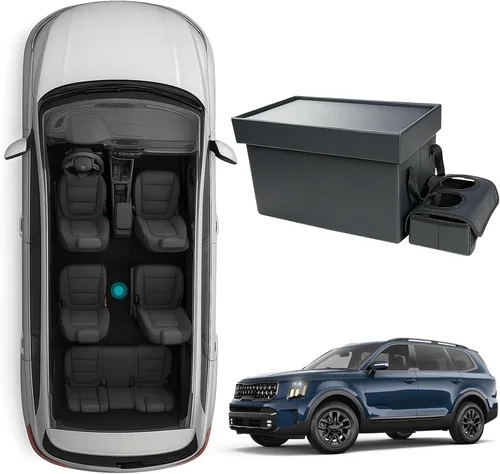
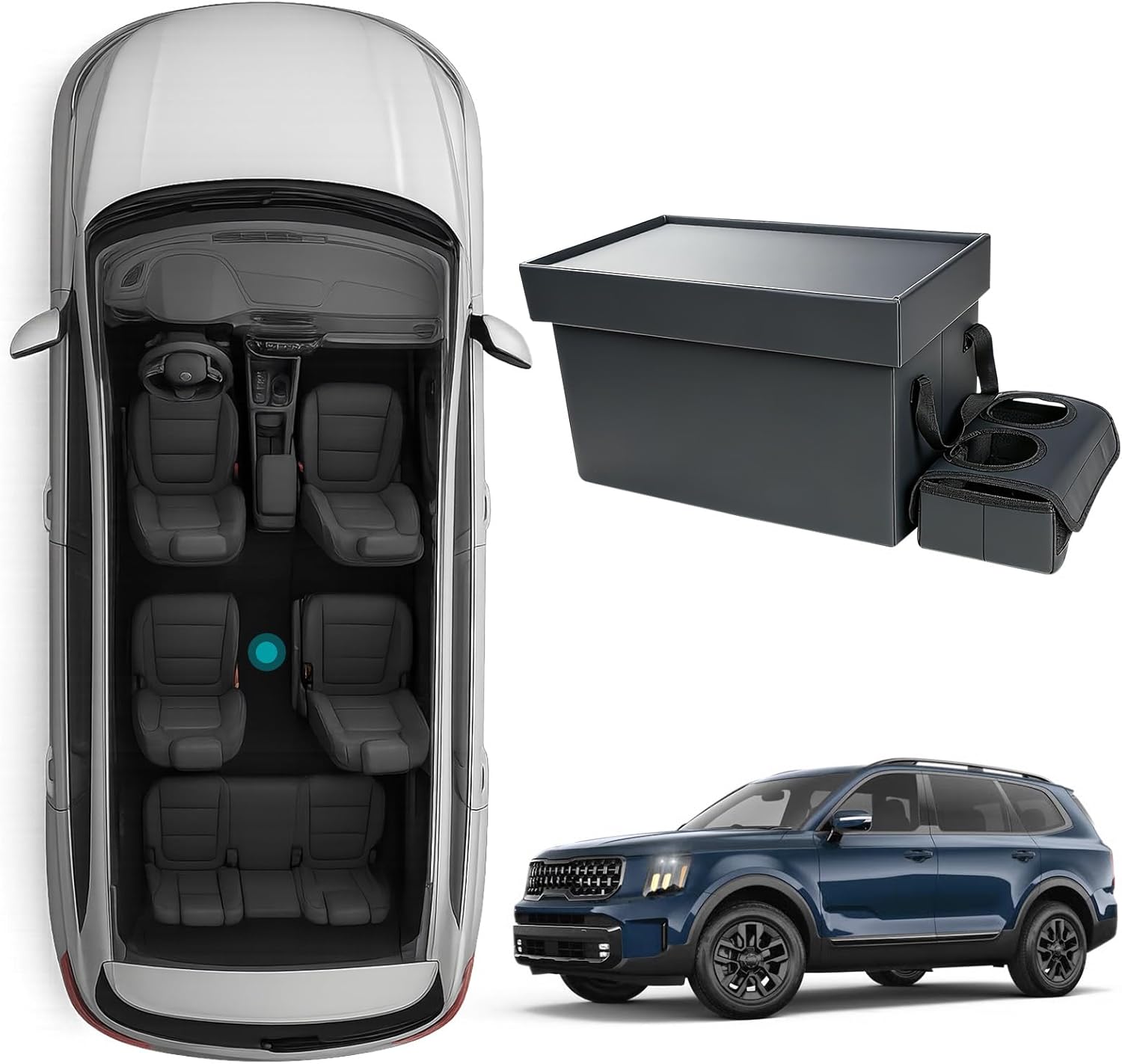
Beyond raw measurements, consider seat design. Are the cushions supportive, or do they feel like thin pads? Can the seats recline slightly for long drives? Is there adequate footwell space, or are feet forced under the second-row seats? Some SUVs, like the Kia Telluride and Hyundai Palisade, feature stadium-style seating where each row is slightly elevated, improving visibility and comfort. Others, like the Ford Explorer, have flatter floors but less generous legroom. Always test the third row yourself—sit in it, adjust the second row, and see how easy it is to access. If you have to contort yourself to get in, your passengers will too.
2. Ease of Access to the Third Row
Even the most spacious third row is useless if it’s a hassle to reach. Most three-row SUVs use either a tilt-and-slide second-row bench or captain’s chairs with a walk-through aisle. Captain’s chairs generally provide easier access, especially for children or those with mobility concerns, but they reduce total seating capacity from eight to seven. Bench seats allow more passengers but often require squeezing between seats or folding mechanisms that can be stiff or awkward.
Look for models with one-touch second-row mechanisms—buttons or levers that automatically slide and tilt the seats forward. The Honda Pilot and Mazda CX-90 excel here, offering smooth, power-operated access. Avoid vehicles where you must manually lift and shift heavy seat sections—it’s frustrating, especially when loading kids or groceries. Also consider door opening width: wider rear doors make entry and exit significantly easier, particularly in tight parking spots.
3. Cargo Space with Third Row In Use
A common trade-off with three-row SUVs is cargo capacity. When all seats are up, trunk space shrinks dramatically. For example, the Toyota Highlander offers just 16 cubic feet behind the third row—enough for a few grocery bags but not much else. In contrast, the Chevrolet Suburban provides a generous 41 cubic feet, making it ideal for families who need both passenger and hauling versatility.
Consider your typical cargo needs. If you frequently transport strollers, sports gear, or luggage for multiple people, prioritize models with at least 20–25 cubic feet behind the third row. Fold-flat third rows (and ideally second rows) are essential for maximizing utility. The Subaru Ascent and Volkswagen Atlas both feature nearly flat load floors when all rear seats are folded, creating a cavernous cargo area. Don’t forget side storage: some SUVs include underfloor compartments or rear cargo nets for organizing smaller items.
4. Safety Ratings & Driver Assistance Features
With more passengers comes greater responsibility—and risk. Always check third-party safety ratings from the National Highway Traffic Safety Administration (NHTSA) and the Insurance Institute for Highway Safety (IIHS). Top performers like the Volvo XC90, Genesis GV80, and Acura MDX consistently earn “Top Safety Pick+” awards thanks to robust structures, advanced airbag systems, and comprehensive crash avoidance tech.
Modern driver assistance suites should include automatic emergency braking, blind-spot monitoring, rear cross-traffic alert, lane-keeping assist, and adaptive cruise control. For families, features like rear occupant alerts (which remind you to check the back seat) and built-in rear-seat reminders are invaluable. The Hyundai Palisade, for instance, includes a “Safe Exit Assist” system that warns passengers if it’s unsafe to open doors due to approaching traffic. These aren’t luxuries—they’re essential safeguards when transporting loved ones.
5. Fuel Efficiency & Powertrain Options
Three-row SUVs are inherently heavy, which impacts fuel economy. However, advancements in hybrid technology and turbocharged engines have narrowed the gap. The Toyota Highlander Hybrid, for example, achieves up to 36 mpg combined—remarkable for a vehicle of its size. Meanwhile, traditional V6 engines (like those in the Ford Explorer or Dodge Durango) offer strong towing but consume significantly more fuel.
Consider your driving habits. If you do mostly city commuting, a hybrid or plug-in hybrid (PHEV) like the Mitsubishi Outlander PHEV or upcoming Lexus TX PHEV may save you hundreds annually on gas. For highway cruising or towing trailers, a turbocharged four-cylinder or mild-hybrid V6 (like the Mazda CX-90’s 3.3L inline-six) balances power and efficiency. Avoid large-displacement V8s unless you regularly tow over 7,000 pounds—they’re thirsty and increasingly rare due to emissions regulations.
6. Interior Quality & Technology
Spending hours in traffic or on road trips means interior comfort and tech matter more than ever. Look for soft-touch materials, intuitive infotainment systems, and quiet cabins. The Genesis GV80 and Lincoln Aviator set high bars with premium leather, real wood trim, and whisper-quiet insulation. Even mainstream models like the Kia Telluride now offer upscale interiors rivaling luxury brands.
Infotainment should be user-friendly, with Apple CarPlay, Android Auto, and responsive touchscreens (ideally 10 inches or larger). Wireless connectivity is a must for 2026. Rear-seat entertainment options—such as dual screens, HDMI inputs, or streaming via built-in Wi-Fi—can be lifesavers on long drives. USB-C ports throughout the cabin ensure devices stay charged. Avoid systems with laggy interfaces or buried menus; simplicity enhances safety by reducing driver distraction.
7. Towing Capacity & Off-Road Capability
If you plan to tow boats, campers, or trailers, towing capacity becomes a key differentiator. Most three-row SUVs range from 3,500 to 8,000 pounds. The Ford Expedition and Chevrolet Tahoe lead the pack with up to 8,400 and 8,600 pounds respectively, thanks to robust frames and available towing packages. The Toyota Highlander maxes out around 5,000 pounds—sufficient for small trailers but not heavy loads.
For off-road enthusiasts, consider models with terrain management systems, all-wheel drive with low-range gearing, and increased ground clearance. The Jeep Grand Cherokee L offers Quadra-Drive II and up to 10.8 inches of ground clearance, making it one of the few three-row SUVs capable of serious trail use. Most others, like the Honda Pilot or Mazda CX-90, are optimized for paved roads and light gravel—fine for weekend adventures but not rock crawling.
8. Reliability & Long-Term Ownership Costs
No one wants surprise repair bills or frequent dealership visits. Reliability data from sources like J.D. Power, Consumer Reports, and RepairPal can reveal which brands and models hold up best over time. Toyota, Lexus, and Honda consistently rank at the top for long-term dependability, while some European and American brands show higher maintenance costs after the warranty expires.
Factor in depreciation, insurance rates, and scheduled maintenance. Hybrids often have lower fuel costs but may require specialized servicing. Extended warranties can provide peace of mind, especially for luxury models with complex electronics. Always review the manufacturer’s bumper-to-bumper and powertrain coverage—some, like Hyundai and Kia, offer 10-year/100,000-mile warranties that significantly reduce long-term risk.