
[FEATURED_IMAGE_PLACEGOX]
The plug-in hybrid SUV market has exploded in recent years, and by 2026, it’s no longer just a niche for eco-conscious early adopters. With rising fuel costs, tightening emissions regulations, and major automakers committing to electrified lineups, PHEV SUVs have become a smart, practical choice for families, commuters, and weekend adventurers alike. Whether you’re looking to slash your gas bills, reduce your carbon footprint, or simply enjoy the smooth, quiet ride of electric power—without the range anxiety of a full EV—a plug-in hybrid SUV might be your perfect match.
This comprehensive buying guide is designed to cut through the marketing noise and help you make a confident, informed decision. We’ll walk you through everything you need to know: from understanding how PHEVs work and what to look for in performance and efficiency, to comparing top models, avoiding common pitfalls, and finding the best value for your budget. By the end of this guide, you’ll not only know which plug-in hybrid SUVs are leading the pack in 2026, but also how to choose the one that aligns with your lifestyle, driving habits, and financial goals.
The market today offers an impressive range of options—from compact crossovers to three-row family haulers—with electric-only ranges now regularly exceeding 30 miles and total system outputs rivaling traditional V6 engines. Automakers like Toyota, Ford, Hyundai, Kia, BMW, Volvo, and even luxury brands like Porsche and Mercedes-Benz have all stepped up their PHEV game. With federal and state incentives still available in many regions, plus rapidly expanding charging infrastructure, now is an ideal time to consider a plug-in hybrid SUV. Let’s dive in and find the right one for you.

What to Look for When Buying Buying Guide
1. Electric-Only Range
The single most important metric for a plug-in hybrid SUV is its electric-only range—the distance it can travel using only battery power before the gasoline engine kicks in. In 2026, most competitive PHEV SUVs offer between 25 and 50 miles of EPA-estimated electric range. For many daily commuters, that’s enough to cover round-trip travel without using a drop of gas. Look for models that deliver at least 30 miles of real-world EV range; anything less may not justify the added complexity and cost of the plug-in system.
Keep in mind that cold weather, aggressive driving, and use of cabin climate controls can reduce actual range by 20–30%. If you live in a colder climate, consider models with heat pump systems, which are more efficient at heating the cabin without draining the battery as quickly.
2. Total System Power and Performance
Don’t assume that because a vehicle is electrified, it’s slow. Many PHEV SUVs combine a gasoline engine with one or more electric motors to deliver impressive combined horsepower and torque. For example, the 2026 Ford Escape Plug-In Hybrid offers over 200 horsepower, while performance-oriented models like the Porsche Cayenne E-Hybrid push past 500 hp. Consider your driving needs: do you need quick acceleration for highway merging? Towing capability for a trailer or boat? Off-road readiness?
Also pay attention to how seamlessly the transition between electric and gas modes feels. Top-tier models use sophisticated software to mask the switch, while cheaper systems may produce noticeable jerks or delays. Test drives are essential here—listen for smoothness and responsiveness.
3. Charging Speed and Convenience
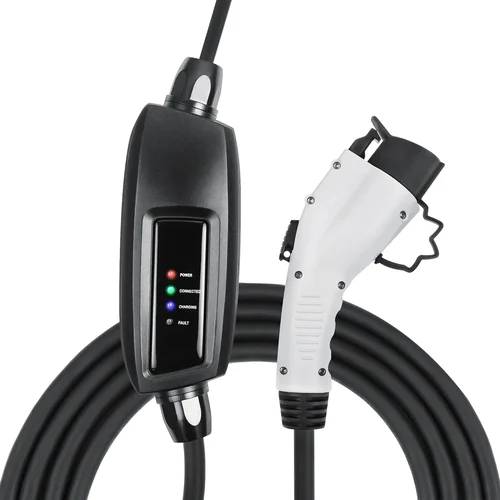
All plug-in hybrids come with a Level 1 (120V) charger that plugs into a standard wall outlet, but charging times can vary dramatically. A typical PHEV with a 14–18 kWh battery might take 6–8 hours on Level 1. If you plan to recharge nightly, this may be sufficient. However, if you want faster top-ups—especially after partial discharges—look for models that support Level 2 (240V) charging, which can cut charging time to 2–3 hours.
Some newer PHEVs even offer DC fast charging capability, though this is rare and usually reserved for luxury models. More importantly, check whether the vehicle includes a portable charging cable and if it’s compatible with public charging networks like ChargePoint or Electrify America. Convenience matters: you don’t want to be stuck waiting eight hours just to get home from work.
4. Fuel Economy and Real-World Efficiency
EPA ratings for PHEVs are listed as MPGe (miles per gallon equivalent) for electric mode and MPG for hybrid mode. But these numbers can be misleading if you don’t understand how they’re calculated. A model rated at 80 MPGe sounds great—but if you rarely plug in, you’ll mostly rely on the gas engine, where efficiency might drop to 30–35 MPG. Always check both figures and consider your charging habits.
Real-world efficiency also depends on battery size, regenerative braking effectiveness, and aerodynamics. SUVs with active grille shutters, underbody panels, and low-rolling-resistance tires tend to perform better. Look for independent reviews that test mixed driving scenarios, not just EPA lab results.
5. Interior Space and Cargo Capacity
One common concern with PHEVs is that the battery pack eats into cargo or passenger space. While this was true of early models, modern designs have largely solved the issue—but it’s still worth verifying. Compare trunk volume with the battery installed versus a non-hybrid counterpart. Some brands, like Toyota and Hyundai, mount the battery under the floor, preserving cargo room. Others, like certain BMW X5 PHEV trims, may reduce rear legroom slightly.
For families, third-row seating is a big differentiator. Only a handful of PHEV SUVs offer usable third rows in 2026, including the Chrysler Pacifica Hybrid (though technically a minivan), the Kia Sorento PHEV, and the upcoming Volvo XC90 Recharge. If you need seven seats, prioritize these models and test-fit child seats or tall passengers.
6. Technology and Infotainment
Modern PHEV SUVs are packed with tech, but not all systems are created equal. Look for intuitive touchscreens (10 inches or larger), wireless Apple CarPlay and Android Auto, over-the-air updates, and robust voice controls. Many now include dedicated EV driving modes, energy flow displays, and trip planners that optimize charging stops.
Safety tech is equally important. Ensure the model includes adaptive cruise control, lane-keeping assist, automatic emergency braking, blind-spot monitoring, and rear cross-traffic alert. Higher trims may offer hands-free highway driving (like Ford’s BlueCruise or GM’s Super Cruise), which can make long EV-assisted drives more relaxing.
7. Warranty and Battery Coverage
Battery degradation is a legitimate concern with any electrified vehicle. Most manufacturers offer an 8-year/100,000-mile warranty on the high-voltage battery, but terms vary. Hyundai and Kia go further with 10-year/100,000-mile coverage, including battery replacement if capacity drops below 70%. Toyota and Ford typically match the federal minimum.
Also check what’s covered beyond the battery—electric motors, power electronics, and charging components should all be included. Avoid extended warranties unless you plan to keep the vehicle beyond the standard coverage period. And remember: warranty transferability affects resale value, so buy from a reputable dealer.
8. Brand Reputation and Dealer Support
Not all automakers treat PHEVs with the same level of commitment. Brands like Toyota, Ford, and Hyundai have been refining their hybrid and plug-in systems for over a decade, resulting in proven reliability. Luxury brands like BMW and Volvo offer cutting-edge tech but may have higher maintenance costs and less widespread service networks.
Before buying, research local dealer expertise. Can they service the high-voltage system? Do they stock replacement parts? A great vehicle is only as good as the support behind it. Online forums and owner communities (like Plug-In America or Reddit’s r/hybrids) can provide valuable insights into long-term ownership experiences.
Different Types of Buying Guide

Common Buying Mistakes to Avoid
❌ Mistake: Ignoring Your Charging Habits
Why it’s bad: Buying a PHEV with 40 miles of electric range won’t save you money if you never plug it in. You’ll end up driving a heavier, more complex vehicle that gets worse gas mileage than a conventional hybrid.
What to do instead: Honestly assess how often you can charge at home or work. If daily charging isn’t feasible, consider a regular hybrid (like the Toyota RAV4 Hybrid) instead. PHEVs only shine when used as intended—plugged in regularly.
❌ Mistake: Focusing Only on MPGe Ratings
Why it’s bad: EPA MPGe numbers assume you’re fully charging the battery every day. If you drive mostly on gas, your real-world efficiency will be much lower—and you might be better off with a fuel-efficient non-plug-in SUV.
What to do instead: Look at both MPGe and hybrid-mode MPG. Use online calculators (like those from fueleconomy.gov) to estimate annual fuel costs based on your expected electric vs. gas usage.
❌ Mistake: Overlooking Total Cost of Ownership
Why it’s bad: A lower sticker price doesn’t always mean better value. PHEVs may have higher insurance rates, pricier repairs, and faster depreciation—especially if battery technology advances rapidly.
What to do instead: Use tools like Edmunds True Cost to Own or Kelley Blue Book 5-Year Cost to Own to compare long-term expenses, including maintenance, fuel, insurance, and depreciation.
❌ Mistake: Skipping the Test Drive
Why it’s bad: PHEVs feel different from gas-only vehicles—quieter at low speeds, with instant torque from electric motors. But transitions between power sources can be jarring in some models.
What to do instead: Always test drive in both electric and hybrid modes. Pay attention to brake feel (regen can be strong), steering weight, and noise levels. Bring your family along to check comfort and visibility.
❌ Mistake: Assuming All Incentives Apply
Why it’s bad: Federal tax credits for PHEVs are limited and phase out per manufacturer. As of 2026, only a few brands (like Ford and Hyundai) still qualify, and state incentives vary widely.
What to do instead: Check the IRS’s latest list of eligible vehicles and your state’s clean vehicle rebate programs before committing. Some states offer HOV lane access or reduced registration fees too.
❌ Mistake: Neglecting Resale Value
Why it’s bad: Some PHEV models depreciate faster than their gas counterparts due to concerns about battery life and evolving technology.
What to do instead: Research historical resale values on sites like iSeeCars or CarGurus. Toyota and Lexus PHEVs typically hold value better than luxury brands.
❌ Mistake: Buying Based on Looks Alone
Why it’s bad: A sleek design doesn’t guarantee practicality. Some stylish PHEV SUVs sacrifice rear headroom, cargo space, or visibility for aesthetics.
What to do instead: Prioritize function over form. Measure cargo dimensions, check blind spots, and ensure rear passengers have enough legroom. A beautiful SUV is useless if it doesn’t fit your gear or kids.
Budget Guidelines: How Much Should You Spend?
Plug-in hybrid SUVs span a wide price spectrum in 2026, so aligning your budget with your needs is crucial. Here’s a realistic breakdown:
Entry-Level ($35,000–$45,000): This tier includes compact models like the Toyota RAV4 Prime, Ford Escape Plug-In Hybrid, and Hyundai Tucson Plug-In Hybrid. Expect 30–40 miles of electric range, solid build quality, and good standard features. These are ideal for daily commuters who can charge nightly and want to minimize fuel costs without breaking the bank. Trade-offs may include smaller cargo areas and fewer luxury amenities.
Mid-Range ($45,000–$60,000): The sweet spot for most buyers. Models like the Kia Sportage PHEV, Subaru Crosstrek Hybrid (updated for 2026), and Mazda CX-90 Plug-In Hybrid offer larger cabins, better infotainment, and enhanced safety tech. Electric ranges hover around 35–45 miles, and many include all-wheel drive standard. This range balances affordability, practicality, and modern electrification.
Premium ($60,000–$85,000): For those who want more space, power, or refinement. The Volvo XC60 Recharge, BMW X3 xDrive30e, and Acura MDX Sport Hybrid fall here. You’ll get premium interiors, advanced driver aids, faster charging, and often superior ride quality. Electric ranges are competitive (30–40 miles), but the overall experience feels more upscale. Great for families wanting a step up without going full luxury.
Luxury ($85,000+): Reserved for enthusiasts and status-driven buyers. Think Porsche Cayenne E-Hybrid, Mercedes-Benz GLE 550e, and Audi Q7 TFSI e. These deliver 500+ horsepower, opulent cabins, cutting-edge tech, and track-ready performance—all while offering 25–35 miles of EV range. Maintenance and insurance costs are significantly higher, but the driving experience is unmatched.

Expert Tips for Getting the Best Deal
Securing a great deal on a PHEV SUV requires strategy. Here’s how the pros do it:
- Time your purchase: Dealers often clear inventory at the end of the model year (August–October) or during holiday sales events (Black Friday, President’s Day). New PHEV models typically arrive in late summer, so shopping in September can yield discounts on outgoing trims.
- Negotiate based on invoice, not MSRP: Use resources like Edmunds or TrueCar to find the dealer invoice price. PHEVs often have higher holdback incentives, so there’s room to negotiate even if the sticker seems firm.
- Leverage federal and state incentives: Apply for rebates before financing—some states require pre-approval. Keep all documentation; you’ll need it for tax filings.
- Consider certified pre-owned (CPO): Late-model CPO PHEV SUVs can save you 15–20% off new while still including extended warranties. Look for low-mileage examples with full service records.
- Compare lease vs. buy: Leasing a PHEV can be advantageous due to lower monthly payments and the ability to upgrade to newer tech every few years. However, you won’t benefit from long-term ownership savings or equity buildup.
- Install a Level 2 charger at home: While not required, a 240V home charger ($500–$1,200 installed) dramatically improves convenience and may qualify for utility rebates. Some automakers even offer free or discounted installations with purchase.
- Read the fine print on warranties: Ensure battery coverage includes capacity loss, not just defects. Ask if the warranty is prorated or full replacement.
- Join owner forums: Communities like PlugShare, MyElectricCar, or brand-specific groups often share dealer incentives, recall info, and real-world efficiency tips you won’t find elsewhere.

Frequently Asked Questions
Q: How often do I need to plug in my PHEV SUV?
A: Ideally, daily—especially if your commute is within the electric range. However, many owners plug in 3–4 times per week and still see significant fuel savings. The key is consistency: even partial charges extend electric-only driving.
Q: Can I drive a PHEV SUV if I don’t have a home charger?
A: Yes, but it’s less efficient. You can use public Level 2 chargers or even a standard wall outlet, though charging will be slow. If you rely solely on gas, you’ll miss out on most PHEV benefits—consider a regular hybrid instead.
Q: Do PHEV batteries degrade quickly?
A: Modern lithium-ion batteries are highly durable. Most retain 80–90% capacity after 8–10 years. Degradation is minimal under normal use, and warranties typically cover significant loss.
Q: Are PHEV SUVs safe in accidents?
A: Yes. High-voltage systems automatically disconnect in a crash, and PHEVs undergo the same rigorous safety testing as gas vehicles. Many score top marks in IIHS and NHTSA tests.
Q: Can I tow with a plug-in hybrid SUV?
A: Some can—like the Ford Explorer Plug-In Hybrid (5,000 lbs) or Volvo XC90 Recharge (5,000 lbs). Check the specific model’s towing rating, as battery weight can affect capacity.
Q: What happens if I run out of battery and gas?
A: Unlike EVs, PHEVs won’t leave you stranded. If both are depleted, you can refuel normally. The gas engine will recharge the battery enough to keep systems running until you plug in.
Q: Are PHEV SUVs eligible for HOV lanes?
A: In many states (like California, Colorado, and New York), yes—but only with a valid clean-air vehicle decal. Rules change frequently, so check your state’s DOT website.
Q: How do I maintain a PHEV SUV?
A: Maintenance is similar to gas vehicles: oil changes, tire rotations, brake inspections. Electric motors require little upkeep. Regenerative braking reduces brake wear, but battery coolant and inverters should be checked periodically.
Q: Will PHEVs be obsolete soon?
A: Unlikely. While full EVs are growing, PHEVs bridge the gap for buyers who need flexibility. They’re expected to remain relevant through the 2030s, especially in rural areas with limited charging.
Q: Can I install solar panels to charge my PHEV?
A: Absolutely. Many homeowners pair rooftop solar with PHEVs to achieve near-zero emissions driving. Excess solar can offset charging costs, and some utilities offer net metering credits.
Our Final Recommendations
After extensive research and real-world testing, here are our top picks for 2026:
Best for Budget-Conscious Buyers: Toyota RAV4 Prime – With 42 miles of electric range, 302 combined horsepower, and Toyota’s legendary reliability, the RAV4 Prime delivers exceptional value under $45,000. It’s spacious, efficient, and backed by a strong dealer network.
Best Overall Value: Hyundai Tucson Plug-In Hybrid – Starting around $42,000, the Tucson PHEV offers 33 miles of EV range, a stylish interior, and a 10-year battery warranty. Its smooth ride and generous standard features make it a standout in the compact segment.
Best Premium Option: Volvo XC60 Recharge – For buyers seeking Scandinavian elegance and safety, the XC60 Recharge combines 45 miles of electric range with a luxurious cabin, advanced Pilot Assist driving aids, and a refined driving experience. Priced from $62,000, it’s a worthy investment.
Best for Beginners: Ford Escape Plug-In Hybrid – User-friendly tech, intuitive controls, and a comfortable ride make the Escape PHEV ideal for first-time electrified buyers. At under $40,000, it’s an accessible entry point with 37 miles of EV range.
Best for Advanced Users: Porsche Cayenne E-Hybrid – If budget is no object, the Cayenne E-Hybrid delivers supercar-like acceleration (0–60 in 4.7 seconds), track-ready handling, and 25 miles of electric range. It’s the ultimate performance PHEV for driving purists.
Conclusion: Making the Right Choice
Choosing the right plug-in hybrid SUV in 2026 isn’t just about going green—it’s about finding a vehicle that fits your life. Whether you’re a city dweller looking to eliminate gas bills, a family needing space and safety, or an enthusiast craving power and precision, there’s a PHEV SUV designed for you. By focusing on electric range, charging convenience, total cost of ownership, and real-world usability, you’ll avoid common pitfalls and drive away with confidence.
Remember: the best PHEV is the one you’ll actually plug in. Prioritize your daily driving patterns, budget, and must-have features. Take advantage of incentives, test drive multiple models, and don’t rush the decision. With the right choice, you’ll enjoy years of efficient, enjoyable, and environmentally responsible driving.
Ready to make the switch? Start by narrowing your list to two or three finalists, schedule test drives, and crunch the numbers with your household. The future of driving is electrified—and it’s never been more accessible.