

Finding the right SUV as a senior isn’t just about comfort—it’s about confidence, safety, and independence. As we age, our driving needs evolve. We want vehicles that are easy to get in and out of, offer excellent visibility, provide smooth handling, and come loaded with advanced safety features that give both drivers and their families peace of mind. Whether you’re navigating city streets, taking weekend road trips, or simply running errands around town, the right SUV can make all the difference in maintaining an active, fulfilling lifestyle.
This comprehensive buying guide is designed specifically for older drivers and their families who are looking to make an informed decision in 2026. We’ll walk you through every critical factor—from entry height and seat adjustability to infotainment usability and long-term reliability. You’ll learn how to evaluate models based on real-world usability, not just flashy specs or marketing buzzwords. With so many SUVs on the market today—ranging from compact crossovers to full-size luxury rigs—it’s easy to feel overwhelmed. But by focusing on what truly matters for seniors, you can narrow your options and find a vehicle that fits your lifestyle, budget, and physical needs.
The SUV market in 2026 is more diverse than ever, with automakers prioritizing accessibility, driver-assist technology, and user-friendly interiors. From hybrid powertrains that improve fuel efficiency to adaptive cruise control that reduces fatigue on long drives, modern SUVs are engineered with aging drivers in mind. This guide cuts through the noise to deliver expert insights, practical advice, and honest recommendations tailored to seniors. Whether you’re buying new or used, leasing or purchasing outright, you’ll walk away with the knowledge to choose wisely.

What to Look for When Buying Buying Guide
1. Ease of Entry and Exit
One of the most overlooked yet crucial factors for senior drivers is how easy it is to get in and out of the vehicle. As flexibility and joint mobility may decrease with age, a high step-in height or low seating position can turn daily driving into a chore. Look for SUVs with a moderate ground clearance—typically between 6.5 and 8 inches—and seats that sit at least 20 inches above the ground. This height allows for a natural sitting posture without requiring excessive bending or lifting.
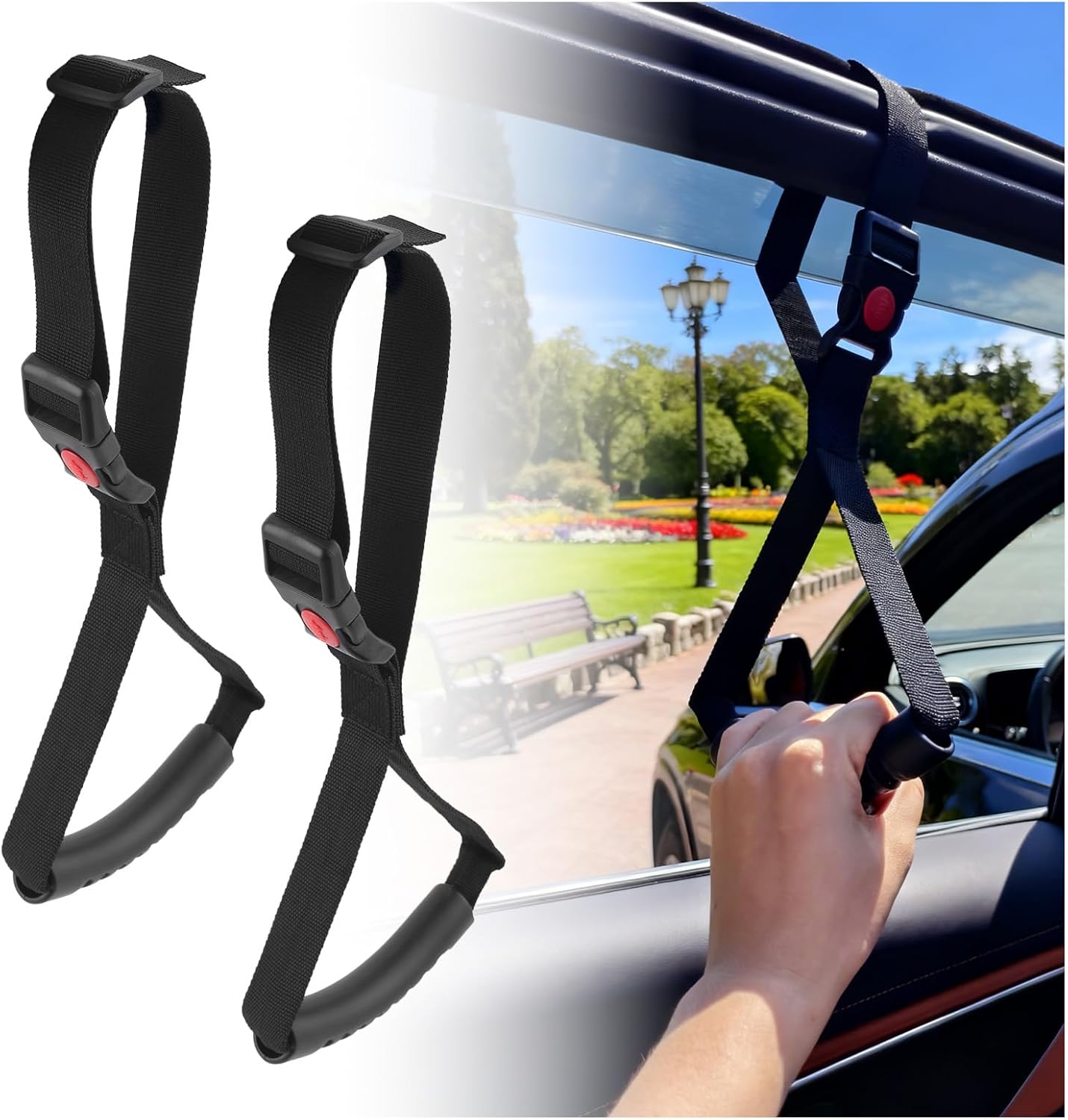
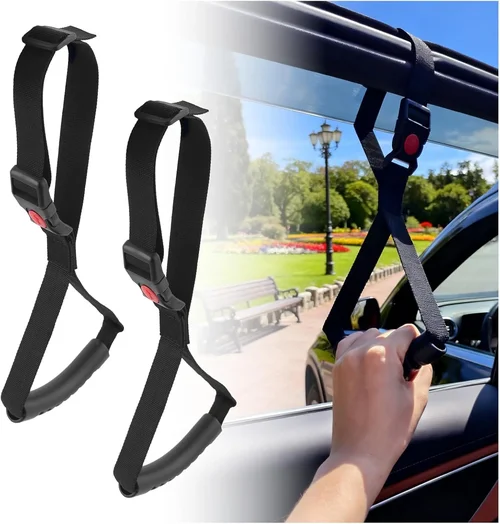
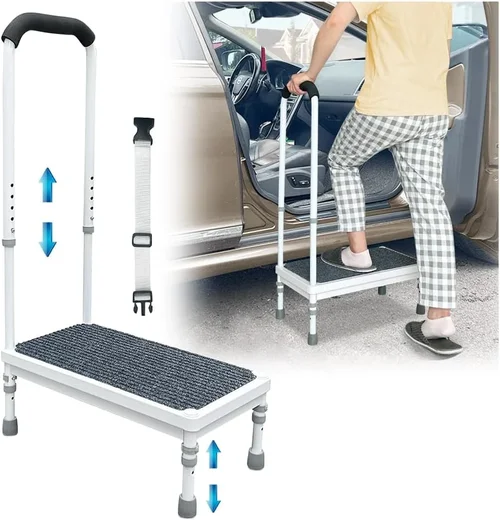
Pay attention to door opening angles, too. Wider doors (ideally opening to 70 degrees or more) make it easier to slide in and out, especially for those using canes or walkers. Additionally, check for grab handles near the door frames and B-pillars—these provide extra support when entering or exiting. Some newer models even feature power-operated running boards that extend when the doors open, offering a helpful stepping surface.
Seat design matters just as much. Opt for vehicles with firm, supportive cushions that don’t sink too deeply, making it harder to stand up. Memory foam or adaptive lumbar support can enhance comfort, but avoid overly plush seats that lack structure. Heated and ventilated seats are nice bonuses, especially in extreme climates, but ensure the controls are intuitive and within easy reach.
2. Visibility and Blind Spot Management
Good visibility is non-negotiable for safe driving, especially as depth perception and peripheral vision may decline with age. Choose an SUV with large windows, slim roof pillars, and a high seating position that gives you a commanding view of the road. Avoid models with thick A-pillars or rear pillars that create dangerous blind spots.
Modern blind spot monitoring systems are essential. Look for systems that use visual alerts on side mirrors, audible warnings, or even haptic feedback (vibrations in the steering wheel or seat). Some advanced systems can detect vehicles in adjacent lanes during lane changes and apply gentle corrective steering if you attempt to merge into occupied space.
Rearview cameras are now standard on all new vehicles, but not all are created equal. High-resolution displays with dynamic guidelines (that move as you turn the wheel) make parking and reversing much easier. Consider models with 360-degree camera systems, which stitch together images from multiple cameras to give a bird’s-eye view of your surroundings—ideal for tight parking spots or navigating driveways.
Side mirrors should be large and well-positioned. Some SUVs offer auto-dimming mirrors to reduce glare at night, while others include power-folding mirrors that retract when parked, preventing damage in narrow spaces.
3. Comfortable and Adjustable Seating
Long drives shouldn’t mean back pain or stiffness. Senior drivers benefit greatly from seats that offer multiple adjustment options—including lumbar support, thigh extension, and tilt. Power-adjustable seats with memory settings are ideal, allowing you to save your preferred position and easily return to it after someone else drives the car.
Look for seats with wide cushions and bolsters that aren’t too aggressive. Overly contoured seats can press into the hips or thighs, causing discomfort over time. Leather or premium fabric upholstery is preferable to cheap materials that wear quickly or become slippery when wet.
Heated and cooled seats are more than just luxuries—they can help soothe aching joints or keep you comfortable in hot weather. Ensure the climate controls are easy to use, with large buttons or clear touchscreen menus. Voice-activated climate control is a bonus, reducing the need to fiddle with knobs while driving.
For passengers, consider second-row seating that’s also comfortable and accessible. Sliding rear seats allow you to adjust legroom based on who’s riding along, and reclining backrests add extra comfort on longer trips.
4. User-Friendly Technology and Controls
Infotainment systems have come a long way, but not all are senior-friendly. Avoid overly complex menus, tiny touchscreen buttons, or systems that require multiple steps to perform basic functions like making a phone call or changing the radio station.
Look for SUVs with large, high-resolution touchscreens (8 inches or larger) that respond quickly to touch. Physical buttons for essential functions—like volume, climate control, and hazard lights—are still valuable, as they’re easier to locate by feel than touchscreen icons.
Apple CarPlay and Android Auto are must-haves, as they mirror your smartphone’s interface on the dashboard, making navigation, music, and messaging familiar and straightforward. Voice recognition systems like Siri, Google Assistant, or built-in automaker assistants (e.g., Toyota’s Voice Command) allow you to control functions hands-free, reducing distractions.
Avoid systems that require constant software updates or have glitchy interfaces. Read owner reviews to see how reliable the tech is over time. A system that works flawlessly at the dealership may become frustrating after a few months of daily use.
5. Advanced Safety Features
Safety is paramount for senior drivers, who may have slower reaction times or reduced night vision. Modern SUVs come equipped with a suite of driver-assist technologies that can prevent accidents before they happen.
Key features to look for include:
– Forward Collision Warning (FCW) with Automatic Emergency Braking (AEB): Detects potential front-end collisions and applies the brakes if you don’t react in time.
– Lane Departure Warning (LDW) and Lane Keeping Assist (LKA): Alerts you if you drift out of your lane and can gently steer you back.
– Adaptive Cruise Control (ACC): Maintains a set speed and distance from the car ahead, reducing fatigue on highways.
– Blind Spot Monitoring (BSM) with Rear Cross-Traffic Alert (RCTA): Warns of vehicles in your blind spots or approaching from the side when reversing.
– Automatic High Beams: Switches between high and low beams based on traffic, improving nighttime visibility without dazzling other drivers.
These systems are especially helpful for seniors who drive less frequently or in unfamiliar areas. Many 2026 models now offer Level 2 semi-autonomous driving, combining ACC and LKA to keep the car centered and at a safe distance—ideal for highway cruising.
Check safety ratings from the National Highway Traffic Safety Administration (NHTSA) and the Insurance Institute for Highway Safety (IIHS). Look for models with “Top Safety Pick+” awards, which indicate superior crash protection and advanced safety tech.
6. Smooth and Predictable Driving Dynamics
An SUV should feel stable and predictable, not floaty or overly sensitive. Senior drivers often prefer a softer suspension that absorbs bumps and potholes, reducing jolts that can aggravate back or joint pain. However, too soft a ride can lead to body roll in corners, making the vehicle feel unstable.
Look for SUVs with adaptive suspension systems that adjust damping based on road conditions. These systems provide a comfortable ride on rough roads while firming up during quick maneuvers for better control.
Steering should be light at low speeds (for easy parking) but firm enough at highway speeds to inspire confidence. Electric power steering is common in modern SUVs and can be tuned for different driving modes—comfort, normal, and sport.
Braking performance is equally important. Test the brakes during your test drive: they should feel responsive without being grabby. Some SUVs offer brake assist systems that increase braking force during panic stops, which can be a lifesaver in emergency situations.
Avoid vehicles with overly aggressive throttle response or turbo lag, which can make smooth acceleration difficult. A naturally aspirated engine or a well-tuned turbocharged motor with linear power delivery is ideal.
7. Fuel Efficiency and Running Costs
While SUVs aren’t known for stellar fuel economy, many 2026 models offer impressive efficiency thanks to hybrid and plug-in hybrid powertrains. For seniors who may drive less frequently but still want to save on fuel, a hybrid SUV can be a smart investment.
Look for models with EPA-estimated combined fuel economy of 30 mpg or higher. Hybrid systems like Toyota’s Hybrid Synergy Drive or Ford’s Intelligent Hybrid combine a gasoline engine with an electric motor to reduce fuel consumption, especially in stop-and-go traffic.
Plug-in hybrids (PHEVs) offer even greater savings if you have access to charging. With an electric range of 20–40 miles, you can handle daily errands on electricity alone, drastically cutting fuel costs. However, PHEVs are more expensive upfront and require home charging infrastructure.
Consider total cost of ownership, including insurance, maintenance, and depreciation. Some luxury SUVs have high repair costs, while mainstream brands like Honda, Toyota, and Subaru are known for reliability and lower long-term expenses.
8. Warranty and Reliability
A strong warranty can provide peace of mind, especially if you plan to keep the SUV for many years. Most automakers offer a basic bumper-to-bumper warranty of 3 years/36,000 miles, but some go further.
Hyundai and Kia lead the industry with 5-year/60,000-mile basic warranties and 10-year/100,000-mile powertrain coverage. Toyota and Lexus also offer excellent reliability and long-term support, with many models lasting well over 200,000 miles with proper maintenance.
Check for complimentary maintenance programs, roadside assistance, and loaner car services. Some brands include free scheduled maintenance for the first few years, which can save hundreds of dollars.
Reliability matters just as much as warranty length. Consult sources like J.D. Power’s Vehicle Dependability Study, Consumer Reports’ reliability ratings, and owner forums to see how models perform over time. Avoid vehicles with known issues like transmission problems, electrical glitches, or premature wear.
Different Types of Buying Guide
Common Buying Mistakes to Avoid
❌ Mistake: Prioritizing Style Over Functionality
Why it’s bad: A sleek design or bold grille might catch your eye, but if the SUV has poor visibility, cramped seating, or confusing controls, it will quickly become frustrating to use. Seniors need practicality, not just aesthetics.
What to do instead: Focus on interior ergonomics, ease of use, and comfort. Test-drive multiple models and pay attention to how the vehicle feels in real-world conditions, not just how it looks in photos.
❌ Mistake: Ignoring the Test Drive
Why it’s bad: You can’t judge an SUV’s comfort, visibility, or driving dynamics from a brochure or website. Skipping the test drive means you might end up with a vehicle that’s difficult to operate or uncomfortable for long periods.
What to do instead: Schedule test drives with different models and drive them on various road types—city streets, highways, and parking lots. Bring a family member along to get a second opinion.
❌ Mistake: Overlooking Long-Term Costs
Why it’s bad: A low purchase price doesn’t always mean a good deal. High maintenance costs, poor fuel economy, or expensive repairs can add up over time, especially on luxury or performance-oriented SUVs.
What to do instead: Research total cost of ownership, including insurance, fuel, maintenance, and depreciation. Choose a reliable brand with a strong warranty and good resale value.
❌ Mistake: Buying Based on Dealer Pressure
Why it’s bad: Dealerships may push add-ons like extended warranties, paint protection, or VIN etching that offer little real value. These can inflate the price by thousands of dollars.
What to do instead: Be firm about your budget and needs. Only agree to add-ons that provide clear benefits, and always get quotes in writing before signing.
❌ Mistake: Choosing a Vehicle Too Big or Too Small
Why it’s bad: A full-size SUV may be hard to park and maneuver in tight spaces, while a subcompact model might lack the comfort and safety features you need. Size should match your lifestyle.
What to do instead: Consider your typical driving scenarios. If you mostly drive alone in the city, a compact or midsize SUV is likely sufficient. Only go larger if you regularly transport passengers or cargo.
❌ Mistake: Neglecting Safety Ratings
Why it’s bad: Not all SUVs offer the same level of protection in a crash. A vehicle with poor safety ratings could put you at greater risk in an accident.
What to do instead: Check NHTSA and IIHS ratings before buying. Prioritize models with high scores and advanced safety features like automatic emergency braking and lane-keeping assist.
❌ Mistake: Forgetting About Resale Value
Why it’s bad: Some SUVs depreciate quickly, meaning you’ll lose more money if you decide to sell or trade in the future. This is especially important if you plan to upgrade in a few years.
What to do instead: Choose brands and models known for strong resale value, such as Toyota, Honda, and Subaru. Avoid niche or discontinued models that may be harder to sell.
Budget Guidelines: How Much Should You Spend?
– Entry-Level ($25,000 – $35,000): What to expect…
In this range, you’ll find compact and subcompact SUVs from brands like Hyundai, Kia, Mazda, and Subaru. These vehicles offer solid reliability, basic safety features, and decent fuel economy. While they may lack luxury amenities, many include Apple CarPlay, Android Auto, and standard driver-assist tech. Ideal for budget-conscious seniors who prioritize value and low running costs.
– Mid-Range ($35,000 – $50,000): Sweet spot for most buyers…
This tier includes popular midsize SUVs like the Toyota Highlander, Honda Pilot, and Ford Explorer. You’ll get more space, better materials, and advanced features like adaptive cruise control, 360-degree cameras, and premium audio. Many models offer hybrid options, improving fuel efficiency without sacrificing performance. This range balances comfort, capability, and affordability.
– Premium ($50,000 – $75,000): For enthusiasts and professionals…
Here, you’ll find upscale SUVs from brands like Acura, Lexus, and Volkswagen. Expect higher-quality interiors, more powerful engines, and cutting-edge tech like augmented reality navigation and semi-autonomous driving. These vehicles often come with longer warranties and better customer service, making them ideal for seniors who want a refined driving experience.
– Luxury ($75,000+): Top-tier features…
Luxury SUVs from Mercedes-Benz, BMW, Audi, and Genesis offer the ultimate in comfort, performance, and technology. Features may include massaging seats, night vision, air suspension, and bespoke interiors. While these vehicles provide exceptional quality, they come with higher maintenance and insurance costs. Best for those who prioritize prestige and don’t mind the premium price tag.
Expert Tips for Getting the Best Deal
– Buy at the Right Time: Dealerships often offer the best incentives at the end of the model year (August–October) or during holiday sales events. You can also save by buying on a weekday when sales staff are less busy and more willing to negotiate.
– Shop Online First: Use tools like TrueCar, Edmunds, and Kelley Blue Book to compare prices across dealerships. Many dealers now offer online pricing and home delivery, reducing the need for in-person haggling.
– Negotiate the Out-the-Door Price: Focus on the total price, including taxes, fees, and add-ons, rather than monthly payments. This prevents dealers from hiding costs in long-term financing.
– Consider Certified Pre-Owned (CPO): CPO SUVs offer near-new condition with extended warranties at a lower price. Brands like Toyota, Honda, and Lexus have excellent CPO programs with rigorous inspections.
– Check for Senior Discounts: Some manufacturers offer special financing rates or cash-back incentives for buyers over 55. Ask your dealer about available programs.
– Read the Fine Print: Always review the contract carefully before signing. Make sure all agreed-upon terms are included and there are no hidden fees.
– Test Drive Multiple Models: Don’t settle for the first SUV you like. Compare at least three different models to ensure you’re making the best choice.
– Ask About Return Policies: Some dealers offer 3-day return policies or exchange programs. This gives you time to ensure the vehicle meets your needs.

Frequently Asked Questions
Q: What’s the best SUV for seniors with mobility issues?
A: Look for models with low step-in height, wide doors, and power-adjustable seats. The Toyota RAV4 Hybrid, Honda CR-V, and Subaru Forester are excellent choices due to their accessibility, reliability, and strong safety ratings. The Kia Sorento and Hyundai Santa Fe also offer power-running boards and spacious interiors.
Q: Are hybrid SUVs worth it for seniors?
A: Yes, especially if you drive frequently or want to save on fuel. Hybrid SUVs like the Toyota Highlander Hybrid and Ford Escape Hybrid offer excellent fuel economy (35+ mpg combined) and smooth, quiet operation. They’re also environmentally friendly and often come with tax incentives.
Q: Should I buy a new or used SUV?
A: It depends on your budget and needs. New SUVs offer the latest safety tech, full warranties, and customization options. Used or CPO SUVs provide significant savings and are often just as reliable, especially from brands like Toyota and Honda. A 1–3-year-old CPO model can be an excellent value.
Q: How important are safety ratings for seniors?
A: Extremely important. Seniors are more vulnerable in crashes due to age-related health factors. Always choose an SUV with high NHTSA and IIHS ratings, and prioritize models with advanced driver-assist features like automatic emergency braking and lane-keeping assist.
Q: Can I lease an SUV as a senior?
A: Yes, leasing can be a good option if you prefer lower monthly payments and want to drive a new vehicle every few years. However, leases come with mileage limits and wear-and-tear fees. If you drive less than 10,000 miles per year, leasing may save you money.
Q: What’s the most reliable SUV brand for seniors?
A: Toyota, Honda, and Subaru consistently rank highest in reliability and customer satisfaction. These brands offer durable vehicles with low maintenance costs and strong resale value—ideal for long-term ownership.
Q: Do I need all-wheel drive?
A: It depends on your climate. If you live in an area with snow, rain, or rough terrain, all-wheel drive (AWD) improves traction and stability. For city driving in mild climates, front-wheel drive (FWD) is usually sufficient and more fuel-efficient.
Q: How do I know if an SUV is too big for me?
A: If you struggle to see over the dashboard, have difficulty parking, or feel overwhelmed by the vehicle’s size during the test drive, it’s probably too big. Choose a model that feels manageable and comfortable in your daily driving environment.
Q: Are touchscreens hard to use for seniors?
A: Some are, but many 2026 models have improved with larger icons, voice control, and physical buttons for key functions. Test the system during your visit and ensure it’s intuitive. Apple CarPlay and Android Auto simplify navigation and communication.
Q: What’s the average lifespan of an SUV?
A: With proper maintenance, most modern SUVs last 150,000 to 200,000 miles or more. Toyota and Honda models often exceed 250,000 miles. Regular oil changes, tire rotations, and brake inspections are key to longevity.
Our Final Recommendations
– Best for Budget-Conscious Buyers: 2026 Toyota RAV4 Hybrid
With excellent fuel economy (40 mpg combined), top safety ratings, and legendary reliability, the RAV4 Hybrid offers unmatched value. Its comfortable ride, easy entry height, and intuitive tech make it ideal for seniors.
– Best Overall Value: 2026 Honda CR-V
The CR-V combines spacious interiors, smooth handling, and advanced safety features at a competitive price. Its user-friendly infotainment system and low running costs make it a top pick for daily driving.
– Best Premium Option: 2026 Lexus RX 350
For those seeking luxury without compromise, the RX 350 delivers a quiet, refined ride, premium materials, and cutting-edge safety tech. Its hybrid version offers even better efficiency.
– Best for Beginners: 2026 Subaru Forester
With standard all-wheel drive, excellent visibility, and a simple interface, the Forester is perfect for seniors new to SUVs. Its high safety ratings and rugged build inspire confidence.
– Best for Advanced Users: 2026 Acura MDX
Packed with tech like a 12.3-inch touchscreen, augmented reality navigation, and Level 2 autonomy, the MDX is ideal for tech-savvy seniors who want the latest innovations.
Conclusion: Making the Right Choice
Choosing the best SUV for seniors isn’t about finding the most powerful or luxurious vehicle—it’s about finding one that enhances your independence, safety, and comfort. By focusing on ease of use, visibility, safety features, and long-term reliability, you can make a decision that supports your lifestyle for years to come.
Remember, the perfect SUV is the one that fits your needs, not the one with the most bells and whistles. Take your time, do your research, and don’t hesitate to ask for help from family or trusted advisors. With the insights from this guide, you’re well-equipped to navigate the 2026 SUV market with confidence.
Your next vehicle should be a source of joy and freedom, not stress or frustration. Prioritize what matters most to you—whether it’s low maintenance costs, a smooth ride, or advanced safety—and choose accordingly. The right SUV is out there, waiting to take you wherever life leads next.