
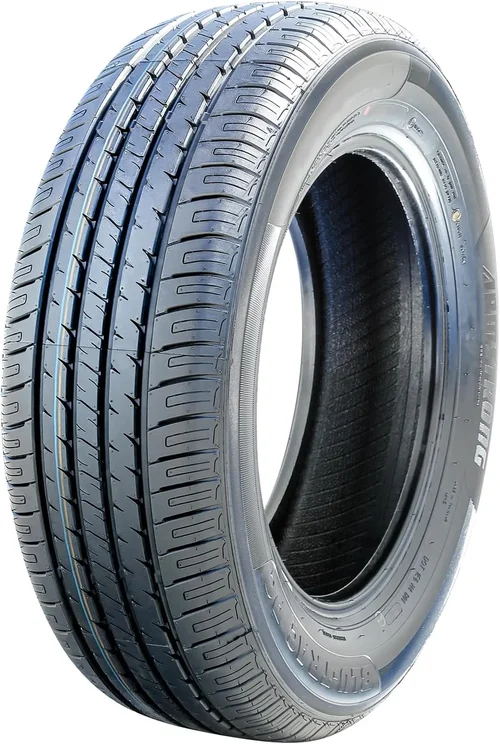
When it comes to your SUV, the tires are more than just rubber circles—they’re the only point of contact between your vehicle and the road. Whether you’re navigating city streets, cruising down highways, or tackling rugged terrain, the right set of tires can mean the difference between a smooth, safe ride and a risky, uncomfortable journey. That’s why choosing the best SUV tires isn’t just about aesthetics or brand loyalty—it’s a critical decision that affects handling, fuel efficiency, braking performance, and overall safety. With so many options flooding the market in 2026, from all-season workhorses to high-performance off-road beasts, it’s easy to feel overwhelmed.
This comprehensive buying guide is designed to cut through the noise and help you make an informed, confident decision. Whether you drive a compact crossover like a Honda CR-V or a full-size SUV like a Chevrolet Tahoe, we’ll walk you through every essential factor—from tread design and load capacity to noise levels and seasonal performance. You’ll learn how to match tire type to your driving habits, understand what specs really matter, avoid common pitfalls, and find the best value for your budget. By the end, you’ll know exactly what to look for, which brands deliver consistent quality, and how to maximize both performance and longevity.
The SUV tire market in 2026 is more diverse and technologically advanced than ever. Manufacturers are leveraging innovations in compound chemistry, tread patterns, and internal construction to deliver tires that balance comfort, durability, and capability across a wide range of conditions. From eco-friendly low-rolling-resistance models that boost fuel economy to aggressive all-terrain tires built for overlanding adventures, there’s a tire for nearly every need. However, with such variety comes complexity. Not all “all-season” tires perform equally in snow, and not every “high-performance” tire is suitable for heavy loads. This guide will help you navigate those nuances and choose tires that truly fit your lifestyle, vehicle, and driving environment.

What to Look for When Buying Buying Guide
1. Tire Type & Seasonal Performance
The first and most fundamental decision is selecting the right tire type for your climate and driving needs. SUVs are versatile vehicles, but they require tires that match their intended use. The three primary categories are all-season, summer, and winter (or snow) tires, with all-terrain and mud-terrain options for off-road enthusiasts.
All-season tires are the most popular choice for urban and suburban drivers. They offer a balanced mix of dry and wet traction, moderate snow capability, and long tread life. However, they’re a compromise—excellent in mild conditions but not optimized for extreme weather. If you live in a region with harsh winters, dedicated winter tires will provide significantly better grip, shorter braking distances, and improved control on ice and snow. Summer tires, on the other hand, deliver superior dry handling and responsiveness but become dangerously stiff and ineffective in cold temperatures.
For SUV owners who venture off the beaten path, all-terrain tires offer a middle ground between on-road comfort and off-road capability. They feature deeper treads, reinforced sidewalls, and aggressive patterns that handle gravel, dirt, and light mud. Mud-terrain tires take it further with massive lugs and open tread designs, ideal for serious off-roading—but they tend to be noisy and wear faster on pavement.
2. Load Index & Speed Rating
SUVs are heavier than sedans and often carry more cargo and passengers, so load capacity is a critical factor. Every tire has a load index—a numerical code that indicates the maximum weight it can safely support. For example, a load index of 110 corresponds to 1,060 pounds per tire. You’ll find this number on the tire sidewall, usually next to the size (e.g., 265/60R18 110H).
Always choose tires that meet or exceed your vehicle’s recommended load index, which you can find in your owner’s manual or on the driver’s side door jamb sticker. Overloading tires can lead to overheating, blowouts, and reduced handling. This is especially important for larger SUVs like the Ford Expedition or Toyota Sequoia, which can weigh over 6,000 pounds fully loaded.
Speed rating, denoted by a letter (e.g., H, V, W), indicates the maximum speed the tire can sustain under load. While most SUVs don’t reach these speeds, the rating also correlates with tire construction and performance characteristics. Higher speed ratings (like V or W) often mean better handling and responsiveness, but may come with a trade-off in ride comfort or tread life. Match the speed rating to your vehicle’s capabilities—most SUVs are designed for H (130 mph) or V (149 mph) ratings.
3. Tread Life & Warranty
Tread life determines how long your tires will last before needing replacement, and it’s one of the biggest factors in long-term value. Manufacturers provide a treadwear rating—a relative number compared to a baseline tire. For example, a tire with a treadwear rating of 600 should last twice as long as one rated 300, assuming similar driving conditions.
However, treadwear ratings aren’t standardized across brands, so they’re best used for comparison within the same manufacturer’s lineup. Real-world tread life depends on driving habits, road conditions, alignment, and maintenance. Aggressive driving, frequent short trips, and poor inflation habits can drastically reduce tire life.
Most reputable tire brands offer mileage warranties—typically ranging from 40,000 to 80,000 miles. These warranties guarantee that the tire will last a certain distance or you’ll receive a prorated refund. For example, if a 60,000-mile tire wears out at 45,000 miles, you may get credit toward a new set. Always read the fine print: warranties often exclude damage from punctures, improper inflation, or off-road use.
4. Ride Comfort & Noise Levels
SUVs are known for their spacious interiors and smooth rides, but poor tire choice can ruin that experience. Tire noise—especially road roar and tread whine—can become a constant annoyance on long drives. Factors like tread pattern, rubber compound, and internal construction all influence noise levels.
All-season and touring tires are generally the quietest, designed with noise-reducing features such as variable pitch tread blocks and sound-absorbing foam liners. Performance and off-road tires tend to be louder due to aggressive tread designs and stiffer sidewalls. If you prioritize a quiet cabin, look for tires marketed as “quiet” or “comfort-focused.”
Ride comfort is also affected by sidewall height and tire stiffness. Taller sidewalls (found on higher aspect ratio tires like 65 or 70) absorb more road imperfections, providing a smoother ride. Low-profile tires (aspect ratio 50 or below) offer better handling but can feel harsh over bumps. For most SUV owners, a balance between comfort and control is ideal—look for tires with a 60 or 65 aspect ratio unless you’re seeking sporty performance.
5. Wet & Dry Traction
Traction is arguably the most important performance metric—after all, your tires must grip the road in all conditions. Wet traction is especially critical, as hydroplaning and reduced braking performance are major risks in rainy weather. Tires with deep, circumferential grooves and siping (small slits in the tread blocks) channel water away from the contact patch, maintaining grip.
Dry traction relates to how well the tire sticks to the road during acceleration, cornering, and braking. Performance-oriented tires use softer rubber compounds and wider tread patterns to maximize contact area. However, softer compounds wear faster and may not be ideal for high-mileage drivers.
Look for tires with high ratings in independent tests from organizations like Consumer Reports, Tire Rack, or the National Highway Traffic Safety Administration (NHTSA). The NHTSA’s Uniform Tire Quality Grading (UTQG) system provides traction grades (AA, A, B, C), with AA being the best for wet conditions. While not perfect, these grades offer a useful benchmark.
6. Fuel Efficiency & Rolling Resistance
Fuel economy is a growing concern for SUV owners, especially with rising gas prices and environmental awareness. Tires contribute to fuel efficiency through rolling resistance—the energy required to keep the tire moving. Lower rolling resistance means less engine workload and better mileage.
Manufacturers use advanced silica-based compounds and optimized tread designs to reduce rolling resistance without sacrificing grip. These “eco-friendly” or “fuel-efficient” tires are often labeled with terms like “green,” “low rolling resistance,” or “eco.” While they may cost slightly more upfront, the fuel savings over time can offset the difference.
However, be cautious: some ultra-low rolling resistance tires sacrifice wet traction or tread life. The key is finding a balance. Look for tires that offer both low rolling resistance and strong wet/dry performance ratings. Hybrid and electric SUVs (like the Toyota RAV4 Hybrid or Ford Mustang Mach-E) especially benefit from efficient tires, as they help extend range.
7. Brand Reputation & Reliability
Not all tire brands are created equal. While price and specs matter, brand reputation often reflects long-term reliability, innovation, and customer support. Established brands like Michelin, Bridgestone, Goodyear, Continental, and Pirelli have decades of engineering experience and rigorous testing standards.
These companies invest heavily in research and development, resulting in tires that consistently perform well across multiple categories. They also offer better warranties, wider availability, and stronger customer service networks. Lesser-known or budget brands may offer attractive prices, but they often lack the same level of quality control and performance consistency.
That said, some newer or niche brands—like Falken, Nokian, or General Tire—have earned strong reputations in specific segments. Nokian, for example, is renowned for its winter tires, while Falken offers excellent value in the all-terrain category. Always research real-world user reviews and professional tests before choosing a lesser-known brand.
8. Size & Fitment Compatibility
Getting the right size is non-negotiable. An incorrect fit can affect speedometer accuracy, ABS performance, handling, and even cause damage to your vehicle. Tire size is indicated by a code like 265/60R18, which breaks down as follows:
– 265: Tire width in millimeters
– 60: Aspect ratio (sidewall height as a percentage of width)
– R: Radial construction
– 18: Wheel diameter in inches
Your SUV’s recommended tire size is listed in the owner’s manual and on the door jamb sticker. You can also use online tire size calculators to find compatible alternatives, but avoid drastic changes unless you’re prepared for potential modifications.
Upsizing (e.g., going from 18” to 20” wheels) can improve handling and aesthetics but may reduce ride comfort and increase cost. Downsizing can save money and improve winter performance but may look disproportionate. Always ensure the new size maintains the same overall diameter to avoid speedometer errors.
Different Types of Buying Guide

Common Buying Mistakes to Avoid
❌ Mistake: Choosing Tires Based Solely on Price
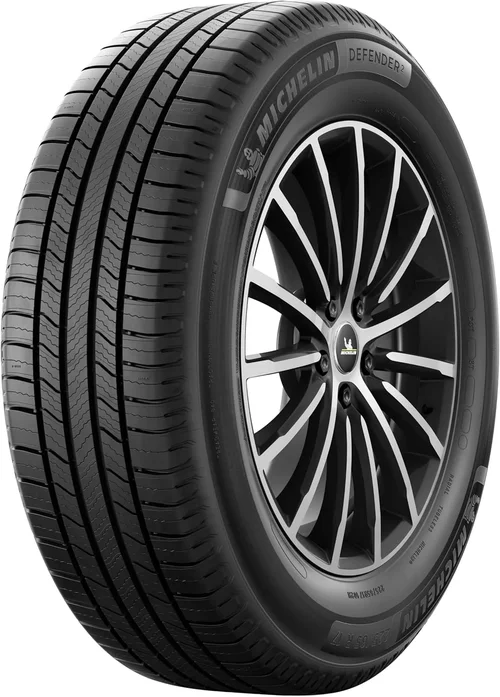
Why it’s bad: The cheapest tires often use inferior materials, have shorter tread life, and perform poorly in critical areas like wet traction and braking. Over time, you may end up replacing them more frequently, negating any initial savings. Additionally, low-quality tires can compromise safety, especially in emergency maneuvers.
What to do instead: Focus on value, not just cost. Consider the total cost of ownership, including tread life, fuel efficiency, and performance. A mid-range tire that lasts 60,000 miles and delivers excellent safety may be a better investment than a budget tire that wears out in 30,000 miles.
❌ Mistake: Ignoring Load Index and Speed Rating
Why it’s bad: Using tires with a lower load index than recommended can lead to overheating, sidewall failure, and blowouts—especially when carrying heavy loads or towing. Similarly, mismatched speed ratings can affect handling and stability at higher speeds.
What to do instead: Always check your vehicle’s specifications and match the load index and speed rating exactly. If you frequently tow or carry heavy cargo, consider upgrading to a higher load range (e.g., Load Range E for trucks).
❌ Mistake: Buying All-Season Tires for Harsh Winters
Why it’s bad: All-season tires are not designed for severe winter conditions. Their rubber compounds harden in cold temperatures, reducing grip. In snow and ice, they can’t match the performance of dedicated winter tires, increasing the risk of accidents.
What to do instead: If you live in an area with regular snowfall or temperatures below 45°F (7°C), invest in a set of winter tires. Store your all-season tires during winter months to extend their life.
❌ Mistake: Overlooking Tire Maintenance
Why it’s bad: Even the best tires will underperform if not properly maintained. Underinflation increases rolling resistance, reduces tread life, and raises the risk of blowouts. Overinflation leads to a harsh ride and uneven wear.
What to do instead: Check tire pressure monthly (including the spare) and adjust according to the manufacturer’s recommendations. Rotate tires every 5,000–7,500 miles and have alignment checked annually.
❌ Mistake: Mixing Tire Types or Tread Patterns
Why it’s bad: Mixing different tire types (e.g., all-season with winter) or tread patterns can cause unpredictable handling, especially in wet or slippery conditions. It can also damage your vehicle’s differential and traction control systems.
What to do instead: Always replace tires in sets of four, and ensure they are the same brand, model, and tread pattern. If you must replace only one or two, match them as closely as possible and install the new ones on the rear axle for better stability.
❌ Mistake: Ignoring User Reviews and Professional Tests
Why it’s bad: Marketing claims can be misleading. A tire advertised as “high-performance” may not live up to expectations in real-world conditions. Relying solely on specs without real feedback can lead to disappointment.
What to do instead: Read reviews from trusted sources like Tire Rack, Consumer Reports, and automotive forums. Look for consistent feedback on noise, wear, and performance in conditions similar to yours.
❌ Mistake: Buying the Wrong Size for Aesthetic Reasons
Why it’s bad: Upsizing wheels for a “cooler” look can reduce ride comfort, increase road noise, and cause speedometer inaccuracies. It may also void your warranty or cause clearance issues.
What to do instead: Stick to manufacturer-recommended sizes or use a tire size calculator to find compatible alternatives. Prioritize performance and safety over appearance.
Budget Guidelines: How Much Should You Spend?
– Entry-Level ($80 – $130 per tire): These tires are typically from budget brands or older models from major manufacturers. They offer basic all-season performance but may lack advanced features like noise reduction or low rolling resistance. Tread life is often shorter, and wet/dry traction may be mediocre. Best for low-mileage drivers or secondary vehicles.
– Mid-Range ($130 – $200 per tire): This is the sweet spot for most SUV owners. Tires in this range offer a strong balance of performance, durability, and comfort. You’ll find reputable brands with good warranties, solid tread life (50,000–70,000 miles), and reliable wet/dry traction. Ideal for daily driving, family trips, and moderate weather conditions.
– Premium ($200 – $300 per tire): Premium tires deliver top-tier performance in their category. Whether it’s a high-end all-season, winter, or all-terrain tire, you can expect advanced compounds, superior grip, longer tread life, and enhanced comfort. These are best for drivers who prioritize safety, performance, and long-term value.
– Luxury ($300+ per tire): At this level, you’re paying for cutting-edge technology, ultra-low noise, and exceptional performance. These tires are often used on luxury SUVs like the Mercedes GLE or BMW X5. They may feature run-flat capabilities, noise-canceling foam, or specialized tread designs. Only necessary for enthusiasts or those demanding the absolute best.
Expert Tips for Getting the Best Deal
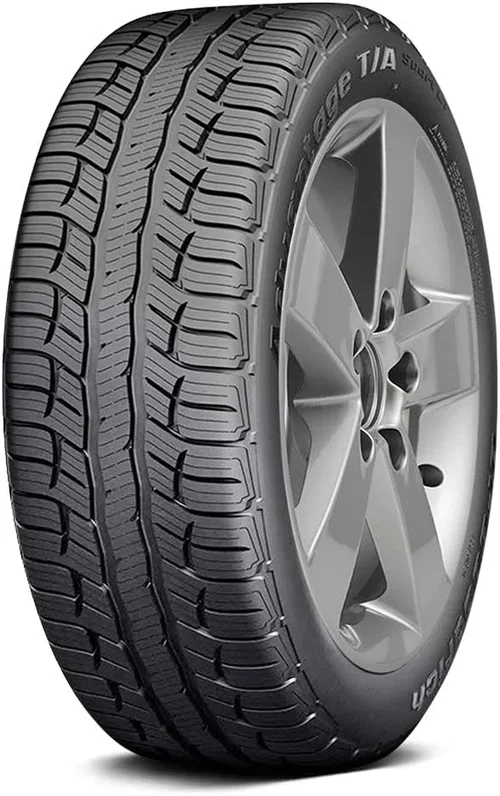
– Buy in Sets of Four: Most retailers offer discounts when you purchase a full set. You’ll also ensure even wear and consistent performance.
– Shop During Seasonal Sales: Tire manufacturers and retailers often run promotions in spring (for summer/all-season tires) and fall (for winter tires). Look for rebates, free installation, or buy-three-get-one-free deals.
– Compare Online and In-Store Prices: Online retailers like Tire Rack, Discount Tire, and SimpleTire often have lower prices and free shipping. However, factor in installation costs. Some stores offer price matching.
– Check for Rebates and Promotions: Manufacturers frequently offer mail-in rebates of $50–$100 per set. Sign up for newsletters to stay informed.
– Consider Certified Pre-Owned or Take-Off Tires: If you’re on a tight budget, lightly used tires from reputable sources can be a safe option—especially if they come with a warranty.
– Read the Warranty Fine Print: Understand what’s covered (tread wear, defects) and what’s not (punctures, improper inflation). Some brands offer road hazard protection for an extra fee.
– Test Drive Before Committing: If possible, test a friend’s SUV with similar tires or rent a vehicle to experience the ride quality and noise levels.
– Don’t Forget Installation and Balancing: A quality installation ensures even wear and optimal performance. Choose a reputable shop with certified technicians.
Frequently Asked Questions
Q: How often should I replace my SUV tires?
A: Most tires last between 40,000 and 80,000 miles, depending on type, driving habits, and maintenance. Check tread depth regularly—replace when it reaches 2/32 of an inch. Also inspect for cracks, bulges, or uneven wear, which may require earlier replacement.
Q: Can I use passenger car tires on my SUV?
A: Generally, no. SUVs require tires with higher load ratings and reinforced construction. Passenger tires may not handle the weight, leading to failure. Always use tires rated for your vehicle’s weight and用途.
Q: Are all-season tires good enough for snow?
A: All-season tires offer limited snow capability and are acceptable in light, infrequent snow. However, for regular snowfall or icy conditions, dedicated winter tires are significantly safer and more effective.
Q: What’s the difference between all-terrain and mud-terrain tires?
A: All-terrain tires are designed for light off-roading and daily driving, offering a balance of comfort and capability. Mud-terrain tires have aggressive treads for extreme off-road conditions but are louder and wear faster on pavement.
Q: How do I know if my tires are underinflated?
A: Use a tire pressure gauge to check monthly. Underinflated tires feel spongy, generate excess heat, and show wear on the outer edges. Overinflated tires wear in the center and provide a harsh ride.
Q: Can I mix different tire brands on my SUV?
A: It’s not recommended. Mixing brands can lead to inconsistent handling and performance. If you must, ensure the tires have similar specs and install new ones on the rear axle.
Q: Do SUV tires need alignment more often?
A: SUVs are heavier and may experience more suspension stress, so regular alignment checks (every 12,000 miles or after hitting a pothole) are wise to prevent uneven wear.
Q: Are run-flat tires worth it for SUVs?
A: Run-flats allow you to drive short distances after a puncture, which can be convenient. However, they’re more expensive, offer a stiffer ride, and require specialized repair. Consider your driving environment and peace of mind.
Q: How do I store seasonal tires?
A: Clean tires thoroughly, store in a cool, dry place away from sunlight, and keep them off the ground. Use tire bags or stack them horizontally to prevent deformation.
Our Final Recommendations
– Best for Budget-Conscious Buyers: General Tire Altimax RT43 – Excellent value with strong all-season performance, low noise, and a 75,000-mile warranty. Ideal for compact and midsize SUVs.
– Best Overall Value: Michelin Defender LTX M/S – A top-tier all-season tire with exceptional tread life (70,000 miles), superb wet/dry traction, and a comfortable ride. Perfect for families and long-distance drivers.
– Best Premium Option: Bridgestone Dueler H/L Alenza Plus – Designed for luxury SUVs, this tire offers quiet operation, refined handling, and long durability. Great for the Lexus RX or Acura MDX.
– Best for Beginners: Goodyear Assurance WeatherReady – A versatile all-weather tire that handles rain, snow, and dry conditions with confidence. Easy to maintain and widely available.
– Best for Advanced Users: BFGoodrich All-Terrain T/A KO2 – The gold standard for off-road enthusiasts. Durable, aggressive, and capable in mud, rocks, and snow. Built for serious adventure.
Conclusion: Making the Right Choice
Choosing the best SUV tires in 2026 doesn’t have to be overwhelming. By focusing on your specific needs—climate, driving habits, vehicle type, and budget—you can narrow down the options and find a set that delivers safety, performance, and value. Remember, tires are a long-term investment in your vehicle’s performance and your family’s safety. Don’t cut corners on quality or ignore critical factors like load index and tread life.
Take the time to research, read reviews, and consult with professionals. Use the guidelines in this article to compare options, avoid common mistakes, and make a confident decision. Whether you’re upgrading for better fuel economy, preparing for winter, or gearing up for off-road adventures, the right tires will enhance every mile of your journey.
Your SUV deserves the best—don’t settle for less. Equip it with tires that match your lifestyle, and enjoy the road ahead with confidence.