
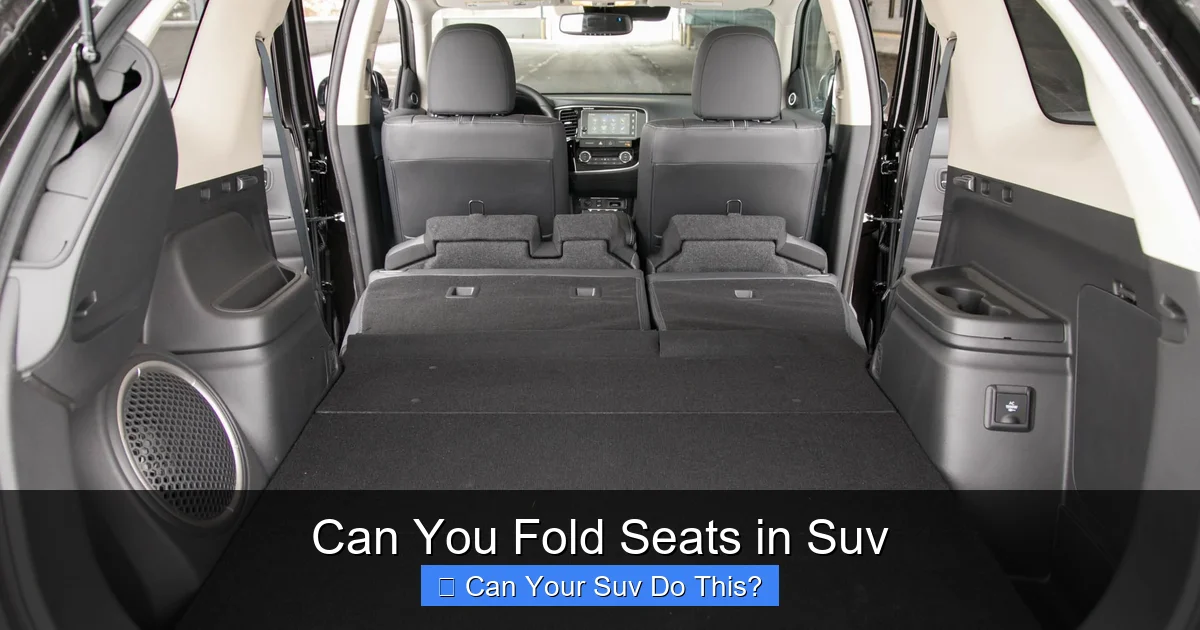
Yes, most modern SUVs allow you to fold seats—either partially or fully—to expand cargo room and adapt to your needs. Whether you’re hauling gear, moving furniture, or just need more legroom, understanding how your SUV’s seats fold can make a big difference in daily usability.
Key Takeaways
- Most SUVs offer foldable rear seats to increase cargo space, with many featuring 60/40 or 40/20/40 split configurations for added flexibility.
- Third-row seats in larger SUVs are often foldable, allowing you to switch between passenger and cargo modes quickly.
- Power-folding seats are available in premium models, enabling one-touch seat folding via buttons or remote controls.
- Front passenger seats may also fold flat in some SUVs, creating a makeshift workspace or extending cargo length for long items.
- Seat-folding mechanisms vary by brand and model, so always check your owner’s manual for specific instructions and weight limits.
- Proper seat folding enhances safety and efficiency—never overload folded seats or ignore manufacturer guidelines.
- Aftermarket solutions exist for older or non-folding SUVs, though factory systems are typically more reliable and safer.
📑 Table of Contents
Can You Fold Seats in SUV? The Short Answer
If you’ve ever wondered, “Can you fold seats in SUV?”—the answer is a resounding yes, for the vast majority of modern SUVs. From compact crossovers to full-size three-row giants, seat folding has become a standard feature designed to boost versatility. Whether you’re loading up camping gear, transporting a new TV, or just need extra room for groceries, the ability to fold down seats turns your SUV into a functional cargo hauler in seconds.
But it’s not just about tossing things in the back. Seat folding is a carefully engineered feature that balances passenger comfort, safety, and practicality. Automakers have spent decades refining how seats fold, how much space they create, and how easy—or automated—the process can be. So while the basic idea is simple, the execution varies widely across brands, models, and trim levels.
In this guide, we’ll dive deep into how SUV seat folding works, what types of systems exist, and how to make the most of this handy feature. Whether you’re a weekend adventurer, a parent shuttling kids to practice, or just someone who values flexibility, understanding your SUV’s seat-folding capabilities can transform how you use your vehicle.
Why Seat Folding Matters in SUVs
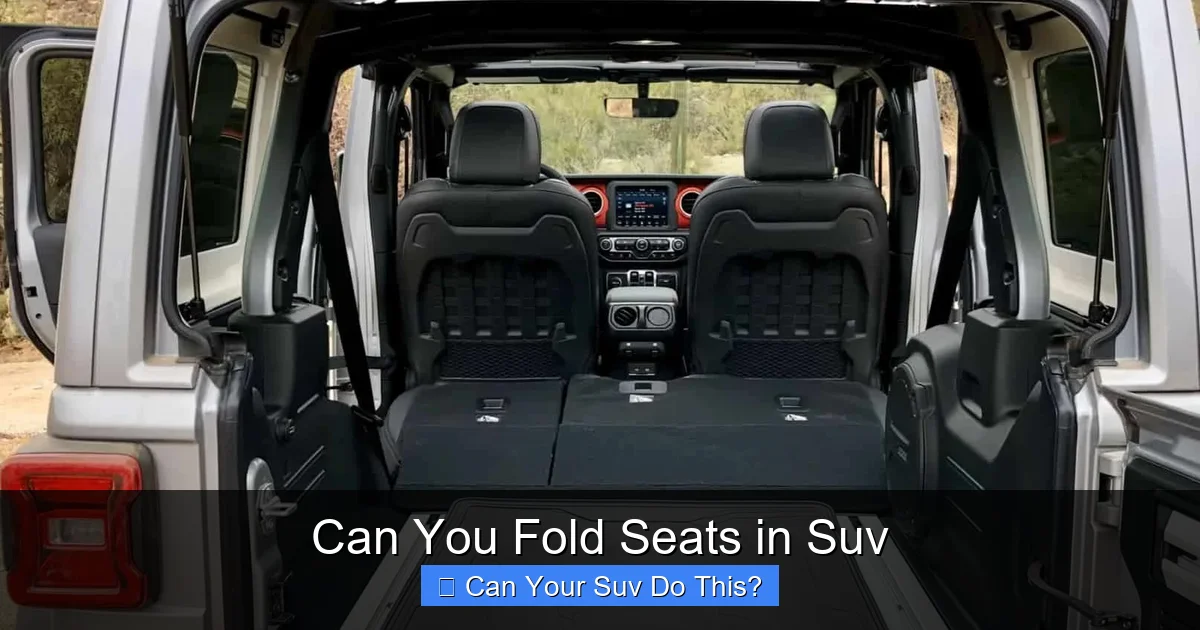
Visual guide about Can You Fold Seats in Suv
Image source: jeepkingdom.com
SUVs are popular for a reason: they offer a blend of passenger space, cargo room, and rugged capability. But one of their greatest strengths—versatility—comes directly from features like foldable seats. Without them, an SUV would be little more than a tall station wagon with limited utility.
Imagine trying to fit a bicycle, a suitcase, and a week’s worth of groceries into a vehicle with fixed rear seats. It’s doable, but cramped. Now imagine folding down the back seats and suddenly having a flat, open cargo area that stretches nearly to the dashboard. That’s the magic of seat folding. It turns a people mover into a cargo hauler with the flip of a lever.
But it’s not just about space. Seat folding also improves safety and organization. When cargo is properly secured in a flat, open area, it’s less likely to shift during sudden stops or turns. And when you can configure your interior on the fly—say, folding one side to carry a long item while keeping the other side up for a passenger—you gain a level of adaptability that sedans and hatchbacks simply can’t match.
Moreover, in today’s world of remote work and mobile lifestyles, some drivers use their SUVs as mobile offices or lounges. A flat-folding front passenger seat, for example, can double as a desk or a place to stretch out during a long drive. It’s these little conveniences that make seat folding more than just a practical feature—it’s a lifestyle enhancer.
Types of Seat Folding Systems in SUVs
Not all foldable seats are created equal. Automakers use different mechanisms and configurations to suit various needs, from maximizing cargo space to maintaining passenger comfort. Here are the most common types of seat folding systems you’ll find in today’s SUVs.
60/40 Split Folding Rear Seats
The 60/40 split is one of the most common configurations in midsize and compact SUVs. It means the rear seat is divided into two sections: a larger 60% portion (usually on the driver’s side) and a smaller 40% portion (on the passenger side). Each section can be folded down independently.
This setup is ideal for carrying both passengers and cargo. For example, you could fold down the 40% side to fit a long item like a surfboard or a piece of lumber, while still seating two people on the 60% side. It’s a smart compromise that offers flexibility without sacrificing too much seating.
Many SUVs take this a step further with a 40/20/40 split, where the middle section is narrower and can be folded separately. This allows for even more precise cargo management—perfect for carrying a laptop bag or a small cooler in the center while folding the outer sections.
Flat-Folding Seats
Flat-folding seats are designed to lie completely level with the cargo floor when folded, creating a seamless, uninterrupted surface. This is crucial for hauling large or heavy items, as it prevents awkward gaps or raised edges that could damage cargo or make loading difficult.
In premium SUVs, manufacturers often use advanced materials and engineering to ensure the folded seatback sits perfectly flush. Some even include built-in storage compartments or tie-down points to further enhance utility.
Flat-folding is especially important in SUVs with third-row seating. When the third row is folded, you want the second row to fold flat on top of it, maximizing cargo depth and minimizing wasted space.
Power-Folding Seats
For those who value convenience, power-folding seats are a game-changer. Instead of manually pulling levers or lifting heavy seatbacks, you can fold or unfold seats with the push of a button—often from inside the cabin, the cargo area, or even remotely via a key fob.
This feature is typically found in luxury SUVs like the BMW X5, Mercedes-Benz GLE, or Lincoln Navigator. It’s especially useful when you’re loading cargo in the rain or when your hands are full. Some systems even include memory settings that remember your preferred seating and cargo configurations.
While power-folding adds cost and complexity, it’s a worthwhile upgrade for frequent travelers or families who regularly switch between passenger and cargo modes.
Front Passenger Seat Folding
Less common but highly useful, some SUVs allow the front passenger seat to fold flat. This creates a long, continuous surface from the dashboard to the rear cargo area—perfect for transporting items like ladders, kayaks, or even a small mattress.
Trucks like the Ford F-150 and some SUVs based on truck platforms (like the Chevrolet Tahoe) offer this feature. It’s often marketed as a “work surface” or “mobile desk” option, appealing to contractors, freelancers, or anyone who needs a flat workspace on the go.
Keep in mind that folding the front seat may disable the airbag, so always check your owner’s manual before using this feature.
Third-Row Seat Folding
In three-row SUVs like the Honda Pilot, Toyota Highlander, or Ford Explorer, the third-row seats are often foldable to expand cargo space. These seats are typically smaller and less comfortable for long trips, so being able to fold them down when not in use is a major advantage.
Most third-row seats use a 50/50 or 60/40 split, allowing you to fold one side while keeping the other up for a passenger. Some models even offer power-folding third rows, making it easy to switch between seven-passenger and cargo modes.
When folded, third-row seats usually lie flat against the floor, though some may leave a slight step or gap. Premium models often include under-floor storage compartments to hide the folded seat mechanisms and keep the cargo area tidy.
How to Fold Seats in Your SUV: Step-by-Step Guide
Now that you know the types of seat folding systems, let’s talk about how to actually fold the seats in your SUV. The process varies slightly by model, but the general steps are similar across most vehicles.
Step 1: Clear the Area
Before folding any seats, remove all items from the seat cushions and seatbacks. This includes bags, blankets, child seats, or anything else that could interfere with the folding mechanism. Also, check under the seats for loose items that might get crushed.
Step 2: Adjust the Headrests
Most SUVs require you to lower or remove the headrests before folding the seats. This creates more clearance and allows the seatback to fold flat. Look for a release button or lever on the side or top of the headrest—press it and pull the headrest upward to remove it.
Some newer models have integrated headrests that don’t need to be removed, but it’s always best to check your owner’s manual.
Step 3: Locate the Release Lever
The seat release lever is usually located on the side of the seatback, near the bottom, or in the cargo area behind the seat. It may be a pull strap, a button, or a handle. In power-folding systems, the button might be on the dashboard, center console, or rear cargo wall.
Pull or press the lever to unlock the seatback. You may need to hold it while pushing the seat forward.
Step 4: Fold the Seatback Forward
Gently push the seatback forward until it lies flat against the seat cushion. If it’s a split seat, only the section you’re folding will move. For flat-folding systems, the seatback should align perfectly with the cargo floor.
If the seat doesn’t fold easily, don’t force it. Double-check that the headrest is removed and the release lever is fully engaged. Some seats have a two-stage fold—first the seatback, then the cushion—so follow the sequence in your manual.
Step 5: Secure the Cargo
Once the seats are folded, use cargo nets, straps, or dividers to secure your items. Loose cargo can become dangerous projectiles in a crash, so always tie down heavy or bulky items.
If your SUV has tie-down hooks or cargo management systems, use them. Some models even include built-in rails or sliding cargo floors for added organization.
Step 6: Return the Seats
To return the seats to the upright position, simply pull them back until they click into place. Reinstall the headrests and ensure the seatbelts are properly routed. Test the seat by pressing down on it—it should feel firm and secure.
For power-folding seats, press the “up” button and wait for the seat to return automatically. Avoid placing heavy items on the seat during this process.
Tips for Maximizing Space and Safety
Folding seats is one thing—using them effectively is another. Here are some practical tips to help you get the most out of your SUV’s cargo space while staying safe.
Use Cargo Liners and Mats
Protect your SUV’s interior with rubber or carpeted cargo liners. They prevent scratches, spills, and wear from heavy or dirty items. Some liners are custom-fit and include raised edges to contain messes.
Stack Smart, Not High
When loading cargo, place heavy items low and toward the front of the vehicle. This improves stability and reduces the risk of tipping. Avoid stacking items too high—they can block your rearview mirror or shift unexpectedly.
Don’t Overload
Every SUV has a maximum cargo capacity, usually listed in the owner’s manual or on a sticker inside the driver’s door. Exceeding this limit can damage the suspension, reduce braking efficiency, and increase the risk of rollover.
Secure Long Items Properly
For items longer than the cargo area—like lumber or pipes—use the front passenger seat fold (if available) or secure them through the rear doors with caution. Always use tie-downs and warning flags if the load extends beyond the vehicle.
Check for Obstructions
Before folding seats, make sure nothing is blocking the mechanism—like a child seat base, seatbelt, or loose wire. Forgetting this step is a common cause of seat-folding issues.
Maintain the Mechanism
Over time, seat latches and hinges can wear out or get dirty. Periodically clean and lubricate the moving parts with a silicone-based spray to keep them operating smoothly.
Common Mistakes to Avoid
Even experienced drivers make mistakes when folding SUV seats. Here are some common pitfalls and how to avoid them.
Forcing the Seat
If a seat won’t fold, don’t force it. This can damage the latch, motor, or frame. Instead, check for obstructions, ensure the headrest is removed, and consult your manual.
Ignoring Weight Limits
Folded seats aren’t designed to support heavy loads on the seatback. Placing a TV or toolbox on a folded seat can crack the plastic or damage the mechanism.
Leaving Seats Partially Folded
A partially folded seat can shift during driving, creating noise or even becoming a hazard. Always ensure seats are fully up or fully down.
Using Aftermarket Mods Without Research
Some drivers install third-party seat-folding kits to add functionality to older SUVs. While possible, these can compromise safety if not installed correctly. Stick to factory-approved solutions when possible.
Overlooking Safety Features
Folding seats can disable airbags or seatbelt sensors. Always check your vehicle’s safety systems after reconfiguring seats, especially if you have passengers.
Conclusion
So, can you fold seats in SUV? Absolutely—and you should. This simple feature unlocks a world of flexibility, making your SUV more than just a vehicle. It becomes a tool for adventure, a mobile workspace, and a reliable partner for everyday tasks.
From split-folding rear seats to power-operated third rows, modern SUVs offer a range of options to suit every need. By understanding how your specific model works and following best practices for safety and efficiency, you can make the most of your SUV’s interior space.
Whether you’re hauling gear for a weekend trip, moving furniture, or just need extra room for groceries, knowing how to fold your seats properly is a skill every SUV owner should have. So the next time you’re loading up, take a moment to appreciate the engineering behind that foldable seat—it’s one of the unsung heroes of modern driving.
Frequently Asked Questions
Can all SUVs fold their rear seats?
Most modern SUVs have foldable rear seats, but older models or base trims may not. Always check your owner’s manual or vehicle specifications to confirm.
Are folded seats safe for cargo?
Yes, as long as you follow the manufacturer’s guidelines. Never overload the cargo area or place heavy items on the folded seatback, as this can damage the mechanism.
Can I fold the front passenger seat in my SUV?
Some SUVs, especially truck-based models, allow the front passenger seat to fold flat. This is useful for carrying long items, but check your manual first.
Do power-folding seats cost more to maintain?
Power-folding systems have more components, so repairs can be more expensive. However, they’re generally reliable and covered under warranty for several years.
Can I install foldable seats in an older SUV?
Aftermarket kits exist, but they may not meet safety standards. It’s usually better to upgrade to a newer SUV with factory-installed folding seats.
What’s the best way to secure cargo after folding seats?
Use tie-down straps, cargo nets, or dividers. Anchor heavy items to the floor hooks and avoid stacking too high to maintain visibility and stability.