
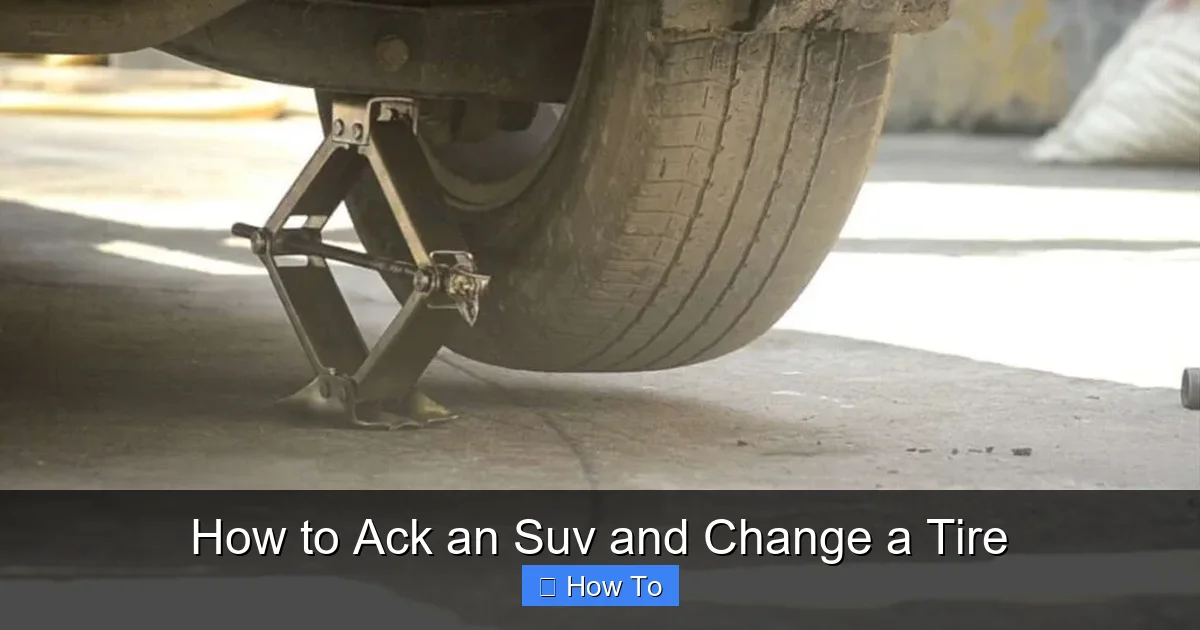
This guide walks you through how to jack up an SUV and change a tire safely and efficiently. You’ll learn the right tools, proper lifting techniques, and essential safety tips to handle a flat tire on the road.
Key Takeaways
- Safety first: Always park on level ground, turn on hazard lights, and use wheel chocks to prevent rolling.
- Use the correct jack: SUVs require a heavy-duty jack—never use a scissor jack for long-term lifting.
- Locate the proper jacking points: Check your owner’s manual to avoid damaging the vehicle’s frame or undercarriage.
- Loosen lug nuts before lifting: Break them free while the tire is still on the ground for better leverage.
- Torque lug nuts properly: Tighten in a star pattern and recheck after driving 50 miles.
- Know your spare: Ensure your spare tire is inflated and in good condition before you need it.
- Practice makes perfect: Try changing a tire at home before an emergency occurs.
How to Jack an SUV and Change a Tire: A Complete Step-by-Step Guide
Getting a flat tire in your SUV can be stressful—especially if you’re on a busy highway or in bad weather. But with the right knowledge and tools, changing a tire is a manageable task that every driver should know. This comprehensive guide will walk you through how to jack up an SUV and change a tire safely, efficiently, and with confidence.
Whether you’re a new SUV owner or just need a refresher, this guide covers everything from preparing your vehicle to properly tightening the lug nuts. We’ll also share expert tips, common mistakes to avoid, and troubleshooting advice to keep you safe on the road.
By the end of this guide, you’ll be ready to handle a flat tire like a pro—no matter where you are.
Why Knowing How to Change a Tire Matters

Visual guide about How to Ack an Suv and Change a Tire
Image source: i.ytimg.com
SUVs are heavier and taller than standard sedans, which means they require extra care when lifting and stabilizing. A flat tire can happen anytime—due to a nail, pothole, or worn tread. If you don’t know how to respond, you could end up stranded, risk injury, or damage your vehicle.
Learning how to jack an SUV and change a tire gives you independence and peace of mind. It’s a skill that saves time, money, and stress. Plus, roadside assistance isn’t always immediate, especially in rural areas.
With practice, changing a tire can take less than 20 minutes. And the best part? You don’t need to be a mechanic to do it.
Tools and Equipment You’ll Need
Visual guide about How to Ack an Suv and Change a Tire
Image source: yourabbit.com
Before you start, gather all the necessary tools. Having everything ready will make the process smoother and safer.
Essential Tools
- Car jack: Most SUVs come with a scissor jack, but it’s only for emergency use. For safer lifting, consider a hydraulic floor jack or bottle jack.
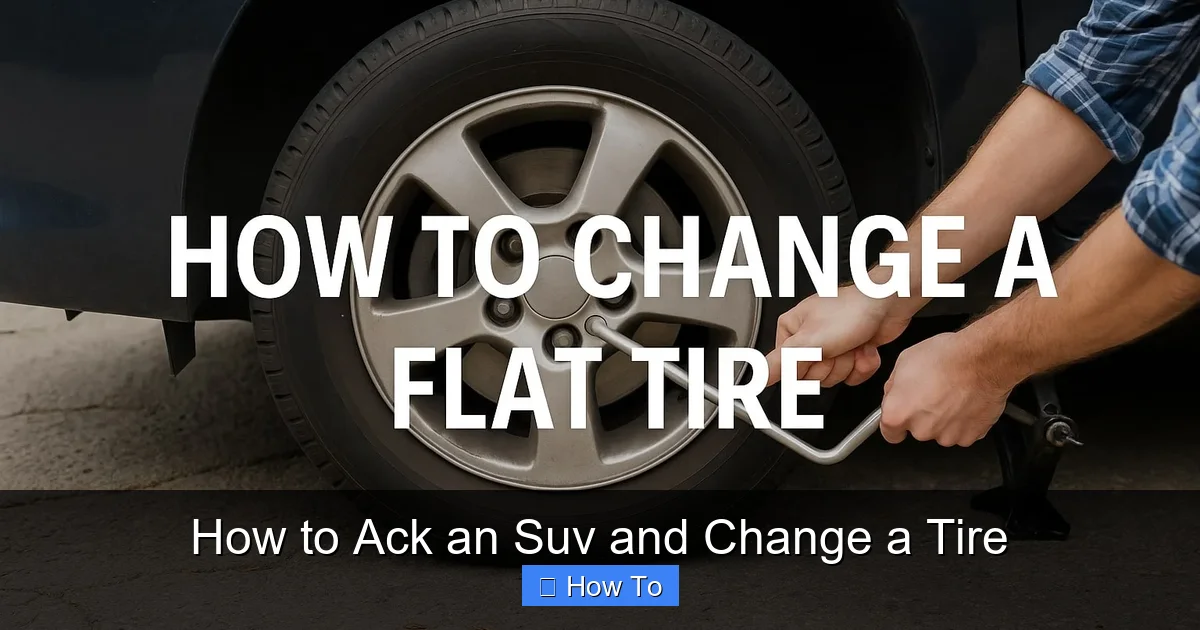
- Lug wrench: Used to loosen and tighten lug nuts. Some SUVs include a cross-shaped wrench for better leverage.
- Spare tire: Make sure it’s properly inflated and in good condition. Check the pressure monthly.
- Wheel chocks or bricks: Place these behind the tires to prevent the SUV from rolling.
- Flashlight: Essential if you’re changing a tire at night or in low light.
- Gloves: Protect your hands from dirt, grease, and sharp edges.
- Reflective triangles or flares: Increase visibility to other drivers.
Optional but Helpful Tools
- Torque wrench: Ensures lug nuts are tightened to the manufacturer’s specifications.
- Jack stands: Provide extra stability if you’re working under the vehicle (not always needed for tire changes).
- Tire pressure gauge: Check the spare tire’s pressure before installation.
- Portable air compressor: Useful if your spare is underinflated.
Safety First: Preparing to Change a Tire
Safety is the most important part of changing a tire. Rushing or skipping steps can lead to accidents.
1. Find a Safe Location
Pull over to a flat, stable surface away from traffic. Avoid hills, curves, or soft ground like mud or gravel. If you’re on a highway, exit the roadway completely and use the shoulder only if necessary.
2. Turn On Hazard Lights
Activate your hazard lights immediately to alert other drivers. This is especially important at night or in poor weather.
3. Apply the Parking Brake
Engage the parking brake to prevent the SUV from moving. This adds an extra layer of safety.
4. Use Wheel Chocks
Place wheel chocks or sturdy blocks behind the tires opposite the flat. For example, if the front right tire is flat, chock the rear left tire. This prevents rolling when the vehicle is lifted.
5. Gather Your Tools
Bring all your tools to the site. Keep them within reach so you don’t have to move the SUV while it’s jacked up.
6. Put on Gloves and Reflective Gear
Wear gloves to protect your hands and consider wearing reflective clothing if it’s dark.
Step-by-Step: How to Jack Up an SUV
Now that you’re prepared, it’s time to lift the SUV. This step is critical—improper jacking can damage your vehicle or cause it to fall.
1. Locate the Correct Jacking Point
Never jack up an SUV on the body panels, oil pan, or suspension components. These areas can’t support the weight.
Instead, use the designated jacking points. These are reinforced areas on the frame or subframe. Check your owner’s manual for exact locations—they vary by make and model.
Common jacking points include:
- Rocker panel pinch welds: Look for small notches or arrows near the front and rear doors.
- Front crossmember: Under the engine, often near the oil pan but on a reinforced section.
- Rear differential or axle: For rear-wheel-drive SUVs.
If your SUV has skid plates, they may have built-in jacking points. Never guess—always refer to the manual.
2. Position the Jack
Place the jack under the correct jacking point. Make sure it’s centered and stable. If using a scissor jack, ensure the base is on solid ground—use a wooden board if the surface is soft.
For hydraulic jacks, double-check that the release valve is closed.
3. Lift the Vehicle Slowly
Begin raising the jack slowly. Watch the tire lift off the ground. Stop when there’s about 2–3 inches of clearance between the tire and the road.
Never go higher than necessary. Over-lifting increases the risk of the SUV tipping.
4. Double-Check Stability
Gently shake the SUV to ensure it’s stable. If it wobbles, lower the jack and reposition it.
If you’re using jack stands, place them under the frame near the jacking point for added safety. But for a simple tire change, a properly positioned jack is usually sufficient.
How to Remove the Flat Tire
With the SUV safely lifted, you can now remove the flat tire.
1. Loosen the Lug Nuts (Before Lifting)
Wait—didn’t we already lift the SUV? Yes, but you should have loosened the lug nuts *before* lifting. If you forgot, lower the SUV slightly so the tire touches the ground, then loosen them.
Use the lug wrench to turn the nuts counterclockwise. You may need to use your foot or body weight for extra leverage. Don’t remove them completely yet—just break them free.
2. Remove the Lug Nuts and Hubcap
Once loosened, unscrew the lug nuts by hand and place them in a secure spot—like a hubcap or your pocket. Don’t let them roll away.
If your SUV has a hubcap or wheel cover, remove it now. Some are held by clips; others may need to be pried off gently.
3. Pull Off the Flat Tire
Grasp the tire firmly on both sides and pull it straight toward you. SUV tires are heavy—use your legs, not your back, to lift.
If it’s stuck due to rust or dirt, gently kick the sidewall near the top to loosen it.
Installing the Spare Tire
Now it’s time to put on the spare tire.
1. Check the Spare Tire
Before installing, inspect the spare for damage, cracks, or low pressure. A flat spare won’t help you!
Use a tire pressure gauge to check the PSI. Refer to your owner’s manual for the correct pressure. If it’s low, use a portable air compressor to inflate it.
2. Align the Spare Tire
Lift the spare and align the holes with the wheel studs. Slide it onto the hub until it’s flush.
Don’t worry if it doesn’t go on perfectly—lug nuts will pull it into place.
3. Hand-Tighten the Lug Nuts
Screw the lug nuts back on by hand in a star pattern. This ensures even pressure and prevents warping.
Tighten them as much as you can by hand, but don’t use the wrench yet.
Lowering the SUV and Final Tightening
With the spare in place, it’s time to lower the vehicle and secure the lug nuts.
1. Lower the Jack Slowly
Turn the jack handle counterclockwise to lower the SUV. Do this gradually to avoid sudden drops.
Stop when the spare tire touches the ground but the full weight isn’t on it yet.
2. Tighten the Lug Nuts with a Wrench
Use the lug wrench to tighten the nuts in a star pattern. This distributes pressure evenly and prevents the wheel from warping.
Apply steady pressure—don’t overtighten, but make sure they’re snug.
3. Fully Lower the SUV
Continue lowering the jack until the SUV is completely on the ground. Remove the jack and store it.
4. Final Torque Check
If you have a torque wrench, use it to tighten the lug nuts to the manufacturer’s specification (usually 80–100 ft-lbs for most SUVs). This ensures proper clamping force.
If you don’t have a torque wrench, tighten as much as possible with the lug wrench, then recheck after driving 50 miles.
Post-Change Checklist
You’re almost done! Follow these final steps to ensure everything is safe.
1. Replace the Hubcap (If Applicable)
If your spare is a full-size tire, you can reattach the hubcap. If it’s a temporary “donut” spare, you may not be able to.
2. Stow Your Tools and Flat Tire
Put all tools back in your SUV. Store the flat tire securely in the trunk or cargo area.
3. Check Tire Pressure
Use a gauge to confirm the spare is properly inflated. Adjust if needed.
4. Drive Safely
If you’re using a temporary spare, drive no faster than 50 mph and no more than 50 miles. Visit a tire shop as soon as possible to repair or replace the flat.
Troubleshooting Common Issues
Even with preparation, problems can arise. Here’s how to handle them.
Stuck Lug Nuts
If a lug nut won’t budge:
- Spray it with penetrating oil (like WD-40) and wait 10 minutes.
- Use a longer wrench or pipe for extra leverage.
- Tap the wrench gently with a hammer to break corrosion.
Never use excessive force—you could strip the nut.
Jack Won’t Lift or Wobbles
- Ensure the jack is on level, solid ground.
- Check that it’s positioned under the correct jacking point.
- Use a wooden board under the jack base if the surface is soft.
Spare Tire Won’t Fit
- Make sure the spare is the correct size and type.
- Check that the wheel studs aren’t bent.
- Clean rust or debris from the hub.
SUV Feels Unstable After Lowering
- Recheck lug nut tightness in a star pattern.
- Ensure the spare is fully seated on the hub.
- Drive slowly and recheck after 10 miles.
Tips for Success
To make tire changes easier and safer, keep these tips in mind:
- Practice at home: Try changing a tire in your driveway before you need to do it on the road.
- Keep tools accessible: Store your jack, wrench, and spare in an easy-to-reach location.
- Check your spare regularly: Inspect it monthly for pressure and damage.
- Know your SUV’s limits: Some SUVs have low ground clearance or complex suspension—always follow the manual.
- Consider upgrading your jack: A hydraulic jack is safer and easier to use than a scissor jack.
When to Call for Help
While changing a tire is doable for most people, there are times when it’s better to call for assistance:
- You’re on a busy highway with no safe shoulder.
- The weather is severe (heavy rain, snow, or high winds).
- You’re injured, pregnant, or have a medical condition.
- The flat is on a rear tire and you’re unsure of the jacking point.
- You don’t have the right tools or a usable spare.
It’s always okay to ask for help. Your safety is more important than saving time.
Conclusion
Knowing how to jack an SUV and change a tire is a vital skill for any driver. SUVs are powerful and capable, but their size and weight require extra care during maintenance.
By following this guide, you’ve learned how to:
- Prepare your vehicle safely
- Use the correct jacking points
- Remove and replace a tire step by step
- Tighten lug nuts properly
- Troubleshoot common problems
With practice and the right tools, you’ll be ready to handle a flat tire with confidence. Remember: safety first, take your time, and don’t hesitate to call for help if needed.
Keep this guide handy in your glove compartment or phone, and share it with family members who drive your SUV. Being prepared means you’re never truly stranded.