
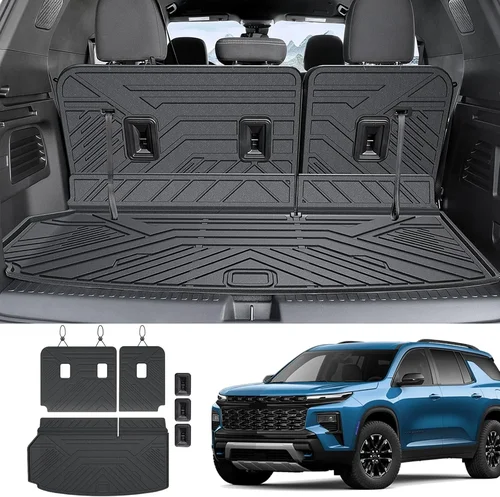
When it comes to family transportation, few vehicles offer the versatility, space, and confidence of a third-row SUV. Whether you’re shuttling kids to soccer practice, heading out on a cross-country road trip, or simply need extra cargo room for weekend adventures, a 2024 third-row SUV can be the ultimate all-in-one solution. But with so many options flooding the market—each boasting different engines, tech features, safety ratings, and price points—it’s easy to feel overwhelmed. That’s where this comprehensive buying guide comes in.
In this detailed breakdown, we’ll walk you through everything you need to know before purchasing a third-row SUV in 2024. From understanding key performance specs and evaluating interior comfort to comparing fuel efficiency and decoding warranty coverage, we’ve got you covered. Our goal isn’t just to list the top models—it’s to empower you with the knowledge to make a smart, informed decision that aligns with your lifestyle, budget, and long-term needs. Whether you’re a growing family, an outdoor enthusiast, or someone who simply values space and capability, this guide will help you navigate the crowded SUV landscape with confidence.
The third-row SUV segment has evolved dramatically over the past decade. Once dominated by boxy, truck-based behemoths, today’s offerings blend car-like ride quality with serious utility. Automakers are prioritizing fuel efficiency without sacrificing power, integrating advanced driver-assistance systems (ADAS), and designing interiors that rival luxury sedans. At the same time, competition has driven prices down in some segments while pushing premium features into more affordable trims. With options ranging from under $35,000 to well over $70,000, there’s truly a third-row SUV for nearly every buyer. Let’s dive into what matters most when choosing the right one for you.

What to Look for When Buying a Third-Row SUV in 2024
1. Seating Capacity & Interior Space
The primary reason most buyers opt for a third-row SUV is passenger capacity—typically seating seven or eight people. However, not all third rows are created equal. Some offer ample legroom and headroom for adults, while others are best suited for children or short trips. When evaluating interior space, consider both the second and third rows. Measure legroom (especially in the third row), check seatback recline angles, and test ingress/egress ease. Sliding second-row seats can dramatically improve third-row accessibility. Also, assess cargo space behind the third row—some SUVs offer as little as 12 cubic feet, which may not be enough for strollers, groceries, or luggage.
2. Fuel Efficiency & Powertrain Options
Fuel economy is a major concern for large SUVs, especially with rising gas prices. In 2024, many manufacturers are offering hybrid or plug-in hybrid variants to improve efficiency without sacrificing performance. For example, the Toyota Highlander Hybrid delivers up to 36 mpg combined, while traditional V6 engines typically average 20–25 mpg. Consider your driving habits: if you do mostly city commuting, a hybrid might save you hundreds annually. If you frequently tow trailers or drive off-road, a turbocharged four-cylinder or V8 may be more appropriate. Also, pay attention to transmission type—most new SUVs use 8- or 10-speed automatics for smoother shifts and better efficiency.
3. Towing Capacity & Off-Road Capability
If you plan to haul boats, campers, or trailers, towing capacity is non-negotiable. Most mid-size and full-size third-row SUVs can tow between 3,500 and 8,000 pounds. The Ford Explorer, for instance, offers up to 5,600 lbs with the right equipment, while the Chevrolet Tahoe can pull nearly 8,400 lbs. Check whether the vehicle includes a factory-installed hitch, wiring harness, and trailer sway control. For off-road adventures, look for features like all-wheel drive (AWD), terrain management systems, hill descent control, and increased ground clearance. Models like the Jeep Grand Cherokee L or Toyota 4Runner excel in rugged conditions but may sacrifice on-road refinement.
4. Safety Ratings & Driver-Assistance Tech
Safety should be a top priority, especially when transporting families. In 2024, nearly every new SUV comes standard with advanced safety suites like automatic emergency braking, lane-keeping assist, blind-spot monitoring, and adaptive cruise control. Look for models that earn high marks from the National Highway Traffic Safety Administration (NHTSA) and the Insurance Institute for Highway Safety (IIHS). The IIHS “Top Safety Pick+” designation is the gold standard. Additionally, newer features like rear cross-traffic alert, surround-view cameras, and driver drowsiness monitoring can significantly reduce accident risk. Don’t overlook child seat anchor (LATCH) accessibility—easy installation makes daily use much safer and more convenient.
5. Infotainment & Connectivity Features
Modern families expect seamless tech integration. A responsive touchscreen (ideally 10 inches or larger), wireless Apple CarPlay and Android Auto, multiple USB-C ports, and Wi-Fi hotspot capability are now baseline expectations. Premium systems like Ford’s SYNC 4A, GM’s Ultifi, or Hyundai’s Blue Link offer over-the-air updates, voice commands, and app ecosystems. Consider audio quality too—brands like Bose, Harman Kardon, and Bang & Olufsen provide immersive sound experiences. For rear passengers, look for dual-screen entertainment systems with HDMI inputs or streaming apps. Keep in mind that overly complex interfaces can be distracting; simplicity and reliability matter just as much as flashy features.
6. Reliability & Long-Term Ownership Costs
No one wants constant trips to the repair shop. Reliability data from sources like J.D. Power, Consumer Reports, and RepairPal can reveal which brands and models have fewer mechanical issues over time. Toyota and Lexus consistently rank at the top for dependability, while some European brands may have higher maintenance costs. Factor in expected depreciation, insurance rates, and routine service expenses. Hybrid models often have lower fuel costs but may require specialized technicians for battery repairs. Extended warranties can provide peace of mind, but read the fine print—some exclude hybrid components or have strict maintenance requirements.
7. Ride Comfort & Handling
A smooth, quiet ride enhances daily driving enjoyment, especially on long trips. Suspension tuning varies widely: some SUVs prioritize comfort with soft springs and adaptive dampers, while others lean toward sporty handling with stiffer setups. Test drive on various road surfaces—potholes, highways, winding roads—to assess noise levels, body roll, and steering feedback. Air suspension (available on luxury models like the Lincoln Aviator or Cadillac Escalade) can automatically adjust ride height and firmness based on speed and terrain. Also consider cabin insulation; excessive wind or road noise can fatigue passengers over time.
8. Brand Reputation & Dealer Support
Your relationship with the brand and local dealership matters more than you might think. A reputable automaker with a strong service network ensures easier access to parts, certified technicians, and consistent customer support. Brands like Honda, Subaru, and Mazda are known for excellent dealer experiences, while others may have inconsistent service quality. Read owner forums and review sites to gauge real-world satisfaction. Additionally, consider resale value—Toyota, Honda, and Subaru vehicles typically retain their worth better than competitors, which can offset higher initial prices when it’s time to trade in.
Different Types of Third-Row SUVs in 2024

Common Buying Mistakes to Avoid
❌ Mistake: Prioritizing Style Over Practicality
Why it’s bad: Flashy designs or aggressive styling might look great in photos, but they often come with compromised visibility, reduced cargo space, or uncomfortable seating. A sloping roofline may look sporty but can crush third-row headroom.
What to do instead: Focus on functional design elements like wide door openings, flat load floors, and adjustable seating. Test the vehicle with your actual gear—strollers, coolers, sports equipment—to ensure everything fits comfortably.
❌ Mistake: Ignoring Real-World Fuel Economy
Why it’s bad: EPA estimates are based on ideal conditions and may not reflect your actual driving habits. Aggressive acceleration, heavy loads, or frequent idling can slash mileage significantly.
What to do instead: Check owner reviews on sites like Fuelly or Edmunds for real-world mpg reports. Consider hybrids if you drive mostly in stop-and-go traffic.
❌ Mistake: Overlooking Maintenance and Repair Costs
Why it’s bad: A low sticker price can be misleading if the vehicle requires expensive repairs or uses premium fuel. Some turbocharged engines need higher-octane gas, adding hundreds per year.
What to do instead: Research average repair costs using tools like RepairPal. Look for models with complimentary scheduled maintenance (e.g., Hyundai, Genesis) or strong warranty coverage.
❌ Mistake: Skipping the Test Drive with Full Load
Why it’s bad: Driving solo doesn’t reveal how the SUV handles with seven passengers and full cargo. Braking distance increases, acceleration slows, and suspension sags.
What to do instead: Bring friends or family to simulate real usage. Load up the cargo area and drive on highways, hills, and rough roads to assess performance under load.
❌ Mistake: Falling for “Too Good to Be True” Deals
Why it’s bad: Extremely low prices may indicate high mileage, accident history, or hidden fees. Some dealers advertise base models but pressure you into expensive add-ons.
What to do instead: Always get a vehicle history report (Carfax or AutoCheck). Negotiate the out-the-door price, not just the monthly payment, and walk away if pressured.
❌ Mistake: Neglecting Resale Value
Why it’s bad: Some SUVs depreciate faster than others, costing you thousands when you trade in. Luxury brands often lose value quickly after the warranty expires.
What to do instead: Use Kelley Blue Book or Edmunds to compare 5-year depreciation rates. Stick with brands known for holding value, like Toyota, Honda, or Subaru.
Budget Guidelines: How Much Should You Spend?
- Entry-Level ($35,000 – $45,000): This tier includes well-equipped compact SUVs like the Honda Pilot LX or Mazda CX-90 Base. Expect solid build quality, decent tech, and adequate space—but fewer luxury touches. Third-row legroom may be tight for adults. Ideal for budget-conscious families who prioritize reliability over frills.
- Mid-Range ($45,000 – $60,000): The sweet spot for most buyers. Models like the Hyundai Palisade SEL, Kia Telluride EX, and Toyota Highlander XLE offer generous standard features, comfortable third rows, and strong safety ratings. Many include hybrid options and premium audio. You’ll get excellent value without overspending.
- Premium ($60,000 – $75,000): For those wanting more refinement and capability. Think Ford Explorer ST, Chevrolet Traverse Premier, or Acura MDX Technology. These SUVs boast upscale interiors, advanced driver aids, and enhanced performance. Towing capacity often exceeds 5,000 lbs, and cargo space is generous.
- Luxury ($75,000+): Reserved for buyers seeking the pinnacle of comfort and technology. Options include the Genesis GV80, Lincoln Aviator, and Mercedes-Benz GLE. Expect hand-stitched leather, massaging seats, augmented reality navigation, and whisper-quiet cabins. However, maintenance and insurance costs rise significantly.
Expert Tips for Getting the Best Deal
- Time your purchase strategically: Dealers are most motivated at the end of the month, quarter, or model year (August–September). You’ll find better incentives and deeper discounts during these periods.
- Shop online first: Use tools like TrueCar, Edmunds, or your local dealer’s website to compare prices and lock in quotes. This reduces pressure and gives you leverage during negotiations.
- Consider certified pre-owned (CPO): A 1–2 year old CPO SUV can save you 15–20% off MSRP while still offering warranty protection and thorough inspections. Brands like Lexus and Honda have excellent CPO programs.
- Negotiate the total price, not monthly payments: Dealers can manipulate loan terms to hide markup. Focus on the out-the-door price and avoid unnecessary add-ons like paint protection or VIN etching.
- Check for rebates and incentives: Manufacturers often offer cashback, low APR financing, or loyalty bonuses. Military, first responder, and recent graduate discounts can also apply.
- Read the warranty carefully: Understand what’s covered and for how long. Powertrain warranties typically last 5 years/60,000 miles, while bumper-to-bumper may be 3 years/36,000 miles. Hybrid batteries often have 8–10 year coverage.
- Test multiple brands: Don’t settle for the first SUV you like. Drive competitors side-by-side to compare ride quality, visibility, and ease of use. Small differences can make a big impact daily.
- Use your trade-in wisely: Get your current vehicle appraised at multiple dealerships or online buyers (CarMax, Carvana). You’ll often get a better offer than what the selling dealer provides.
Frequently Asked Questions
Q: Are third-row SUVs safe for children?
A: Yes—when properly equipped. Look for models with top IIHS safety ratings, easy-to-access LATCH anchors, and rear-seat reminder systems. Always use age-appropriate car seats and ensure the third row has working seat belts and head restraints.
Q: Can adults comfortably sit in the third row?
A: It depends on the model. Full-size SUVs like the Chevrolet Suburban or Ford Expedition offer adult-friendly third rows. Compact ones like the Nissan Pathfinder or Toyota Highlander are better for kids or short trips. Test it yourself!
Q: Do all third-row SUVs have all-wheel drive?
A: No. Many offer AWD as an option or standard on higher trims. Front-wheel drive is common on base models to improve fuel economy. Choose AWD if you live in snowy or mountainous regions.
Q: How much cargo space is typical behind the third row?
A: Ranges from 12 to 25 cubic feet. The Kia Telluride offers about 21 cu ft, while the Toyota Sequoia provides nearly 25. Fold-down seats can expand this significantly—check maximum cargo volume specs.
Q: Are hybrid third-row SUVs worth the extra cost?
A: If you drive over 15,000 miles annually or face high gas prices, yes. The Toyota Highlander Hybrid saves about $800/year in fuel compared to the gas model. Payback period is typically 3–5 years.
Q: What’s the difference between a crossover and a traditional SUV?
A: Crossovers (like the Hyundai Palisade) are built on car platforms, offering better ride comfort and efficiency. Traditional SUVs (like the Chevy Tahoe) use truck frames, providing greater towing and off-road capability but rougher rides.
Q: Can I install a car seat in the third row?
A: Technically yes, but it’s not recommended for daily use due to limited access and reduced safety monitoring. Most experts suggest using the second row for infants and toddlers.
Q: Do third-row SUVs hold their value?
A: Generally, yes—especially from reliable brands. Toyota, Honda, and Subaru models retain 50–60% of their value after 5 years, outperforming many sedans and EVs.
Q: Is it better to lease or buy a third-row SUV?
A: Buying is usually smarter long-term, especially if you keep the vehicle 6+ years. Leasing makes sense if you want lower payments and plan to upgrade frequently—but watch mileage limits.
Our Final Recommendations
- Best for Budget-Conscious Buyers: Hyundai Palisade SEL – Packed with standard features, a spacious third row, and a 10-year/100,000-mile warranty, it delivers exceptional value under $45,000.
- Best Overall Value: Kia Telluride EX – Consistently praised for its upscale interior, smooth ride, and strong reliability. Offers near-luxury amenities at a mainstream price.
- Best Premium Option: Acura MDX Type S – Combines sporty performance, a refined cabin, and Acura’s Super Handling All-Wheel Drive system. Ideal for driving enthusiasts who need space.
- Best for Beginners: Toyota Highlander Hybrid LE – User-friendly interface, excellent fuel economy, and legendary reliability make it perfect for first-time SUV buyers.
- Best for Advanced Users: Ford Expedition Max Platinum – With up to 8,000 lbs towing, massive cargo space, and cutting-edge tech like Pro Trailer Backup Assist, it’s built for serious adventurers.
Conclusion: Making the Right Choice
Choosing the right third-row SUV in 2024 isn’t just about checking boxes—it’s about aligning your vehicle with your real-life needs. Whether you prioritize fuel savings, passenger comfort, towing power, or long-term reliability, the key is to stay focused on what matters most to your household. Don’t let marketing hype or flashy features distract you from practical considerations like interior space, safety, and total cost of ownership.
Take your time, do your research, and never skip the test drive—especially with a full load. Talk to current owners, read expert and consumer reviews, and compare at least three models before deciding. Remember, the “best” SUV isn’t necessarily the most expensive or the most powerful; it’s the one that fits seamlessly into your daily life and gives you confidence mile after mile.
With the insights from this guide, you’re now equipped to navigate the 2024 third-row SUV market like a pro. So go ahead—find the perfect blend of space, safety, and style that will carry your family forward, adventure after adventure. Your ideal SUV is out there. Drive wisely.