
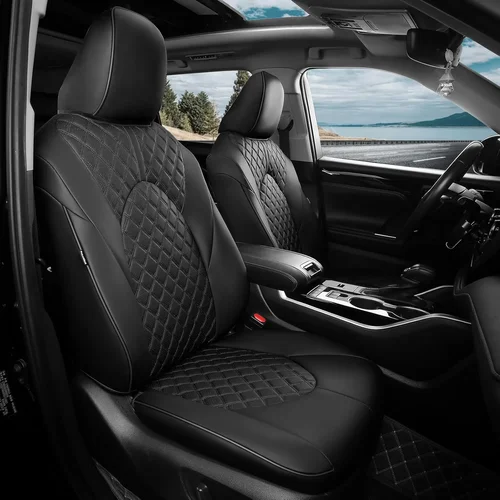
When it comes to transporting large families, multi-generational groups, or even carpooling with friends, few vehicles offer the space, comfort, and versatility of an 8-seater SUV. As we move into 2026, the market for these full-size utility vehicles has evolved dramatically—blending advanced technology, improved fuel efficiency, and enhanced safety features with the sheer practicality that only a three-row SUV can deliver. Whether you’re shuttling kids to soccer practice, planning a cross-country road trip, or simply need extra cargo space without sacrificing passenger comfort, choosing the right 8-seater SUV is a decision that impacts your daily life in meaningful ways.
This comprehensive buying guide is designed to help you navigate the increasingly complex landscape of large SUVs. We’ll walk you through every critical factor—from budget considerations and performance specs to interior features, safety ratings, and long-term reliability. You’ll learn how to compare different models objectively, avoid common pitfalls, and ultimately select the vehicle that best aligns with your lifestyle, needs, and financial goals. By the end of this guide, you won’t just know which SUVs are available—you’ll understand why one might be better suited for your family than another.
The 8-seater SUV market in 2026 is more competitive than ever. Traditional American brands like Chevrolet, Ford, and GMC continue to dominate with their full-size offerings, while Japanese automakers such as Toyota and Honda have refined their three-row models for better efficiency and refinement. Meanwhile, luxury brands including BMW, Mercedes-Benz, and Lexus are pushing the envelope with hybrid powertrains, cutting-edge infotainment systems, and premium materials. Even electric and plug-in hybrid options are beginning to enter the segment, signaling a shift toward more sustainable family transportation. With so many choices, it’s easy to feel overwhelmed—but armed with the right knowledge, you can make a confident, informed decision.
What to Look for When Buying Buying Guide
1. Seating Configuration & Interior Space
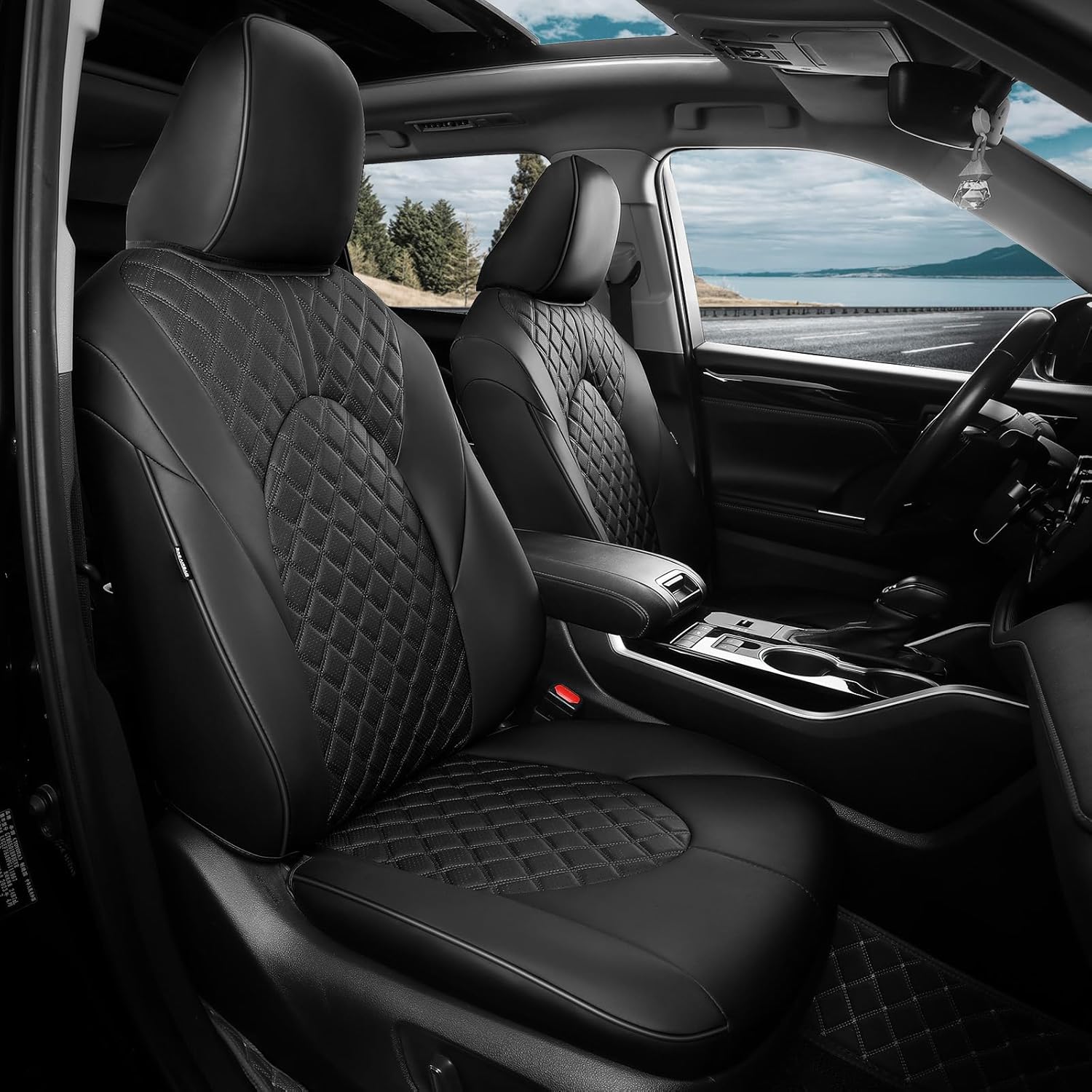
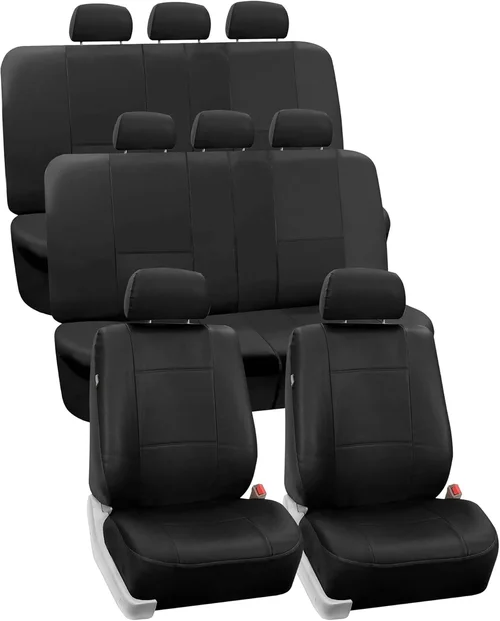
The defining feature of any 8-seater SUV is, of course, its ability to comfortably accommodate eight passengers. However, not all third rows are created equal. Some vehicles offer bench seating in the second row that allows three across, while others use captain’s chairs that reduce total capacity to seven but improve comfort for adults. True 8-passenger configurations typically include a 2-3-3 layout: two front seats, a three-person bench in the second row, and another three-person bench in the third row.
When evaluating interior space, pay close attention to legroom, headroom, and shoulder room in all three rows—especially the often-cramped third row. Many modern SUVs now offer sliding second-row seats that allow you to adjust legroom between rows, which is particularly useful if you frequently carry both kids and adults. Cargo space behind the third row is another critical metric; some SUVs offer as little as 12 cubic feet (barely enough for a few grocery bags), while others provide over 20 cubic feet—enough for strollers, luggage, or camping gear.
2. Budget & Price Range
Eight-seater SUVs span a wide price spectrum, from under $40,000 for base models to well over $90,000 for fully loaded luxury variants. Your budget will heavily influence which brands and trim levels are realistic options. Entry-level models from mainstream brands like Chevrolet Traverse or Ford Explorer start around $38,000–$42,000, while premium offerings such as the BMW X7 or Mercedes-Benz GLS begin closer to $75,000 and can exceed $100,000 with options.
Beyond the sticker price, consider total cost of ownership: fuel economy, insurance premiums, maintenance schedules, and expected depreciation. Full-size SUVs tend to depreciate faster than midsize models, and luxury brands often come with higher repair costs. Additionally, factor in financing terms—many automakers offer special APR rates or lease deals that can significantly reduce monthly payments. Don’t forget to account for optional add-ons like extended warranties, paint protection, or tech packages, which can quickly inflate the final price.
3. Performance Specifications
Performance in an 8-seater SUV isn’t just about speed—it’s about capability. Most large SUVs come with V6 or turbocharged four-cylinder engines, though V8s remain available in high-end trims. Horsepower typically ranges from 250 to over 400 hp, with torque figures between 260 and 500 lb-ft. For towing heavy trailers, boats, or RVs, look for models rated at 7,000+ pounds—common among Ford Expedition, Chevrolet Tahoe, and Toyota Sequoia.
Fuel efficiency has improved significantly in recent years, thanks to cylinder deactivation, lightweight materials, and hybrid systems. The 2026 Toyota Highlander Hybrid, for example, achieves up to 36 mpg combined, while the Ford Expedition Max with EcoBoost returns around 20 mpg. If you drive primarily in stop-and-go city traffic, a hybrid or plug-in hybrid (PHEV) may save you hundreds in fuel costs annually. Towing capacity, ground clearance, and available all-wheel drive (AWD) or four-wheel drive (4WD) systems also matter if you plan off-road adventures or live in snowy climates.
4. Safety Ratings & Driver-Assistance Features
Safety should be non-negotiable when transporting multiple passengers—especially children. In 2026, every major 8-seater SUV comes standard with advanced driver-assistance systems (ADAS), but the quality and comprehensiveness vary. Look for models that earn top marks from the National Highway Traffic Safety Administration (NHTSA) and the Insurance Institute for Highway Safety (IIHS). The IIHS “Top Safety Pick+” award is the gold standard, indicating superior crash protection and effective crash avoidance technology.
Essential ADAS features include automatic emergency braking, blind-spot monitoring, lane-keeping assist, adaptive cruise control, and rear cross-traffic alert. Higher-end models may offer semi-autonomous driving modes, night vision, driver drowsiness detection, and 360-degree cameras. For families, rear-seat reminders (to prevent leaving children in hot cars) and built-in child seat anchors (LATCH system) are invaluable. Always verify that safety tech is standard—not just available on expensive trims.
5. Technology & Infotainment
Modern 8-seater SUVs are rolling tech hubs. Expect large touchscreens (10–15 inches), wireless Apple CarPlay and Android Auto, multiple USB-C ports, Wi-Fi hotspots, and premium audio systems. Some models even offer rear-seat entertainment with dual screens, streaming apps, and HDMI inputs. The user interface should be intuitive—avoid systems that require multiple menus to perform basic functions like adjusting climate or navigating.
Voice recognition has improved dramatically, but not all systems are equally responsive. Test voice commands for navigation, calling, and media control during your test drive. Over-the-air (OTA) updates are becoming standard, allowing manufacturers to improve software and add features without a dealership visit. Digital key functionality (using your smartphone as a key fob) is also emerging in luxury models. For families, consider how easily passengers can control their own climate zones, charge devices, and access entertainment independently.
6. Build Quality & Long-Term Reliability
An 8-seater SUV is a major investment, so durability matters. Research predicted reliability ratings from sources like J.D. Power, Consumer Reports, and RepairPal. Brands like Toyota, Honda, and Lexus consistently rank highest for long-term dependability, while some domestic and European brands may require more frequent repairs. Pay attention to common issues reported by owners—such as transmission problems, electrical glitches, or suspension wear—and check recall histories.
Interior materials should feel substantial and resist wear. Look for soft-touch plastics, durable upholstery (leather or high-quality cloth), and tight panel gaps. Exterior fit and finish should be uniform, with consistent paint and well-aligned body panels. Rust resistance is less of a concern than in past decades, but if you live in a snowy or coastal area, inquire about underbody coatings and corrosion warranties. A well-built SUV should retain its value and functionality for 150,000+ miles with proper maintenance.
7. Brand Reputation & Dealer Support
Brand reputation extends beyond the vehicle itself—it includes dealer network quality, customer service, and parts availability. Toyota and Honda are renowned for hassle-free ownership experiences, with widespread dealerships and knowledgeable service staff. Luxury brands often provide white-glove concierge services but may have fewer service centers, leading to longer wait times for appointments.
Consider the resale value of the brand. Vehicles from manufacturers with strong reputations for reliability typically depreciate slower, making them smarter long-term investments. Also, evaluate regional support: if you live in a rural area, ensure there’s a reputable dealer within reasonable driving distance. Online reviews of local dealerships can reveal patterns of excellent or poor service. Finally, check if the brand offers mobile service (technicians who come to your home) or loaner car programs during repairs—these conveniences can make a big difference during busy family schedules.
8. Warranty & Ownership Perks
Warranty coverage varies widely and can tip the scales between otherwise similar models. Most new SUVs come with a 3-year/36,000-mile basic warranty and 5-year/60,000-mile powertrain coverage. However, some brands offer longer terms: Hyundai and Kia provide 5-year/60,000-mile basic and 10-year/100,000-mile powertrain warranties. Luxury brands may include complimentary maintenance for the first few years or free scheduled servicing.
Extended warranties (also called vehicle service contracts) can be worthwhile if you plan to keep the SUV beyond the factory warranty period—but read the fine print carefully. Exclusions, deductibles, and claim approval processes differ by provider. Additionally, many automakers now bundle perks like roadside assistance, trip interruption coverage, and connected services (remote start, vehicle tracking) into their ownership packages. These extras add real value, especially for families who travel frequently.
Different Types of Buying Guide

Common Buying Mistakes to Avoid
❌ Mistake: Prioritizing Size Over Usability
Why it’s bad: Just because an SUV seats eight doesn’t mean it’s practical for your daily routine. Oversized vehicles can be difficult to park, expensive to fuel, and intimidating to drive in tight urban areas. Many buyers regret choosing a massive SUV only to realize they rarely use the third row or tow heavy loads.
What to do instead: Assess your actual needs. If you mostly drive four people, a midsize 7-seater with easier third-row access might suffice. Test drive in real-world conditions—narrow streets, parking garages, and highway merges—to gauge comfort and confidence.
❌ Mistake: Ignoring Total Cost of Ownership
Why it’s bad: A low monthly payment can mask high insurance, fuel, and maintenance costs. Luxury SUVs often have steep depreciation and costly repairs. Some hybrids save on gas but carry expensive battery replacement risks down the line.
What to do instead: Use online calculators (like Edmunds’ True Cost to Own) to estimate 5-year expenses. Factor in fuel, insurance, repairs, and depreciation—not just the purchase price.
❌ Mistake: Overlooking Third-Row Comfort
Why it’s bad: Many “8-seaters” have cramped third rows suitable only for small children. If you regularly transport teens or adults in the back, discomfort leads to complaints and underused seating.
What to do instead: Bring actual passengers on your test drive—including adults—and have them sit in all rows for at least 15 minutes. Measure legroom and check for toe room under the front seats.
❌ Mistake: Skipping the Test Drive
Why it’s bad: Photos and specs don’t reveal how a vehicle feels on the road. Suspension tuning, noise levels, seat ergonomics, and visibility vary greatly between models.
What to do instead: Schedule extended test drives (30+ minutes) on varied terrain—highways, hills, and bumpy roads. Bring your family along to simulate real usage.
❌ Mistake: Falling for Flashy Features You Won’t Use
Why it’s bad: Premium sound systems, massaging seats, and gesture controls add cost but may go unused. These features increase complexity and potential repair issues.
What to do instead: Focus on essentials: safety tech, cargo space, ease of use, and reliability. Choose options that solve real problems for your household.
❌ Mistake: Not Researching Resale Value
Why it’s bad: Some SUVs lose 50% of their value in three years. If you plan to trade in or sell later, poor resale value wastes money.
What to do instead: Check Kelley Blue Book and Edmunds resale forecasts. Toyota, Honda, and Subaru typically hold value best.
❌ Mistake: Buying Based Solely on Brand Loyalty
Why it’s bad: Sticking with a familiar brand might mean missing out on better technology, pricing, or features from competitors.
What to do instead: Stay open-minded. Compare at least three brands side-by-side using objective criteria like safety scores, warranty terms, and owner satisfaction.
Budget Guidelines: How Much Should You Spend?
Entry-Level ($38,000–$48,000): This tier includes base trims of the Chevrolet Traverse, Ford Explorer, and Hyundai Palisade. Expect solid build quality, standard safety tech, and adequate performance, but fewer luxury touches. Third-row space may be tight, and infotainment systems are functional but not cutting-edge. Ideal for budget-conscious families who prioritize space and reliability over frills.
Mid-Range ($48,000–$65,000): The sweet spot for most buyers. Models like the Toyota Highlander Hybrid, Honda Pilot, and Kia Telluride offer excellent value with upscale interiors, robust standard features, and strong resale value. You’ll find better materials, more advanced driver aids, and improved fuel economy. Many include captain’s chairs, larger screens, and premium audio—perfect for growing families seeking balance.
Premium ($65,000–$85,000): For enthusiasts and professionals who want more power, towing, and refinement. The Ford Expedition, Chevrolet Tahoe, and GMC Yukon deliver V8 engines, massive cargo holds, and available 4WD. Luxury touches like leather, panoramic roofs, and adaptive suspension appear. Great for those who need serious capability without stepping into ultra-luxury territory.
Luxury ($85,000+): Top-tier features define this category. The BMW X7, Mercedes-Benz GLS, and Lexus LX offer hand-stitched interiors, semi-autonomous driving, and whisper-quiet cabins. Hybrid and mild-hybrid powertrains improve efficiency without sacrificing performance. These SUVs excel in comfort and prestige but come with higher maintenance costs and steeper depreciation. Best for buyers who value brand cachet and cutting-edge innovation.
Expert Tips for Getting the Best Deal
- Time your purchase strategically: End-of-year (November–December) and end-of-quarter (March, June, September) are prime times for dealer incentives. Manufacturers often clear inventory before new model years arrive.
- Negotiate based on invoice price, not MSRP: Use resources like Edmunds and TrueCar to see what others paid in your area. Aim to pay near invoice, especially on slow-selling trims.
- Consider certified pre-owned (CPO): Late-model CPO SUVs offer near-new condition with extended warranties at 15–20% lower prices. Brands like Lexus and Honda have excellent CPO programs.
- Leverage manufacturer rebates: Military, first responder, college graduate, and loyalty discounts can save $500–$2,000. Stack them when possible.
- Read the fine print on financing: 0% APR sounds great, but it often requires excellent credit and may limit other incentives. Compare dealer financing with bank or credit union rates.
- Inspect thoroughly before signing: Check for paint flaws, interior stains, and tire wear. Ensure all features work—including obscure ones like rear wipers or ambient lighting.
- Ask about trade-in value upfront: Get appraisals from multiple sources (CarMax, Carvana, local dealers) to avoid lowball offers at the dealership.
- Don’t rush add-ons: Extended warranties, VIN etching, and fabric protection are often overpriced at the dealer. You can buy similar products cheaper elsewhere or skip them entirely.

Frequently Asked Questions
Q: Can all 8-seater SUVs actually fit eight adults comfortably?
A: Rarely. Most 8-seaters are designed with children or smaller adults in mind for the third row. True adult comfort in all three rows is limited to a few models like the Chevrolet Suburban, Ford Expedition MAX, and Mercedes-Benz GLS. Always test with your actual passengers.
Q: Are hybrid 8-seater SUVs worth the extra cost?
A: If you drive over 15,000 miles annually, especially in city traffic, hybrids like the Toyota Highlander Hybrid can pay for themselves in fuel savings within 3–5 years. However, if you mostly highway-drive or tow frequently, traditional engines may be more efficient.
Q: What’s the difference between AWD and 4WD in large SUVs?
A: AWD (all-wheel drive) is always active and optimized for on-road traction and light snow. 4WD (four-wheel drive) is selectable, offers low-range gearing, and is better for off-roading or heavy towing. Most family SUVs use AWD; body-on-frame models like the Toyota Sequoia offer 4WD.
Q: How much cargo space should I expect behind the third row?
A: It varies widely: from 12–16 cubic feet in midsize SUVs (e.g., Honda Pilot) to 30+ cubic feet in full-size models (e.g., Ford Expedition). Folding third-row seats usually doubles or triples that space.
Q: Do I need to replace tires more often on a heavy SUV?
A: Yes—larger, heavier vehicles exert more force on tires, leading to faster wear. Rotate tires every 5,000–7,500 miles and check alignment annually to extend tread life.
Q: Can I install three car seats in the second row?
A: Many SUVs allow this, but width and LATCH anchor placement matter. Models with bench seats (not captain’s chairs) and wide second rows—like the Kia Telluride or Subaru Ascent—are best for three car seats.
Q: Are 8-seater SUVs safe in crashes?
A: Modern 8-seaters score very well in crash tests due to advanced materials and safety tech. However, their size can increase risk to smaller vehicles in collisions. Always prioritize models with top IIHS/NHTSA ratings.
Q: What’s the best way to access the third row?
A: Look for one-touch fold-and-tumble second-row seats, wide rear doors, and low step-in height. Some SUVs offer power-folding third rows or remote access via the key fob.
Q: How long do 8-seater SUVs typically last?
A: With proper maintenance, most last 150,000–200,000 miles. Toyota and Honda models often exceed 250,000 miles. Regular oil changes, fluid checks, and timely repairs are key.
Q: Should I buy now or wait for 2027 models?
A: If you need a vehicle immediately, buy now—2026 models have strong incentives. If you can wait, 2027 may bring new hybrids or updated tech, but prices could rise due to inflation or supply constraints.
Our Final Recommendations
Best for Budget-Conscious Buyers: 2026 Hyundai Palisade SEL – Starting under $45,000, it offers upscale interiors, standard safety tech, and a spacious third row. Excellent warranty and strong reliability make it a smart value play.
Best Overall Value: 2026 Toyota Highlander Hybrid Limited – Combines 36 mpg, legendary reliability, and comfortable seating for eight. Perfect blend of efficiency, space, and long-term dependability.
Best Premium Option: 2026 Ford Expedition MAX Limited – Massive cargo hold, 440 hp twin-turbo V6, and luxurious interior. Ideal for families who need towing power and room without luxury-brand pricing.
Best for Beginners: 2026 Honda Pilot EX-L – User-friendly infotainment, intuitive controls, and excellent visibility. Great first large SUV for new drivers or those transitioning from sedans.
Best for Advanced Users: 2026 BMW X7 xDrive40i – Cutting-edge tech, adaptive air suspension, and semi-autonomous driving. For tech-savvy buyers who want the pinnacle of performance and innovation.
Conclusion: Making the Right Choice
Choosing the right 8-seater SUV in 2026 is about more than just checking boxes for seating and size—it’s about aligning your vehicle with your lifestyle, priorities, and long-term goals. From budget constraints and safety needs to tech preferences and driving habits, every family’s ideal SUV looks different. By focusing on the factors that truly matter—interior space, reliability, total cost of ownership, and real-world usability—you can cut through the marketing noise and find a vehicle that serves your household for years to come.
Remember, the “best” SUV isn’t necessarily the biggest, most expensive, or most feature-packed model on the lot. It’s the one that fits your garage, your driveway, your budget, and your daily routine like a glove. Take your time, do your research, involve your family in the decision, and don’t hesitate to walk away if a deal doesn’t feel right. With the insights from this guide, you’re now equipped to make a confident, informed choice that brings comfort, convenience, and peace of mind to every mile you drive.