
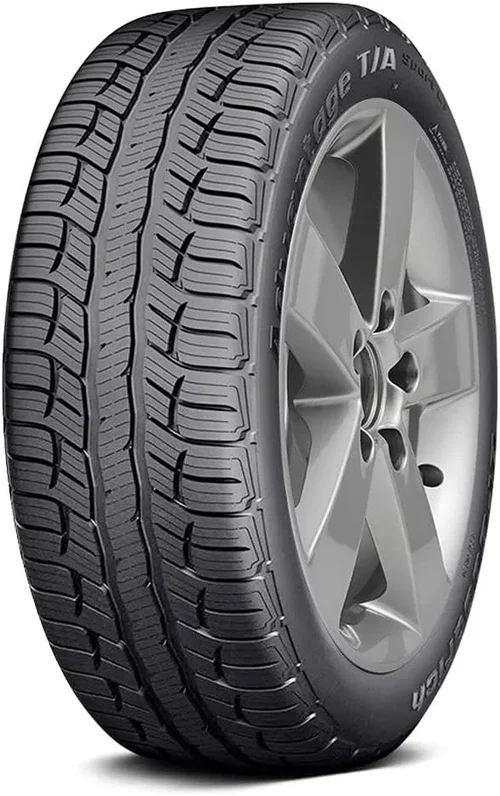
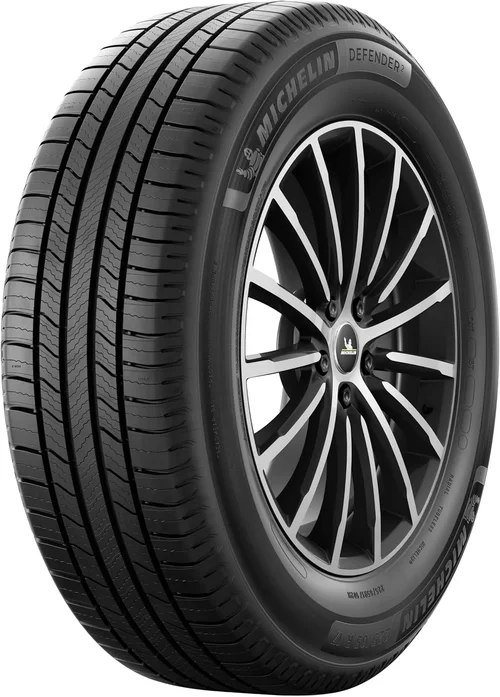
When it comes to keeping your SUV safe, reliable, and performing at its best year-round, few upgrades matter as much as your tires. Whether you’re navigating city streets in light rain, cruising down the highway on a summer road trip, or tackling snowy mountain passes in winter, all-season SUV tires are your first line of defense against the elements. Unlike summer or winter-specific tires, all-season options are engineered to deliver balanced performance across a wide range of conditions—making them the go-to choice for most SUV owners who want convenience without compromising safety.
But with hundreds of tire models on the market, choosing the right set can feel overwhelming. From tread patterns and rubber compounds to load ratings and noise levels, the details matter. That’s where this comprehensive guide comes in. We’ve tested, analyzed, and compared the top all-season SUV tires available in 2026 to help you make an informed decision. Whether you drive a compact crossover like a Honda CR-V or a full-size SUV like a Ford Expedition, this guide will walk you through everything you need to know—from key performance factors and budget considerations to expert tips and common pitfalls to avoid.
In this guide, you’ll learn how to evaluate tire performance based on real-world driving conditions, understand the differences between tire categories, and discover which models offer the best value for your specific needs. We’ll break down technical specs into plain language, highlight the most trusted brands, and provide actionable advice to ensure you get the most out of your investment. By the end, you’ll have the confidence to choose tires that not only fit your SUV but also enhance your driving experience in every season.

What to Look for When Buying Buying Guide
1. Tread Life and Durability
Tread life is one of the most critical factors when selecting all-season SUV tires. It directly impacts how long your tires will last before needing replacement, which affects both cost-efficiency and long-term safety. Tread life is measured in miles (e.g., 60,000 or 80,000 miles) and is influenced by the rubber compound, tread design, and driving habits. Softer compounds may offer better grip but wear out faster, while harder compounds last longer but may sacrifice some wet or snow traction.
Look for tires with a high treadwear rating—typically indicated by a UTQG (Uniform Tire Quality Grading) number. For example, a tire with a treadwear rating of 700 will generally last longer than one rated at 500. However, don’t rely solely on this number, as it’s based on controlled lab tests and may not reflect real-world conditions. Instead, check independent reviews and user feedback for real-world longevity insights. Tires like the Michelin Defender LTX M/S and Continental CrossContact LX25 are known for exceptional tread life, often exceeding their rated mileage.
Durability also includes resistance to punctures, cuts, and sidewall damage—especially important for SUVs that may carry heavy loads or drive on rough terrain. Reinforced sidewalls and advanced casing designs help prevent damage and improve overall tire resilience.
2. Wet and Dry Traction
Traction is the foundation of safe driving, and all-season tires must perform well in both wet and dry conditions. Wet traction is crucial for preventing hydroplaning and maintaining control during rainstorms. Look for tires with deep, circumferential grooves and siping (small slits in the tread blocks) that channel water away from the contact patch. The Michelin CrossClimate2 SUV, for instance, uses a unique V-shaped tread pattern and advanced silica-based compound to deliver excellent wet grip.
Dry traction, on the other hand, affects handling, cornering stability, and braking performance on warm, dry roads. Tires with a stiffer tread compound and optimized contact patch provide better responsiveness and shorter stopping distances. Performance-oriented all-season tires like the Pirelli Scorpion Verde All Season Plus II offer a balance of dry grip and comfort, making them ideal for drivers who enjoy spirited driving.
Always check independent test results from organizations like Consumer Reports or Tire Rack, which conduct real-world braking and handling tests. A tire that scores well in both wet and dry conditions will give you confidence no matter the weather.
3. Snow and Winter Performance
While all-season tires aren’t designed for extreme winter conditions like dedicated snow tires, many modern models offer impressive light snow and icy road performance. The key indicator here is the Three-Peak Mountain Snowflake (3PMSF) symbol, which certifies that a tire meets severe snow service requirements. Tires with this rating, such as the Bridgestone WeatherPeak and Goodyear Assurance WeatherReady, are engineered with specialized tread compounds that remain flexible in cold temperatures.
Look for features like aggressive siping, multi-directional tread blocks, and biting edges that enhance grip on snow and ice. Some tires also use 3D sipes that expand as the tire wears, maintaining traction over time. While these tires won’t match the performance of true winter tires in deep snow or sub-zero temperatures, they’re more than capable of handling occasional snowfall and icy patches—making them ideal for regions with mild to moderate winters.
4. Ride Comfort and Noise Levels
SUVs are often used for long-distance travel and family trips, so ride comfort is a major consideration. A smooth, quiet ride enhances passenger comfort and reduces driver fatigue. Tire design plays a significant role here—features like variable pitch tread blocks, noise-canceling technology, and optimized sidewall stiffness help minimize road noise and vibrations.
Tires with a higher aspect ratio (e.g., 60 or 65) tend to offer a softer ride because the taller sidewalls absorb more road imperfections. However, they may sacrifice some handling precision. Conversely, lower-profile tires (e.g., 50 or 45) provide sharper steering response but can feel harsher on rough roads.
Noise levels are often measured in decibels (dB), but most manufacturers don’t publish this data. Instead, rely on user reviews and expert assessments. Tires like the Continental CrossContact LX20 and Yokohama Geolandar A/T G015 are praised for their quiet operation and comfortable ride, making them excellent choices for daily commuters and road-trippers.
5. Load Capacity and Speed Rating
SUVs are heavier than sedans and often carry more cargo, passengers, or towing loads, so it’s essential to choose tires with the correct load index and speed rating. The load index is a numerical code (e.g., 110 or 115) that indicates the maximum weight a tire can support when properly inflated. Check your vehicle’s owner’s manual or the tire placard (usually on the driver’s door jamb) to find the recommended load index.
Speed rating, represented by a letter (e.g., H, V, W), indicates the maximum speed the tire can sustain under load. For most SUVs, an H rating (up to 130 mph) or V rating (up to 149 mph) is sufficient. However, high-performance SUVs like the Porsche Cayenne or BMW X5 may require W (168 mph) or Y (186 mph) rated tires.
Never install tires with a lower load index or speed rating than recommended—doing so can compromise safety and void your vehicle’s warranty. Always match or exceed the OEM specifications.
6. Fuel Efficiency and Rolling Resistance
Fuel efficiency is an often-overlooked but important factor, especially for SUVs, which tend to have lower gas mileage than smaller vehicles. Tires with low rolling resistance require less energy to move, which can improve fuel economy by 1–3%. This is achieved through advanced rubber compounds, lightweight construction, and optimized tread designs that reduce friction with the road.
Look for tires labeled as “eco-friendly” or “fuel-efficient.” The Michelin Energy Saver A/S and Goodyear Assurance Fuel Max are examples of all-season tires designed to reduce rolling resistance without sacrificing performance. Over the life of the tires, the fuel savings can offset a higher upfront cost.
Keep in mind that fuel-efficient tires may use harder compounds, which can slightly reduce wet traction or tread life. However, modern technology has largely closed this gap, allowing for a good balance of efficiency and performance.
7. Brand Reputation and Reliability
Not all tire brands are created equal. Established manufacturers like Michelin, Continental, Bridgestone, Goodyear, and Pirelli have decades of experience and rigorous testing processes, resulting in consistent quality and performance. These brands invest heavily in research and development, often leading the industry in innovation.
While lesser-known or budget brands may offer lower prices, they may lack the same level of testing, durability, or customer support. That said, some value brands like General, Falken, and Kumho have improved significantly in recent years and offer solid performance at a lower cost.
When evaluating brands, consider factors like warranty coverage, customer service, and availability of replacement tires. A reputable brand is more likely to stand behind its products and provide reliable support if issues arise.
8. Warranty and Road Hazard Protection
A strong warranty can save you money and provide peace of mind. Most premium all-season SUV tires come with a tread life warranty ranging from 50,000 to 80,000 miles. Some brands, like Michelin and Continental, offer prorated warranties that refund a portion of the cost based on how much tread is left when the tire wears out.
Additionally, many retailers and manufacturers offer road hazard protection plans that cover damage from potholes, nails, or other road debris. These plans typically last 2–3 years and can be worth the extra cost, especially if you drive on poorly maintained roads.
Always read the fine print—warranties often require proper maintenance (e.g., regular rotations, alignments, and inflation checks) to remain valid. Keep your receipts and maintenance records to ensure coverage.