
Electric SUVs have evolved from niche curiosities into mainstream powerhouses, reshaping how we think about family transportation, off-road capability, and sustainable driving. As we move through 2026, the market is more competitive than ever—offering a dizzying array of options across price points, performance tiers, and feature sets. Whether you’re upgrading from a gas-powered SUV or making your first leap into electric mobility, choosing the right EV SUV requires careful consideration. This guide cuts through the noise to help you make an informed, confident decision based on your lifestyle, budget, and long-term needs.
In this comprehensive buying guide, you’ll learn how to evaluate the most important factors when shopping for an electric SUV—from range and charging speed to cargo space, tech features, and total cost of ownership. We’ll break down the different types of EV SUVs available today, highlight common pitfalls to avoid, and provide expert-backed tips to get the best deal. You’ll also find real-world recommendations tailored to various buyer profiles, whether you’re a budget-conscious commuter, a tech-savvy family, or an adventure seeker looking for off-grid capability. By the end, you’ll have a clear roadmap to find the EV SUV that fits your life—not just your garage.
The EV SUV segment has exploded in recent years, with nearly every major automaker now offering at least one—and often multiple—electric utility vehicles. From compact crossovers like the Hyundai Ioniq 5 to full-size titans like the Rivian R1S, the choices reflect diverse priorities: efficiency, luxury, performance, or rugged utility. Battery technology continues to improve, with many 2026 models offering over 300 miles of EPA-estimated range, while fast-charging capabilities allow drivers to add hundreds of miles in under 30 minutes. Meanwhile, advancements in software, driver assistance systems, and interior design are making these vehicles smarter, safer, and more comfortable than ever. With federal and state incentives still available in many regions, now is an excellent time to consider going electric—but only if you choose wisely.
What to Look for When Buying Buying Guide
1. Range & Battery Efficiency
Range remains the single most critical factor for most EV buyers—and for good reason. Unlike gasoline vehicles, where refueling takes minutes and stations are ubiquitous, EV charging still requires planning, especially on long trips. In 2026, most new EV SUVs offer between 250 and 400 miles of EPA-estimated range, but real-world performance can vary significantly based on driving conditions, climate, and usage patterns.
When evaluating range, don’t just look at the headline number. Consider the battery’s usable capacity (not total capacity), as some manufacturers reserve a buffer to protect battery health. Also, check whether the vehicle uses heat pumps for cabin heating—this can improve cold-weather efficiency by up to 30%. For example, the Tesla Model Y Long Range delivers consistent real-world range thanks to its efficient thermal management system, while some older EVs without heat pumps suffer dramatic range loss in winter.
If you frequently drive long distances or live in a rural area with sparse charging infrastructure, aim for at least 300 miles of range. Urban dwellers with access to home charging may find 250 miles sufficient. Always cross-reference EPA estimates with independent tests from sources like Edmunds or InsideEVs, which often reveal discrepancies due to testing methodologies.
2. Charging Speed & Infrastructure Compatibility
Range matters, but so does how quickly you can replenish it. Charging speed is measured in kilowatts (kW)—the higher the number, the faster the battery fills. Most 2026 EV SUVs support DC fast charging between 150 kW and 350 kW. A vehicle capable of 250 kW can add roughly 200 miles of range in 15–20 minutes under ideal conditions.
However, charging speed isn’t just about the car—it’s also about the network. Ensure your chosen EV is compatible with widely available fast-charging networks like Electrify America, EVgo, or Tesla’s Supercharger (now open to non-Teslas via adapters). Some brands, like Ford and GM, have partnered with Tesla to grant access to Superchargers starting in 2025, greatly expanding convenience.
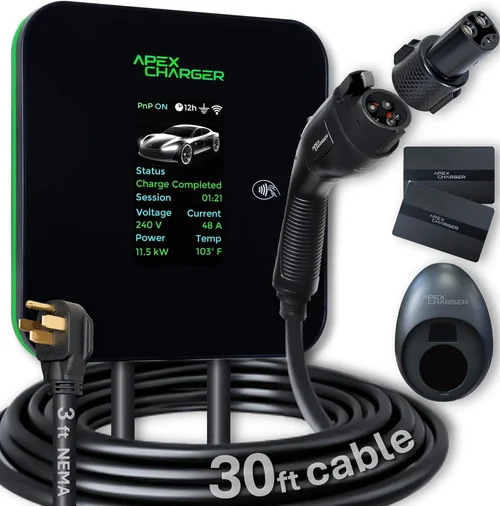
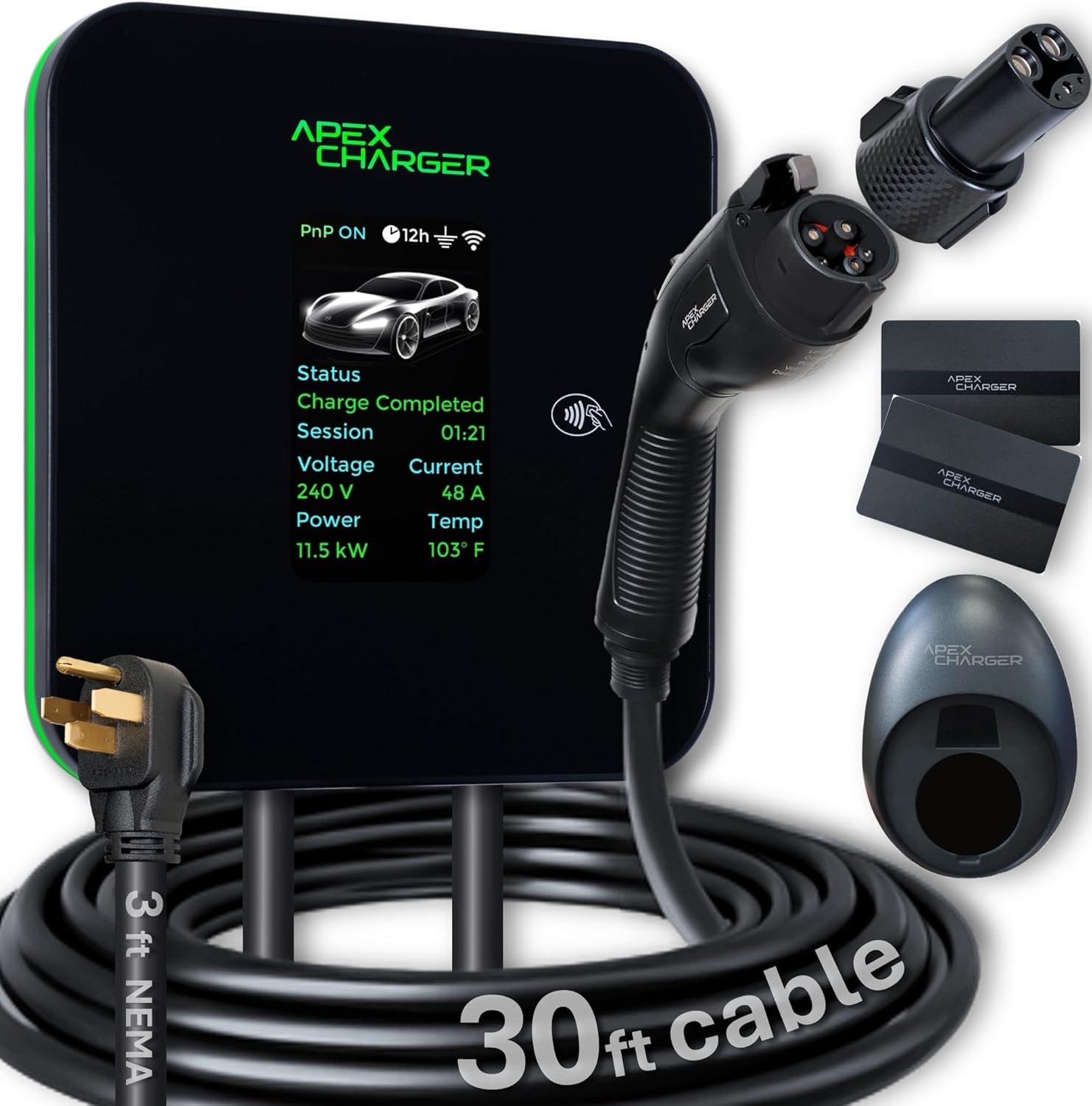
Also consider onboard AC charging capability if you plan to install a Level 2 home charger. Most EVs accept 11 kW or 19.2 kW AC charging, but verify your home electrical setup can support it. A 240V circuit with a 40–50 amp breaker is typically required for optimal home charging speeds.
3. Cargo Space & Practicality
One of the primary reasons buyers choose SUVs is utility—and EVs are no exception. But electric drivetrains change packaging. Many EV SUVs feature a “frunk” (front trunk) thanks to the absence of an engine, adding extra storage. Rear cargo volume can also differ from gas counterparts due to battery placement under the floor.
Compare cargo capacities with rear seats up and down. For instance, the Kia EV9 offers up to 84.3 cubic feet with seats folded, rivaling traditional three-row SUVs like the Honda Pilot. Meanwhile, the compact Volkswagen ID.4 provides 30.3 cubic feet behind the second row—adequate for groceries or weekend gear but less than some rivals.
Don’t overlook interior flexibility. Look for sliding rear seats, fold-flat front passenger seats (for hauling long items), and waterproof underfloor compartments. If you have kids, check rear legroom and ease of car seat installation. Some EVs, like the Mercedes EQB, offer optional third rows, though space is often tight for adults.
4. Performance & Driving Dynamics
EVs are inherently quick—instant torque delivery means many entry-level models out-accelerate luxury sports cars. But performance isn’t just about 0–60 mph times. Consider ride quality, handling, and regenerative braking behavior.
Dual-motor all-wheel-drive (AWD) configurations are common in premium EV SUVs and provide better traction and stability, especially in snow or rain. However, they consume more energy, potentially reducing range by 10–15% compared to rear-wheel-drive (RWD) variants.
Test drive multiple models if possible. Some EVs, like the Porsche Macan EV, prioritize sporty handling with adaptive air suspension and rear-axle steering. Others, like the Volvo EX90, focus on comfort and quiet refinement. Pay attention to brake feel—many EVs use one-pedal driving, where lifting off the accelerator slows the car significantly. While efficient, this can take getting used to.
5. Technology & Infotainment
Modern EV SUVs are rolling tech hubs. Expect large touchscreens (12–17 inches), over-the-air (OTA) software updates, and advanced driver assistance systems (ADAS). But not all infotainment systems are created equal.
Look for intuitive interfaces with responsive touch response and minimal lag. Apple CarPlay and Android Auto should be standard—even in luxury models—though some brands (notably Tesla) omit them entirely. Voice control quality varies widely; test commands like “Find nearest charging station” or “Set temperature to 72 degrees” during a demo.
Safety tech is equally important. Features like adaptive cruise control with stop-and-go, lane-keeping assist, blind-spot monitoring, and automatic emergency braking are now commonplace. Higher-tier systems, such as GM’s Super Cruise or Ford’s BlueCruise, offer hands-free highway driving on mapped roads—a major convenience for long commutes.
6. Build Quality & Interior Materials
An EV’s interior says a lot about its long-term value. Sustainable materials are increasingly popular—recycled plastics, vegan leather, and responsibly sourced wood or metal trim. But sustainability shouldn’t come at the cost of durability.
Check stitching, panel gaps, and switchgear quality. Sit in the driver’s seat and assess visibility, seat comfort, and control placement. Are buttons and knobs easy to reach? Is the steering wheel adjustable? Small details matter over years of ownership.
Also consider noise insulation. EVs are quieter than ICE vehicles, but wind and road noise can still be noticeable at highway speeds. Premium models often include acoustic glass and active noise cancellation to maintain a serene cabin.
7. Brand Reputation & Reliability
While EV technology is relatively new, brand track records still matter. Established automakers like Toyota, Hyundai, and Ford have decades of manufacturing experience and robust dealer networks. Newer entrants like Rivian or Lucid offer cutting-edge innovation but may face growing pains in service availability or parts supply.
Consult reliability reports from J.D. Power, Consumer Reports, or RepairPal. Pay attention to battery degradation rates—most manufacturers guarantee 70–80% capacity after 8 years or 100,000 miles. Real-world data suggests many EVs retain 90%+ capacity well beyond that, but early adopters of certain models (e.g., early Nissan Leafs) experienced faster degradation.
8. Warranty & Support
EV warranties typically cover the battery separately from the rest of the vehicle. Look for at least an 8-year/100,000-mile battery warranty—many brands now offer 8-year/150,000 miles. Some, like Hyundai and Kia, even provide lifetime battery warranties for the original owner.
Also check what’s included in roadside assistance. Flat tires, dead 12V batteries, and towing to the nearest charger should be covered. Mobile service options (where technicians come to your home) are becoming more common and can save time.
Different Types of Buying Guide

Common Buying Mistakes to Avoid
❌ Mistake: Focusing Only on Sticker Price
Why it’s bad: The upfront cost doesn’t tell the whole story. EVs often have lower maintenance costs (no oil changes, fewer moving parts), reduced fuel expenses, and potential tax credits that significantly lower total ownership cost. Ignoring these factors can lead you to overlook a better long-term value.
What to do instead: Calculate the total cost of ownership over 5–7 years, including insurance, charging, maintenance, and resale value. Use tools like Edmunds’ True Cost to Own or Kelley Blue Book’s 5-Year Cost to Own.
❌ Mistake: Overestimating Real-World Range
Why it’s bad: EPA estimates are optimistic. Cold weather, highway speeds, roof racks, and aggressive driving can reduce range by 20–40%. Relying solely on the advertised range may leave you stranded or anxious on long trips.
What to do instead: Assume 80–85% of EPA range in real-world conditions. If you need 250 miles of reliable range, choose a vehicle rated for at least 300 miles. Always plan charging stops with buffer.
❌ Mistake: Ignoring Charging Infrastructure
Why it’s bad: Even with great range, you’ll eventually need to charge away from home. Living in an apartment or rural area without reliable public charging makes EV ownership challenging.
What to do instead: Map charging options along your regular routes and near destinations you frequent. Consider installing a home charger if possible—even a basic Level 2 unit costs far less than years of gas.
❌ Mistake: Skipping the Test Drive
Why it’s bad: EV driving dynamics differ from gas vehicles. Regen braking, steering feel, and cabin noise vary widely between brands. What looks good on paper may feel uncomfortable in practice.
What to do instead: Schedule test drives of at least 2–3 top contenders. Drive on highways, city streets, and rough roads if possible. Bring your family to assess space and comfort.
❌ Mistake: Overpaying for Unnecessary Features
Why it’s bad: Luxury packages, ultra-high-performance modes, and exotic materials inflate prices without adding practical value for most drivers.
What to do instead: Prioritize features you’ll actually use—like reliable ADAS, good cargo space, and fast charging. Skip options like massage seats or 22-speaker audio unless they’re must-haves.
❌ Mistake: Not Researching Incentives
Why it’s bad: Federal, state, and local incentives can save you $5,000–$15,000, but they’re often overlooked or misunderstood. Some require specific battery sourcing or income limits.
What to do instead: Check the IRS Clean Vehicle Credit database and your state’s energy office website. Work with dealers who understand current incentive rules—some will apply credits at purchase.
❌ Mistake: Assuming All EVs Are Equally Reliable
Why it’s bad: Early EV models had issues with software glitches, battery management, and build quality. Newer brands may lack proven track records.
What to do instead: Read owner forums, reliability surveys, and long-term reviews. Stick with brands that offer strong warranties and have a history of standing behind their products.
Budget Guidelines: How Much Should You Spend?
– Entry-Level ($40,000 – $55,000): What to expect…
These compact EV SUVs prioritize efficiency and affordability. Models like the Chevrolet Equinox EV, Hyundai Kona Electric, and upcoming Toyota bZ3X offer 250–280 miles of range, basic infotainment, and adequate cargo space. Ideal for city driving and short commutes. Expect fewer luxury touches and slower DC charging (under 150 kW).
– Mid-Range ($55,000 – $75,000): Sweet spot for most buyers…
This tier includes popular models like the Tesla Model Y, Ford Mustang Mach-E, and Volkswagen ID.4 Pro S. You’ll get 300+ miles of range, faster charging (200+ kW), premium interiors, and advanced safety features. Most offer AWD options and strong resale value. Perfect for families and frequent travelers.
– Premium ($75,000 – $100,000): For enthusiasts and professionals…
Vehicles like the BMW iX, Mercedes EQE SUV, and Genesis Electrified GV70 deliver luxury materials, cutting-edge tech, and refined driving dynamics. Expect air suspension, premium audio, hands-free highway driving, and ultra-fast charging. Great for those who want both performance and prestige.
– Luxury ($100,000+): Top-tier features…
The Lucid Gravity, Rivian R1S, and upcoming Cadillac Escalade IQ represent the pinnacle of EV SUV engineering. These offer 400+ mile ranges, off-road prowess, three rows of seating, and bespoke interiors. Built for those who demand the absolute best—and can afford it.
Expert Tips for Getting the Best Deal
– Time your purchase strategically: Automakers often clear inventory at the end of the model year (August–October) or during holiday sales events. Q4 typically offers the best incentives as dealers meet annual targets.
– Negotiate based on invoice, not MSRP: EV pricing is still somewhat flexible. Use tools like TrueCar or Edmunds to see what others paid in your area. Mention competing offers to leverage better terms.
– Consider certified pre-owned (CPO): Late-model used EV SUVs can offer significant savings with remaining factory warranty. CPO programs often include battery health checks and roadside assistance.
– Install a home charger during purchase: Many dealers offer bundled pricing for home installation. This avoids markups from third-party electricians and ensures compatibility.
– Read the fine print on warranties: Some battery warranties only cover “catastrophic failure,” not gradual degradation. Ask specifically what capacity loss triggers a replacement.
– Check for software subscription traps: Some brands lock features like heated seats or navigation behind monthly fees after the first year. Confirm which features are permanently included.
– Use employer or utility rebates: Some companies offer EV purchase bonuses. Utilities like PG&E or ConEd provide cash back for home charger installation or off-peak charging plans.
– Test charge at public stations: Before committing, try charging your top choice at a nearby DC fast charger. See how quickly it ramps up and whether the interface is user-friendly.
Frequently Asked Questions
Q: How long do EV batteries last?
A: Most EV batteries are designed to last 10–15 years or 150,000–200,000 miles. Degradation is typically slow—around 2–3% per year. Many manufacturers guarantee 70–80% capacity after 8 years. Real-world data shows most owners retain 90%+ capacity well beyond that.
Q: Can I install a home charger myself?
A: While technically possible, it’s not recommended. A licensed electrician should handle the installation to ensure safety, code compliance, and eligibility for rebates. Most utilities require professional installation for incentive programs.
Q: Are EV SUVs safe in crashes?
A: Yes. EVs undergo the same rigorous crash testing as gasoline vehicles. In fact, their low center of gravity (due to floor-mounted batteries) reduces rollover risk. Many EV SUVs earn Top Safety Pick+ ratings from the IIHS.
Q: What happens if I run out of charge?
A: Most EVs provide ample warning (lights, alerts, reduced power) before reaching zero. Roadside assistance can tow you to a charger. Some services, like AAA, now offer mobile charging units in select areas.
Q: Do EV SUVs handle well in snow?
A: Generally, yes—especially AWD models. Instant torque can be managed precisely, and regenerative braking improves control. Winter tires are still essential, and preconditioning the battery while plugged in helps maintain range.
Q: Can I tow with an EV SUV?
A: Absolutely. Many EV SUVs, like the Ford F-150 Lightning (pickup) or Rivian R1S, are rated for 7,700+ lbs. However, towing significantly reduces range—often by 30–50%. Plan accordingly and use trailer mode if available.
Q: Are there enough charging stations?
A: It depends on your location. Urban and suburban areas have robust networks, but rural regions may have gaps. The NEVI program is expanding highway corridors, and Tesla’s open Supercharger network improves access. Always plan ahead.
Q: Do EV SUVs require special maintenance?
A: Less than gas vehicles. No oil changes, spark plugs, or exhaust systems. Brake pads last longer due to regen braking. Tire rotation, cabin air filters, and 12V battery checks are still needed. Annual inspections vary by state.
Q: Can I charge at work?
A: Many employers now offer workplace charging. Check with your HR department. Even a slow Level 1 charger can add 40–50 miles during an 8-hour workday—enough for most commutes.
Q: Will EV SUVs hold their value?
A: Historically, early EVs depreciated quickly, but newer models with strong demand (like Tesla, Rivian, and Hyundai) retain value well. Battery health and software updates play a big role. Leasing mitigates depreciation risk.
Our Final Recommendations
– Best for Budget-Conscious Buyers: Hyundai Ioniq 5 – With 303 miles of range, ultra-fast 350 kW charging, and a spacious, futuristic interior, the Ioniq 5 delivers exceptional value under $50,000. Its vehicle-to-load (V2L) feature even powers small appliances.
– Best Overall Value: Tesla Model Y Long Range – Despite minimalistic interiors, the Model Y offers class-leading efficiency, access to the Supercharger network, and frequent OTA updates. Its 330-mile range and strong resale make it a pragmatic choice.
– Best Premium Option: BMW iX xDrive50 – Luxurious, quiet, and technologically advanced, the iX combines 324 miles of range with a stunning curved display, sustainable materials, and adaptive air suspension. Ideal for discerning buyers.
– Best for Beginners: Ford Mustang Mach-E Select – Familiar Ford dealership support, intuitive Sync 4A infotainment, and a comfortable ride make the Mach-E an excellent first EV. The standard-range RWD version offers 247 miles for under $45,000.
– Best for Advanced Users: Rivian R1S – For adventurers, the R1S delivers 400 miles of range, quad-motor AWD, air suspension, and off-road modes like “Tank Turn.” Its gear tunnel and camp kitchen options redefine outdoor utility.
Conclusion: Making the Right Choice
Choosing the right EV SUV in 2026 isn’t just about going green—it’s about finding a vehicle that aligns with your daily life, financial goals, and personal values. From range and charging to cargo space and tech, every factor plays a role in long-term satisfaction. Avoid common pitfalls like fixating on price alone or underestimating real-world range, and always prioritize test drives and total cost of ownership.
Remember, the “best” EV SUV is the one that fits your unique needs—not the one with the most horsepower or the shiniest screen. Whether you’re a city dweller seeking efficiency, a family needing space, or an explorer craving capability, there’s a perfect electric SUV waiting for you. Take your time, do your research, and don’t hesitate to ask dealers tough questions. With the right preparation, your transition to electric mobility will be smooth, rewarding, and future-proof.