
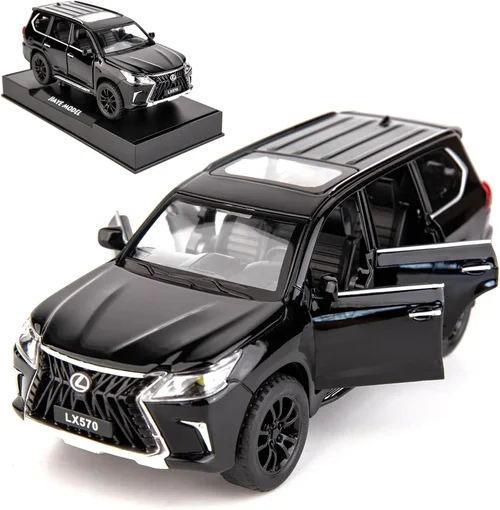
When it comes to luxury SUVs, few brands command the same level of respect, reliability, and refinement as Lexus. As Toyota’s premium division, Lexus has spent decades perfecting the art of blending comfort, performance, and long-term dependability into vehicles that feel as luxurious as they are practical. Whether you’re a growing family needing extra cargo space, a professional seeking a sophisticated daily driver, or an adventurer craving all-terrain capability, Lexus offers a diverse lineup of SUVs designed to meet a wide range of lifestyles and expectations.
This comprehensive buying guide is crafted for discerning buyers who want more than just a vehicle—they want a long-term investment in quality, safety, and driving pleasure. By the time you finish reading, you’ll have a clear understanding of what makes each Lexus SUV unique, how to evaluate your personal needs against available options, and how to avoid common pitfalls that can lead to buyer’s remorse. We’ll walk you through everything from engine specs and fuel efficiency to interior technology, resale value, and ownership costs—so you can make a confident, informed decision.
The luxury SUV market in 2026 is more competitive than ever, with brands like BMW, Mercedes-Benz, Audi, and even Tesla pushing the envelope in performance and innovation. Yet Lexus continues to stand out by prioritizing real-world usability, legendary reliability, and a near-silent cabin experience. From compact crossovers to full-size three-row titans, Lexus delivers a balanced blend of elegance and engineering excellence. This guide will help you navigate the current lineup, understand what truly matters in a luxury SUV, and ultimately find the perfect model that aligns with your budget, lifestyle, and driving preferences.

What to Look for When Buying Buying Guide
1. Budget & Price Range
One of the most critical factors in any vehicle purchase is your budget. Lexus SUVs span a wide price spectrum, from the entry-level UX starting around $38,000 to the flagship LX 600, which can exceed $100,000 when fully equipped. Before diving into features and models, establish a realistic budget that includes not just the purchase price but also insurance, fuel, maintenance, and potential financing costs. A good rule of thumb is to keep your total monthly vehicle expenses—including loan payments, insurance, and fuel—under 15% of your take-home income.
Lexus offers strong value retention, which means even used or certified pre-owned models hold their value well. If you’re considering a new model, look for manufacturer incentives, dealer discounts, or lease deals that can significantly reduce your upfront cost. For buyers on a tighter budget, the Lexus NX or UX may offer the best balance of luxury and affordability, while those with higher budgets might gravitate toward the RX or GX for their enhanced capabilities and premium finishes.
2. Performance Specifications
Performance in a luxury SUV isn’t just about speed—it’s about how the vehicle responds to your inputs, handles different road conditions, and delivers power smoothly and efficiently. Lexus offers a range of powertrains, including traditional V6 engines, hybrid systems, and even plug-in hybrid variants in select models. For example, the 2026 Lexus RX 500h features a turbocharged hybrid setup delivering over 360 horsepower, offering brisk acceleration without sacrificing fuel economy.
Consider your typical driving environment: city commuters may prioritize fuel efficiency and maneuverability, while those who frequently tow or drive in mountainous regions will benefit from higher torque and all-wheel drive (AWD) systems. Lexus’s Dynamic Torque Vectoring AWD, available on models like the RX and GX, enhances cornering stability and off-road traction by actively distributing power between the rear wheels. Additionally, pay attention to towing capacity—the GX, for instance, can tow up to 8,000 pounds, making it ideal for boat or trailer owners.
3. Build Quality & Durability
Lexus has built its reputation on exceptional build quality and long-term durability. Unlike some competitors that prioritize flashy tech over substance, Lexus focuses on meticulous craftsmanship, high-grade materials, and rigorous testing. Every Lexus SUV undergoes extensive durability testing, including extreme weather simulations, corrosion resistance checks, and long-term wear assessments. This attention to detail translates into vehicles that often outlast their warranties and maintain their resale value better than most luxury rivals.
Look for features like laser-welded body panels, acoustic glass, and precision-engineered suspension components—all of which contribute to a quiet, smooth ride. Interior materials such as semi-aniline leather, real wood trim, and soft-touch surfaces are standard on higher trims, reinforcing the premium feel. Even in base models, Lexus uses durable plastics and fabrics that resist fading and wear over time. If longevity and low maintenance are priorities, Lexus stands out as one of the safest bets in the luxury segment.
4. Features & Functionality
Modern luxury SUVs are packed with technology, and Lexus is no exception. The 2026 lineup includes advanced infotainment systems, driver-assistance suites, and comfort features designed to enhance both safety and convenience. The Lexus Interface, introduced in recent models, offers a 14-inch touchscreen with wireless Apple CarPlay, Android Auto, cloud-based navigation, and over-the-air updates. Higher trims add features like a head-up display, panoramic sunroof, heated and ventilated seats, and a premium Mark Levinson audio system.
Safety is another area where Lexus excels. The Lexus Safety System+ 3.0 comes standard across the lineup and includes features like adaptive cruise control, lane-keeping assist, automatic emergency braking, and road sign recognition. For families, rear-seat reminders, blind-spot monitoring, and rear cross-traffic alert add an extra layer of protection. When comparing models, consider which features you’ll actually use—don’t pay for tech you don’t need, but don’t skimp on essentials like adaptive cruise control if you do a lot of highway driving.
5. Brand Reputation
Lexus consistently ranks at the top of reliability and customer satisfaction surveys. According to J.D. Power and Consumer Reports, Lexus vehicles routinely outperform competitors in dependability, with lower-than-average repair rates and higher owner loyalty. This reputation isn’t accidental—it’s the result of a company-wide commitment to quality control, continuous improvement, and customer-centric service.
Owning a Lexus often means access to perks like complimentary maintenance for the first two years, roadside assistance, and a robust dealer network with trained technicians. The brand’s focus on long-term ownership experience sets it apart from rivals that may prioritize initial sales over lasting satisfaction. If you value peace of mind and a hassle-free ownership journey, Lexus’s reputation for excellence is a strong selling point.
6. Warranty & Support
Lexus offers one of the most comprehensive warranty packages in the luxury segment. New vehicles come with a 4-year/50,000-mile basic warranty and a 6-year/70,000-mile powertrain warranty. Hybrid components are covered for 8 years/100,000 miles, and the hybrid battery itself often comes with a 10-year/150,000-mile warranty in many states. Additionally, Lexus provides complimentary scheduled maintenance for the first two years or 20,000 miles, which includes oil changes, tire rotations, and multi-point inspections.
For added protection, consider the Lexus Extended Service Plan, which can extend coverage up to 8 years/125,000 miles. This is especially valuable for buyers planning to keep their vehicle long-term. Certified Pre-Owned (CPO) models also come with a rigorous 161-point inspection, a 2-year/unlimited-mile warranty, and 24/7 roadside assistance. When comparing warranties, look beyond the basics—hybrid coverage and maintenance inclusions can save you thousands over time.
7. Size & Seating Capacity
Lexus offers SUVs in every size category, from subcompact to full-size. Choosing the right size depends on your lifestyle, passenger needs, and cargo requirements. The UX is ideal for urban drivers who want a stylish, fuel-efficient crossover with easy parking and maneuverability. The NX and RX offer more interior space and are better suited for small families or those who frequently carry passengers.
If you need seating for seven or eight, the three-row TX and GX are excellent choices. The TX, introduced in 2023, provides a more car-like driving experience with a unibody construction, while the GX retains a body-on-frame design for superior off-road capability. Consider how often you’ll use the third row—if it’s rarely needed, a two-row model like the RX may offer better comfort and cargo flexibility. Also, evaluate cargo space: the LX, for example, offers up to 83.7 cubic feet with seats folded, making it one of the most spacious luxury SUVs available.
8. Fuel Efficiency & Environmental Impact
With rising fuel prices and growing environmental concerns, fuel efficiency is a key consideration for many buyers. Lexus has made significant strides in electrification, offering hybrid versions of nearly every SUV in its lineup. The NX 350h, for instance, achieves an EPA-estimated 39 mpg combined, making it one of the most efficient luxury compact SUVs on the market. The RX 450h and TX 550h also deliver impressive fuel economy without sacrificing performance.
For those ready to go fully electric, Lexus has begun introducing battery-electric models, with the RZ 450e leading the charge. While not as widespread as Tesla or Hyundai’s EV offerings, the RZ delivers over 220 miles of range and fast-charging capability. Even if you’re not ready for an EV, hybrid models offer a practical middle ground—reducing emissions and fuel costs while maintaining the reliability Lexus is known for. Always check EPA ratings and real-world driving data to get an accurate picture of efficiency.
Different Types of Buying Guide

Common Buying Mistakes to Avoid
❌ Mistake: Focusing Only on the Sticker Price
Why it’s bad: The MSRP doesn’t reflect the total cost of ownership. A lower-priced model might have higher insurance, fuel, or maintenance costs over time.
What to do instead: Calculate the total cost of ownership using tools like Edmunds TCO or Kelley Blue Book. Factor in depreciation, fuel, insurance, and expected repairs.
❌ Mistake: Overpaying for Unused Features
Why it’s bad: Luxury packages and tech add-ons can inflate the price by thousands, even if you’ll never use them.
What to do instead: Make a list of must-have features and avoid trim levels that include unnecessary extras. Opt for mid-tier trims that offer the best value.
❌ Mistake: Ignoring Test Drives
Why it’s bad: Photos and specs don’t reveal how a vehicle feels on the road. Comfort, noise levels, and handling vary significantly between models.
What to do instead: Always test drive multiple models, ideally on different road types. Bring family members to assess seating comfort and visibility.
❌ Mistake: Skipping the CPO Option
Why it’s bad: New cars depreciate rapidly—up to 20% in the first year. You could save thousands by choosing a certified pre-owned model.
What to do instead: Consider CPO vehicles, which come with extended warranties and thorough inspections. Many are just one or two years old with low mileage.
❌ Mistake: Not Researching Dealer Incentives
Why it’s bad: Dealers often have hidden discounts, loyalty programs, or financing deals that can save you $2,000–$5,000.
What to do instead: Check Lexus’s official website for current offers and negotiate based on competing quotes from multiple dealers.
❌ Mistake: Overlooking Resale Value
Why it’s bad: Some luxury SUVs depreciate faster than others, costing you more when it’s time to sell or trade in.
What to do instead: Choose models with strong resale value, like the GX or LX. Lexus vehicles typically retain 50–60% of their value after three years.
❌ Mistake: Forgetting About Maintenance Costs
Why it’s bad: Luxury vehicles often require specialized parts and labor, leading to higher service bills.
What to do instead: Review maintenance schedules and average repair costs. Lexus’s complimentary first-service program helps offset early expenses.
Budget Guidelines: How Much Should You Spend?
- Entry-Level ($38,000 – $50,000): This range includes the Lexus UX and base NX models. You’ll get a well-built, efficient SUV with standard safety features and a comfortable interior. Ideal for first-time luxury buyers or those downsizing from a larger vehicle. Expect fewer premium materials and smaller cargo space, but excellent reliability and low running costs.
- Mid-Range ($50,000 – $70,000): The sweet spot for most buyers. Models like the RX 350, NX 350h, and TX 350 offer a balance of performance, space, and features. You’ll find available AWD, hybrid options, and upgraded interiors with leather and advanced infotainment. This tier provides the best value for families and professionals seeking long-term ownership.
- Premium ($70,000 – $90,000): For enthusiasts and those who want more power and luxury. The RX 500h, GX 460, and higher trims of the TX fall here. Expect turbocharged engines, premium audio, massaging seats, and enhanced off-road or towing capabilities. These models are ideal for buyers who prioritize performance and prestige without going full luxury.
- Luxury ($90,000+): The top tier includes the LX 600 and fully loaded GX. These are flagship vehicles with handcrafted interiors, advanced 4WD systems, and bespoke options. Perfect for executives, off-road adventurers, or collectors who want the ultimate in comfort and capability. Be prepared for higher insurance and fuel costs, but unmatched durability and resale value.
Expert Tips for Getting the Best Deal
- Buy at the Right Time: End of the month, quarter, or year is ideal. Dealers are more motivated to meet sales targets and may offer better incentives.
- Negotiate Based on Invoice Price: Know the dealer’s cost (use Edmunds or TrueCar) and aim to pay close to it. Avoid focusing solely on monthly payments.
- Consider Leasing: If you prefer driving new cars every few years, leasing a Lexus can offer lower monthly payments and warranty coverage for the entire term.
- Use Loyalty and Conquest Incentives: Lexus often offers $1,000–$2,000 bonuses for returning customers or those switching from competitors.
- Get Pre-Approved Financing: Secure a loan from your bank or credit union before visiting the dealer. This gives you leverage and avoids high dealer markup rates.
- Inspect the Vehicle Thoroughly: Even new cars can have defects. Check for paint flaws, panel gaps, and test all electronics during the test drive.
- Ask About Maintenance Packages: Some dealers offer prepaid maintenance plans at a discount. Compare the cost to what you’d pay out-of-pocket.
- Don’t Rush: Take your time. Visit multiple dealerships, compare offers, and sleep on big decisions. The best deals often come to patient buyers.
Frequently Asked Questions
Q: Are Lexus SUVs reliable?
A: Yes, Lexus consistently ranks among the most reliable automotive brands. According to Consumer Reports, Lexus vehicles have the lowest predicted breakdown rates in the luxury segment, with many models lasting over 200,000 miles with proper maintenance.
Q: Should I buy a hybrid Lexus SUV?
A: If you drive frequently in stop-and-go traffic or prioritize fuel efficiency, a hybrid model like the NX 350h or RX 450h is an excellent choice. Hybrids offer lower emissions, better mileage, and often qualify for tax incentives. However, if you mostly drive short distances or rarely use the vehicle, the fuel savings may not justify the higher upfront cost.
Q: What’s the difference between the RX and the GX?
A: The RX is a unibody, car-based SUV focused on comfort, fuel efficiency, and on-road performance. The GX is a body-on-frame, truck-based SUV built for off-road capability, towing, and rugged use. Choose the RX for daily driving and the GX for adventure and heavy-duty tasks.
Q: How long do Lexus hybrid batteries last?
A: Lexus hybrid batteries are designed to last the life of the vehicle. Most last 150,000 to 200,000 miles or more. The warranty typically covers 8–10 years, and replacement costs are rare. Many owners report no battery issues even after 10+ years.
Q: Can I tow with a Lexus SUV?
A: Yes, several models offer strong towing capacity. The GX can tow up to 8,000 lbs, the LX up to 8,000 lbs, and the TX up to 5,000 lbs. The RX and NX are limited to 3,500–4,000 lbs. Always check the specific model and equipment package for exact ratings.
Q: Is the Lexus Safety System+ worth it?
A: Absolutely. It’s standard on all 2026 models and includes advanced features like adaptive cruise control, lane centering, and automatic braking. These systems significantly reduce the risk of accidents and are especially valuable for highway driving and family safety.
Q: What’s the best Lexus SUV for families?
A: The TX is ideal for families needing three rows of seating, ample cargo space, and modern tech. For smaller families, the RX offers a perfect blend of comfort, safety, and efficiency. Both have top safety ratings and user-friendly interiors.
Q: How does Lexus compare to BMW or Mercedes?
A: Lexus excels in reliability, comfort, and long-term value. BMW and Mercedes often offer more aggressive styling and sportier handling but may have higher maintenance costs and lower resale value. Lexus is the better choice for buyers prioritizing dependability and a smooth ride over flashy performance.
Q: Are Lexus SUVs good in snow?
A: Yes, especially models with AWD and advanced traction systems. The GX and LX, with their low-range gearing and robust 4WD, are excellent in deep snow. The RX and NX also perform well with proper winter tires and AWD.
Q: Can I upgrade my Lexus infotainment system?
A: The Lexus Interface supports over-the-air updates, so software improvements are delivered automatically. Hardware upgrades are limited, but you can add accessories like wireless chargers or rear-seat entertainment systems through the dealer.
Our Final Recommendations
- Best for Budget-Conscious Buyers: Lexus UX 250h – Starting under $40,000, this compact hybrid delivers excellent fuel economy, a stylish design, and all the safety features you need. Perfect for city dwellers and first-time luxury buyers.
- Best Overall Value: Lexus RX 350 – The RX remains the gold standard for mid-size luxury SUVs. It offers a refined ride, spacious interior, strong reliability, and a wide range of available features. The hybrid version adds even greater efficiency.
- Best Premium Option: Lexus GX 460 – For those who need serious capability, the GX combines luxury with rugged off-road performance. It’s ideal for adventurers, large families, or anyone who values durability and towing power.
- Best for Beginners: Lexus NX 350h – This compact SUV is easy to drive, packed with tech, and offers hybrid efficiency. Its intuitive controls and comfortable seating make it a great entry point into the Lexus lineup.
- Best for Advanced Users: Lexus LX 600 – The flagship SUV delivers unmatched luxury, power, and off-road prowess. With a twin-turbo V6, opulent interior, and advanced 4WD, it’s the ultimate choice for discerning buyers who want it all.
Conclusion: Making the Right Choice
Choosing the right Lexus SUV is about more than just picking a vehicle—it’s about aligning your purchase with your lifestyle, priorities, and long-term goals. Whether you value fuel efficiency, family space, off-road capability, or cutting-edge technology, Lexus offers a model that fits. By considering factors like budget, performance, features, and total cost of ownership, you can avoid common pitfalls and find a vehicle that brings you joy for years to come.
Remember, the best SUV isn’t necessarily the most expensive or the most powerful—it’s the one that meets your needs without compromising on quality or reliability. Take your time, do your research, and don’t hesitate to ask questions. With Lexus’s reputation for excellence and this guide as your roadmap, you’re well-equipped to make a smart, confident decision.
Now that you’re armed with expert insights and practical advice, it’s time to visit a dealership, take a test drive, and experience the Lexus difference for yourself. Your perfect luxury SUV is out there—happy driving!