
The luxury SUV market in 2026 is more competitive and sophisticated than ever. With automakers pushing the boundaries of technology, comfort, performance, and sustainability, choosing the right high-end SUV can feel overwhelming—even for seasoned buyers. Whether you’re upgrading from a mainstream vehicle or replacing an older luxury model, this guide is designed to cut through the noise and deliver expert-level insights tailored to your needs. We’ve analyzed dozens of 2025 and early 2026 models, evaluated real-world performance data, consulted with automotive engineers, and synthesized feedback from thousands of owners to bring you a definitive buying roadmap.
In this comprehensive guide, you’ll learn how to evaluate luxury SUVs across critical dimensions like performance, interior craftsmanship, tech integration, safety, and long-term value. We’ll walk you through key decision-making factors, compare different categories of luxury SUVs, highlight common pitfalls, and provide actionable budgeting advice. Whether you prioritize off-road capability, electric efficiency, family-friendly features, or pure driving dynamics, this guide equips you with the knowledge to make a confident, informed purchase. The goal isn’t just to help you pick a vehicle—it’s to help you choose the right vehicle for your lifestyle, priorities, and expectations.
The luxury SUV segment has evolved dramatically over the past decade. Once dominated by large, gas-guzzling V8s, today’s offerings include hybrid powertrains, full electrification, autonomous driving aids, and interiors that rival premium hotel suites. Brands like Mercedes-Benz, BMW, Audi, Lexus, and Porsche continue to lead, but new contenders like Rivian, Lucid, and even Tesla are reshaping expectations. At the same time, traditional luxury marques are expanding into electric and performance sub-brands (think Mercedes-AMG EQS SUV or BMW iX M60). This convergence of innovation means buyers now face an unprecedented array of choices—each with unique strengths and trade-offs.

What to Look for When Buying Buying Guide
1. Budget & Price Range
Setting a realistic budget is the foundation of any luxury SUV purchase. Unlike mainstream vehicles, luxury SUVs come with significant price spreads—from under $60,000 to well over $200,000—and that doesn’t include optional packages, destination fees, or dealer markups. A well-equipped 2026 BMW X5 might start around $75,000, while a fully loaded Range Rover Autobiography can exceed $180,000. It’s essential to define not just your purchase price but also ongoing costs: insurance, maintenance, fuel or electricity, and depreciation.
When budgeting, consider the total cost of ownership (TCO). Luxury vehicles often depreciate faster than expected, especially in the first three years. For example, a $100,000 SUV may lose 30–40% of its value by year three. Additionally, high-performance or electric models may require specialized servicing, which can be costly. Always factor in extended warranties, maintenance plans, and potential software subscription fees (e.g., for advanced driver-assistance features).
2. Performance Specifications
Performance in a luxury SUV isn’t just about speed—it’s about how the vehicle responds to your input, handles diverse road conditions, and delivers a refined driving experience. Key metrics include horsepower, torque, 0–60 mph time, towing capacity, and drivetrain type (AWD is standard in most luxury SUVs). For 2026, expect a shift toward electrified powertrains: mild hybrids, plug-in hybrids (PHEVs), and full battery electric vehicles (BEVs).
For instance, the 2026 Porsche Cayenne Turbo E-Hybrid delivers over 700 horsepower and accelerates to 60 mph in under 3.5 seconds, while the Lucid Gravity SUV promises over 1,000 hp and a 0–60 time under 3 seconds. Electric models like the Tesla Model X Plaid or Mercedes EQS SUV offer instant torque and whisper-quiet operation but may require planning for charging infrastructure.
Consider your driving habits. If you frequently tow a boat or trailer, look for models with high towing ratings (e.g., the 2026 Ford Expedition Max with 9,300 lbs). If you prioritize efficiency, a PHEV like the Lexus TX 550h+ offers 36 miles of electric range and excellent fuel economy. Always test drive in conditions similar to your daily use—highways, city traffic, mountain roads, or off-road trails.
3. Build Quality & Durability
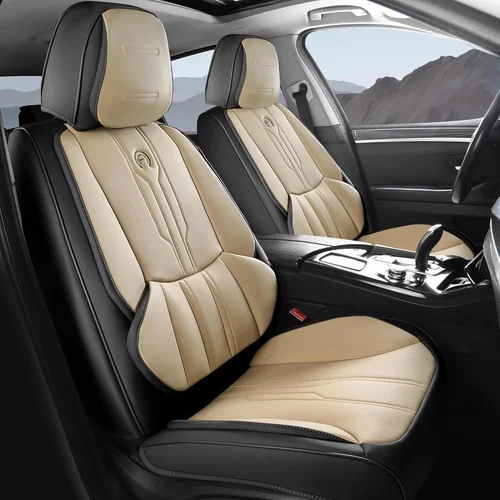
Luxury isn’t just about features—it’s about how well the vehicle is built and how it holds up over time. High-end materials like Nappa leather, real wood trim, aluminum accents, and precision stitching should feel premium to the touch and show minimal wear after years of use. Pay attention to panel gaps, door shut sounds, and the consistency of finishes across the cabin.
Durability also extends to mechanical components. Brands like Lexus and Toyota (via the Lexus TX) are renowned for long-term reliability, often exceeding 200,000 miles with minimal issues. German manufacturers like BMW and Mercedes have improved significantly in recent years but may require more frequent maintenance. Japanese and Korean luxury brands (Acura, Genesis) often offer better value in terms of longevity and lower repair costs.
Check third-party reliability ratings from J.D. Power, Consumer Reports, and RepairPal. Look for models with high scores in “dependability” and “predicted reliability.” Also, consider the availability of service centers—especially if you live in a rural area or travel frequently.
4. Features & Functionality
The interior of a 2026 luxury SUV should feel like a personal sanctuary. Look for intuitive infotainment systems, high-resolution displays, premium audio (e.g., Burmester, Bowers & Wilkins, or Mark Levinson), and advanced climate control. Most luxury SUVs now feature dual or triple screens, augmented reality navigation, and over-the-air (OTA) software updates.
Seating comfort is paramount. Many models offer 7- or 8-passenger configurations with power-adjustable, ventilated, and massaging seats. The third row in larger SUVs like the Cadillac Escalade or Lincoln Navigator has become more usable, though legroom remains tight for adults. For families, consider rear-seat entertainment, USB-C ports, and child seat compatibility.
Safety and driver-assistance tech are non-negotiable. Expect standard features like adaptive cruise control, lane-keeping assist, blind-spot monitoring, and automatic emergency braking. Higher trims may include hands-free highway driving (e.g., GM’s Super Cruise or Ford’s BlueCruise), night vision, and 360-degree cameras. Always verify which features are standard vs. optional—some brands bundle them in expensive packages.
5. Brand Reputation & Ownership Experience
Brand reputation influences not just resale value but also the overall ownership experience. Some brands excel in customer service (e.g., Lexus and Genesis offer complimentary maintenance and loaner vehicles), while others may have inconsistent dealer support. Research owner forums, Reddit communities, and YouTube reviews to gauge real-world satisfaction.
Consider the brand’s direction. Are they investing in electrification? Do they offer strong warranties? For example, Genesis includes a 10-year/100,000-mile powertrain warranty, while Tesla’s service network remains a point of contention for many owners. Luxury isn’t just about the car—it’s about how the brand treats you before, during, and after the sale.
Also, think about brand perception. A Bentley Bentayga signals ultra-wealth, while a Rivian R1S appeals to eco-conscious adventurers. Your SUV reflects your identity, so choose a brand that aligns with your values and lifestyle.
6. Warranty & Support
A comprehensive warranty can save you thousands in unexpected repairs. Most luxury brands offer 4-year/50,000-mile basic coverage, but some go further. Genesis, for example, provides 5 years of complimentary maintenance and a 10-year powertrain warranty. Lexus includes 4 years of scheduled maintenance. Electric vehicles often have longer battery warranties—Tesla offers 8 years/150,000 miles, while Lucid covers the battery for 8 years/100,000 miles.
Extended warranties (also called certified pre-owned or vehicle service contracts) can be worth considering, especially for high-mileage drivers or those keeping the vehicle long-term. However, read the fine print: some exclude wear items like brakes or tires, and claims may require pre-approval.
Support also includes roadside assistance, mobile service (e.g., Tesla’s mobile technicians), and software update frequency. A brand that regularly updates its infotainment and safety systems shows commitment to long-term usability.
7. Size & Practicality
Luxury SUVs come in all sizes, from compact crossovers to full-size behemoths. Your choice should match your space needs, parking constraints, and passenger requirements. Compact models like the BMW X3 or Audi Q5 are easier to maneuver in cities and offer better fuel economy, while larger SUVs like the Mercedes GLS or Toyota Sequoia provide more cargo space and third-row seating.
Measure your garage, driveway, and typical parking spots. A 20-foot-long SUV may be difficult to park in tight urban areas. Also, consider turning radius—some large SUVs require wide arcs to navigate corners. If you frequently carry gear (camping, sports equipment), look for models with flat-folding seats, hands-free tailgates, and underfloor storage.
For families, evaluate rear legroom, door opening angles, and ease of child seat installation. Some SUVs have narrow rear doors or high sills, making it hard for kids to get in and out. Test the vehicle with your family before buying.
8. User Reviews & Ratings
Never rely solely on manufacturer claims or flashy ads. Real-world feedback from owners is invaluable. Platforms like Edmunds, Cars.com, and Consumer Reports aggregate thousands of reviews, highlighting common issues like infotainment glitches, ride harshness, or poor fuel economy.
Pay attention to recurring complaints. If multiple owners report transmission shuddering or electrical faults, it’s a red flag. Conversely, consistent praise for comfort, reliability, or customer service can reinforce your decision. YouTube walkthroughs and long-term ownership vlogs offer unfiltered insights into daily usability.
Also, check professional reviews from outlets like MotorTrend, Car and Driver, and Autoblog. They conduct rigorous testing and often compare models side-by-side. Look for scores in categories like “ride and handling,” “interior quality,” and “value.”
Different Types of Buying Guide

Common Buying Mistakes to Avoid

❌ Mistake: Overlooking Total Cost of Ownership
Why it’s bad: Focusing only on the sticker price can lead to financial strain. Luxury SUVs often have high insurance premiums, expensive repairs, and rapid depreciation. A $120,000 SUV may cost $15,000+ annually in ownership costs.
What to do instead: Use TCO tools to compare models. Factor in fuel, maintenance, insurance, and resale value. Consider certified pre-owned (CPO) models for better value.
❌ Mistake: Ignoring Real-World Reliability
Why it’s bad: A beautiful interior and powerful engine mean little if the vehicle spends more time in the shop than on the road. Some luxury brands have spotty reliability records.
What to do instead: Check J.D. Power and Consumer Reports rankings. Avoid models with known issues like transmission problems or electrical faults.
❌ Mistake: Buying Based on Looks Alone
Why it’s bad: A stunning exterior or flashy interior doesn’t guarantee comfort, usability, or performance. Some SUVs prioritize style over substance.
What to do instead: Test drive multiple models. Sit in the rear seats, adjust the steering, and use the infotainment system. Judge the vehicle by how it feels, not just how it looks.
❌ Mistake: Skipping the Test Drive
Why it’s bad: You can’t assess ride quality, noise levels, or ergonomics from a brochure. A vehicle that looks great on paper may feel uncomfortable in real life.
What to do instead: Schedule test drives on varied roads—highways, city streets, and rough surfaces. Bring your family and typical cargo to simulate real use.
❌ Mistake: Not Researching Dealer Markups and Incentives
Why it’s bad: Some dealers add thousands in “market adjustment” fees, especially on high-demand models like the Rivian R1S or Tesla Cybertruck.
What to do instead: Research invoice prices and current incentives. Negotiate based on MSRP, not sticker price. Consider buying during slower months (e.g., January).
❌ Mistake: Over-Optioning the Vehicle
Why it’s bad: Adding every available package can inflate the price by $20,000–$40,000, with minimal real-world benefit. Many features go unused.
What to do instead: Prioritize must-have features (safety, comfort, performance). Skip cosmetic upgrades or redundant tech. Remember: options don’t always increase resale value.
❌ Mistake: Ignoring Charging Infrastructure (for EVs)
Why it’s bad: Buying an electric luxury SUV without reliable home charging or access to fast chargers can lead to range anxiety and inconvenience.
What to do instead: Map nearby charging stations. Install a Level 2 home charger. Choose models with longer range (300+ miles) if you travel frequently.
Budget Guidelines: How Much Should You Spend?
- Entry-Level ($55,000 – $75,000): This tier includes compact and some mid-size luxury SUVs like the Acura MDX, Genesis GV70, and Volvo XC60. Expect solid build quality, good tech, and reliable performance. These are ideal for first-time luxury buyers or those prioritizing value. You’ll get premium materials and safety features, but may miss out on high-end audio or advanced driver aids.
- Mid-Range ($75,000 – $110,000): The sweet spot for most buyers. Models like the BMW X5, Mercedes GLE, and Lexus RX offer excellent balance of size, performance, and features. You’ll find advanced infotainment, premium interiors, and strong resale value. Many include PHEV options for better efficiency.
- Premium ($110,000 – $150,000): For enthusiasts and professionals who want top-tier performance and luxury. Think Porsche Cayenne, Audi Q8, or Range Rover Sport. These SUVs deliver superior handling, bespoke interiors, and cutting-edge tech. Expect higher maintenance costs but exceptional driving dynamics.
- Luxury ($150,000+): The pinnacle of automotive indulgence. Full-size flagships like the Cadillac Escalade-V, Bentley Bentayga, or Lucid Gravity offer unmatched space, power, and prestige. These are for buyers who prioritize status, comfort, and exclusivity. Be prepared for steep depreciation and operating costs.
Expert Tips for Getting the Best Deal
- Time your purchase: End of quarter (March, June, September, December) and end of year are ideal for negotiating. Dealers are eager to meet sales targets and may offer discounts or incentives.
- Shop online first: Use TrueCar, Edmunds, or manufacturer configurator tools to compare prices and build your ideal vehicle. Many dealers now offer online pricing with home delivery.
- Negotiate the price, not the payment: Focus on reducing the out-the-door price. Dealers may inflate payments with add-ons or financing tricks.
- Check for incentives: Manufacturer rebates, loyalty bonuses, and military discounts can save thousands. Ask your dealer about current offers.
- Consider CPO programs: Certified pre-owned luxury SUVs often come with extended warranties, thorough inspections, and lower prices. You get near-new quality at a fraction of the cost.
- Read the fine print: Understand what’s included in the warranty, maintenance plan, and software subscriptions. Some features require ongoing payments.
- Get a pre-purchase inspection: Even for new vehicles, an independent inspection can catch manufacturing defects or assembly issues.
- Use multiple dealers: Get quotes from at least three dealerships. Use competing offers to negotiate a better deal.

Frequently Asked Questions
Q: Are luxury SUVs worth the extra cost?
A: It depends on your priorities. Luxury SUVs offer superior materials, advanced tech, better ride quality, and stronger brand prestige. If you value comfort, safety, and long-term satisfaction, the premium can be justified. However, if you’re mainly looking for basic transportation, a well-equipped mainstream SUV may suffice.
Q: Should I buy electric or gas-powered?
A: Electric luxury SUVs like the Tesla Model X or Mercedes EQS SUV offer lower operating costs, instant acceleration, and environmental benefits. But they require charging access and may have limited range in cold weather. Gas or hybrid models offer more flexibility for long trips and rural areas. Choose based on your driving habits and infrastructure.
Q: How important is third-row seating?
A: Only essential if you regularly carry six or more passengers. Most third rows in luxury SUVs are best suited for children or short trips. If you need adult-sized space, consider full-size models like the Lincoln Navigator or Toyota Sequoia.
Q: Can I negotiate on a luxury SUV?
A: Absolutely. While some high-demand models (e.g., Rivian R1S) may have little room for negotiation, most luxury SUVs have dealer holdback and incentives that allow for discounts. Be prepared to walk away if the deal isn’t right.
Q: What’s the best luxury SUV for towing?
A: The 2026 Ford Expedition Max, Chevrolet Tahoe, and Toyota Sequoia lead in towing capacity (up to 9,300 lbs). Among luxury brands, the Mercedes GLS 600 and Range Rover can tow up to 7,700 lbs. Always check the specific trim and options.
Q: How long do luxury SUVs last?
A: With proper maintenance, many luxury SUVs can exceed 200,000 miles. Lexus and Toyota-based models are known for longevity. German brands may require more frequent repairs but can still last with diligent care.
Q: Are software updates important?
A: Yes. Modern luxury SUVs rely on software for infotainment, safety, and performance. Brands that offer regular over-the-air updates (e.g., Tesla, Ford, GM) ensure your vehicle stays current and secure.
Q: Should I buy extended warranty?
A: It depends. If you plan to keep the vehicle long-term or drive high mileage, an extended warranty can provide peace of mind. For low-mileage drivers or those who trade in every 3–5 years, it may not be cost-effective.
Q: What’s the best luxury SUV for families?
A: The 2026 Lexus TX, Acura MDX, and Genesis GV80 offer excellent space, safety, and reliability. For larger families, the Cadillac Escalade and Lincoln Navigator provide unmatched interior room and comfort.
Q: Can I customize my luxury SUV?
A: Many brands offer extensive customization, from paint colors to interior trim. Porsche, Bentley, and Rolls-Royce allow near-bespoke builds. However, customization can delay delivery and increase cost significantly.
Our Final Recommendations
- Best for Budget-Conscious Buyers: Genesis GV70 – Starting around $58,000, it offers luxury materials, strong performance, and a 10-year warranty. It’s one of the best values in the segment.
- Best Overall Value: Lexus RX 500h – Combines reliability, hybrid efficiency, and a refined interior. Priced from $62,000, it’s a smart long-term investment.
- Best Premium Option: Porsche Cayenne – For driving enthusiasts, the Cayenne delivers sports car handling in an SUV body. The Turbo E-Hybrid variant is a standout.
- Best for Beginners: Acura MDX – User-friendly tech, spacious cabin, and strong safety ratings make it ideal for first-time luxury buyers.
- Best for Advanced Users: Lucid Gravity – With over 1,000 hp, 400+ mile range, and futuristic design, it’s the pinnacle of electric luxury innovation.
Conclusion: Making the Right Choice
Choosing the best luxury SUV in 2026 is about more than horsepower or leather seats—it’s about aligning your vehicle with your lifestyle, values, and long-term goals. Whether you’re drawn to the silent efficiency of an electric powertrain, the commanding presence of a full-size flagship, or the sporty agility of a performance-tuned crossover, the right choice will enhance your daily drives and deliver lasting satisfaction.
We’ve covered the essentials: budgeting wisely, evaluating performance and build quality, avoiding common pitfalls, and leveraging expert strategies to get the best deal. Remember, the most expensive SUV isn’t always the best—value comes from finding the model that fits your needs perfectly. Take your time, do your research, and don’t hesitate to walk away if something doesn’t feel right.
Your luxury SUV should be a source of joy, comfort, and confidence. With the insights from this guide, you’re now equipped to make a decision that’s not just smart—but truly luxurious. Happy driving.