
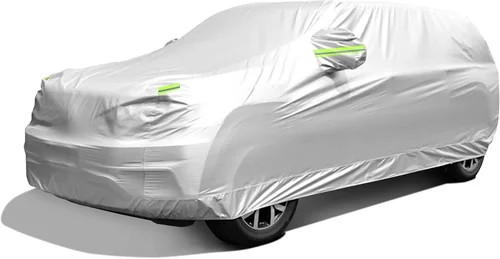
Small SUVs have become the go-to vehicle choice for millions of drivers worldwide—and for good reason. They strike a perfect balance between practicality, fuel efficiency, and modern design, offering the elevated driving position and cargo space of a larger SUV without the bulk, cost, or environmental footprint. Whether you’re navigating tight city streets, loading up for weekend adventures, or simply seeking a reliable daily driver, a small SUV can deliver the versatility you need. As we move into 2026, the compact SUV segment continues to evolve rapidly, with automakers packing these vehicles with advanced safety tech, hybrid powertrains, and premium interiors that rival luxury sedans.
This comprehensive buying guide is designed to help you cut through the noise and make an informed decision when shopping for your next small SUV. We’ll walk you through every critical factor—from budget and performance to safety ratings and long-term ownership costs—so you can find a vehicle that fits your lifestyle, not just your driveway. Whether you’re a first-time buyer, upgrading from a sedan, or downsizing from a larger SUV, this guide will equip you with expert insights, real-world comparisons, and actionable tips to ensure you get the best value for your investment.
The market for small SUVs in 2026 is more competitive than ever. With over 30 models vying for attention across multiple price tiers, choosing the right one can feel overwhelming. From fuel-efficient hybrids and plug-in electrics to rugged off-roaders and tech-forward crossovers, there’s a small SUV tailored to nearly every need and preference. Our goal is to simplify the process by highlighting what truly matters, comparing key categories, and spotlighting common pitfalls to avoid. By the end of this guide, you’ll not only know what to look for—but also how to confidently navigate dealerships, negotiate the best deal, and drive away in a vehicle you’ll love for years to come.

What to Look for When Buying Buying Guide
1. Budget & Price Range
Your budget is the foundation of your small SUV search. In 2026, small SUVs span a wide price spectrum, from under $25,000 to well over $50,000 when fully loaded. It’s essential to determine not just the purchase price, but also long-term costs like fuel, insurance, maintenance, and depreciation. A vehicle that looks affordable upfront may cost more over five years due to poor fuel economy or expensive repairs.
Start by setting a realistic budget that includes taxes, registration, and any financing interest. Use online tools like Kelley Blue Book or Edmunds to estimate true cost of ownership. Remember: the cheapest sticker price isn’t always the best deal. A slightly more expensive model with better reliability and resale value could save you thousands down the road.
2. Performance Specifications
Performance in a small SUV isn’t just about speed—it’s about how the vehicle handles in real-world conditions. Key specs to evaluate include engine power (measured in horsepower and torque), transmission type (CVT, automatic, or manual), drivetrain (front-wheel drive, all-wheel drive, or AWD), and fuel efficiency (city/highway MPG or MPGe for electrified models).
For most buyers, a 180–250 horsepower engine provides ample power for daily driving and highway merging. If you frequently drive in snowy or mountainous regions, all-wheel drive is worth the added cost. Meanwhile, hybrid and plug-in hybrid models are gaining popularity for their ability to deliver 35–50+ MPG combined, making them ideal for commuters and eco-conscious drivers.
Don’t overlook towing capacity if you plan to haul small trailers, bikes, or boats. While most small SUVs max out around 1,500–3,500 pounds, some models like the Subaru Outback or Toyota RAV4 Hybrid can tow up to 3,500 lbs when properly equipped.
3. Build Quality & Durability
Build quality directly impacts how your small SUV will hold up over time. Look for vehicles with solid construction, high-quality materials, and a reputation for reliability. Check consumer reports and long-term reliability studies from sources like J.D. Power, Consumer Reports, and RepairPal.
Pay attention to details like panel gaps, interior fit and finish, and the feel of switches and controls. A well-built cabin not only enhances comfort but also reduces the likelihood of rattles and premature wear. Exterior materials matter too—aluminum body panels can reduce weight and improve corrosion resistance, while high-strength steel improves crash protection.
Durability also extends to mechanical components. Brands like Toyota, Honda, and Subaru have long-standing reputations for building vehicles that last 200,000+ miles with proper maintenance. If longevity is a priority, prioritize models with proven track records over flashy new entrants with unproven reliability.
4. Features & Functionality
Modern small SUVs come loaded with features that enhance safety, convenience, and entertainment. Focus on what matters most to your daily life. For families, rear-seat USB ports, climate control, and easy-clean upholstery are valuable. For tech enthusiasts, wireless Apple CarPlay, Android Auto, and over-the-air software updates are must-haves.
Safety features should be non-negotiable. Look for standard inclusion of automatic emergency braking, lane departure warning, blind-spot monitoring, adaptive cruise control, and rear cross-traffic alert. The Insurance Institute for Highway Safety (IIHS) and National Highway Traffic Safety Administration (NHTSA) publish annual safety ratings—use them to compare models.
Infotainment systems vary widely in usability. Test the touchscreen responsiveness, menu layout, and voice command accuracy during a test drive. A poorly designed system can be frustrating and distracting. Also consider cargo space: measure the trunk with the rear seats up and down, and check for underfloor storage or adjustable cargo floors.
5. Brand Reputation
Brand reputation is a strong indicator of long-term satisfaction. Established automakers like Toyota, Honda, Mazda, and Subaru consistently rank high in customer satisfaction and reliability surveys. These brands invest heavily in quality control, dealer networks, and customer service, which translates to better ownership experiences.
That said, newer brands and EV-focused manufacturers like Hyundai, Kia, and Tesla are raising the bar with innovative designs, generous warranties, and cutting-edge technology. Hyundai and Kia, for example, offer 10-year/100,000-mile powertrain warranties—among the best in the industry.
Research brand-specific issues. Some manufacturers may excel in reliability but lag in customer service, while others offer excellent tech but have spotty dealer support. Read owner forums, Reddit threads, and long-term reviews to get a balanced view beyond marketing claims.
6. Warranty & Support
A strong warranty can save you thousands in unexpected repair costs. Most new small SUVs come with a basic 3-year/36,000-mile bumper-to-bumper warranty and a 5-year/60,000-mile powertrain warranty. However, some brands go further: Hyundai and Kia offer 5-year/60,000-mile basic and 10-year/100,000-mile powertrain coverage, while Genesis includes 3 years of complimentary maintenance.
Consider extended warranties if you plan to keep the vehicle beyond the standard coverage period. Be cautious of dealer-marked-up plans—shop around and compare third-party providers. Also check if the brand offers roadside assistance, loaner cars during repairs, or mobile service options.
For used or CPO vehicles, verify that the warranty is transferable and still active. A CPO program typically includes a thorough inspection, reconditioning, and extended coverage, making it a safer bet than a private sale.
7. Size & Portability
Despite the name, “small” SUVs vary in size. Some, like the Hyundai Kona or Mazda CX-30, are truly compact—ideal for city driving and tight parking spaces. Others, like the Honda CR-V or Toyota RAV4, are closer to midsize in interior volume but still classified as compact due to exterior dimensions.
Measure your typical parking space and garage to ensure the SUV will fit comfortably. Consider turning radius and overall length—especially if you frequently navigate narrow streets or parallel park. A shorter wheelbase improves maneuverability but may reduce rear-seat legroom.
Interior space matters just as much. Test the rear seats with actual passengers. Look for sliding rear seats, reclining backrests, and flat-folding capabilities to maximize flexibility. Cargo volume should be measured with seats up and down—some models offer clever storage solutions like dual-level floors or under-seat compartments.
8. User Reviews & Ratings
User reviews provide real-world insights that spec sheets can’t match. Platforms like Edmunds, Kelley Blue Book, and Consumer Reports aggregate thousands of owner experiences, highlighting common issues like transmission problems, infotainment glitches, or poor visibility.
Pay attention to patterns. If multiple owners report the same problem—say, a faulty touchscreen or excessive road noise—it’s likely a design flaw rather than an isolated incident. Conversely, consistent praise for comfort, reliability, or fuel economy is a strong endorsement.
Don’t rely solely on star ratings. Read detailed reviews to understand context. A 4-star rating might reflect minor complaints about seat comfort, while a 5-star rating could mask a lack of long-term data. Cross-reference professional reviews with owner feedback for a balanced perspective.
Different Types of Buying Guide
Common Buying Mistakes to Avoid
❌ Mistake: Focusing Only on Sticker Price
Why it’s bad: A low MSRP can hide high financing rates, poor fuel economy, or expensive maintenance. You might save $2,000 upfront but spend $5,000 more over five years.
What to do instead: Calculate total cost of ownership using tools like Edmunds’ True Cost to Own. Factor in fuel, insurance, repairs, and depreciation.
❌ Mistake: Ignoring Resale Value
Why it’s bad: Some small SUVs depreciate rapidly, losing 50% of their value in three years. This hurts if you plan to sell or trade in the future.
What to do instead: Choose models with strong resale value, like the Toyota RAV4, Honda CR-V, or Subaru Forester. Check Kelley Blue Book’s resale value ratings.
❌ Mistake: Overlooking Test Drives
Why it’s bad: A vehicle that looks great on paper may feel uncomfortable, noisy, or sluggish in real life. You could end up regretting your purchase.
What to do instead: Test drive at least three models on varied roads—highways, city streets, and hills. Bring passengers and load cargo to simulate real use.
❌ Mistake: Skipping the Fine Print on Warranties
Why it’s bad: Some warranties exclude common issues like wear items (brakes, tires) or have strict maintenance requirements. You could be denied coverage for minor oversights.
What to do instead: Read the warranty booklet carefully. Ask the dealer to explain coverage limits and exclusions. Keep detailed service records.
❌ Mistake: Buying Based on Monthly Payment Alone
Why it’s bad: Dealers can stretch loan terms to lower monthly payments, but this increases total interest paid and may leave you “upside-down” (owing more than the car is worth).
What to do instead: Focus on the total price, not the monthly payment. Aim for a loan term of 60 months or less and a down payment of at least 20%.
❌ Mistake: Neglecting Safety Ratings
Why it’s bad: A stylish SUV with poor crash test scores puts you and your passengers at greater risk in an accident.
What to do instead: Check IIHS Top Safety Pick+ and NHTSA 5-star ratings. Prioritize models with standard advanced driver-assistance systems (ADAS).
❌ Mistake: Rushing the Decision
Why it’s bad: Impulse buys often lead to regret. You might miss better deals, overlook hidden flaws, or choose the wrong trim level.
What to do instead: Take your time. Research for at least two weeks. Compare at least five models and get quotes from multiple dealers.
Budget Guidelines: How Much Should You Spend?
- Entry-Level ($24,000 – $28,000): What to expect: Basic features, smaller engines, fewer luxury touches. Models like the Hyundai Venue, Nissan Kicks, and Chevrolet Trax fit here. Ideal for budget-conscious buyers who prioritize affordability and fuel economy. Expect cloth seats, smaller infotainment screens, and limited driver aids. These vehicles are great for city driving but may lack refinement on long trips.
- Mid-Range ($28,000 – $38,000): Sweet spot for most buyers. This tier includes popular models like the Honda CR-V, Toyota RAV4, and Mazda CX-5. You’ll get better build quality, more standard safety features, improved interiors, and available AWD. Many offer hybrid options and larger cargo areas. This range balances cost, comfort, and capability—perfect for families, commuters, and weekend adventurers.
- Premium ($38,000 – $50,000): For enthusiasts and professionals. Vehicles like the Subaru Outback, Ford Escape Hybrid, and Volkswagen Tiguan offer upscale materials, advanced tech, and enhanced performance. Expect leather or synthetic leather seats, premium audio, panoramic sunroofs, and semi-autonomous driving features. These SUVs deliver a near-luxury experience without the luxury price tag.
- Luxury ($50,000+): Top-tier features and brand prestige. Models include the Lexus NX, Acura RDX, and Genesis GV70. These offer hand-stitched interiors, noise-canceling cabins, adaptive suspension, and cutting-edge infotainment. While expensive, they provide exceptional comfort, resale value, and status. Best for buyers who want the best of everything and are willing to pay for it.
Expert Tips for Getting the Best Deal
- Time your purchase strategically: Dealers often offer the best incentives at the end of the month, quarter, or model year (August–September). Avoid holiday weekends when demand is high.
- Shop online first: Use manufacturer websites and third-party platforms like TrueCar or CarGurus to compare prices and get pre-approved financing. This gives you leverage when negotiating in person.
- Negotiate the price, not the payment: Focus on lowering the out-the-door price. Once that’s set, the monthly payment will follow. Don’t let dealers manipulate terms to hide markup.
- Consider certified pre-owned (CPO): CPO small SUVs offer near-new condition with extended warranties at 15–30% off new prices. Brands like Toyota, Honda, and Hyundai have excellent CPO programs.
- Check for rebates and incentives: Manufacturers often offer cashback, low APR financing, or loyalty bonuses. These can save you $1,000–$3,000. Ask about military, student, or first-responder discounts.
- Get a pre-purchase inspection (PPI): Even for new cars, a PPI can uncover hidden issues. For used vehicles, it’s essential—budget $100–$150 to avoid costly surprises.
- Review the Monroney sticker: This window sticker lists the manufacturer’s suggested retail price (MSRP), options, and fuel economy. Use it to verify what you’re paying for.
- Don’t rush add-ons: Dealers may push extended warranties, paint protection, or VIN etching. These are often overpriced. Decline them unless you’ve researched and want them.

Frequently Asked Questions
Q: Are small SUVs safe?
A: Yes, most modern small SUVs earn top safety ratings. Their higher ride height improves visibility and can offer better protection in collisions with smaller vehicles. Look for models with IIHS Top Safety Pick+ or NHTSA 5-star ratings and standard ADAS features.
Q: Can a small SUV handle winter driving?
A: Absolutely—especially with all-wheel drive. Models like the Subaru Forester, Toyota RAV4 AWD, and Honda CR-V AWD are excellent in snow and ice. Pair them with winter tires for maximum traction.
Q: How much cargo space do small SUVs typically have?
A: Most offer 25–35 cubic feet behind the rear seats and 50–70 cubic feet with seats folded. The Honda CR-V leads with 39.2 cu ft, while the Mazda CX-30 offers 20.2 cu ft—so check specs based on your needs.
Q: Are hybrid small SUVs worth the extra cost?
A: For high-mileage drivers, yes. The Toyota RAV4 Hybrid, for example, gets 40 MPG combined and pays for its premium in fuel savings within a few years. If you drive less than 10,000 miles annually, the savings may not justify the cost.
Q: Should I buy or lease a small SUV?
A: Buy if you plan to keep the vehicle long-term and drive over 12,000 miles per year. Lease if you prefer lower payments, want the latest tech every few years, and stay within mileage limits. Leasing also avoids depreciation risk.
Q: What’s the difference between AWD and 4WD?
A: AWD (all-wheel drive) is always active and improves traction in rain, snow, and light off-road conditions. 4WD (four-wheel drive) is typically found in trucks and SUVs designed for serious off-roading and can be engaged/disengaged. Most small SUVs use AWD.
Q: How often should I service my small SUV?
A: Follow the manufacturer’s maintenance schedule, usually found in the owner’s manual. Most recommend oil changes every 5,000–7,500 miles, tire rotations every 7,500 miles, and brake inspections annually.
Q: Can I install a roof rack on any small SUV?
A: Most come with factory-installed roof rails or mounting points. Check the owner’s manual for weight limits (typically 150–200 lbs). Avoid overloading, as it can affect handling and fuel economy.
Q: Are small SUVs good for towing?
A: Some are. The Toyota RAV4, Subaru Outback, and Ford Escape can tow 1,500–3,500 lbs when properly equipped. Always check the vehicle’s towing capacity and use a weight-distributing hitch if needed.
Q: What’s the average lifespan of a small SUV?
A: With proper maintenance, most last 150,000–200,000 miles or more. Toyota, Honda, and Subaru models often exceed 250,000 miles. Regular oil changes, timely repairs, and avoiding harsh driving extend longevity.
Our Final Recommendations
- Best for Budget-Conscious Buyers: Hyundai Venue – Starting under $24,000, the Venue offers excellent fuel economy (33 MPG combined), a 10-year/100,000-mile warranty, and a surprisingly spacious interior for its size. Ideal for city dwellers and first-time buyers.
- Best Overall Value: Toyota RAV4 Hybrid – Combines 40 MPG, legendary reliability, standard AWD, and top safety scores. The RAV4 Hybrid is the gold standard in the segment, offering unmatched balance of efficiency, space, and resale value.
- Best Premium Option: Mazda CX-5 Turbo – With a refined interior, responsive handling, and a 250-horsepower turbo engine, the CX-5 feels more upscale than its price suggests. Perfect for drivers who want a sporty, luxurious ride without luxury branding.
- Best for Beginners: Honda HR-V – Easy to drive, fuel-efficient (30 MPG combined), and packed with standard Honda Sensing safety tech. The HR-V’s Magic Seat system maximizes cargo flexibility, making it ideal for young professionals and small families.
- Best for Advanced Users: Subaru Outback – While technically a wagon, the Outback functions like a small SUV with standard AWD, 8.7 inches of ground clearance, and up to 75.7 cu ft of cargo space. It’s the ultimate adventure-ready compact vehicle for outdoor enthusiasts.
Conclusion: Making the Right Choice
Choosing the best small SUV in 2026 doesn’t have to be overwhelming—if you know what to prioritize. Start by defining your needs: Are you looking for fuel efficiency, cargo space, off-road capability, or luxury? Set a realistic budget that includes long-term costs, and don’t let flashy features distract you from reliability and safety. Use this guide to compare models, avoid common pitfalls, and negotiate confidently.
Remember, the “best” small SUV is the one that fits your lifestyle, not the one with the most horsepower or the shiniest badge. Whether you’re a city commuter, a weekend warrior, or a growing family, there’s a compact SUV designed for you. Take your time, do your research, and test drive with intention. When you find the right match, you’ll enjoy not just the drive—but the peace of mind that comes with a smart, well-informed purchase.
Now that you’re equipped with expert insights and practical advice, it’s time to hit the dealership—or better yet, start your search online. Compare quotes, read owner reviews, and don’t settle until you find a vehicle that truly meets your needs. Your perfect small SUV is out there. Drive wisely, and enjoy the journey ahead.