
Choosing the right SUV with a third row is one of the most important vehicle decisions families and active travelers will make. Whether you’re shuttling kids to soccer practice, planning weekend camping trips, or simply need extra cargo space for daily errands, a three-row SUV offers unmatched versatility. But with so many models flooding the market in 2026—ranging from compact crossovers to full-size behemoths—it’s easy to feel overwhelmed. That’s why this comprehensive buying guide exists: to cut through the noise, clarify your priorities, and help you find the perfect match for your lifestyle, budget, and long-term needs.
In this guide, we’ll walk you through everything you need to know before signing on the dotted line. You’ll learn how to evaluate key factors like seating comfort, cargo capacity, safety ratings, fuel efficiency, and tech features—all tailored specifically for three-row SUVs. We’ll compare different categories (from budget-friendly options to luxury flagships), highlight common pitfalls to avoid, and share expert tips to help you get the best deal. By the end, you won’t just have a list of top picks—you’ll have the confidence to choose wisely based on your unique situation.
The three-row SUV market has evolved dramatically over the past decade. Once dominated by truck-based giants like the Chevrolet Tahoe and Ford Expedition, today’s landscape includes sleek crossovers, hybrid powertrains, and even electric models that deliver surprising range without sacrificing passenger space. Automakers are responding to consumer demand for smarter interiors, better fuel economy, and advanced driver-assistance systems—all while keeping prices competitive. In 2026, buyers benefit from more choices than ever, but also face steeper expectations. This guide ensures you’re equipped to navigate that complexity with clarity and confidence.

What to Look for When Buying Buying Guide
1. Seating Comfort & Accessibility
Not all third rows are created equal—and this is arguably the most critical factor when choosing a three-row SUV. Many vehicles advertise “third-row seating,” but in reality, those seats may be too cramped for adults or older children. Look for models that offer at least 30 inches of legroom in the third row; anything less than 28 inches is typically only suitable for small kids. Pay attention to how easy it is to access the third row: sliding second-row seats, wide door openings, and well-placed grab handles make a huge difference, especially when loading car seats or elderly passengers.
Also consider seat materials and adjustability. Leather or synthetic upholstery is easier to clean, while power-folding rear seats add convenience. Some premium models even offer heated third-row seats—a luxury that becomes practical in colder climates. Test-drive multiple vehicles with your actual passengers to assess real-world comfort.
2. Cargo Space & Flexibility
A three-row SUV must balance passenger and cargo needs. Even with all seats up, you should have enough room for groceries, strollers, or luggage. Check the cargo volume behind the third row—ideally, you want at least 15 cubic feet. When the third row is folded, look for a flat load floor and at least 40 cubic feet of space. Many 2026 models now feature configurable seating systems (like 40/20/40 split second rows or one-touch folding mechanisms) that let you quickly adapt the cabin for passengers or cargo.
Don’t overlook smaller details: underfloor storage compartments, tie-down points, and hands-free power liftgates can significantly enhance usability. If you frequently tow, ensure the vehicle maintains adequate cargo space even with a trailer hitch installed.
3. Safety Ratings & Driver-Assist Technology
Safety is non-negotiable, especially when transporting family. Always check the latest crash test ratings from the National Highway Traffic Safety Administration (NHTSA) and the Insurance Institute for Highway Safety (IIHS). In 2026, top-tier three-row SUVs consistently earn “Top Safety Pick+” honors, thanks to robust structures and advanced tech suites.
Look for standard features like automatic emergency braking, blind-spot monitoring, lane-keeping assist, adaptive cruise control, and rear cross-traffic alert. Higher-end models may include night vision, driver drowsiness detection, or even semi-autonomous highway driving modes. Remember: safety isn’t just about airbags—it’s about preventing accidents before they happen.
4. Fuel Efficiency & Powertrain Options
With rising fuel costs and environmental concerns, efficiency matters more than ever. Fortunately, 2026 brings a wave of hybrid, plug-in hybrid (PHEV), and even fully electric three-row SUVs. Traditional V6 and turbocharged four-cylinder engines still dominate, but hybrids like the Toyota Highlander Hybrid or Ford Explorer Hybrid offer impressive MPG without sacrificing performance.
Electric models such as the Rivian R1S or upcoming Tesla Model X refresh provide zero emissions and instant torque, though charging infrastructure and range anxiety remain considerations for long trips. Evaluate your typical driving patterns: city commuters may benefit from PHEVs, while road-trippers might prefer conventional or diesel options with larger tanks.
5. Interior Technology & Connectivity
Modern families expect seamless tech integration. At minimum, look for an intuitive infotainment system with Apple CarPlay and Android Auto compatibility, wireless charging, and multiple USB-C ports—especially in the second and third rows. Screen size matters too: 10-inch displays are becoming standard, but some luxury models offer dual or even triple screens spanning the dashboard.
Voice control, over-the-air updates, and built-in Wi-Fi hotspots add convenience. For entertainment, rear-seat streaming via HDMI or wireless casting keeps passengers occupied on long drives. Avoid systems that rely solely on touchscreens for critical functions; physical buttons for climate and audio controls are safer and more user-friendly.
6. Towing Capacity & Off-Road Capability
If you plan to tow trailers, boats, or campers, towing capacity is a make-or-break spec. Most midsize three-row SUVs handle 3,500–5,000 lbs, while full-size models like the GMC Yukon or Nissan Armada can pull 8,000+ lbs. Always verify the rating with optional towing packages, which often include upgraded cooling, transmission coolers, and trailer sway control.
For off-road adventures, consider ground clearance, all-wheel drive (AWD) systems, and terrain management modes. Models like the Jeep Grand Cherokee L or Toyota Sequoia TRD Pro offer serious capability, but remember that off-road prowess often comes at the expense of on-road refinement and fuel economy.
7. Reliability & Long-Term Ownership Costs
A great SUV today could be a money pit tomorrow if reliability falters. Consult sources like J.D. Power, Consumer Reports, and RepairPal to assess expected maintenance costs, common issues, and resale value. Brands like Toyota, Honda, and Subaru consistently rank high for dependability, while luxury marques may offer prestige but higher repair bills.
Factor in depreciation, insurance rates, and fuel costs over 5–7 years. A slightly more expensive model with lower operating expenses might save you thousands in the long run. Extended warranties can provide peace of mind, but read the fine print carefully.
8. Brand Reputation & Dealer Support
Your relationship with the dealership matters—especially for service, recalls, and software updates. Research local dealer networks: Are they well-reviewed? Do they offer loaner cars during repairs? Brands with strong customer service cultures (like Lexus or Hyundai) often deliver smoother ownership experiences.
Also consider brand ethos. If sustainability matters to you, Tesla or Rivian might appeal. If you value American heritage, Ford or Chevrolet could be preferable. Ultimately, choose a brand whose values align with yours—and whose support network you can trust.
Different Types of Buying Guide
Common Buying Mistakes to Avoid
❌ Mistake: Prioritizing Style Over Practicality
Why it’s bad: A sleek design might look great in ads, but if the third row is unusable or cargo space is compromised, you’ll regret it daily. Many stylish SUVs sacrifice rear headroom or seat depth for aggressive rooflines.
What to do instead: Always measure your actual needs against real-world dimensions. Bring a tape measure or use manufacturer specs to compare legroom, hip room, and shoulder room across models.
❌ Mistake: Ignoring Total Cost of Ownership
Why it’s bad: A low sticker price can hide high insurance, fuel, and maintenance costs. Luxury brands often charge premium rates for parts and labor.
What to do instead: Use tools like Edmunds’ True Cost to Own or Kelley Blue Book’s 5-Year Cost to Own to compare long-term expenses—not just MSRP.
❌ Mistake: Overlooking Test Drives with Full Load
Why it’s bad: Driving solo doesn’t reveal how the SUV performs with seven passengers, luggage, and pets. Handling, braking, and acceleration change dramatically under load.
What to do instead: Schedule a test drive with your typical passenger and cargo load. If possible, borrow a friend’s car seat or suitcases to simulate real conditions.
❌ Mistake: Assuming All AWD Systems Are Equal
Why it’s bad: Some AWD systems are primarily for light snow or gravel, while others offer true off-road capability. Misunderstanding this can leave you stranded in bad weather.
What to do instead: Research the specific AWD system (e.g., Subaru’s Symmetrical AWD vs. Ford’s Intelligent AWD). Ask dealers about torque distribution and terrain modes.
❌ Mistake: Skipping the Fine Print on Warranties
Why it’s bad: Coverage varies widely—some exclude hybrid components, others have mileage caps. You might think you’re protected but discover gaps when filing a claim.
What to do instead: Read the full warranty booklet before buying. Compare bumper-to-bumper, powertrain, and corrosion coverage across brands.
❌ Mistake: Buying Based Solely on Fuel Economy
Why it’s bad: Hybrids save fuel but may cost more upfront. If you rarely drive long distances, the savings might never offset the price difference.
What to do instead: Calculate your annual mileage and fuel costs. Use EPA estimates to project real-world savings over 5 years.
❌ Mistake: Neglecting Resale Value
Why it’s bad: Some SUVs depreciate faster than others. A $5,000–$10,000 loss in resale value can erase any initial savings.
What to do instead: Check residual values on sites like ALG or Edmunds. Brands like Toyota and Honda typically hold value best.
Budget Guidelines: How Much Should You Spend?
Entry-Level ($30,000–$45,000): This tier includes compact crossovers like the Kia Sorento, Hyundai Santa Fe, and Mitsubishi Outlander. Expect modest third-row space (best for kids), basic infotainment, and fewer luxury features. However, many offer strong safety scores and good warranties. Ideal for budget-conscious buyers who need occasional third-row access.
Mid-Range ($45,000–$65,000): The sweet spot for most families. Models like the Toyota Highlander, Honda Pilot, and Ford Explorer deliver comfortable third rows, ample cargo space, hybrid options, and robust tech suites. You’ll find better materials, more standard safety features, and smoother ride quality. This range offers the best balance of value, capability, and reliability.
Premium ($65,000–$90,000): For those wanting more power, refinement, and space. Full-size SUVs like the Chevrolet Traverse, GMC Acadia, and Nissan Pathfinder dominate here, along with upscale trims of midsize models. Expect premium interiors, advanced driver aids, higher towing capacity, and quieter cabins. Great for large families or frequent long-distance travelers.
Luxury ($90,000+): The domain of brands like Lexus, Acura, Cadillac, and European automakers. Vehicles like the Lexus RX L, Cadillac Escalade, and BMW X7 offer hand-stitched leather, massaging seats, augmented reality navigation, and whisper-quiet cabins. Electric options like the Rivian R1S also fall here. Best for buyers who prioritize prestige, innovation, and cutting-edge comfort—but be prepared for steep depreciation and service costs.
Expert Tips for Getting the Best Deal
- Time your purchase strategically: Dealers are most motivated at the end of the month, quarter, or model year (August–September). Avoid holidays like Black Friday, when inventory is low and prices firm.
- Negotiate based on invoice price, not MSRP: Use resources like TrueCar or Edmunds to see what others paid in your area. Aim to pay within 3–5% over dealer invoice.
- Consider certified pre-owned (CPO): Late-model CPO SUVs often come with extended warranties and thorough inspections—at 15–20% below new prices.
- Leverage competing offers: Get quotes from at least three dealerships and let them bid against each other. Online retailers like Carvana or Vroom can also provide benchmarks.
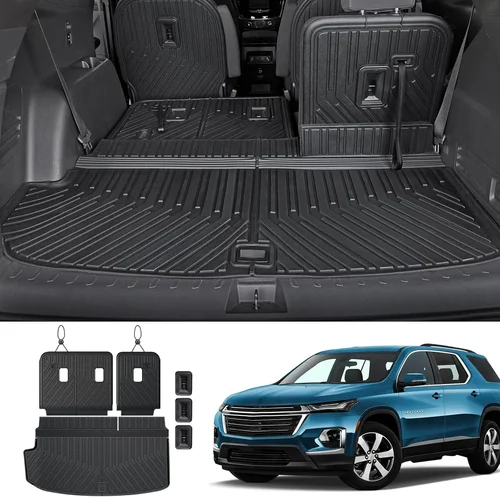
- Bundle add-ons wisely: Avoid unnecessary dealer-installed accessories (like fabric protection or VIN etching). Focus on functional items like all-weather mats or roof racks.
- Review financing options: Compare dealer financing with bank or credit union rates. Sometimes 0% APR deals are better than cash rebates—but only if you qualify.
- Inspect thoroughly before signing: Check for paint flaws, interior wear, and proper function of all electronics. Take photos as documentation.
- Ask about loyalty or conquest bonuses: Manufacturers often offer extra cash for switching from a competitor’s brand or renewing a lease.

Frequently Asked Questions
Q: Can adults comfortably sit in the third row of most SUVs?
A: Not always. While some midsize and full-size SUVs (like the Honda Pilot or Chevrolet Suburban) offer adult-friendly third rows, many compact models are best suited for children under 5′ tall. Always check legroom specs and test with actual passengers.
Q: Are hybrid three-row SUVs worth the extra cost?
A: It depends on your driving habits. If you log 15,000+ miles annually, especially in stop-and-go traffic, hybrids can pay for themselves in fuel savings within 3–5 years. For low-mileage drivers, the upfront premium may not justify the return.
Q: Do electric three-row SUVs have enough range for road trips?
A: Most 2026 EVs like the Rivian R1S (316 miles) or upcoming Tesla Model X refresh (348 miles) offer sufficient range for interstate travel. However, charging infrastructure and wait times remain considerations—plan routes using apps like A Better Routeplanner.
Q: What’s the difference between AWD and 4WD in three-row SUVs?
A: AWD (all-wheel drive) is typically full-time and optimized for on-road traction in rain or snow. 4WD (four-wheel drive) is part-time, manually engaged, and designed for off-road use. Most modern SUVs use AWD; true 4WD is rare outside truck-based models.
Q: How important is towing capacity for a family SUV?
A: Only if you plan to tow regularly. If you occasionally pull a small trailer, 3,500–5,000 lbs is sufficient. For boats, RVs, or large campers, aim for 7,000+ lbs and ensure the vehicle includes a factory tow package.
Q: Should I buy extended warranty coverage?
A: Generally, no—unless you’re buying a luxury or high-mileage vehicle. Most new SUVs come with comprehensive factory warranties (3–5 years). Extended plans often duplicate coverage and are priced high. Self-insuring by setting aside $50/month may be smarter.
Q: Are three-row SUVs safe in rollover accidents?
A: Modern SUVs have much lower rollover risk thanks to electronic stability control (ESC), lower centers of gravity, and stronger roofs. The IIHS reports that ESC reduces single-vehicle crash risk by 49%. Always check rollover ratings on NHTSA’s website.
Q: Can I install car seats in the third row?
A: Technically yes, but it’s not recommended. The third row lacks LATCH anchors in most vehicles, and emergency egress is slower. Plus, airbag coverage may be limited. Use the second row for child seats whenever possible.
Q: What’s the best way to maximize cargo space?
A: Fold the third row flat (if possible), use underfloor storage, and consider roof racks or cargo carriers for bulky items. Some models offer power-folding seats with one-touch controls—look for these if you frequently switch between passengers and cargo.
Q: How often should I replace tires on a three-row SUV?
A: Typically every 40,000–60,000 miles, depending on driving conditions and tire type. SUVs are heavier and may wear tires faster, especially if you tow or drive aggressively. Rotate tires every 5,000–7,500 miles to extend life.
Our Final Recommendations
Best for Budget-Conscious Buyers: Kia Sorento Hybrid – Starting around $38,000, it offers a usable third row, 37 MPG combined, and a 10-year/100,000-mile warranty. Perfect for small families who want efficiency without sacrificing space.
Best Overall Value: Toyota Highlander Hybrid – Priced from $42,000, it delivers legendary reliability, a comfortable third row, 36 MPG, and top-tier safety scores. A no-brainer for growing families seeking long-term dependability.
Best Premium Option: Chevrolet Traverse – With best-in-class third-row legroom (33.5 inches) and up to 98 cubic feet of cargo space, the Traverse ($48,000+) is ideal for large families who refuse to compromise on space or comfort.
Best for Beginners: Hyundai Palisade – User-friendly tech, intuitive controls, and a serene ride make this $43,000 SUV perfect for first-time three-row buyers. The 12.3-inch touchscreen and digital gauge cluster simplify operation.
Best for Advanced Users: Rivian R1S – For tech-savvy, eco-conscious adventurers, the R1S ($78,000+) offers quad-motor AWD, 316 miles of range, and off-road prowess rivaling Jeeps. Its minimalist interior and over-the-air updates appeal to early adopters.
Conclusion: Making the Right Choice
Buying a three-row SUV in 2026 is both exciting and complex—but it doesn’t have to be stressful. By focusing on your core needs—whether that’s budget, space, efficiency, or luxury—you can narrow the field to a few standout options. Remember: the “best” SUV isn’t the one with the most features or highest price tag; it’s the one that fits your life seamlessly, year after year.
Use this guide as your roadmap. Prioritize comfort and safety for your passengers, evaluate total ownership costs, and never skip the test drive. And if you’re still unsure, lean toward proven reliability and strong resale value—they’re timeless virtues in an ever-changing market.
Your perfect three-row SUV is out there. With the right knowledge and a clear sense of what matters most to you, you’ll find it—and enjoy every mile of the journey ahead.