
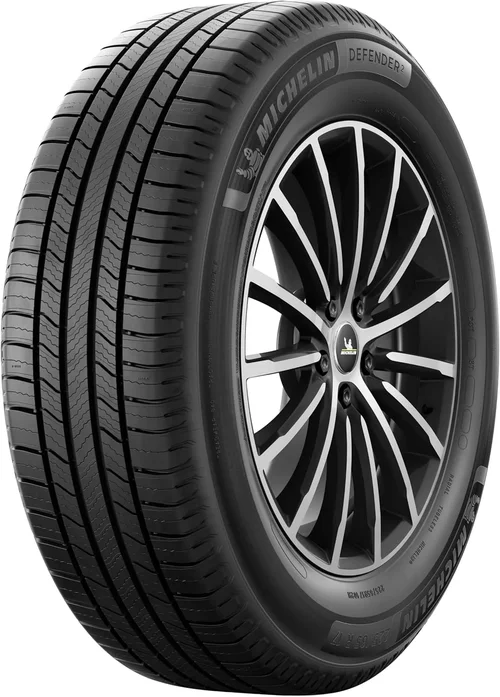
When it comes to your SUV, few components are as critical—or as often overlooked—as the tires. These four rubber contact patches are the only thing standing between your vehicle and the road, responsible for everything from handling and braking to fuel efficiency and overall safety. Whether you’re navigating city streets, tackling mountain trails, or hauling a trailer across state lines, the right set of tires can make all the difference in performance, comfort, and peace of mind. With so many options flooding the market in 2026, choosing the best SUV tires has never been more confusing—or more important.
This comprehensive buying guide is designed to cut through the noise and help you make an informed decision tailored to your specific needs. We’ll walk you through the essential factors to consider, from tread design and load ratings to seasonal performance and budget constraints. You’ll learn how to decode tire specifications, compare different categories (like all-season, all-terrain, and winter tires), avoid common pitfalls, and even score the best deals. Whether you drive a compact crossover like a Honda CR-V or a full-size behemoth like a Ford Expedition, this guide equips you with the knowledge to choose tires that deliver optimal performance, longevity, and value.
The SUV tire market in 2026 is more dynamic than ever, driven by advancements in rubber compounds, tread technology, and sustainability initiatives. Leading manufacturers like Michelin, Bridgestone, Goodyear, Pirelli, and Continental continue to innovate, while newer players and private-label brands offer competitive alternatives at lower price points. Consumers now have access to smarter tread patterns, improved wet-weather grip, longer tread life warranties, and even eco-friendly materials. However, with greater choice comes greater complexity. That’s why understanding what truly matters—beyond flashy marketing claims—is key to finding the perfect match for your SUV and driving habits.

What to Look for When Buying Buying Guide
1. Tire Type & Seasonal Performance
One of the most fundamental decisions you’ll make is selecting the right type of tire based on your climate and driving conditions. SUVs are versatile vehicles, but not all tires are built to handle every environment equally well. The three primary categories are all-season, summer, and winter tires, each engineered for specific weather patterns.
All-season tires are the most popular choice for SUV owners because they offer a balanced mix of dry and wet traction, moderate snow capability, and long tread life. They’re ideal if you live in regions with mild winters and don’t frequently encounter heavy snow or ice. However, they fall short in extreme cold or deep snow compared to dedicated winter tires.
Summer tires, on the other hand, excel in warm weather with superior grip on dry pavement and responsive handling. They’re commonly found on performance SUVs like the Porsche Cayenne or BMW X5 M, but they become dangerously slippery below 45°F (7°C). Winter tires use softer rubber compounds and aggressive siping to maintain flexibility and bite into snow and ice. If you regularly drive in sub-freezing temperatures or mountainous areas, investing in a set of winter tires—even if it means swapping sets seasonally—is a smart safety move.
2. Load Index & Speed Rating
SUVs come in a wide range of sizes and weights—from lightweight crossovers to heavy-duty full-size models—and your tires must be capable of supporting that load safely. This is where the load index and speed rating come into play. Both are encoded in the tire’s sidewall and are non-negotiable when it comes to safety and performance.
The load index is a numerical code (ranging from 75 to 125+) that corresponds to the maximum weight a single tire can carry when properly inflated. For example, a load index of 110 translates to 1,060 pounds per tire. Always check your vehicle’s owner’s manual or the door jamb sticker for the recommended load index. Using tires with a lower load rating than specified can lead to overheating, blowouts, or catastrophic failure—especially when towing or carrying heavy cargo.
The speed rating, indicated by a letter (e.g., H, V, W), tells you the maximum speed the tire can sustain under its rated load. Common ratings for SUVs include:
– S (112 mph)
– T (118 mph)
– H (130 mph)
– V (149 mph)
– W (168 mph)
– Y (186 mph)
While most drivers never approach these speeds, the speed rating also correlates with the tire’s construction, heat resistance, and handling characteristics. High-performance SUVs often require higher speed ratings to match their capabilities. Never install tires with a lower speed rating than what your vehicle manufacturer recommends.
3. Tread Design & Compound
The tread pattern and rubber compound are the heart of a tire’s performance. Tread design determines how water, snow, mud, or debris is channeled away from the contact patch, directly affecting grip and hydroplaning resistance. Meanwhile, the rubber compound influences durability, rolling resistance, and temperature sensitivity.
Look for asymmetric or directional tread patterns on modern SUV tires. Asymmetric designs combine different tread zones—such as large outer blocks for cornering stability and inner grooves for water evacuation—to optimize performance across multiple conditions. Directional tires feature V-shaped grooves that efficiently push water outward, making them excellent for wet climates.
Rubber compounds have evolved significantly. Many premium tires now use silica-enhanced treads that improve wet traction without sacrificing tread life. Others incorporate eco-friendly materials like sunflower oil or rice husk ash to reduce environmental impact while maintaining performance. Softer compounds offer better grip but wear faster; harder compounds last longer but may compromise comfort and braking.
4. Ride Comfort & Noise Levels
SUVs are often chosen for their comfort and space, so it’s disappointing when harsh ride quality or excessive road noise ruins the experience. Tire choice plays a major role in both. Wider tires with lower profiles (e.g., 255/45R20) may look sporty but can transmit more road imperfections into the cabin. Conversely, taller sidewalls (like those on 235/65R17 tires) absorb bumps better and provide a smoother ride.
Noise is another critical factor. Aggressive tread patterns—common on all-terrain or mud-terrain tires—can generate significant road roar, especially at highway speeds. Manufacturers combat this with noise-reducing technologies like variable pitch sequencing, foam liners, or helical grooves that disrupt sound waves. If quiet operation is a priority (say, for family road trips or luxury SUVs), look for tires marketed as “quiet” or “comfort-focused.”
Real-world testing and user reviews are invaluable here. Professional reviewers often measure interior noise in decibels, and owner forums frequently discuss ride quality. Don’t underestimate the importance of a comfortable, quiet ride—it affects long-term satisfaction far more than minor differences in handling.
5. Fuel Efficiency & Rolling Resistance
With rising fuel prices and growing environmental awareness, fuel efficiency has become a key consideration—even for SUV owners. Tires contribute to fuel economy through rolling resistance: the energy lost as the tire deforms during rotation. Lower rolling resistance means less engine workload and better mileage.
Manufacturers use advanced compounds and lightweight constructions to reduce rolling resistance without compromising safety. Look for tires labeled as “low rolling resistance” or “eco-friendly.” Many also carry the EPA’s SmartWay certification, indicating they meet stringent fuel efficiency and emissions standards.
However, there’s often a trade-off. Tires optimized for low rolling resistance may sacrifice some wet grip or tread life. That said, modern engineering has narrowed this gap considerably. For example, Michelin’s Energy Saver series and Bridgestone’s Ecopia line deliver impressive fuel savings while maintaining solid all-around performance.
6. Warranty & Tread Life
Tires are a significant investment, so you want them to last. Most reputable brands offer mileage warranties ranging from 40,000 to 80,000 miles, depending on the model and category. These warranties guarantee a minimum tread depth over a specified distance, prorated if the tire wears out early.
When comparing warranties, pay attention to the fine print. Some exclude certain driving conditions (like off-road use or towing), while others require proof of regular rotation and alignment. Also, note that warranty coverage typically applies only to the original purchaser and may not transfer if you sell the vehicle.
Tread life is influenced by driving habits, road conditions, vehicle alignment, and maintenance. Aggressive driving, frequent short trips, and poor alignment accelerate wear. Rotating tires every 5,000–7,500 miles and keeping them properly inflated can extend life significantly.
7. Brand Reputation & Reliability
While price and specs matter, brand reputation offers valuable insight into consistency, innovation, and customer support. Established brands like Michelin, Continental, and Goodyear have decades of R&D behind their products and rigorous testing protocols. They also tend to offer better customer service and more comprehensive warranties.
That said, lesser-known or private-label brands (like General, Falken, or Cooper) can offer excellent value, especially in the mid-range segment. Many are manufactured by the same companies that produce premium tires but sold under different names to hit competitive price points.
Research recall history, customer service responsiveness, and availability of replacement tires. A brand with a strong global presence ensures you won’t be stranded if you need a replacement on a road trip. Online reviews, professional testing (like those from Consumer Reports or Tire Rack), and word-of-mouth recommendations are reliable indicators of real-world reliability.
8. Fitment & Compatibility
Not all tires fit all SUVs. Even if a tire has the right diameter and width, it must match your wheel’s rim width, offset, and bolt pattern. Installing incompatible tires can lead to rubbing, poor handling, or even damage to suspension components.
Always consult your vehicle’s owner’s manual or use an online fitment guide (like those from Tire Rack or Discount Tire) to confirm compatibility. Pay special attention to plus-sizing—switching to larger wheels and lower-profile tires for aesthetics or performance. While possible, it requires careful calculation to maintain the overall diameter and avoid speedometer errors or ABS system issues.
Additionally, consider whether your SUV has run-flat capability, all-wheel drive (AWD), or specific tire pressure monitoring system (TPMS) requirements. Some tires are designed specifically for run-flat use or AWD vehicles, where mismatched tread depths can strain the drivetrain.
Different Types of Buying Guide

Common Buying Mistakes to Avoid
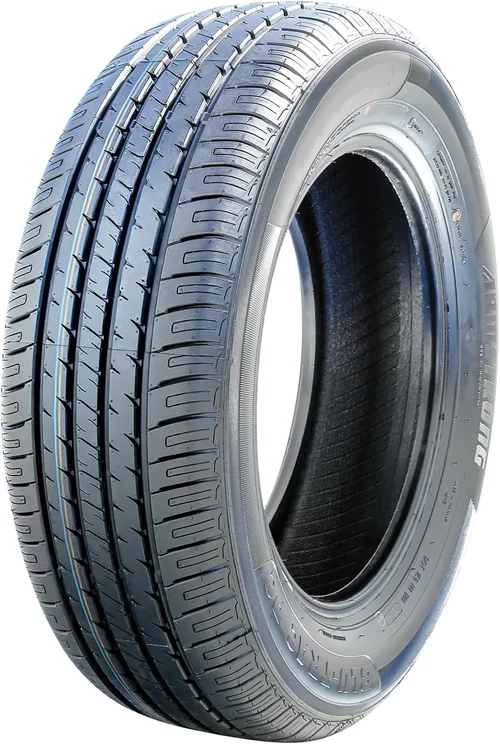
❌ Mistake: Choosing Tires Based Solely on Price
Why it’s bad: The cheapest tires often use inferior materials, have shorter lifespans, and perform poorly in critical areas like wet braking or snow traction. Saving $50 per tire might seem smart, but it could cost you more in replacements, fuel, and safety risks down the line.
What to do instead: View tires as a long-term investment. Calculate cost per mile by dividing the tire price by its expected tread life. A $200 tire lasting 70,000 miles costs less per mile than a $120 tire lasting 40,000 miles.
❌ Mistake: Ignoring Load and Speed Ratings
Why it’s bad: Installing tires with insufficient load capacity can lead to blowouts, especially when towing or carrying heavy loads. Similarly, using tires with a lower speed rating than recommended compromises handling and safety at higher speeds.
What to do instead: Always match or exceed your vehicle manufacturer’s specified load index and speed rating. When in doubt, consult the door jamb sticker or owner’s manual.
❌ Mistake: Mixing Tire Types or Tread Depths
Why it’s bad: Putting different tire models or significantly worn tires on the same axle (or across all four wheels) can cause uneven wear, poor handling, and strain on AWD systems. Many modern SUVs will trigger warning lights or enter limp mode if tread depth varies too much.
What to do instead: Replace tires in sets of four whenever possible. If replacing only two, install the new ones on the rear axle (for better stability) and ensure tread depth matches within 2/32 inch.
❌ Mistake: Overlooking Seasonal Needs
Why it’s bad: Using all-season tires in harsh winter conditions dramatically increases stopping distances and accident risk. Conversely, summer tires become dangerously hard and slippery in cold weather.
What to do instead: Assess your local climate honestly. If you see snow more than a few times a year, consider dedicated winter tires or certified all-weather tires with the 3PMSF symbol.
❌ Mistake: Skipping Professional Installation and Balancing
Why it’s bad: Improper mounting, unbalanced wheels, or incorrect torque can lead to vibrations, premature wear, and even wheel detachment. DIY installations often lack the precision tools and expertise needed.
What to do instead: Always have tires installed by certified professionals. Request road-force balancing for a smoother ride and ask for a torque wrench check after 50–100 miles.
❌ Mistake: Neglecting Regular Maintenance
Why it’s bad: Failing to rotate, align, or inspect tires regularly accelerates wear and reduces safety. Misaligned wheels can cause feathering or cupping, while underinflation increases blowout risk.
What to do instead: Follow a maintenance schedule: rotate every 5,000–7,500 miles, check pressure monthly, and inspect for damage or uneven wear during oil changes.
❌ Mistake: Falling for “Premium” Marketing Without Research
Why it’s bad: Flashy names like “Ultra-High Performance” or “EcoMax” don’t guarantee real-world benefits. Some premium-priced tires offer minimal advantages over mid-tier options.
What to do instead: Read independent reviews, check test results from organizations like ADAC or TÜV, and compare real user feedback on forums like Reddit or Tire Rack.
Budget Guidelines: How Much Should You Spend?
– Entry-Level ($80–$140 per tire): These tires are best suited for light-duty SUVs used primarily for city commuting in mild climates. Expect basic all-season performance, shorter tread life (30,000–50,000 miles), and minimal noise or comfort features. Brands like General, Westlake, or Douglas offer budget-friendly options, but prioritize safety certifications and avoid no-name imports.
– Mid-Range ($140–$220 per tire): This is the sweet spot for most SUV owners. Tires in this range—such as the Michelin Defender LTX, Bridgestone Dueler H/L Alenza, or Goodyear Assurance WeatherReady—deliver excellent balance across wet/dry traction, comfort, tread life (50,000–70,000 miles), and warranty coverage. You’ll find advanced compounds, noise reduction tech, and strong brand support.
– Premium ($220–$350 per tire): Designed for enthusiasts, luxury SUVs, or demanding conditions. These tires offer superior handling, extended warranties (up to 80,000 miles), and cutting-edge features like run-flat capability or adaptive treads. Examples include the Pirelli Scorpion Verde All Season Plus or Continental CrossContact LX25. Ideal if you value performance, longevity, and brand prestige.
– Luxury ($350+ per tire): Reserved for high-performance or ultra-luxury SUVs like the Range Rover Sport or Mercedes-AMG GLE. These tires prioritize precision, speed ratings (W/Y), and bespoke engineering. Expect handcrafted construction, exotic materials, and prices that reflect exclusivity—not just performance.
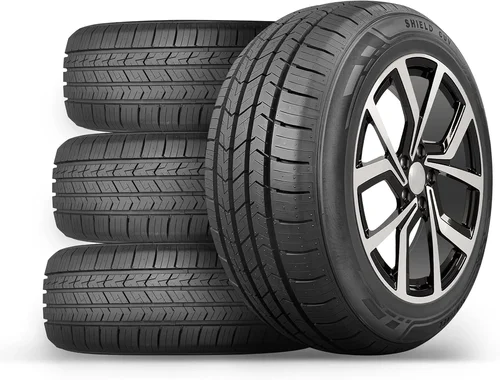
Expert Tips for Getting the Best Deal
– Buy in Spring or Fall: Retailers often run promotions during seasonal changeovers. Spring is ideal for all-season or summer tires; fall is perfect for winter or all-weather sets. Avoid peak winter demand when prices spike.
– Shop Online for Better Selection and Prices: Websites like Tire Rack, Discount Tire Direct, and SimpleTire frequently offer lower prices, free shipping, and user reviews. Many also provide virtual fitment tools and expert advice.
– Look for Rebates and Bundle Deals: Manufacturers often run mail-in rebates ($50–$100 off a set of four) or free installation promotions. Sign up for newsletters to get early access to sales.
– Consider Certified Pre-Owned or Take-Off Tires: Some shops sell lightly used tires from trade-ins or new vehicles. As long as tread depth is sufficient and there’s no damage, these can save 30–50%. Always inspect thoroughly.
– Check Return and Road Hazard Policies: Reputable retailers offer 30–90 day trial periods and road hazard warranties (covering punctures or blowouts). This protects your investment if you’re unsatisfied or encounter unexpected damage.
– Don’t Forget the Spare: If your SUV has a full-size spare, replace it simultaneously to maintain AWD system health. Many owners forget this, leading to drivetrain issues.
– Use Price Matching: Many online retailers will match local store prices. Call ahead or use chat support to confirm before ordering.
– Join Loyalty Programs: Stores like Costco, Sam’s Club, or Discount Tire offer member-exclusive discounts, free rotations, and lifetime balancing.

Frequently Asked Questions
Q: Can I use passenger car tires on my SUV?
A: Generally, no. SUVs require “LT” (Light Truck) or “P” (Passenger) rated tires with higher load capacities. Passenger tires (marked “P”) may not handle the weight, towing, or off-road demands of an SUV. Always check your owner’s manual for the correct designation.
Q: How often should I replace my SUV tires?
A: Most manufacturers recommend replacement every 6–10 years, regardless of tread depth, due to rubber degradation. Use the “penny test” (insert Lincoln’s head into tread—if you see the top of his head, it’s time to replace) and inspect for cracks, bulges, or uneven wear.
Q: Are more expensive tires always better?
A: Not necessarily. While premium tires often excel in specific areas (like wet braking or tread life), the “best” tire depends on your needs. A $300 performance tire may be overkill for a suburban mom driving a Toyota RAV4.
Q: Do I need to replace all four tires at once?
A: Ideally, yes—especially on AWD vehicles. Replacing only two can cause binding in the drivetrain. If replacing two, put the new ones on the rear axle for better stability.
Q: What’s the difference between all-terrain and mud-terrain tires?
A: All-terrain tires are designed for light off-roading, gravel, and snow, with quieter on-road manners. Mud-terrain tires have aggressive, self-cleaning lugs for deep mud and rocks but are noisy and wear faster on pavement. Most SUV owners don’t need mud-terrains unless frequently off-roading.
Q: Can I install larger tires on my SUV?
A: Yes, but only if they maintain the overall diameter within 3% of the original. Larger tires can improve ground clearance but may require suspension mods, speedometer recalibration, and could void warranties.
Q: Do tire warranties cover punctures?
A: Most mileage warranties do not. However, many retailers offer separate road hazard protection plans that cover nails, potholes, and blowouts for 1–3 years.
Q: How do I read a tire’s sidewall?
A: A code like “235/65R17 104H” means: 235mm width, 65% aspect ratio (sidewall height), Radial construction, 17-inch rim, load index 104 (1,984 lbs), speed rating H (130 mph).
Q: Are run-flat tires worth it for SUVs?
A: Run-flats allow you to drive 50+ miles after a puncture, which is great for safety and convenience. However, they’re stiffer, cost more, and require specialized repair. Only choose them if your SUV came equipped with them.
Q: Should I align my wheels after installing new tires?
A: Absolutely. Proper alignment ensures even wear, optimal handling, and maximum tread life. Most shops include a free alignment check with tire installation—take advantage of it.
Our Final Recommendations
– Best for Budget-Conscious Buyers: General Grabber HTS60 – Offers surprising durability, good wet traction, and a 60,000-mile warranty at under $150 per tire. Ideal for daily drivers who want reliability without breaking the bank.
– Best Overall Value: Michelin Defender LTX M/S – Consistently tops consumer and expert rankings for its blend of comfort, longevity (up to 70,000 miles), and all-season capability. Perfect for families and long-haul travelers.
– Best Premium Option: Pirelli Scorpion Zero All Season – Engineered for luxury and performance SUVs, this tire delivers razor-sharp handling, low noise, and stunning aesthetics—without sacrificing practicality.
– Best for Beginners: Goodyear Assurance WeatherReady – An excellent all-weather tire with the 3PMSF symbol, making it versatile for varied climates. Easy to find, well-reviewed, and backed by a strong warranty.
– Best for Advanced Users (Off-Road Enthusiasts): Bridgestone Dueler A/T Revo 3 – Built for serious adventure, this all-terrain tire handles rocks, mud, and snow with confidence while remaining surprisingly quiet on highways.
Conclusion: Making the Right Choice
Choosing the best tires for your SUV isn’t just about finding the shiniest option or the lowest price tag—it’s about aligning your tire choice with your lifestyle, climate, and driving habits. From understanding load ratings and tread compounds to avoiding common pitfalls and leveraging seasonal sales, this guide has equipped you with the tools to make a confident, informed decision.
Remember: your tires are the foundation of every journey. They influence everything from fuel economy and ride comfort to emergency braking and winter survival. Invest wisely, maintain diligently, and never compromise on safety. Whether you’re cruising down the interstate, exploring backcountry trails, or shuttling kids to soccer practice, the right set of tires will keep you—and your loved ones—safe, comfortable, and in control.
Take the time to assess your needs, compare options, and consult professionals when needed. Your SUV deserves nothing less than the best. Now go forth, drive confidently, and enjoy the road ahead.