
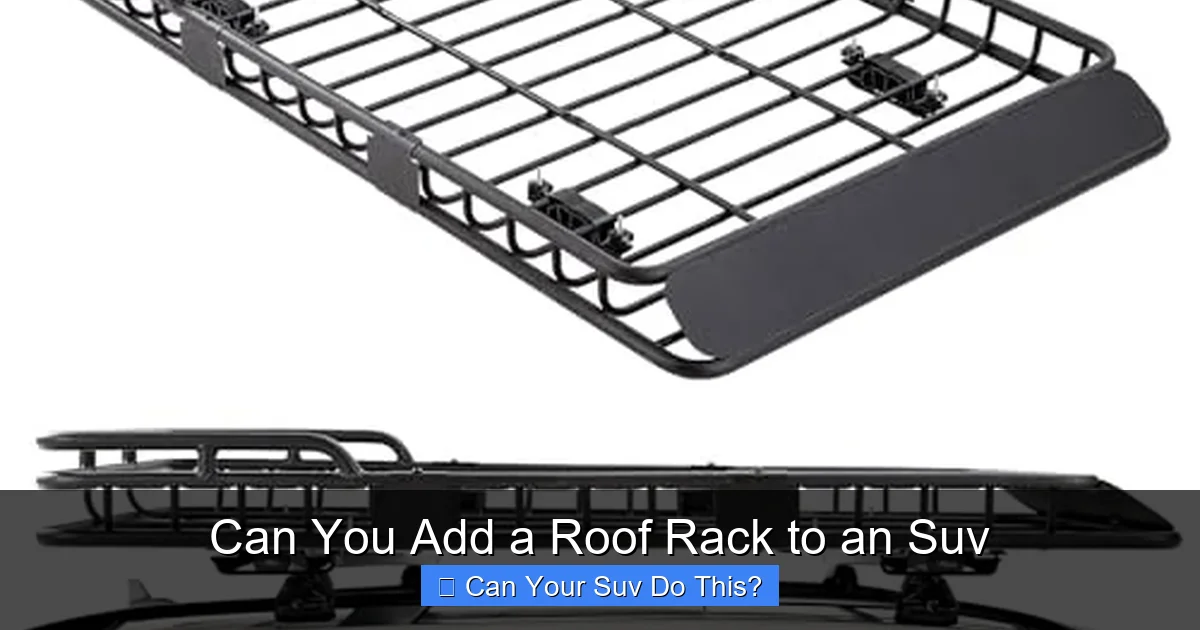
Yes, you can add a roof rack to most SUVs—even if it didn’t come with one from the factory. With the right hardware and a little know-how, you can safely carry bikes, kayaks, cargo boxes, and more. This guide covers everything from compatibility checks to installation tips and top product picks.
Key Takeaways
- Most SUVs can accommodate a roof rack: Even models without factory-installed rails often have hidden mounting points or compatible aftermarket solutions.
- Check your vehicle’s roof load capacity: Every SUV has a maximum dynamic (driving) and static (parked) weight limit—never exceed these for safety.
- Roof racks come in three main types: Raised side rails, flush-mounted rails, and door-frame clamp systems—each suits different SUV designs.
- Professional installation isn’t always necessary: Many roof rack kits are DIY-friendly with clear instructions, but complex setups may benefit from expert help.
- Aerodynamics and fuel efficiency matter: Poorly chosen or installed racks can increase wind noise and reduce MPG—opt for low-profile, aerodynamic designs when possible.
- Accessories expand functionality: Crossbars alone aren’t enough—consider cargo boxes, bike mounts, or kayak carriers tailored to your lifestyle.
- Regular maintenance ensures longevity: Inspect clamps, bolts, and seals periodically to prevent leaks, rattles, or failure while driving.
📑 Table of Contents
- Can You Add a Roof Rack to an SUV? The Short Answer
- Why Would You Want a Roof Rack on Your SUV?
- Do All SUVs Come With Roof Rails?
- Types of Roof Rack Systems for SUVs
- How Much Weight Can Your SUV’s Roof Hold?
- Step-by-Step: How to Install a Roof Rack on Your SUV
- Top Roof Rack Brands and Products for SUVs
- Maintaining Your Roof Rack: Keep It Safe and Functional
- Conclusion: Yes, You Can—and Should—Add a Roof Rack to Your SUV
Can You Add a Roof Rack to an SUV? The Short Answer
Absolutely—you can add a roof rack to nearly any SUV, whether it rolled off the lot with sleek factory rails or a completely bare roof. In fact, roof racks are one of the most popular and practical aftermarket upgrades for SUV owners who love adventure, need extra storage, or simply want to maximize their vehicle’s versatility.
But before you rush out to buy the first crossbar kit you see, it’s important to understand that not all roof racks are created equal—and not every setup works for every SUV. The good news? With a bit of research and the right gear, you can safely and securely outfit your SUV for hauling everything from camping gear to mountain bikes. This guide will walk you through everything you need to know: how to check compatibility, what types of racks exist, how to install them, and how to use them responsibly without compromising safety or fuel economy.
Why Would You Want a Roof Rack on Your SUV?
SUVs are built for capability, but even the most spacious models have limits when it comes to interior cargo room. Whether you’re packing for a weekend camping trip, loading up skis for a mountain getaway, or transporting bulky items like furniture or kayaks, a roof rack gives you that extra layer of utility without sacrificing passenger comfort.
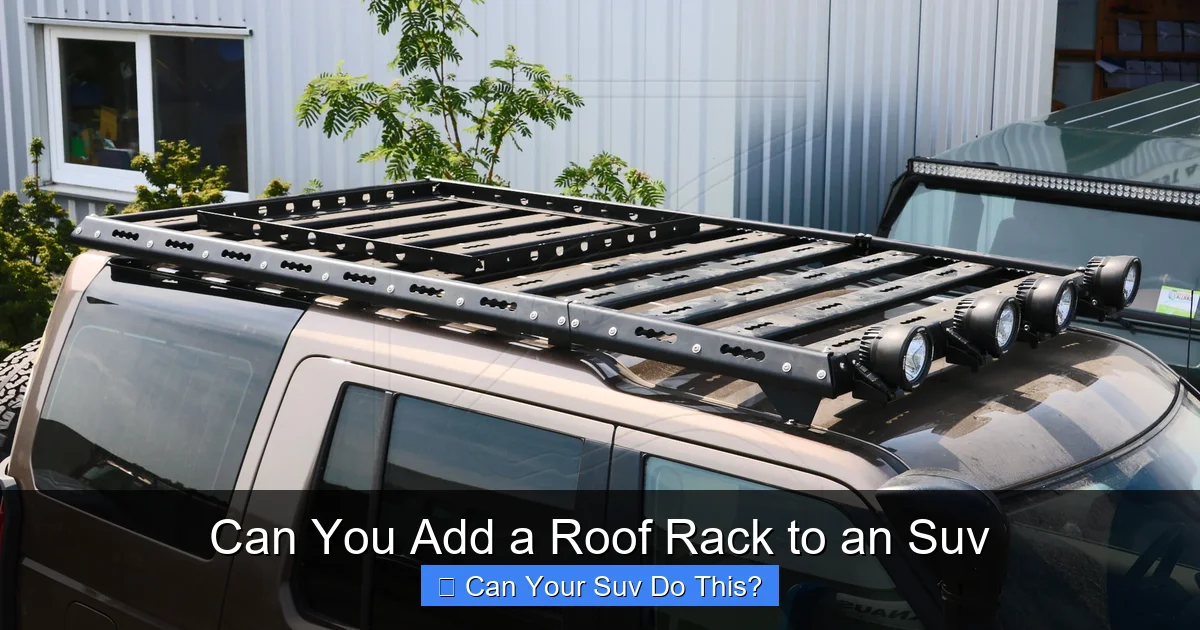
Visual guide about Can You Add a Roof Rack to an Suv
Image source: 4x4overlander.com
Beyond pure storage, roof racks also offer organizational benefits. Instead of wrestling with cramped trunks or folding down seats, you can keep your cabin clean and clutter-free while stashing gear up top. Plus, many modern roof rack systems are designed with aerodynamics in mind, minimizing wind noise and drag—so you won’t feel like you’re driving a sailboat on the highway.
Common Uses for SUV Roof Racks
- Cargo boxes and bags: Perfect for road trips, moving days, or hauling groceries during holiday rushes.
- Bike carriers: Securely transport one or more bicycles without dirtying your interior.
- Kayak and canoe mounts: Ideal for water sports enthusiasts who need to get their gear to the lake or river.
- Ski and snowboard racks: Keep winter gear protected and out of the way during ski season.
- Ladder or long-item carriers: Useful for contractors, landscapers, or DIY homeowners.
No matter your hobby or lifestyle, there’s likely a roof rack accessory that makes it easier—and more enjoyable.
Do All SUVs Come With Roof Rails?
Not all SUVs come equipped with visible roof rails, but that doesn’t mean they can’t support a roof rack. Understanding your SUV’s roof configuration is the first step in determining what kind of rack system will work best.
Types of SUV Roof Designs
SUV roofs generally fall into three categories:
- Raised side rails: These are the most common. You’ll see two longitudinal bars running along the edges of the roof (front to back). They’re usually factory-installed and provide anchor points for crossbars. Examples include the Honda CR-V, Toyota RAV4, and Subaru Forester.
- Flush-mounted rails: These sit lower and blend seamlessly into the roofline. They’re often found on luxury SUVs like the Lexus RX or BMW X5. While less obvious, they still offer solid mounting points for compatible crossbars.
- Bare roof (no rails): Some compact or budget-friendly SUVs—like the Nissan Kicks, Hyundai Venue, or older Jeep Compass models—have completely smooth roofs with no visible rails. Don’t worry—these vehicles often have hidden mounting points under the door frames or roof trim, allowing for clamp-on rack systems.
How to Check Your SUV’s Roof Type
Start by inspecting your roof. Look for raised bars along the sides. If you don’t see any, check your owner’s manual—it will specify whether your vehicle has “roof rails” or “mounting points.” Many manufacturers hide small plastic covers along the roofline that, when removed, reveal threaded holes for crossbar attachments. For example, the Mazda CX-5 has discreet caps near the rear doors that conceal mounting hardware.
If you’re unsure, visit the website of reputable roof rack brands like Thule, Yakima, or Rhino-Rack. They offer vehicle-specific fit guides where you can enter your SUV’s year, make, and model to see exactly what systems are compatible.
Types of Roof Rack Systems for SUVs
Once you know your SUV’s roof type, you can choose the right rack system. There are three primary styles, each suited to different needs and vehicle designs.
Factory Rail Systems
If your SUV came with raised or flush rails, you’ll likely use a “rail-mounted” crossbar system. These attach directly to the existing rails using clamps or brackets. Brands like Thule and Yakima offer universal crossbars that fit most factory rails, though some vehicles require specific adapters.
Pros: Clean look, secure fit, often aerodynamic.
Cons: May require adapter kits for certain models; limited adjustability.
Clamp-On (Door Frame) Systems
For SUVs with bare roofs, clamp-on systems are the go-to solution. These racks attach to the door frames (not the roof itself) using padded clamps that grip the window channel. They don’t damage the vehicle and can be removed easily.
Popular examples include the Yakima Baseline or Thule Elevate systems. Always ensure the clamps are tight and the rubber pads are in good condition to avoid scratches or slippage.
Pros: No drilling required; works on most vehicles; removable.
Cons: Slightly less stable at high speeds; may interfere with side airbags if not installed correctly (always check compatibility).
Flush Rail or Track Systems
Some high-end or custom setups use flush-mounted tracks bolted directly into the roof. These are less common for DIYers but offer a sleek, integrated look. They’re often used on overlanding builds or custom SUV conversions.
Note: Installing track systems usually requires drilling into the roof, which voids warranties and increases risk of leaks if not done professionally. Only consider this option if you’re experienced or working with a certified installer.
How Much Weight Can Your SUV’s Roof Hold?
This is perhaps the most critical question when adding a roof rack: How much can my SUV safely carry? Overloading your roof isn’t just dangerous—it can damage your vehicle, reduce handling, and even cause accidents.
Every SUV has two key weight ratings:
- Dynamic load capacity: The maximum weight the roof can handle while the vehicle is moving. This includes the rack, accessories, and cargo. Typical SUVs range from 100 to 165 pounds (45–75 kg), though some heavy-duty models like the Ford Explorer or Chevrolet Tahoe can handle up to 200+ pounds.
- Static load capacity: The weight the roof can support when the vehicle is parked. This is usually 3–4 times higher than dynamic capacity (e.g., 400–600 lbs) because there’s no motion or wind force. Useful for rooftop tents or storage when stationary—but never drive with that much weight up top!
Where to Find Your SUV’s Load Rating
Check your owner’s manual—it will list both dynamic and static limits under “roof load” or “cargo carrying capacity.” If you can’t find it, search online using your VIN or vehicle specs. Manufacturer websites and forums often have this info.
Example: A 2023 Toyota Highlander has a dynamic roof load limit of 165 lbs. That means your total cargo (including the rack and any carriers) must stay under that number while driving.
Tips for Safe Loading
- Distribute weight evenly across both crossbars.
- Secure all items with high-quality straps or locks—never rely on friction alone.
- Avoid placing heavy items toward the rear, as this can affect steering and braking.
- Recheck tightness after the first 10–20 miles of driving.
- Never exceed the lowest-rated component (e.g., if your rack holds 150 lbs but your SUV only allows 120 lbs, stick to 120 lbs).
Step-by-Step: How to Install a Roof Rack on Your SUV
Installing a roof rack is easier than you might think—especially with modern plug-and-play kits. Here’s a general guide, but always follow the manufacturer’s instructions for your specific model.
Gather Your Tools
Most kits include everything you need: crossbars, feet/clamps, keys, and instructions. You may also want a soft cloth (to protect paint), torque wrench (for precise tightening), and a friend to help lift heavy bars.
Installation Steps
- Clean the roof and rails: Wipe down the attachment points to remove dirt or debris that could interfere with sealing.
- Position the crossbars: Most systems recommend placing the front bar about 2–4 inches behind the front edge of the roof and spacing bars evenly. Some kits include measuring tools or templates.
- Attach the feet or clamps: For rail systems, slide the feet onto the rails and tighten. For clamp systems, position the arms over the door frames and secure according to the manual.
- Tighten securely: Use the provided key or wrench—but don’t over-tighten, as this can strip threads or crack plastic components. Many brands specify torque settings (e.g., 5–8 Nm).
- Test for stability: Gently shake the bars. They shouldn’t move. Open and close doors to ensure clamps don’t interfere with seals or windows.
- Install accessories: Once the base rack is secure, add your cargo box, bike mount, or other gear.
Pro Tips
- If your SUV has a panoramic sunroof, avoid placing crossbars directly over it—vibrations can cause cracking.
- Use rubber bumpers or foam pads between metal parts and your roof to prevent scratches.
- Take a short test drive and listen for rattles. Re-tighten if needed.
Top Roof Rack Brands and Products for SUVs
Not all roof racks are equal. Investing in a reputable brand ensures durability, safety, and compatibility. Here are some top performers:
Thule
Known for sleek design and robust engineering, Thule offers systems like the Thule WingBar Evo (aerodynamic aluminum bars) and Thule Force XT cargo boxes. Their Fit Guide makes matching products to your SUV simple.
Yakima
Yakima specializes in versatile, user-friendly systems. The Yakima JetStream crossbars are quiet and strong, while the Yakima SkyBox series offers spacious, lockable storage. Great for outdoor enthusiasts.
Rhino-Rack
Popular among overlanders and truck owners, Rhino-Rack provides heavy-duty options like the Vortex SX system. Their products often have higher weight ratings and rugged builds.
Factory Options
Many automakers sell OEM roof racks (e.g., Subaru OEM Crossbars, Ford Adventure Rack). These integrate perfectly but can be pricier than aftermarket alternatives.
When choosing, prioritize compatibility, weight capacity, noise reduction, and ease of use—not just price.
Maintaining Your Roof Rack: Keep It Safe and Functional
A roof rack is a long-term investment. With proper care, it can last a decade or more. Neglect, however, can lead to rust, leaks, or catastrophic failure.
Routine Checks
- Inspect bolts and clamps every few months—especially after long trips or winter driving.
- Clean rubber seals and gaskets to prevent water intrusion.
- Check for corrosion on metal parts, particularly in salty or humid climates.
- Lubricate moving parts (like lock cylinders) with silicone spray—never WD-40, which can degrade rubber.
Seasonal Considerations
In winter, remove snow and ice from the rack before loading gear—wet snow adds unexpected weight. In summer, avoid leaving racks in direct sun for extended periods, as heat can warp plastic components.
When not in use, consider storing crossbars indoors to prolong their life. Many owners swap them out seasonally (e.g., remove in winter if not using skis).
Conclusion: Yes, You Can—and Should—Add a Roof Rack to Your SUV
Adding a roof rack to your SUV isn’t just possible—it’s a smart, practical upgrade that unlocks new levels of utility and adventure. Whether you’re hauling gear for a cross-country road trip or just need extra space for weekend errands, the right roof rack system can make all the difference.
Start by identifying your SUV’s roof type and load capacity, then choose a compatible, high-quality rack from a trusted brand. Install it carefully, load it responsibly, and maintain it regularly. With these steps, you’ll enjoy years of safe, efficient, and stress-free travel—with all your favorite gear riding securely overhead.
So go ahead: pack that kayak, strap on those bikes, or load up the cargo box. Your SUV is ready for more—and now, so are you.
Frequently Asked Questions
Can I install a roof rack myself?
Yes, most roof rack systems are designed for DIY installation and come with detailed instructions. However, if your SUV requires drilling or has complex electronics (like rain sensors), consider professional help.
Will a roof rack damage my SUV’s roof?
When installed correctly using padded clamps or factory-compatible feet, a roof rack won’t damage your roof. Avoid overtightening and always use protective pads to prevent scratches.
Do roof racks reduce fuel efficiency?
Yes, especially if loaded with bulky items or poorly designed bars. Aerodynamic crossbars and enclosed cargo boxes minimize drag and help maintain better MPG.
Can I use a roof rack in the rain or snow?
Absolutely—roof racks are built to withstand weather. Just ensure all seals are intact and cargo is waterproofed to protect your gear and vehicle interior.
Are roof racks theft-proof?
Most quality racks include lock cores to secure crossbars and accessories. Always lock your gear when parked, especially in public areas.
What if my SUV has a sunroof?
You can still use a roof rack, but avoid placing crossbars directly over the sunroof glass. Position bars forward or aft of the panel, and ensure vibrations won’t affect the mechanism.