

Yes, you can drift an SUV—but it’s not as simple as it sounds. While most SUVs aren’t designed for drifting, certain models with rear-wheel drive, powerful engines, and proper modifications can pull off controlled slides. However, safety, skill, and vehicle setup are critical to doing it right.
Key Takeaways
- Drifting an SUV is possible but challenging: Most SUVs are built for stability and comfort, not high-angle slides, making them less ideal for drifting than sports cars.
- Rear-wheel drive (RWD) or all-wheel drive (AWD) with rear bias is essential: Front-wheel drive SUVs are nearly impossible to drift effectively due to traction and weight distribution.
- Weight and center of gravity matter: SUVs are heavier and taller than sports cars, increasing rollover risk during aggressive maneuvers.
- Modifications improve drifting capability: Upgraded suspension, limited-slip differentials, performance tires, and brake bias adjustments can make drifting safer and more controllable.
- Skill and practice are non-negotiable: Drifting requires precise throttle, steering, and brake control—beginners should train in safe, controlled environments.
- Not all SUVs are created equal for drifting: Performance-oriented models like the Ford Explorer ST, BMW X5 M, or lifted Jeep Wrangler Rubicon are better candidates.
- Safety first: Always drift in closed courses with proper safety gear, and never attempt it on public roads.
📑 Table of Contents
Can You Drift an SUV? The Surprising Truth
You’ve seen it in movies—cars sliding sideways through corners, tires smoking, drivers in complete control. But what about SUVs? Can you drift an SUV like a rally car or a sports coupe? The short answer is yes, but with major caveats. Unlike lightweight rear-wheel-drive sports cars, most SUVs are built for comfort, cargo space, and all-weather capability—not high-speed slides. That doesn’t mean it’s impossible, though. With the right vehicle, modifications, and skill, drifting an SUV can be done—safely and impressively.
But before you grab the keys and head to the nearest empty parking lot, it’s important to understand what drifting really is. Drifting is a driving technique where the driver intentionally oversteers, causing the rear wheels to lose traction while maintaining control through the corner. It’s a skill that requires balance, timing, and a deep understanding of vehicle dynamics. While it’s most commonly associated with lightweight, rear-wheel-drive cars like the Nissan 240SX or Toyota Supra, the concept can—and has—been applied to larger vehicles, including SUVs.
So why the hesitation? SUVs are heavier, taller, and often front-wheel-drive biased. These traits make them inherently less stable during aggressive maneuvers. But as automotive culture evolves, so do the possibilities. From lifted Jeeps on dirt tracks to turbocharged BMW X5s on closed courses, drifting SUVs is becoming more than just a stunt—it’s a growing niche in the performance and off-road communities.
What Makes an SUV Suitable for Drifting?
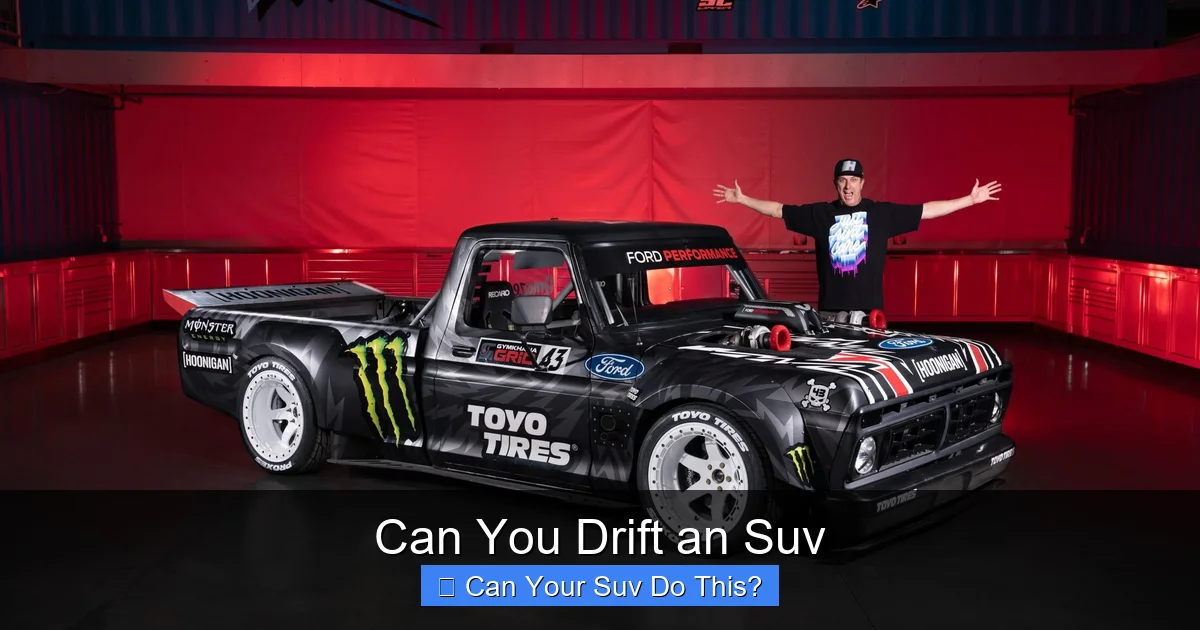
Visual guide about Can You Drift an Suv
Image source: wallpapercave.com
Not every SUV is cut out for drifting. In fact, most aren’t. But certain characteristics make some models better candidates than others. Let’s break down what you need to look for if you’re serious about drifting your SUV.
Rear-Wheel Drive or Rear-Biased All-Wheel Drive
The first and most critical factor is drivetrain layout. Rear-wheel drive (RWD) is the gold standard for drifting because it allows the rear wheels to break traction easily while the front wheels maintain steering control. All-wheel drive (AWD) systems can also work, especially if they’re rear-biased—meaning more power goes to the rear wheels under normal conditions. Vehicles like the BMW X5 M or Mercedes-AMG GLE 63 S have AWD systems that can be tuned or modified to favor rear-wheel power delivery, making them surprisingly capable drifters.
Front-wheel drive (FWD) SUVs, on the other hand, are a hard no. With most of the weight over the front axle and power going to the steering wheels, initiating and maintaining a drift is extremely difficult. The car will understeer—pushing wide through the corner—rather than rotating around the front wheels. So if your SUV is FWD, drifting isn’t just hard—it’s practically impossible without major modifications.
Power and Torque
Drifting requires power—lots of it. You need enough torque to break the rear tires loose, especially in a heavy vehicle. SUVs with turbocharged engines, high horsepower ratings, and strong low-end torque are ideal. For example, the Ford Explorer ST produces 400 horsepower and 415 lb-ft of torque, giving it the grunt needed to initiate slides. Similarly, the Jeep Grand Cherokee Trackhawk, with its supercharged 6.2L V8 making 707 horsepower, is a beast on the track—and surprisingly driftable with the right setup.
But power alone isn’t enough. You also need throttle response. A laggy turbo system can make it hard to control the slide, especially when you need quick adjustments mid-drift. That’s why vehicles with responsive throttle mapping and minimal turbo lag are preferred.
Weight Distribution and Center of Gravity
SUVs are heavy—often weighing over 4,500 pounds—and their high center of gravity makes them prone to rolling during aggressive maneuvers. This is a major safety concern. A lower, more balanced weight distribution helps, but even the best SUVs can’t match the agility of a sports car. That said, some SUVs are better balanced than others. Performance-oriented models like the Porsche Cayenne or Audi Q8 have near 50/50 weight distribution, which improves handling and makes drifting more predictable.
Lifted SUVs, like modified Jeep Wranglers or Toyota 4Runners, present a unique challenge. While they’re often used in off-road drifting (think desert racing or rallycross), their high center of gravity increases rollover risk. However, on loose surfaces like dirt or gravel, the reduced traction can actually make it easier to initiate a drift—just be prepared for a wild ride.
Suspension and Chassis Tuning
Stock SUV suspension is designed for comfort, not performance. It’s soft, compliant, and not built to handle the lateral forces of drifting. Upgrading to performance suspension—coilovers, stiffer sway bars, and reinforced control arms—can dramatically improve handling. Lowering the ride height slightly (without compromising ground clearance) also helps lower the center of gravity and improve stability.
Additionally, a reinforced chassis or subframe can help manage the stress of repeated drifts. SUVs aren’t built to slide sideways repeatedly, so reinforcing key areas can prevent damage over time.
Modifications That Make Drifting an SUV Possible
If you’re serious about drifting your SUV, you’ll likely need to make some modifications. While it’s technically possible to drift a stock RWD or AWD SUV, doing so safely and effectively usually requires upgrades. Here’s what you should consider.
Limited-Slip Differential (LSD) or Locking Differential
One of the most important upgrades for drifting is a limited-slip differential (LSD) or a locking rear differential. In a stock open differential, power goes to the wheel with the least resistance—meaning if one rear tire loses traction, the other won’t get much power. An LSD or locker ensures both rear wheels receive power, making it easier to maintain a drift.
For off-road or rally-style drifting, a locking differential is ideal. It forces both wheels to spin at the same speed, which is great for maintaining momentum on loose surfaces. For paved tracks, an LSD offers better modulation and control.
Performance Tires and Wheels
Tires are your only contact with the road, so choosing the right ones is crucial. For drifting, you want a tire that can break traction easily but still offer some grip when needed. Many drifters use older, harder compound tires or even dedicated drift tires like the Falken RT615K+ or Nitto NT05R.
Wider rear tires can also help. A staggered setup—narrower front tires, wider rears—can improve rotation and make it easier to initiate a drift. Just be aware that wider tires may require fender modifications or suspension adjustments.
Brake Bias Adjustment
Drifting often involves using the brakes to shift weight and induce oversteer. A brake bias controller allows you to send more braking force to the rear wheels, helping to break traction and rotate the vehicle. This is especially useful in heavier SUVs, where weight transfer is slower than in lighter cars.
Some performance SUVs come with adjustable brake bias from the factory, but aftermarket systems are available for most vehicles.
Roll Cage and Safety Equipment
Let’s be clear: drifting is dangerous, especially in a tall, heavy SUV. A roll cage is highly recommended if you plan to drift regularly. It protects the occupants in the event of a rollover—a real risk with high-center-of-gravity vehicles.
Other safety gear includes a racing harness, helmet, fire extinguisher, and a properly secured battery. Never drift without proper safety equipment, especially in modified vehicles.
ECU Tuning and Throttle Response
A tuned engine control unit (ECU) can improve throttle response, increase power, and allow for more precise control during drifts. Many tuners offer drift-specific maps that prioritize rear-wheel power delivery and reduce traction control interference.
Disabling or adjusting electronic stability control (ESC) is also essential. Most SUVs have aggressive ESC systems that will cut power or apply brakes if they detect a slide. While this is great for everyday driving, it’s a nightmare for drifting. Look for vehicles with a “track mode” or “sport+” setting that allows partial or full ESC disable.
Real-World Examples: SUVs That Can Drift
You don’t have to imagine it—people are already drifting SUVs. Here are a few real-world examples that prove it’s not just a fantasy.
Ford Explorer ST
The Ford Explorer ST is a sleeper hit in the drifting world. With 400 horsepower, rear-biased intelligent AWD, and a sport-tuned suspension, it’s surprisingly agile for a three-row SUV. Enthusiasts have successfully drifted it on closed courses, using its power and torque to initiate slides. While not as nimble as a sports car, it’s proof that modern performance SUVs can handle aggressive driving.
BMW X5 M and X6 M
These German powerhouses are built for performance. The X5 M and X6 M feature a rear-biased M xDrive AWD system, a twin-turbo V8, and track-tuned suspension. They’re heavy, but their power and precision make them capable drifters. In fact, BMW has showcased the X5 M drifting in promotional videos, proving it’s not just possible—it’s impressive.
Jeep Wrangler Rubicon (Lifted and Modified)
Off-road drifting is a thing, and the Jeep Wrangler is a favorite among rally and desert racers. With a lifted suspension, locking differentials, and aggressive tires, a modified Wrangler can drift through sand, mud, and gravel with ease. It’s not about speed—it’s about control and style. The high center of gravity is a risk, but on loose terrain, it’s part of the fun.
Toyota Land Cruiser or Lexus LX (on Dirt)
These full-size SUVs are built for tough terrain. While not designed for track drifting, they’re often used in off-road events where controlled slides are part of the game. With proper modifications—like a rear LSD and off-road tires—they can drift through corners on dirt tracks, showcasing their surprising agility.
The Risks of Drifting an SUV
Let’s not sugarcoat it: drifting an SUV is risky. While it’s possible, it’s not without serious dangers. Here’s what you need to know before you try it.
Rollover Risk
SUVs have a high center of gravity, which makes them more likely to roll during sharp turns or slides. This is especially true during high-speed drifts or on uneven terrain. A rollover can cause serious injury or death, so it’s critical to drift in safe, controlled environments—never on public roads.
Tire and Suspension Damage
Drifting puts extreme stress on tires, suspension components, and drivetrain parts. Repeated slides can wear out tires quickly, bend control arms, or damage CV joints. Regular inspections and maintenance are essential if you plan to drift regularly.
Legal and Insurance Issues
Drifting on public roads is illegal in most places and can result in fines, license suspension, or criminal charges. Even if you’re not caught, your insurance may not cover damage from intentional sliding. Always drift in legal, private areas like race tracks or closed courses.
Skill Level Required
Drifting isn’t something you can learn in an afternoon. It takes hours of practice, feedback, and gradual progression. Beginners should start with basic car control exercises—like figure-eights or slaloms—before attempting full drifts. Consider taking a professional drifting course to learn proper techniques and safety protocols.
How to Drift an SUV: A Step-by-Step Guide
If you’ve got the right SUV, the right mods, and the right mindset, here’s how to start drifting safely.
Step 1: Choose the Right Location
Find a large, empty, private area—like a closed race track, airport runway, or designated drifting facility. Avoid public roads, parking lots, or residential areas. Safety and legality are paramount.
Step 2: Prepare Your Vehicle
Ensure your SUV is in top condition. Check tire pressure, fluid levels, and brake function. Disable traction and stability control. If you have a brake bias controller, set it to favor the rear.
Step 3: Start with Basic Drifts
Begin with gentle slides at low speeds. Use the handbrake or left-foot braking to initiate oversteer, then counter-steer to control the slide. Focus on smoothness, not speed.
Step 4: Practice Throttle Control
Once you’re comfortable initiating drifts, work on throttle modulation. Too much gas will spin the wheels; too little will cause the car to straighten out. Find the sweet spot where the rear end swings out but remains controllable.
Step 5: Progress to Linking Corners
As your confidence grows, try linking multiple drifts through a series of corners. This requires precise timing, steering, and throttle control. Use cones or markers to create a practice course.
Step 6: Record and Review
Use a dashcam or have someone film your sessions. Watching the footage helps you identify mistakes and improve your technique.
Conclusion: Should You Drift Your SUV?
So, can you drift an SUV? Absolutely. But should you? That depends.
If you’re a skilled driver with a modified, rear-wheel-drive or rear-biased AWD SUV, and you’re willing to invest time, money, and effort into safety and training, then yes—drifting your SUV can be an exciting and rewarding challenge. It’s a way to push the limits of what these versatile vehicles can do, blending performance, off-road capability, and driving artistry.
But if you’re a beginner, driving a stock FWD SUV, or planning to drift on public roads, the answer is a hard no. The risks far outweigh the rewards. Drifting is a skill that demands respect, preparation, and responsibility.
Ultimately, drifting an SUV isn’t about defying physics—it’s about understanding them. With the right knowledge, tools, and mindset, you can turn your SUV into a surprising drift machine. Just remember: safety first, always.
Frequently Asked Questions
Can you drift a front-wheel-drive SUV?
No, drifting a front-wheel-drive SUV is extremely difficult and not recommended. FWD vehicles tend to understeer, making it hard to initiate and maintain a controlled slide. Rear-wheel drive or rear-biased AWD is essential for effective drifting.
Is it safe to drift an SUV?
Drifting an SUV can be safe if done in a controlled environment with proper modifications and safety gear. However, the high center of gravity increases rollover risk, so it should only be attempted by experienced drivers on closed courses.
What SUVs are best for drifting?
Performance SUVs like the Ford Explorer ST, BMW X5 M, Mercedes-AMG GLE 63, and modified Jeep Wranglers are among the best candidates due to their power, rear-biased drivetrains, and tunable suspensions.
Do I need to modify my SUV to drift it?
While you can attempt drifting in a stock RWD or AWD SUV, modifications like a limited-slip differential, performance tires, suspension upgrades, and brake bias adjustment significantly improve safety and control.
Can you drift an SUV on dirt or gravel?
Yes, drifting on loose surfaces like dirt or gravel is easier due to reduced traction. Lifted SUVs with locking differentials, such as the Jeep Wrangler or Toyota 4Runner, are popular choices for off-road drifting.
Is drifting bad for your SUV?
Frequent drifting can cause wear and damage to tires, suspension, and drivetrain components. Regular maintenance and inspections are essential if you plan to drift regularly. Always prioritize mechanical integrity and safety.