
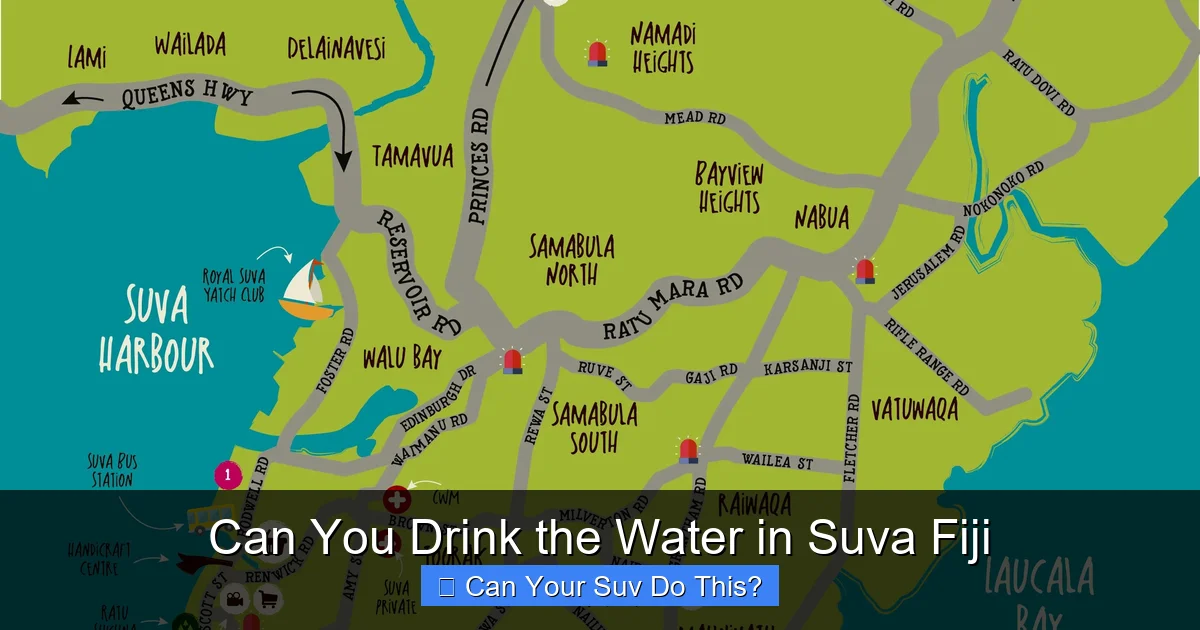
Drinking tap water in Suva, Fiji, is generally safe for locals and most travelers, but caution is advised. While the water supply is treated and monitored, factors like aging infrastructure and individual sensitivity mean bottled or filtered water is often the safer choice for visitors.
So, you’re planning a trip to Suva, Fiji—maybe for a tropical getaway, a cultural immersion, or even a work assignment. You’ve packed your sunscreen, camera, and sense of adventure. But there’s one practical question nagging at the back of your mind: *Can you drink the water in Suva Fiji?*
It’s a smart question—and one that every traveler should ask. After all, nothing ruins a vacation faster than an upset stomach from questionable H2O. The good news? Suva, as Fiji’s capital and largest city, has a relatively modern water infrastructure compared to many Pacific island destinations. But like any travel destination, there are nuances. The answer isn’t a simple “yes” or “no”—it depends on who you are, where you’re staying, and how cautious you want to be.
In this guide, we’ll dive deep into the truth about Suva’s water supply. We’ll cover how the water is treated, what the locals drink, what travelers should know, and how to stay safe and hydrated without overcomplicating your trip. Whether you’re sipping from a coconut on the waterfront or exploring the bustling markets of the city center, you’ll know exactly what to do when thirst strikes.
Key Takeaways
- Tap water in Suva is treated and generally safe: The water supply is managed by the Water Authority of Fiji and undergoes filtration and chlorination to meet basic safety standards.
- Visitor sensitivity varies: Travelers from countries with different water systems may experience digestive upset due to unfamiliar microbes, even if the water is technically safe.
- Bottled water is widely available: You’ll find bottled water in supermarkets, convenience stores, and hotels throughout Suva, making it an easy backup option.
- Use filtered or boiled water for extra safety: Portable filters, UV purifiers, or simply boiling tap water for 1 minute can reduce risk, especially for young children or those with weakened immune systems.
- Avoid tap water in rural or outer areas: While Suva’s system is relatively reliable, nearby villages or islands may rely on wells or rainwater tanks that aren’t treated to the same standard.
- Ice and beverages are usually safe: Most restaurants and cafes use filtered or boiled water for ice and drinks, but it’s wise to ask if you’re unsure.
- Stay hydrated the smart way: Whether you choose tap, bottled, or filtered water, staying hydrated is key in Suva’s tropical climate—just pick the method that makes you feel most comfortable.
📑 Table of Contents
- Understanding Suva’s Water Supply System
- Is Tap Water Safe for Travelers in Suva?
- Bottled Water: The Easy and Reliable Option
- What About Ice, Beverages, and Food?
- Practical Tips for Staying Hydrated Safely in Suva
- Comparing Suva to Other Parts of Fiji
- Final Thoughts: Can You Drink the Water in Suva Fiji?
Understanding Suva’s Water Supply System
To answer whether you can drink the water in Suva Fiji, it helps to understand where that water comes from and how it gets to your tap.
Suva’s water is primarily sourced from surface water—rivers and streams in the surrounding highlands. The main treatment plant, located in the Tamavua area, processes water from the Wailali River and other nearby sources. This water goes through a multi-step treatment process that includes coagulation (clumping dirt and particles together), sedimentation (letting the clumps settle), filtration (passing through sand and gravel), and disinfection (typically with chlorine).
The Water Authority of Fiji (WAF) is responsible for managing the city’s water supply. They monitor water quality regularly and aim to meet World Health Organization (WHO) guidelines for drinking water. In recent years, the government has invested in upgrading infrastructure, including pipe replacements and improved filtration systems, to reduce contamination risks.
That said, Suva’s water system isn’t perfect. Aging pipes, occasional power outages, and heavy rainfall can affect water quality. During the rainy season, runoff from roads and agricultural areas can increase sediment and bacteria levels in source water, which may challenge the treatment process. Additionally, some neighborhoods—especially older parts of the city—may have older plumbing that introduces rust or other contaminants into the water by the time it reaches your tap.
So while the water leaving the treatment plant is generally safe, the journey through miles of pipes can introduce variables. This is why many locals and visitors alike choose to take extra precautions.
How Locals in Suva Handle Drinking Water
If you’re wondering whether you can drink the water in Suva Fiji, it’s helpful to know what the people who live there do.
Most Fijian residents in Suva drink tap water without issue. They’ve grown up with the local water supply and have developed a tolerance to the microbes and minerals present. In fact, it’s common to see locals filling reusable bottles directly from the tap at home, work, or public water fountains.
However, even locals aren’t completely immune to water-related issues. Some households use water filters—especially in older buildings or areas with known pipe problems. Others boil water before drinking, particularly during the rainy season or after reports of water quality alerts.
You’ll also notice that many homes and businesses have large water storage tanks on their roofs. These tanks collect rainwater or store treated water from the municipal supply. While rainwater is often used for washing and cleaning, treated tap water is typically used for drinking—after being filtered or boiled.
In short, locals have adapted to the system. They know which areas have better water pressure and quality, and they take simple steps to ensure safety. As a visitor, you can learn from their habits—but remember, your body may not have the same built-in resilience.
Is Tap Water Safe for Travelers in Suva?
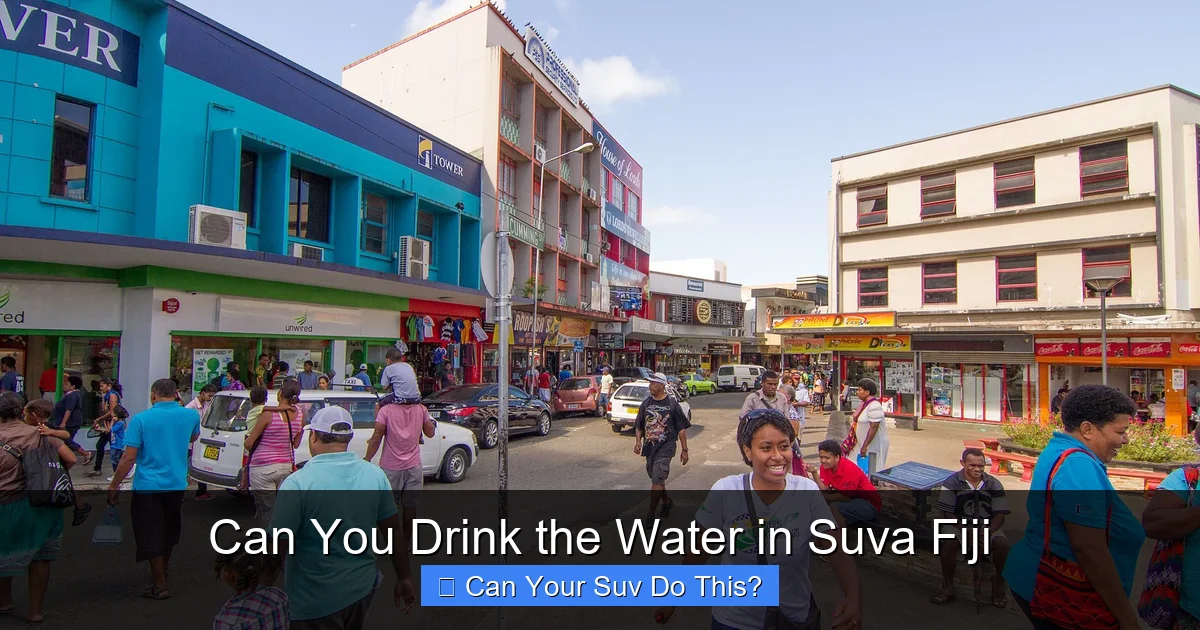
Visual guide about Can You Drink the Water in Suva Fiji
Image source: fijiguide.com
Now for the million-dollar question: *Can you drink the water in Suva Fiji as a tourist?*
The short answer is: **It’s usually safe, but many travelers choose to avoid it—just to be safe.**
Here’s why. While Suva’s tap water is treated and monitored, travelers from countries like the U.S., Canada, or Europe may not be accustomed to the specific bacteria, parasites, or mineral content in Fijian water. Even if the water meets safety standards, your digestive system might react differently. This isn’t because the water is “dirty”—it’s because your gut microbiome is used to a different environment.
Common symptoms of drinking unfamiliar water include mild stomach cramps, diarrhea, or bloating. These are usually temporary and not serious, but they can put a damper on your trip. This condition is sometimes referred to as “traveler’s tummy” or “Fiji belly” (a playful local term), and it’s more about adjustment than illness.
That said, many travelers do drink tap water in Suva without problems. If you’re healthy, have a strong stomach, and take it slow (e.g., starting with small sips), you might be fine. But if you’re prone to digestive issues, have a weakened immune system, or are traveling with young children, it’s smarter to play it safe.
When to Avoid Tap Water in Suva
There are certain situations where avoiding tap water is strongly recommended:
– **During or after heavy rain:** Flooding can overwhelm the treatment system and increase contamination risk.
– **In older buildings or informal settlements:** These areas may have outdated plumbing or inconsistent water pressure.
– **If you see discolored or cloudy water:** This could indicate sediment or pipe corrosion.
– **If you’re staying in a rural area near Suva:** While Suva itself has a centralized system, nearby villages may rely on untreated wells or rainwater.
Also, avoid drinking tap water from public restrooms or street-side taps unless you’re certain of the source. These are more likely to be connected to older or unmonitored lines.
Bottled Water: The Easy and Reliable Option
If you’re unsure about drinking tap water in Suva, bottled water is your best friend.
Fiji is actually famous for its bottled water—yes, the iconic *Fiji Water* brand originates from a natural artesian aquifer on the main island of Viti Levu, not far from Suva. While the bottled water sold locally isn’t always the premium export version, it’s still high-quality and widely available.
You’ll find bottled water in nearly every supermarket, convenience store, gas station, and hotel in Suva. Brands like *Fiji Water*, *Viti Water*, and *Pure Water* are common. A 500ml bottle typically costs between FJD $1.50 and $2.50 (about USD $0.70–$1.15), making it affordable even for budget travelers.
Many hotels and guesthouses provide complimentary bottled water in rooms, and some even have water dispensers in common areas. Restaurants and cafes usually serve bottled water upon request, though they may charge a small fee.
One tip: Bring a reusable water bottle and refill it with bottled water. This reduces plastic waste and saves money over time. Just make sure to clean your bottle regularly, especially in the humid climate.
Eco-Friendly Alternatives to Bottled Water
While bottled water is convenient, it’s not the most sustainable option—especially in a country like Fiji, where plastic waste is a growing concern.
If you’re eco-conscious, consider these alternatives:
– **Portable water filters:** Devices like LifeStraw, Grayl, or Sawyer filters can remove bacteria, protozoa, and some viruses from tap water. They’re lightweight, easy to use, and perfect for travelers.
– **UV purifiers:** Tools like the SteriPEN use ultraviolet light to kill harmful microorganisms. They work quickly but require batteries or charging.
– **Boiling water:** If you have access to a kettle or stove, boiling tap water for at least one minute (or three minutes at higher altitudes) makes it safe to drink. This is a low-cost, effective method used by many locals.
Using these tools allows you to drink tap water safely while reducing your environmental footprint. Plus, you’ll have peace of mind knowing your water is clean—no matter where you are in Suva.
What About Ice, Beverages, and Food?
Even if you avoid drinking tap water directly, you might still be exposed to it through other sources. Here’s what to know about ice, drinks, and food in Suva.
Ice in Drinks
In most reputable restaurants, cafes, and hotels in Suva, ice is made from filtered or boiled water. It’s generally safe to consume. However, if you’re at a street vendor, small market stall, or informal eatery, there’s a higher chance the ice was made from untreated tap water.
A good rule of thumb: If the ice looks cloudy or is served in a questionable setting, skip it. Opt for drinks without ice or ask if the ice is made from filtered water. Many places will happily accommodate your request.
Beverages and Mixed Drinks
Juices, sodas, and alcoholic drinks are usually safe because they’re made with treated or bottled water. However, be cautious with drinks that contain a lot of water, like iced tea or diluted cocktails. If you’re unsure, choose bottled or canned beverages.
Food and Washing Produce
Fruits and vegetables sold in markets may have been washed with tap water. While this isn’t usually a major risk, it’s a good idea to peel fruits like bananas, oranges, or mangoes before eating. For leafy greens or salads, choose places that use filtered water for washing—or better yet, eat cooked food, which is always safer.
When brushing your teeth, use bottled or filtered water. Swallowing small amounts of tap water during brushing is unlikely to cause harm, but it’s an easy precaution to take.
Practical Tips for Staying Hydrated Safely in Suva
Now that you know the facts, here are some practical tips to help you stay hydrated—without the worry.
– **Start slow:** If you want to try tap water, begin with small sips and see how your body reacts.
– **Carry a reusable bottle:** Fill it with bottled or filtered water and refill throughout the day.
– **Ask locals for advice:** Hotel staff, tour guides, or expats living in Suva can give you up-to-date insights on water quality.
– **Check for advisories:** The Water Authority of Fiji sometimes issues alerts about water quality. You can check their website or ask at your accommodation.
– **Stay cool and hydrated:** Suva is hot and humid. Drink plenty of fluids, especially if you’re active or spending time in the sun.
– **Pack oral rehydration salts:** Just in case you do get an upset stomach, these can help restore electrolytes quickly.
Remember, staying hydrated is crucial in Suva’s tropical climate. Don’t let water worries stop you from drinking enough—just choose the method that makes you feel most comfortable.
Comparing Suva to Other Parts of Fiji
It’s important to note that water safety can vary significantly across Fiji. While Suva has a relatively reliable system, other areas may not.
In rural villages, outer islands, or remote resorts, water may come from wells, rainwater tanks, or untreated streams. These sources aren’t always filtered or chlorinated, so drinking tap water in these areas is not recommended.
Even in popular tourist destinations like Nadi, Denarau Island, or the Mamanuca Islands, water quality can depend on the specific resort or facility. Many high-end hotels have their own filtration systems, but smaller guesthouses may not.
So while you might be able to drink the water in Suva, always assess the situation when traveling elsewhere in Fiji. When in doubt, stick to bottled or filtered water.
Final Thoughts: Can You Drink the Water in Suva Fiji?
So, can you drink the water in Suva Fiji? The answer is: **Yes, it’s generally safe—but many travelers choose not to, and that’s perfectly reasonable.**
Suva’s water supply is treated, monitored, and managed by a dedicated authority. Locals drink it daily without issue. But as a visitor, your body may react differently, and the risks—while small—are real.
The best approach is to use common sense. Drink bottled water if you’re unsure. Use a filter or boil tap water for extra safety. Avoid ice and unwashed produce in questionable settings. And always listen to your body.
At the end of the day, staying hydrated is what matters most. Whether you’re sipping from a coconut, enjoying a fresh juice, or refilling your bottle at a hotel dispenser, you can explore Suva with confidence—knowing you’ve made smart choices about your water.
After all, the real magic of Fiji isn’t just in its waterfalls and coral reefs—it’s in the peace of mind that comes from traveling wisely.
Frequently Asked Questions
Is it safe to drink tap water in Suva, Fiji?
Tap water in Suva is generally treated and safe for locals, but travelers may experience mild digestive issues due to unfamiliar microbes. Many visitors choose bottled or filtered water to be safe.
Can I brush my teeth with tap water in Suva?
Yes, but it’s best to use bottled or filtered water to avoid accidentally swallowing tap water, which could upset your stomach.
Is ice safe to consume in Suva restaurants?
In most reputable establishments, ice is made from filtered or boiled water and is safe. Avoid ice at street vendors or informal eateries if you’re unsure.
Where can I buy bottled water in Suva?
Bottled water is widely available in supermarkets, convenience stores, hotels, and gas stations throughout Suva. Brands like Fiji Water and Viti Water are common.
Do I need a water filter in Suva?
A portable filter isn’t essential, but it can provide extra peace of mind, especially if you plan to drink tap water or travel to rural areas.
What should I do if I get sick from drinking water in Suva?
Stay hydrated with oral rehydration solutions, rest, and avoid solid foods until symptoms improve. Seek medical help if symptoms persist or worsen.