
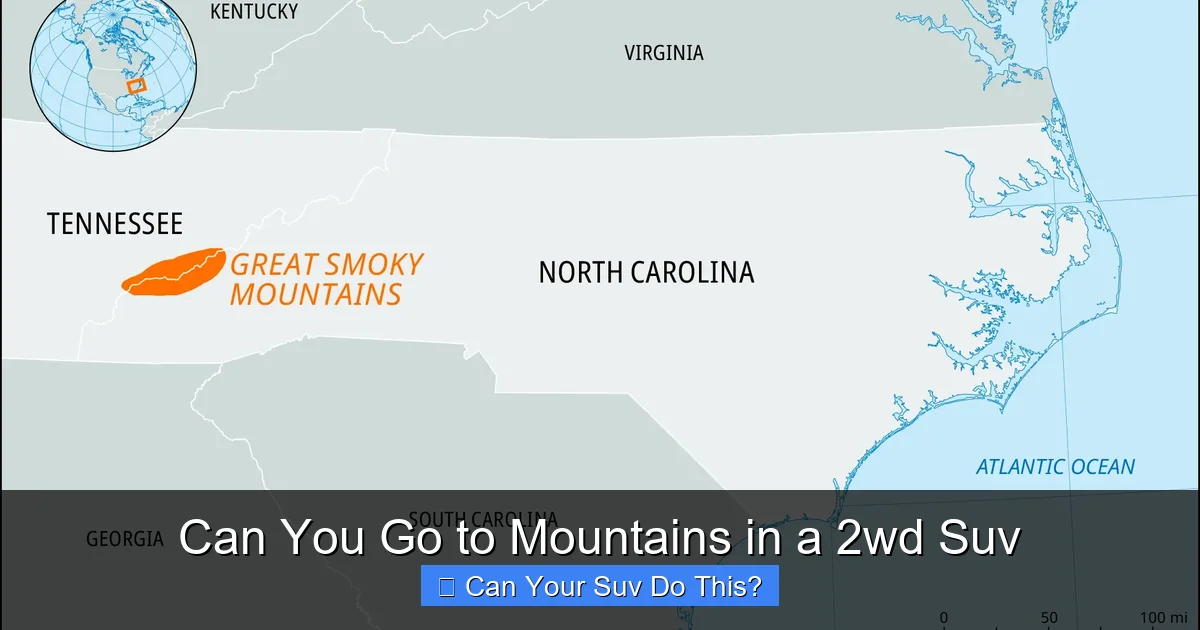
Yes, you can go to mountains in a 2wd SUV—but it depends on the terrain, weather, and your driving skills. While not ideal for extreme off-roading, many 2wd SUVs handle well-maintained mountain roads with proper preparation and caution.
Key Takeaways
- 2wd SUVs can access many mountain areas: Most paved or well-maintained gravel mountain roads are manageable with a 2wd SUV, especially during dry seasons.
- Weather and season matter most: Snow, ice, and mud significantly reduce traction; avoid mountain trips in winter unless your SUV has winter tires and you’re experienced.
- Tire choice is critical: All-terrain or highway-terrain tires with good tread depth improve grip and stability on mountain roads.
- Ground clearance plays a role: SUVs with higher ground clearance (6+ inches) handle ruts, rocks, and uneven terrain better than low-clearance crossovers.
- Driving technique is key: Smooth acceleration, controlled braking, and avoiding sudden maneuvers help maintain control on steep or winding roads.
- Know your vehicle’s limits: Understand whether your SUV is front-wheel drive (FWD) or rear-wheel drive (RWD), as each handles mountain conditions differently.
- Preparation prevents problems: Pack emergency gear, check road conditions, and inform someone of your route before heading into remote mountain areas.
📑 Table of Contents
Can You Go to Mountains in a 2wd SUV?
So, you’ve got a two-wheel-drive (2wd) SUV and you’re dreaming of mountain adventures—crisp air, pine-scented trails, and panoramic views from high-altitude overlooks. But you’re wondering: *Can you actually go to mountains in a 2wd SUV?* The short answer is yes—but with important caveats.
Unlike four-wheel-drive (4wd) or all-wheel-drive (AWD) vehicles, 2wd SUVs only send power to two wheels—either the front (FWD) or rear (RWD). This limits their off-road capability, especially on loose, steep, or slippery terrain. However, many mountain destinations are accessible via paved highways, well-graded gravel roads, or maintained forest service routes that don’t require serious off-roading. If you’re sticking to these kinds of roads, your 2wd SUV can absolutely handle the trip.
The real challenge comes when weather turns bad, roads become muddy or snowy, or you venture off the beaten path. That’s when the limitations of 2wd become apparent. But with smart planning, the right gear, and cautious driving, you can still enjoy mountain getaways safely. In this guide, we’ll break down what you need to know to make your 2wd SUV mountain-ready—and when it’s better to leave it at home.
Understanding 2wd SUVs: What You’re Working With
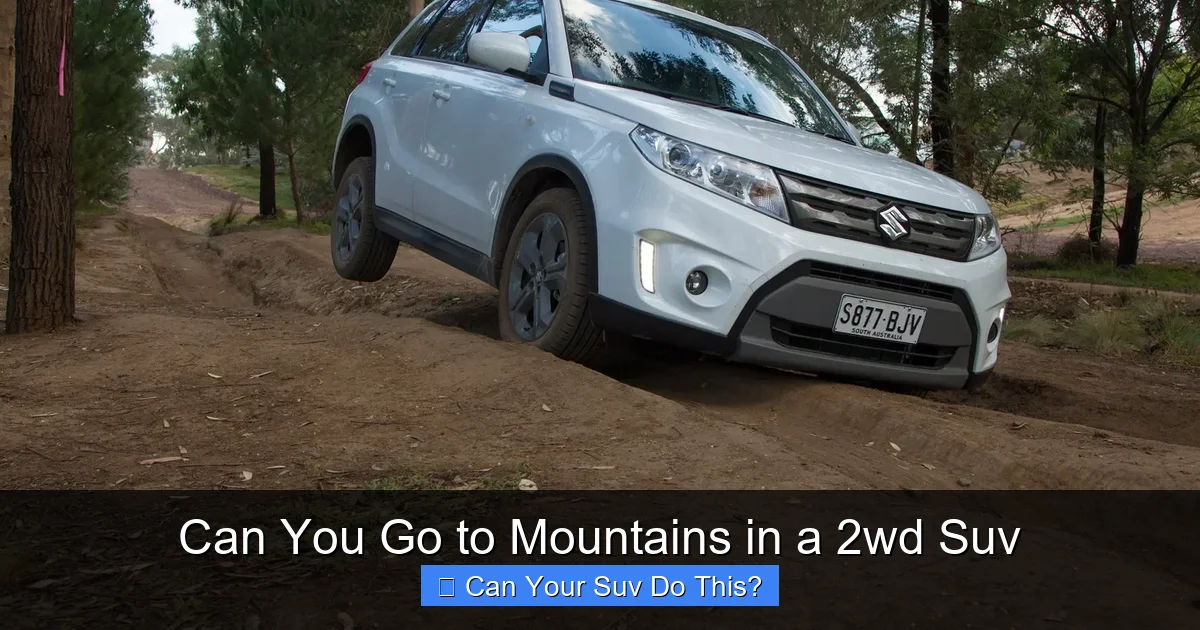
Visual guide about Can You Go to Mountains in a 2wd Suv
Image source: i2.wp.com
Before hitting the mountains, it’s essential to understand what your 2wd SUV can and can’t do. Not all 2wd SUVs are created equal. Some are built more like trucks with higher ground clearance and rugged frames, while others are essentially tall hatchbacks with minimal off-road DNA.
Types of 2wd SUVs
Most 2wd SUVs fall into two categories: front-wheel drive (FWD) and rear-wheel drive (RWD). FWD is more common in modern crossovers like the Honda CR-V, Toyota RAV4, or Ford Escape. These vehicles are designed for city and highway driving, with fuel efficiency and comfort in mind. They typically have lower ground clearance (5–6 inches) and softer suspensions.
RWD 2wd SUVs, like older models of the Ford Explorer or Chevrolet TrailBlazer, are less common today but still out there. They often have better weight distribution and can handle light off-roading better than FWD models, especially when loaded with gear. However, they still lack the traction of 4wd systems.
Ground Clearance Matters
One of the biggest factors in mountain driving is ground clearance—the distance between the lowest point of your vehicle and the ground. Most 2wd SUVs have between 6 and 8 inches of clearance. That’s enough for gravel roads and mild ruts, but not for rock crawling or deep mud.
For example, a Subaru Outback (which is technically AWD, but often compared to 2wd SUVs) has about 8.7 inches of clearance—plenty for most mountain roads. In contrast, a Nissan Rogue (FWD) has around 6.4 inches, which might scrape on steep driveways or deeply rutted trails.
Weight Distribution and Stability
SUVs are taller and heavier than sedans, which gives them a higher center of gravity. This can make them more prone to tipping on sharp turns or uneven terrain—especially in 2wd models that lack electronic stability control or advanced traction systems. However, modern 2wd SUVs often come with stability control, anti-lock brakes, and traction control, which help compensate for their limitations.
The key is to drive smoothly and avoid sudden movements. Sudden acceleration, hard braking, or sharp turns can cause wheel spin or loss of control, particularly on loose gravel or wet pavement.
Mountain Roads: What to Expect
Not all mountain roads are created equal. Some are smooth, paved highways that wind gently through the hills. Others are narrow, unpaved tracks that demand serious off-road capability. Knowing what kind of roads you’ll encounter is crucial for deciding whether your 2wd SUV is up to the task.
Paved Highways and Scenic Byways
Many popular mountain destinations—like Asheville, North Carolina; Sedona, Arizona; or Lake Tahoe, California—are accessible via well-maintained paved roads. These routes are designed for all vehicles, including 2wd SUVs. You’ll find gentle curves, guardrails, and regular maintenance, even in winter.
For example, the Blue Ridge Parkway in Virginia and North Carolina is a 469-mile scenic drive through the Appalachian Mountains. It’s fully paved and open year-round (weather permitting), making it perfect for 2wd SUVs. Similarly, Highway 12 through Utah’s Grand Staircase-Escalante National Monument offers stunning views and is entirely drivable in a 2wd vehicle.
Gravel and Dirt Roads
Many mountain areas have gravel or dirt roads that lead to trailheads, campgrounds, or remote viewpoints. These roads are usually maintained by forest services or local authorities, but they can become rough after rain or snow.
A 2wd SUV can handle most gravel roads if they’re not too steep or muddy. The key is to maintain a steady speed and avoid sudden braking or acceleration. Gravel can be slippery, especially on downhill grades, so it’s important to let the vehicle roll gently and use engine braking when possible.
For instance, the road to the summit of Mount Evans in Colorado is mostly paved but has a long gravel section near the top. While 4wd is recommended, many 2wd vehicles make the trip successfully—especially in dry conditions.
Seasonal and Weather Challenges
Weather is the biggest wildcard when driving in the mountains. Snow, ice, rain, and mud can turn even a well-maintained road into a hazard. In winter, many mountain roads are closed or require chains, even for 4wd vehicles.
If you’re planning a winter trip, check road conditions in advance. Websites like 511.gov (in the U.S.) provide real-time updates on closures, chain requirements, and weather. If chains are required and your 2wd SUV isn’t equipped for them, it’s best to turn back.
Spring and fall can also be tricky. Melting snow creates mud, and heavy rains can wash out sections of road. Always call ahead or check local ranger stations for current conditions.
When a 2wd SUV Might Struggle
While 2wd SUVs can handle many mountain roads, there are situations where they’re not the best choice. Knowing your limits can prevent breakdowns, accidents, or getting stuck.
Steep, Muddy, or Icy Roads
If a road is steep, muddy, or covered in ice, a 2wd SUV may not have enough traction to climb or stop safely. Rear-wheel-drive models might struggle uphill, while front-wheel-drive models can lose grip when braking downhill.
For example, a FWD SUV might spin its front wheels trying to climb a snowy incline, while a RWD SUV could slide sideways on an icy curve. In these cases, even with winter tires, the lack of power to all four wheels can be a dealbreaker.
Deep Snow or Off-Road Trails
If you’re planning to drive through deep snow or on designated off-road trails, a 2wd SUV is not ideal. Snow deeper than 6–8 inches can easily immobilize a 2wd vehicle, especially if it’s not equipped with snow tires or recovery gear.
Off-road trails like those in Moab, Utah, or the Rubicon Trail in California are designed for 4wd vehicles with high clearance, locking differentials, and skid plates. Attempting these in a 2wd SUV is not only risky but can also damage the vehicle or harm the environment.
Remote Areas with No Cell Service
Mountain regions often have spotty or no cell service. If your 2wd SUV gets stuck or breaks down in a remote area, help may be hours away. This is especially dangerous in winter or during sudden weather changes.
Always carry a satellite communicator (like a Garmin inReach) or a personal locator beacon (PLB) if you’re venturing into isolated areas. Let someone know your route and expected return time.
Tips for Driving a 2wd SUV in the Mountains
If you’re set on using your 2wd SUV for mountain travel, these tips will help you stay safe and confident on the road.
Check Your Tires
Tires are your first line of defense against slippery or uneven terrain. Make sure your tires have adequate tread depth (at least 6/32 of an inch) and are properly inflated. Consider upgrading to all-terrain tires if you plan to drive on gravel or dirt roads regularly.
For winter trips, invest in a set of winter tires. They’re made with softer rubber compounds that stay flexible in cold temperatures, providing better grip on snow and ice than all-season tires.
Pack Smart and Light
Overloading your SUV can affect handling and increase the risk of rollover. Pack only what you need and distribute weight evenly. Avoid placing heavy items on the roof, as this raises the center of gravity.
Essential items to bring include:
- A full-size spare tire and jack
- Jumper cables or a portable battery pack
- First aid kit
- Flashlight and extra batteries
- Blankets, water, and non-perishable food
- Shovel and traction aids (like sand or cat litter)
- Ice scraper and snow brush (for winter trips)
Drive Smoothly and Slowly
Mountain roads often have sharp curves, steep grades, and limited visibility. Drive below the speed limit, especially on downhill sections. Use lower gears to control speed instead of riding the brakes, which can overheat and fail.
On gravel roads, maintain a steady speed. Speeding increases the risk of skidding or losing control. If you start to slide, ease off the accelerator and steer gently in the direction you want to go—don’t slam on the brakes.
Know When to Turn Back
If a road looks too steep, muddy, or damaged, don’t risk it. It’s better to find an alternate route or enjoy the view from a lower elevation than to get stuck or damage your vehicle. Remember: no photo or trail is worth risking your safety.
Real-World Examples: 2wd SUVs in the Mountains
Let’s look at a few real-world scenarios where 2wd SUVs have succeeded—and where they’ve struggled.
Success: A Summer Trip to Glacier National Park
Sarah, a Honda CR-V owner, drove from Denver to Glacier National Park in Montana during July. The Going-to-the-Sun Road, a famous mountain highway, was fully open and paved. Her FWD SUV handled the curves and elevation changes with ease. She parked at trailheads and hiked to alpine lakes, never needing 4wd.
Challenge: A Winter Drive in the Rockies
Mike, driving a RWD Ford Escape, attempted to reach a remote cabin in Colorado during a snowstorm. The road was plowed but icy. Halfway up, his rear wheels lost traction, and the vehicle slid sideways. He managed to back down safely, but the trip was canceled. He later learned that chains were required—and his SUV wasn’t equipped for them.
Lesson Learned: Preparation Pays Off
Both stories highlight the importance of planning. Sarah checked road conditions, packed appropriately, and drove during ideal weather. Mike didn’t research winter requirements and paid the price. Always do your homework before heading into the mountains.
When to Choose a Different Vehicle
There are times when a 2wd SUV simply isn’t the right tool for the job. If your mountain adventure involves:
- Deep snow or off-road trails
- Remote areas with no services
- Winter travel without winter tires or chains
- Steep, unmaintained roads
Then consider renting a 4wd vehicle or joining a guided tour. Safety should always come first.
Conclusion
So, can you go to mountains in a 2wd SUV? Absolutely—if you’re smart about it. Many mountain destinations are accessible via paved or well-maintained roads that don’t require serious off-road capability. With proper preparation, the right tires, and cautious driving, your 2wd SUV can take you to stunning viewpoints, cozy cabins, and scenic trails.
But remember: 2wd has limits. Weather, terrain, and road conditions can quickly turn a fun trip into a dangerous situation. Always check conditions, pack emergency gear, and know when to turn back. Your SUV is capable—but only within its design parameters.
Mountain adventures are about more than just the drive. They’re about fresh air, quiet moments, and breathtaking views. With the right mindset and preparation, your 2wd SUV can be your trusty companion on the journey—just don’t expect it to climb every peak.
Frequently Asked Questions
Can a 2wd SUV drive in snowy mountain conditions?
It depends on the severity of the snow and whether you have winter tires. Light snow on plowed roads may be manageable, but deep snow or ice usually requires 4wd or chains. Always check road conditions before traveling.
Is it safe to drive a 2wd SUV on gravel mountain roads?
Yes, if the gravel road is well-maintained and not too steep. Drive slowly, avoid sudden movements, and ensure your tires have good tread. Avoid muddy or washed-out sections.
Do I need special tires for mountain driving in a 2wd SUV?
All-terrain or winter tires improve traction and safety. All-season tires may work in dry conditions, but they’re less effective in snow, ice, or mud.
Can a 2wd SUV handle steep mountain grades?
It can handle moderate grades, especially downhill with engine braking. However, very steep or loose inclines may cause wheel spin or loss of control—especially in FWD models.
What should I do if my 2wd SUV gets stuck in the mountains?
Stay calm, turn on hazard lights, and assess the situation. Use traction aids like sand or cat litter under the wheels. If you can’t free the vehicle, call for help or use a satellite communicator if cell service is unavailable.
Are there mountain destinations that are off-limits to 2wd SUVs?
Yes, remote areas with deep snow, unmaintained trails, or extreme off-road conditions are not suitable for 2wd vehicles. Always research your destination and choose routes that match your vehicle’s capabilities.