

Living in an SUV is possible—but it takes planning, creativity, and the right vehicle. From stealth camping to full-time nomadic lifestyles, many people are choosing SUVs as their tiny homes on wheels. With smart organization and essential upgrades, your SUV can become a cozy, mobile sanctuary.
Key Takeaways
- SUV living is feasible with proper setup: With the right modifications and organization, an SUV can serve as a comfortable, functional living space for days, weeks, or even years.
- Space and layout matter most: Mid-size to full-size SUVs like the Toyota 4Runner, Subaru Outback, or Ford Explorer offer better living potential than compact models.
- Stealth and legality are key concerns: Many cities restrict overnight parking, so knowing local laws and blending in are crucial for long-term success.
- Essential systems include sleeping, storage, and power: A quality sleeping platform, efficient storage solutions, and a reliable power source (like a portable battery or solar panel) are must-haves.
- Comfort comes from climate control and privacy: Insulation, window covers, and ventilation help regulate temperature and maintain privacy in all seasons.
- Community and resources support the lifestyle: Online forums, apps, and van-life groups offer tips, parking spots, and emotional support for SUV dwellers.
- It’s not for everyone—but it works for many: While SUV living requires sacrifice and adaptability, it offers freedom, low cost, and adventure for those willing to embrace minimalism.
📑 Table of Contents
- Can You Live in an SUV? The Honest Answer
- Why Choose an SUV Over Other Tiny Homes?
- What You’ll Need to Make SUV Living Work
- Where Can You Park and Sleep Overnight?
- Daily Life: Cooking, Hygiene, and Work
- Challenges and Realities of SUV Living
- Real-Life Examples: People Who Live in SUVs
- Is SUV Living Right for You?
- Final Thoughts: Freedom in a Small Package
Can You Live in an SUV? The Honest Answer
So, you’ve been scrolling through Instagram and seen those dreamy photos of people cooking breakfast in their SUVs, waking up to mountain views, or working remotely from a desert campsite. It looks peaceful, freeing, and almost too good to be true. And you’re wondering: *Can you actually live in an SUV?*
The short answer? Yes—you can. But it’s not as simple as just moving in and hitting the road. Living in an SUV is a lifestyle choice that blends minimalism, mobility, and resourcefulness. It’s not for everyone, but for those drawn to adventure, simplicity, or financial freedom, it can be a surprisingly viable option.
Unlike RVs or tiny homes, SUVs offer a stealthy, low-profile way to live on the road. They’re easier to park, cheaper to maintain, and blend in with regular traffic. But they also come with limitations—limited space, no built-in plumbing, and the need for creative problem-solving. Still, thousands of people live full-time in their SUVs, whether by choice or necessity. From digital nomads to retirees, families to solo travelers, the SUV lifestyle is more accessible than you might think.
Why Choose an SUV Over Other Tiny Homes?
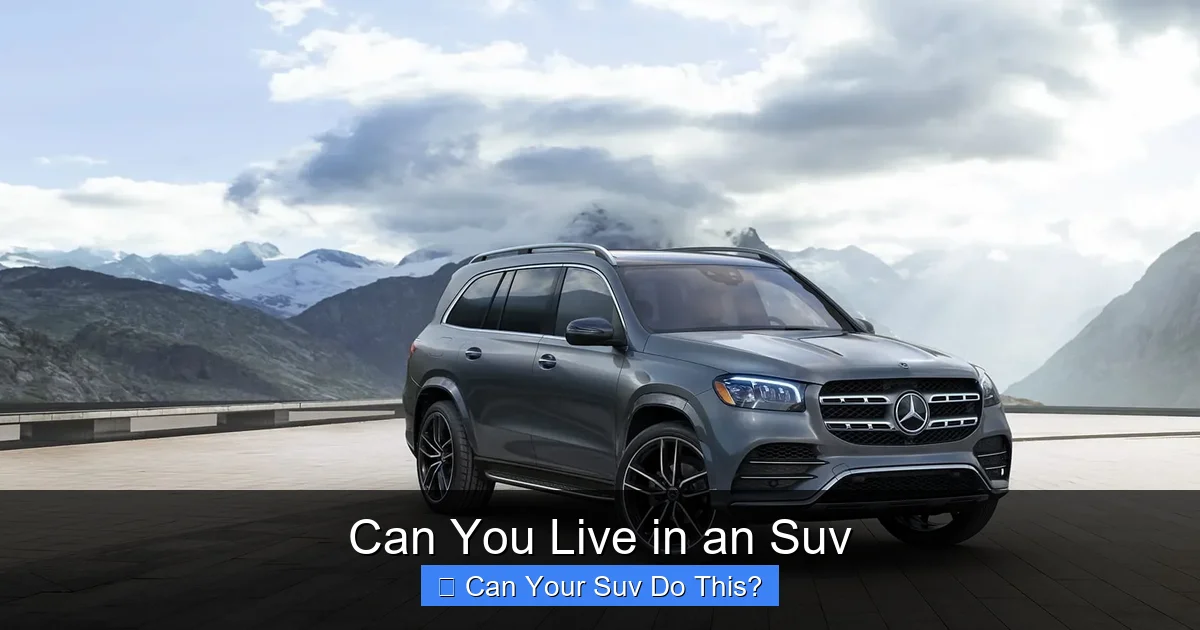
Visual guide about Can You Live in an Suv
Image source: mbusa.com
You might be asking: Why an SUV instead of a van, camper, or even a tent? Great question. SUVs strike a unique balance between comfort, mobility, and discretion. Let’s break down the advantages.
Stealth and Discretion
One of the biggest perks of SUV living is stealth. Unlike a converted van with solar panels and a rooftop deck, an SUV looks like any other vehicle on the road. This makes it easier to park overnight in urban areas, rest stops, or Walmart parking lots without drawing attention. For people who value privacy or live in areas with strict overnight parking laws, this is a major advantage.
Lower Cost of Entry
Compared to buying a Class B RV or building out a van, an SUV is often more affordable. You can find a reliable used SUV for under $10,000, and many people already own one. Even with modifications, the total cost usually stays well below that of a traditional tiny home or camper. Plus, SUVs typically have better fuel efficiency and lower insurance costs than larger RVs.
Everyday Usability
Here’s a big one: you can still use your SUV as a daily driver. Unlike a dedicated camper van that sits in the driveway most of the time, an SUV can take you to work, run errands, and go on weekend trips—all while doubling as your home. This dual-purpose functionality makes it a practical choice for people who want mobility without sacrificing convenience.
Better Handling and All-Terrain Capability
Many SUVs come with all-wheel drive, higher ground clearance, and rugged builds—making them ideal for off-grid adventures. Whether you’re exploring national parks, forest roads, or snowy mountain passes, an SUV can handle terrain that would leave a standard car or RV stranded. This opens up more remote and scenic locations for living and camping.
What You’ll Need to Make SUV Living Work
Living in an SUV isn’t just about sleeping in the back. It’s about creating a functional, comfortable space that meets your basic needs. Here’s what you’ll need to get started.
A Sleeping Platform
The foundation of SUV living is a solid sleeping setup. Most people build or buy a custom platform that fits snugly in the cargo area, creating a flat surface for a mattress. This elevates the bed, freeing up space underneath for storage. Popular mattress sizes include twin, full, or custom-cut foam to fit your SUV’s contours.
Pro tip: Use memory foam or a high-density mattress topper for comfort. And don’t forget bedding—thermal blankets, a good sleeping bag, and pillows make a big difference in comfort, especially in cold weather.
Smart Storage Solutions
Space is limited, so every inch counts. Use under-bed bins, hanging organizers, and collapsible containers to store clothes, food, tools, and toiletries. Drawer systems, sliding trays, and overhead nets help keep things tidy and accessible. Label everything to avoid digging through piles when you need something fast.
Consider multi-functional furniture—like a storage ottoman that doubles as a seat or a fold-out table that mounts to the side of the cargo area. The goal is to maximize utility without clutter.
Power and Charging
You’ll need power for your phone, laptop, lights, and maybe a small fridge or fan. Options include:
– Portable power stations: Devices like the Jackery or EcoFlow provide clean, quiet power for small electronics.
– Solar panels: A 100W portable solar panel can recharge your battery during the day.
– Dual-battery systems: Install a secondary battery connected to your car’s alternator for longer-term power needs.
Avoid draining your car’s main battery—it can leave you stranded. Always monitor power usage and recharge when possible.
Climate Control and Insulation
Temperature extremes are the biggest challenge in SUV living. In summer, your vehicle can turn into an oven. In winter, it can feel like a freezer. Here’s how to cope:
– Insulate windows and doors: Use reflective insulation, foam board, or thermal curtains to reduce heat transfer.
– Ventilate properly: Crack windows slightly or install a roof vent to prevent condensation and stuffiness.
– Use fans and heaters wisely: A 12V fan helps circulate air. For heating, consider a portable catalytic heater (like the Mr. Buddy) or a diesel heater—but only use them in well-ventilated areas to avoid carbon monoxide risks.
Privacy and Window Coverings
Privacy is essential, especially in urban areas. Custom-fit window covers made from foam board, Reflectix, or blackout fabric block sightlines and reduce heat. You can make them yourself or buy pre-cut kits online. Magnetic or suction cup designs make installation quick and tool-free.
Where Can You Park and Sleep Overnight?
One of the trickiest parts of SUV living is finding safe, legal places to park overnight. Here are some of the most common options—and what to watch out for.
Public Lands and National Forests
In the U.S., Bureau of Land Management (BLM) lands and national forests often allow dispersed camping for up to 14 days. These areas are usually free, scenic, and low-traffic. Apps like iOverlander or The Dyrt can help you find legal spots.
Tip: Always follow Leave No Trace principles—pack out all trash, use established campsites, and avoid sensitive habitats.
Rest Stops and Truck Stops
Many states allow overnight parking at rest areas, though rules vary. Some close at night or prohibit long-term stays. Truck stops like Pilot or Love’s are generally welcoming to all vehicles and offer amenities like showers, Wi-Fi, and food.
Walmart and Retail Parking Lots
Walmart is famously lenient about overnight parking, though not all locations allow it. Always check with the store manager first. Other big-box stores like Costco, Home Depot, or Target may also permit it—but don’t assume.
Urban and Suburban Parking
Parking in cities is risky. Many neighborhoods have ordinances against overnight vehicle habitation. Your best bet is to park in well-lit, busy areas and avoid drawing attention. Avoid loitering, keep noise down, and leave early in the morning.
Private Land and RV Parks
If you have friends or family with land, ask if you can park there. Some RV parks allow SUVs, especially if you’re staying short-term. Apps like Boondockers Welcome connect travelers with hosts who offer free parking on private property.
Daily Life: Cooking, Hygiene, and Work
Living in an SUV means rethinking daily routines. Here’s how to handle the essentials.
Cooking and Food Storage
You won’t have a full kitchen, but you can cook simple meals. Options include:
– Portable stoves: Butane or propane stoves are compact and easy to use outdoors.
– Coolers and mini-fridges: A 12V cooler can keep food fresh for days. Ice needs to be replenished regularly.
– No-cook meals: Think sandwiches, wraps, salads, and pre-cooked items to minimize cooking.
Store food in bear-proof containers if you’re in wildlife areas. And always clean up thoroughly to avoid attracting animals.
Hygiene and Bathroom Needs
This is a big one. Most SUVs don’t have bathrooms, so you’ll need alternatives:
– Public restrooms: Gyms, truck stops, rest areas, and fast-food restaurants often have clean facilities.
– Portable toilets: Compact composting or cassette toilets can be stored under the bed.
– Bucket showers: Use a solar shower bag or a portable shower system with a foot pump.
– Baby wipes and dry shampoo: Great for quick cleanups when showers aren’t available.
Joining a gym like Planet Fitness (which has over 2,000 locations) gives you access to showers, Wi-Fi, and locker rooms for a low monthly fee.
Working Remotely
If you’re a remote worker, you’ll need reliable internet and a comfortable workspace. Options include:
– Mobile hotspots: Devices like Verizon Jetpack or T-Mobile hotspot plans offer cellular data.
– Public Wi-Fi: Libraries, cafes, and co-working spaces are great for focused work sessions.
– Laptop stand and ergonomic setup: A foldable desk or lap desk helps maintain posture during long work hours.
Challenges and Realities of SUV Living
Let’s be real—SUV living isn’t all sunsets and freedom. There are real challenges to consider.
Limited Space and Clutter
Even in a large SUV, space is tight. You’ll need to downsize significantly. Sentimental items, extra clothes, and bulky gear will have to go. Embrace minimalism—keep only what you truly need or love.
Weather Extremes
Extreme heat, cold, rain, or snow can make life uncomfortable. Without proper insulation or climate control, you could be miserable. Always have a backup plan—like staying with friends or booking a cheap motel during harsh weather.
Social Isolation
Living alone in a vehicle can feel lonely. Make an effort to connect with others—join van life meetups, attend events, or use apps like Meetup or Facebook groups to find community.
Legal and Safety Concerns
Some cities have laws against sleeping in vehicles. Police may ask you to move on. Always know your rights and local regulations. Keep your vehicle clean, avoid loitering, and be respectful of the communities you stay in.
Safety is also important. Park in well-lit areas, lock your doors, and consider a dash cam or security system. Let someone know your general location if you’re traveling solo.
Real-Life Examples: People Who Live in SUVs
You’re not alone. Here are a few real stories that show how diverse and creative SUV living can be.
The Digital Nomad Couple
Sarah and Jake, both remote designers, live full-time in their 2018 Subaru Outback. They built a custom sleeping platform, use a portable power station, and work from coffee shops or co-working spaces. They’ve traveled across 30 states, spending $1,200 a month total—less than half what they paid in rent.
The Retiree on a Budget
After retiring, 68-year-old Linda sold her house and moved into her Ford Explorer. She parks at BLM lands, visits national parks, and volunteers at campgrounds for free stays. She says, “I have more freedom now than I did when I was working.”
The Family of Three
The Martinez family lives in their Toyota Highlander with their 8-year-old daughter. They use a rooftop tent for extra sleeping space and homeschool on the road. They’ve been traveling for two years, visiting over 40 national parks.
Is SUV Living Right for You?
Before you sell your apartment and move into your SUV, ask yourself:
– Can I live with less space and fewer comforts?
– Am I comfortable with uncertainty and problem-solving?
– Do I have a reliable income or savings to support this lifestyle?
– Am I prepared for the emotional and physical challenges?
If you answered yes, SUV living might be a great fit. Start small—try a weekend trip or a week-long adventure to test the waters. You might discover a whole new way of living.
Final Thoughts: Freedom in a Small Package
Can you live in an SUV? Absolutely. It’s not glamorous, and it’s not easy—but for those who value freedom, adventure, and simplicity, it’s a powerful option. With the right mindset, preparation, and community support, your SUV can become more than just a vehicle. It can become your home.
Whether you’re escaping high rent, seeking adventure, or just craving a change, SUV living offers a unique path. It’s not about having less—it’s about making room for more: more experiences, more connections, and more of what truly matters.
So, can your SUV do this? If you’re willing to try, the answer might just be yes.
Frequently Asked Questions
Is it legal to live in an SUV?
Laws vary by city and state. Some places prohibit overnight vehicle habitation, while others allow it on public lands or private property. Always research local regulations and park respectfully to avoid fines or being asked to leave.
How do you stay warm in an SUV in winter?
Use insulated window covers, thermal blankets, and a safe heating source like a catalytic or diesel heater. Dress in layers and consider a sleeping bag rated for cold weather. Avoid using your car’s engine to heat the cabin—it’s unsafe and inefficient.
Can you cook inside an SUV?
It’s not recommended due to fire risk and fumes. Most people cook outside using a portable stove or grill. If you must cook inside, use an electric appliance with a power station and ensure proper ventilation.
Where do you shower when living in an SUV?
Many people use gym memberships (like Planet Fitness), truck stops, public pools, or campground facilities. Portable solar showers or bucket showers are also options for remote areas.
How much does it cost to live in an SUV?
Costs vary, but many full-time SUV dwellers spend $1,000–$2,000 per month, including food, gas, insurance, and occasional lodging. This is often far less than rent in most cities.
Can a family live in an SUV?
Yes, but space is tight. Families often use larger SUVs like the Suburban or Expedition, add rooftop tents, or travel part-time. It requires careful planning and strong communication, but many families make it work successfully.