
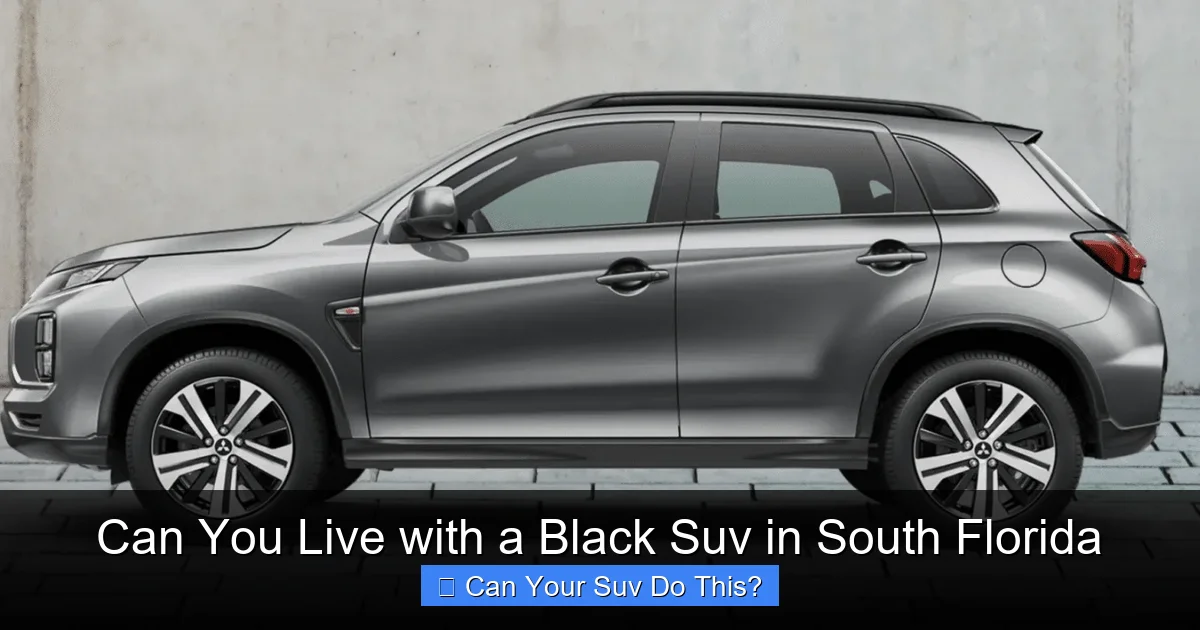
Can you live with a black SUV in South Florida? Absolutely—but it takes strategy. While black vehicles absorb more heat, smart habits like parking in shade, using sunshades, and choosing ceramic coatings can make owning a black SUV not just manageable, but enjoyable in the Sunshine State.
So, you’re thinking about driving a black SUV in South Florida. Maybe you’ve already bought one. Or maybe you’re standing in a dealership, staring at that sleek, midnight-black SUV that looks like it just stepped out of a luxury ad. It’s bold. It’s powerful. It’s… hot. Literally.
South Florida isn’t just warm—it’s a subtropical heat machine. With average summer temperatures hovering around 90°F and humidity levels that make you feel like you’re breathing through a wet towel, the sun here doesn’t play around. And if you’re driving a black SUV, you’re basically rolling around in a solar oven on wheels. But does that mean you can’t live with one? Not at all. It just means you need to be smart about it.
The truth is, millions of people drive black vehicles in hot climates every day. From Miami to Fort Lauderdale, black SUVs are everywhere—because they look amazing. But owning one here isn’t just about aesthetics. It’s about understanding how heat, sun, and humidity affect your vehicle—and adapting your habits to keep both you and your SUV comfortable. With the right strategies, you can absolutely live with a black SUV in South Florida. You just need to treat it like the high-maintenance beauty it is.
Let’s dive into what it really means to drive a black SUV in this sun-drenched paradise—and how you can make it work without melting into your seat every time you get behind the wheel.
Key Takeaways
- Black SUVs get significantly hotter: In South Florida’s intense sun, black paint can reach surface temperatures over 150°F, making interiors scorching without proper cooling.
- Interior materials matter: Leather seats in black SUVs can become uncomfortably hot; consider seat covers or ventilated seats to improve comfort.
- Parking strategy is key: Always aim for shaded or covered parking—garages, carports, or tree-lined spots reduce heat buildup dramatically.
- Ceramic coatings and window tinting help: These protect paint from UV damage and reduce interior heat by blocking infrared rays.
- Remote start and sunshades are game-changers: Pre-cooling your SUV before entry makes a huge difference on hot days.
- Maintenance demands increase: Frequent washing and waxing are essential to prevent fading and swirl marks on dark paint in humid, sunny climates.
- Style vs. practicality balance: A black SUV looks sleek and premium, but requires extra care—worth it if you love the look and stay proactive.
📑 Table of Contents
- Why Black SUVs Get So Hot in South Florida
- Smart Parking Strategies to Beat the Heat
- Interior Cooling Hacks That Actually Work
- Protecting Your Black SUV’s Paint and Finish
- Does a Black SUV Affect Fuel Efficiency?
- Style vs. Practicality: Is a Black SUV Worth It?
- Real-Life Tips from South Florida Drivers
- Conclusion: Yes, You Can Live with a Black SUV in South Florida
Why Black SUVs Get So Hot in South Florida
Let’s start with the science. Black absorbs more light—and therefore more heat—than any other color. In South Florida, where the sun beats down with near-constant intensity from April through October, that’s a big deal. On a typical summer day, the surface temperature of a black SUV can easily exceed 150°F, while lighter-colored vehicles might stay closer to 120°F. That’s a 30-degree difference—and it adds up fast.
When sunlight hits your black SUV, the dark paint absorbs up to 90% of the visible light and converts it into heat. This heat radiates into the cabin, warming up the dashboard, seats, steering wheel, and even the air inside. If you’ve ever touched a black car door on a sunny day and yelped, you’ve felt this effect firsthand.
But it’s not just the exterior. The interior materials play a huge role too. Black leather seats? They’ll feel like a frying pan after 10 minutes in the sun. Even fabric seats can become uncomfortably warm, especially if they’re dark-colored. And let’s not forget the steering wheel—grabbing a searing-hot leather wheel first thing in the morning is not how you want to start your day.
The Role of Humidity and Sun Angle
South Florida’s humidity makes the heat feel even worse. High moisture levels in the air reduce the body’s ability to cool itself through sweat evaporation, which means you feel hotter inside the vehicle—even if the actual temperature isn’t record-breaking. Plus, the sun sits high in the sky for much of the year, meaning direct sunlight hits your SUV’s roof and hood at a near-perpendicular angle, maximizing heat absorption.
And because South Florida has a long “summer” season—often stretching from March to November—your black SUV is exposed to intense solar radiation for most of the year. That’s a lot of heat to manage.
Real-World Impact on Comfort and Safety
Beyond discomfort, extreme heat inside your SUV can affect safety and functionality. For example:
– Hot seat belts can cause burns or discomfort, especially for children.
– Electronics like infotainment systems may overheat or perform poorly.
– Plastic dashboard components can warp or emit harmful fumes when overheated.
– Tire pressure can increase due to heat, raising the risk of blowouts on long drives.
So while a black SUV might look cool, it can quickly become a hot, uncomfortable, and even risky place to be if you’re not prepared.
Smart Parking Strategies to Beat the Heat
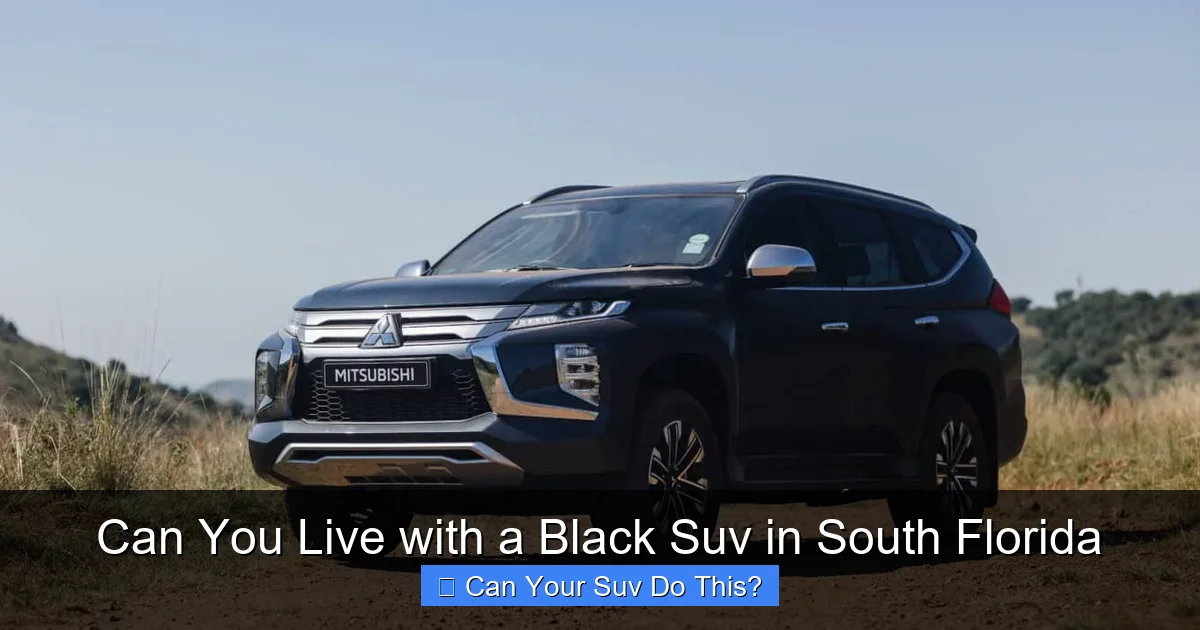
Visual guide about Can You Live with a Black Suv in South Florida
Image source: mitsubishi-motors.co.za
The single most effective way to reduce heat buildup in your black SUV is where you park. It sounds simple, but it makes a massive difference.
Seek Shade—Any Shade
Whenever possible, park in the shade. This could mean:
– Under a tree (just watch for bird droppings or sap)
– In a covered parking garage
– Next to a building that blocks direct sunlight
– In a carport or shaded lot
Even partial shade helps. A spot that’s shaded for just a few hours during peak sun (10 a.m. to 4 p.m.) can keep your SUV significantly cooler than one fully exposed.
Use the “Sun Position” Rule
If shade isn’t available, park so that the sun hits the smallest surface area of your SUV. For example:
– In the morning, park with the front facing east to minimize sun on the windshield.
– In the afternoon, angle the SUV so the sun hits the side or rear instead of the front.
This small adjustment can reduce interior heat by up to 20 degrees.
Invest in a Carport or Garage
If you own your home, consider installing a carport or converting a garage space for your SUV. Even a simple shade structure can cut interior temperatures by 30–40°F. It’s a long-term investment that pays off in comfort, paint protection, and resale value.
Use Reflective Windshield Covers
A high-quality reflective sunshade for your windshield is one of the cheapest and most effective tools you can use. These covers reflect up to 90% of sunlight, preventing the dashboard and steering wheel from turning into lava. Look for ones with a reflective outer layer and a soft inner lining to protect your dash.
Pro tip: Use sunshades on all windows, not just the front. Side and rear windows let in a surprising amount of heat, especially on long drives.
Interior Cooling Hacks That Actually Work
Even with smart parking, your black SUV will still get warm. That’s where interior cooling strategies come in.
Remote Start with Climate Control
If your SUV has remote start, use it. Start the engine 5–10 minutes before you leave, set the AC to max cool, and crack the windows slightly to let hot air escape. By the time you get in, the cabin will be much more comfortable.
Many modern SUVs even have smartphone apps that let you start the engine and adjust climate settings from your phone. This is a game-changer on 95°F days.
Upgrade to Ventilated or Cooled Seats
If you’re buying a new black SUV, opt for ventilated or actively cooled seats. These use small fans or thermoelectric systems to circulate air through the seat cushions, keeping you cool even when the interior is warm.
If your SUV doesn’t have them, consider aftermarket seat covers with built-in cooling fans. They’re not as seamless as factory options, but they work surprisingly well.
Use Seat Covers and Dash Mats
Dark leather seats get scorching. Protect them—and yourself—with light-colored, breathable seat covers. Materials like neoprene, mesh, or moisture-wicking fabrics help reduce heat buildup and are easy to clean.
Similarly, use a dash mat or cover to protect your dashboard from UV damage and reduce glare. Some dash covers even have reflective coatings to bounce heat away.
Crack the Windows (Safely)
Leaving your windows cracked 1–2 inches allows hot air to escape and reduces the greenhouse effect inside the cabin. Just make sure your SUV has a security system or is parked in a safe area to prevent theft or tampering.
Protecting Your Black SUV’s Paint and Finish
South Florida’s sun doesn’t just heat up your SUV—it can also damage the paint over time. Dark colors like black are especially vulnerable to UV fading, oxidation, and swirl marks.
Wash and Wax Regularly
Salt air, humidity, and intense UV rays break down clear coats and paint. To protect your black SUV:
– Wash it every 1–2 weeks with a pH-balanced car shampoo.
– Use a microfiber wash mitt to avoid scratches.
– Apply a high-quality wax or sealant every 3–4 months.
Wax not only adds shine but also creates a protective barrier against UV rays and environmental contaminants.
Invest in a Ceramic Coating
For long-term protection, consider a professional ceramic coating. These nano-coatings bond to the paint and provide:
– Superior UV resistance
– Water and dirt repellency
– Enhanced gloss and depth (especially on black paint)
– Protection lasting 2–5 years
While ceramic coatings are more expensive than wax, they’re worth it for a black SUV in a harsh climate like South Florida.
Avoid Automatic Car Washes
Many automatic car washes use harsh brushes that can scratch black paint and leave swirl marks. Instead, hand-wash your SUV or use a touchless wash with soft cloth strips.
Park Away from Sprinklers and Salt Air
If you live near the coast, salt air can accelerate corrosion. Rinse your SUV regularly, especially the undercarriage, to remove salt buildup. Also, avoid parking under sprinkler systems that spray hard water—mineral deposits can stain black paint.
Does a Black SUV Affect Fuel Efficiency?
Here’s a question many people don’t think about: does driving a black SUV in South Florida hurt your gas mileage?
The short answer: yes, but only slightly.
Because black SUVs get hotter, you’re more likely to blast the AC to cool down. Running the air conditioner at full power increases engine load, which can reduce fuel efficiency by 5–10%, especially in stop-and-go traffic.
However, this effect is temporary. Once the cabin cools down, the AC doesn’t have to work as hard, and fuel economy returns to normal. So while a black SUV might use a bit more gas on hot days, it’s not a major long-term concern—especially if you use remote start to pre-cool the vehicle.
Tips to Minimize Fuel Impact
– Use remote start to cool the cabin before driving.
– Park in shade to reduce initial heat load.
– Keep windows up and AC on recirculation mode to cool faster.
– Avoid idling with the AC on for long periods.
Style vs. Practicality: Is a Black SUV Worth It?
Let’s be honest—black SUVs look incredible. They convey power, sophistication, and a touch of mystery. In South Florida, where luxury vehicles are common, a black SUV fits right in. It’s a statement piece on the road.
But is it practical? That depends on your lifestyle.
If you:
– Work from home and can park in a garage
– Use remote start and sunshades regularly
– Don’t mind washing your car often
– Love the look and are willing to maintain it
Then yes—a black SUV is absolutely worth it.
But if you:
– Park on the street daily with no shade
– Hate washing your car
– Are sensitive to heat and hate blasting the AC
Then a lighter color—like white, silver, or gray—might be a smarter choice.
Alternative: Two-Tone or Matte Finishes
If you love the look of black but want something different, consider:
– Two-tone paint (black roof with lighter body)
– Matte black wraps (easier to maintain than gloss)
– Dark gray or charcoal finishes (less heat-absorbent than pure black)
These options offer a similar aesthetic with slightly better heat management.
Real-Life Tips from South Florida Drivers
We talked to several South Florida residents who drive black SUVs. Here’s what they shared:
– “I remote start my SUV 10 minutes before I leave. By the time I get in, it’s cool enough to drive comfortably.” – Maria, Miami
– “I use a ceramic coating and wash my car every Sunday. It still looks brand new after two years.” – James, Fort Lauderdale
– “I park under a tree whenever I can. Even partial shade makes a huge difference.” – Lisa, West Palm Beach
– “I bought ventilated seats and they’re worth every penny. No more burning legs!” – Carlos, Boca Raton
These small habits add up. With the right approach, a black SUV can be both stylish and livable in South Florida.
Conclusion: Yes, You Can Live with a Black SUV in South Florida
So, can you live with a black SUV in South Florida? The answer is a resounding yes—if you’re prepared.
It’s true that black SUVs get hotter, require more maintenance, and demand smarter parking and cooling strategies. But with the right tools and habits, the challenges are completely manageable. From using remote start and sunshades to investing in ceramic coatings and ventilated seats, there are plenty of ways to keep your ride cool, comfortable, and looking sharp.
At the end of the day, driving a black SUV in South Florida is about balance. It’s about embracing the style and presence that a black vehicle offers, while respecting the realities of the climate. With a little effort, you can enjoy the best of both worlds: a sleek, powerful SUV that turns heads—without turning you into a sweaty mess every time you drive.
So go ahead. Buy that black SUV. Just remember to park smart, cool early, and treat it well. Your future self—and your passengers—will thank you.
Frequently Asked Questions
Is it a bad idea to drive a black SUV in South Florida?
Not at all—it’s totally doable with the right habits. While black SUVs get hotter and require more maintenance, smart strategies like parking in shade, using sunshades, and remote start make them perfectly livable in South Florida’s climate.
How hot does a black SUV get in the sun?
On a sunny South Florida day, the surface of a black SUV can reach over 150°F, and the interior can feel like an oven. Without cooling, seats and steering wheels can become dangerously hot to touch.
Does a black SUV use more gas in hot weather?
Slightly—because you’re more likely to use the AC heavily. Running the AC at full blast can reduce fuel efficiency by 5–10%, but this evens out once the cabin cools down.
What’s the best way to cool down a black SUV quickly?
Use remote start to turn on the AC 5–10 minutes before driving, crack the windows slightly, and use a reflective sunshade. This combo can drop interior temps by 20–30°F.
How often should I wash a black SUV in South Florida?
Every 1–2 weeks is ideal. Salt air, humidity, and UV exposure can damage paint, so regular washing and waxing (or ceramic coating) are essential to maintain shine and protection.
Are ventilated seats worth it in a black SUV?
Absolutely. Ventilated or cooled seats make a huge difference in comfort, especially in South Florida’s heat. They’re one of the best upgrades you can make for daily driving.