

You absolutely can pre cook sous vide—it’s one of the smartest time-saving tricks in modern cooking. With proper handling, storage, and reheating, pre-cooked sous vide meals stay tender, juicy, and safe to eat for days (or even weeks). Whether you’re meal prepping for the week or hosting a dinner party, this method delivers restaurant-quality results with minimal effort.
Key Takeaways
- Pre cooking sous vide is safe and effective: As long as you follow food safety guidelines, you can cook proteins and vegetables ahead of time without risking spoilage or texture loss.
- Chill immediately after cooking: Rapidly cooling your food in an ice bath stops the cooking process and locks in quality, making it safe for refrigeration or freezing.
- Store properly to maintain freshness: Use vacuum-sealed bags or high-quality zip-top bags, label with dates, and store in the fridge (up to 5 days) or freezer (up to 3 months).
- Reheat gently for best results: Return food to the sous vide bath at the original cooking temperature for 15–30 minutes to restore moisture and texture.
- Ideal for meal prep and entertaining: Pre cooking sous vide lets you enjoy gourmet meals on busy weeknights or serve perfectly cooked dishes to guests without last-minute stress.
- Works for meats, seafood, eggs, and veggies: From steak and chicken to salmon and carrots, almost any sous vide-friendly food can be pre cooked successfully.
- Freezing requires extra care: While freezing is possible, avoid delicate items like custards or leafy greens, and always thaw safely in the fridge before reheating.
📑 Table of Contents
- Can You Pre Cook Sous Vide? The Surprising Answer
- Why Pre Cooking Sous Vide Makes Sense
- How to Safely Pre Cook Sous Vide
- Reheating Pre-Cooked Sous Vide Meals
- What Foods Work Best for Pre Cooking Sous Vide?
- Common Mistakes to Avoid
- Is Pre Cooking Sous Vide Worth It?
- Final Thoughts: Make Sous Vide Work for Your Lifestyle
Can You Pre Cook Sous Vide? The Surprising Answer
If you’ve ever stood over a hot stove on a Tuesday night, wondering how you’re supposed to cook dinner after a long day at work, you’re not alone. We’ve all been there—tired, hungry, and staring into the fridge like it might magically produce a meal. But what if you could have a perfectly cooked steak, tender chicken breast, or creamy poached salmon ready in minutes, with zero guesswork? That’s where sous vide comes in—and yes, you *can* pre cook sous vide.
Sous vide, French for “under vacuum,” is a cooking method that involves sealing food in airtight bags and submerging it in a precisely controlled water bath. The result? Incredibly consistent, evenly cooked food that’s juicy, flavorful, and never overcooked. But here’s the game-changer: because sous vide relies on time and temperature control rather than constant monitoring, it’s ideal for pre cooking. You can cook your meals ahead of time, chill them safely, and reheat them later—without losing that melt-in-your-mouth quality.
This isn’t just a convenience hack for busy professionals. It’s a revolution in home cooking. Whether you’re meal prepping for the week, planning a dinner party, or just trying to eat healthier without spending hours in the kitchen, pre cooking sous vide gives you control, consistency, and confidence. And the best part? It’s easier than you think.
Why Pre Cooking Sous Vide Makes Sense
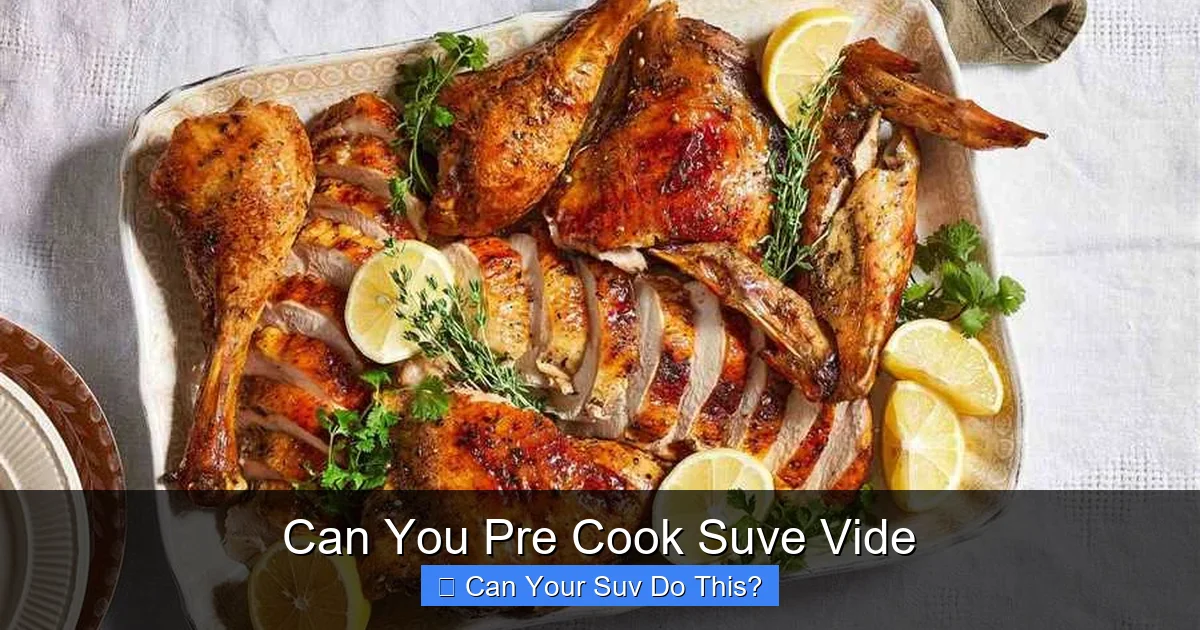
Visual guide about Can You Pre Cook Suve Vide
Image source: metrocookingdallas.com
Let’s be honest: cooking every night is exhausting. Between work, family, chores, and the occasional Netflix binge, who has the energy to chop, sauté, and monitor a pan? Pre cooking sous vide solves that problem by shifting the effort to a time that works for you—like Sunday afternoon. You can cook multiple proteins, vegetables, or even eggs in one session, then store them for quick meals later in the week.
But beyond convenience, pre cooking sous vide offers real culinary benefits. Because the food is cooked gently and evenly, it retains more moisture and flavor than traditional methods. There’s no risk of drying out a chicken breast or overcooking a steak. And since you’re not reheating at high heat, the texture stays tender and succulent.
Another major advantage? Food safety. Sous vide cooking is inherently safe when done correctly. The precise temperature control kills harmful bacteria, and vacuum sealing prevents contamination. When you pre cook, you’re not compromising safety—you’re enhancing it. As long as you follow proper chilling and storage protocols, your pre-cooked meals are just as safe as freshly cooked ones.
Plus, sous vide is incredibly forgiving. Unlike stovetop cooking, where timing is critical, sous vide allows for a wide window of doneness. You can cook a steak to medium-rare and leave it in the bath for an extra hour—it won’t overcook. That flexibility makes it perfect for batch cooking. You can prepare several meals at once, knowing they’ll all turn out perfectly.
How to Safely Pre Cook Sous Vide
Now that you’re convinced pre cooking sous vide is worth trying, let’s talk about how to do it safely. The key is understanding the two critical phases: cooking and chilling.
Cook at the Right Temperature and Time
First, cook your food using standard sous vide guidelines. For example:
– Chicken breast: 145°F (63°C) for 1.5–2 hours
– Steak (medium-rare): 130°F (54°C) for 1–4 hours
– Salmon: 120°F (49°C) for 45 minutes
– Carrots: 183°F (84°C) for 1 hour
Use a reliable sous vide immersion circulator and always follow recommended times and temperatures from trusted sources like Serious Eats or the FDA. Overcooking isn’t the main concern with sous vide—under-cooking is. Make sure your food reaches a safe internal temperature to destroy pathogens.
Chill Immediately After Cooking
This is the most important step in pre cooking sous vide. Once your food is done, you must cool it down quickly to prevent bacterial growth. The danger zone for food is between 40°F and 140°F (4°C and 60°C), where bacteria multiply rapidly. To avoid this, transfer your sealed bags to an ice bath immediately after cooking.
Here’s how:
1. Fill a large bowl or sink with ice and cold water.
2. Submerge the hot sous vide bags completely.
3. Let them chill for 20–30 minutes, or until the internal temperature drops below 40°F (4°C).
4. Use a food thermometer to check if needed.
This rapid cooling halts the cooking process and locks in texture and flavor. Skipping this step—or letting food sit at room temperature—can lead to spoilage or foodborne illness.
Store Properly for Maximum Freshness
Once chilled, your pre-cooked sous vide meals are ready for storage. You have two main options: refrigeration or freezing.
For short-term storage (up to 5 days), keep the bags in the refrigerator. Make sure your fridge is set to 40°F (4°C) or below. Label each bag with the contents and date so you know what’s what.
For longer storage (up to 3 months), freeze the bags. Lay them flat in the freezer to save space and allow for even freezing. Avoid freezing foods with high water content or delicate textures, like leafy greens or custards, as they may become mushy upon thawing.
Always use high-quality vacuum-sealed bags or freezer-safe zip-top bags. Double-bagging can add extra protection against freezer burn.
Reheating Pre-Cooked Sous Vide Meals
One of the biggest concerns with pre cooking is whether the food will still taste good after reheating. The good news? Sous vide reheating is simple and effective—when done right.
Reheat in the Sous Vide Bath
The best way to reheat pre-cooked sous vide food is to return it to the sous vide machine. Set the water bath to the original cooking temperature and submerge the sealed bag for 15–30 minutes. This gently brings the food back to serving temperature without overcooking it.
For example:
– Reheat a pre-cooked steak at 130°F (54°C) for 20 minutes.
– Reheat chicken breast at 145°F (63°C) for 15 minutes.
– Reheat salmon at 120°F (49°C) for 10–15 minutes.
This method preserves moisture and texture better than microwaving or pan-searing, which can dry out the food.
Alternative Reheating Methods
If you don’t have access to a sous vide machine, you can still reheat safely—just with a bit more care.
For meats and fish, a quick sear in a hot pan or on a grill can add flavor and crispness. Pat the food dry first, then sear for 30–60 seconds per side. This works great for steaks, chicken breasts, or salmon fillets.
For vegetables, steaming or microwaving in a covered dish with a splash of water can restore tenderness. Avoid overcooking—just heat until warm.
Eggs, like sous vide eggs, should be reheated gently in warm water (not boiling) for 5–10 minutes to avoid rubberiness.
Thawing Frozen Meals
If your pre-cooked food is frozen, always thaw it in the refrigerator—not on the counter. This prevents bacterial growth and maintains food safety. Allow 12–24 hours for thawing, depending on the size of the portion.
Once thawed, reheat using the sous vide method above. Do not refreeze previously frozen food unless you plan to cook it again first.
What Foods Work Best for Pre Cooking Sous Vide?
Not all foods are created equal when it comes to pre cooking sous vide. Some hold up beautifully, while others lose texture or flavor. Here’s a breakdown of what works—and what to avoid.
Best Foods for Pre Cooking
– **Meats:** Beef, pork, lamb, and chicken are excellent candidates. They stay juicy and tender, even after refrigeration or freezing. Steaks, roasts, and chicken breasts are especially popular.
– **Seafood:** Salmon, cod, shrimp, and scallops reheat well and retain their delicate texture. Just avoid overcooking during the initial cook.
– **Eggs:** Sous vide eggs (like soft-boiled or poached) can be pre cooked and reheated. They’re perfect for breakfast meal prep.
– **Vegetables:** Root vegetables like carrots, potatoes, and beets hold up well. They stay firm and flavorful, making them great sides or additions to grain bowls.
– **Legumes:** Lentils and beans can be cooked sous vide and stored for quick soups or salads.
Foods to Avoid or Handle with Care
– **Leafy Greens:** Spinach, kale, and lettuce become mushy when reheated. Cook them fresh instead.
– **Custards and Dairy-Based Sauces:** These can separate or curdle when reheated. Best made fresh.
– **Fried Foods:** Sous vide doesn’t crisp food, so fried items like tempura or breaded chicken won’t work well.
– **Delicate Fish:** While salmon is fine, very delicate fish like sole or flounder may fall apart when reheated.
Creative Meal Prep Ideas
Pre cooking sous vide opens up a world of meal prep possibilities. Try these ideas:
– **Protein Packs:** Cook chicken breasts, steak strips, and salmon fillets. Pair with pre-cooked quinoa or rice and fresh veggies for quick bowls.
– **Breakfast on the Go:** Sous vide eggs, bacon, and hash browns can be reheated in minutes for a hearty morning meal.
– **Dinner Party Ready:** Cook multiple proteins and sides ahead of time. Reheat just before serving for a stress-free dinner.
– **Freezer Meals:** Portion out meals in individual bags for easy grab-and-go lunches or dinners.
Common Mistakes to Avoid
Even with the best intentions, it’s easy to make mistakes when pre cooking sous vide. Here are the most common pitfalls—and how to avoid them.
Skipping the Ice Bath
This is the #1 mistake. Letting food cool slowly at room temperature invites bacteria. Always use an ice bath to chill food quickly after cooking.
Overcooking During Reheat
Reheating at too high a temperature can dry out your food. Stick to the original cooking temp—no higher.
Improper Storage
Using low-quality bags or failing to label them can lead to freezer burn or confusion. Invest in good vacuum sealers and always label with date and contents.
Reheating Frozen Food Too Quickly
Never thaw frozen sous vide meals on the counter. Always use the fridge to prevent bacterial growth.
Ignoring Food Safety Guidelines
Just because sous vide is safe doesn’t mean you can ignore basic rules. Keep your equipment clean, wash your hands, and follow recommended storage times.
Is Pre Cooking Sous Vide Worth It?
So, is pre cooking sous vide worth the effort? Absolutely—if you value time, consistency, and quality.
For busy families, it means healthier meals with less stress. For entertainers, it means more time with guests and less time in the kitchen. For meal preppers, it means perfectly cooked food all week long.
Yes, it requires a bit of planning and the right equipment. But once you get the hang of it, pre cooking sous vide becomes second nature. And the payoff? Delicious, restaurant-quality meals with minimal effort.
Plus, it’s a skill that impresses. Imagine serving a perfectly medium-rare steak to your in-laws—cooked days in advance and reheated in minutes. That’s the power of sous vide.
Final Thoughts: Make Sous Vide Work for Your Lifestyle
Pre cooking sous vide isn’t just a trend—it’s a practical, science-backed method that makes cooking easier, safer, and more enjoyable. Whether you’re a seasoned chef or a kitchen novice, this technique can transform how you approach meals.
Start small. Try pre cooking a batch of chicken breasts or a few steaks. See how they reheat. Notice the difference in texture and flavor. Once you experience the convenience and consistency, you’ll wonder how you ever cooked without it.
And remember: the key to success is attention to detail. Cook at the right temperature, chill quickly, store properly, and reheat gently. Follow these steps, and you’ll enjoy perfectly cooked meals whenever you want them.
So go ahead—pre cook that sous vide. Your future self will thank you.
Frequently Asked Questions
Can you pre cook sous vide and reheat it later?
Yes, you can pre cook sous vide and reheat it safely later. Cook the food to the recommended temperature, chill it quickly in an ice bath, store it properly, and reheat it in the sous vide bath at the original cooking temperature.
How long can you store pre-cooked sous vide food?
Pre-cooked sous vide food can be stored in the refrigerator for up to 5 days or in the freezer for up to 3 months. Always label bags with the date and contents for safety.
Do you need to reheat sous vide food in the machine?
While reheating in the sous vide machine is ideal for maintaining texture and moisture, you can also use a pan, grill, or microwave—just be careful not to overcook or dry out the food.
Can you freeze pre-cooked sous vide meals?
Yes, you can freeze pre-cooked sous vide meals. Use high-quality bags, remove as much air as possible, and thaw in the refrigerator before reheating.
Is pre cooking sous vide safe?
Yes, pre cooking sous vide is safe when done correctly. Follow food safety guidelines: cook to safe temperatures, chill quickly, and store properly to prevent bacterial growth.
What foods shouldn’t be pre cooked sous vide?
Avoid pre cooking delicate items like leafy greens, custards, or fried foods. These don’t reheat well and may lose texture or flavor. Stick to meats, seafood, eggs, and root vegetables for best results.