
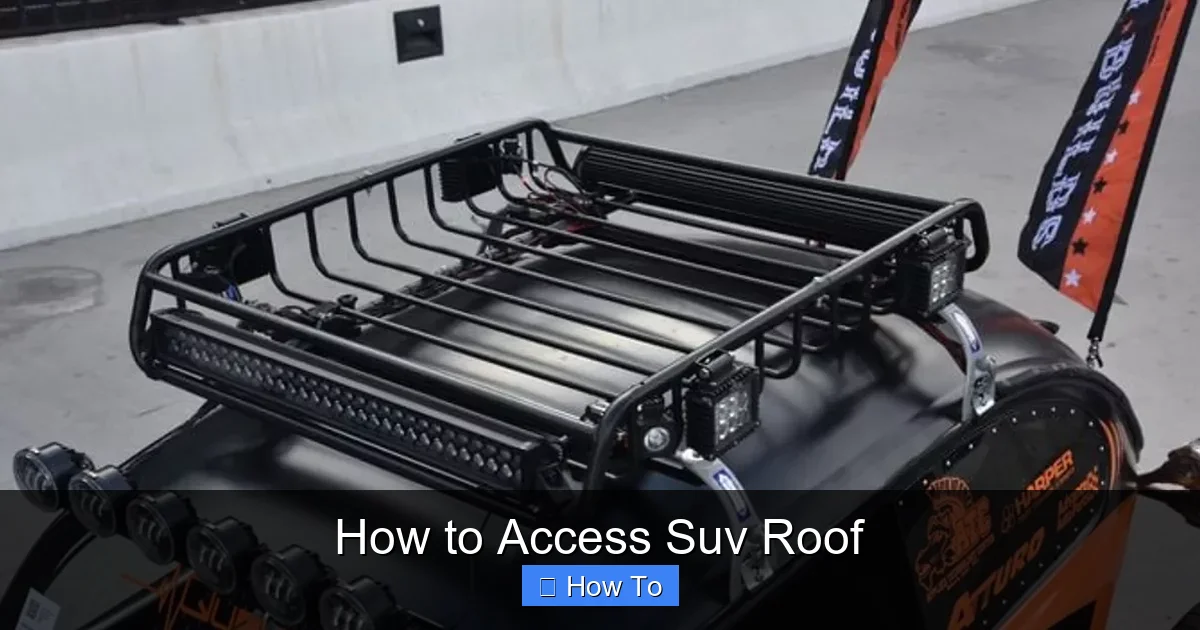
This guide teaches you how to access SUV roof safely and efficiently, whether for cleaning, maintenance, or installing gear. You’ll learn about tools, techniques, and safety tips to avoid damage or injury.
Key Takeaways
- Use proper equipment: Always use a sturdy step ladder, roof rack, or SUV-specific roof access tool to avoid slips or falls.
- Check your SUV’s design: Some models have built-in roof rails or steps, while others require aftermarket solutions.
- Prioritize safety: Wear non-slip shoes, secure loose clothing, and never stand on glass or weak roof areas.
- Inspect before climbing: Look for damage, debris, or weak spots on the roof or access points before stepping up.
- Use roof racks wisely: Install crossbars or platforms to distribute weight and provide stable stepping points.
- Clean and maintain regularly: Keep roof surfaces and access tools free of dirt and rust to ensure long-term usability.
- Know your limits: If you’re uncomfortable or the roof is too high, consider professional help or alternative solutions.
Introduction: Why Accessing Your SUV Roof Matters
Whether you’re an outdoor enthusiast, a weekend camper, or just someone who likes to keep their vehicle in top shape, knowing how to access SUV roof is a valuable skill. From installing roof racks and cargo boxes to cleaning solar panels or checking for damage after a storm, there are many reasons you might need to get up there. But doing it safely and effectively requires the right tools, techniques, and awareness.
In this comprehensive guide, we’ll walk you through everything you need to know about safely and confidently accessing your SUV’s roof. We’ll cover the tools you’ll need, step-by-step methods for different SUV types, safety precautions, troubleshooting common issues, and tips for maintaining access over time. By the end, you’ll feel prepared to tackle any roof-related task with confidence.
Understanding Your SUV’s Roof Design
Before you even think about climbing, it’s important to understand the design of your SUV’s roof. Not all SUVs are created equal—some are built with easy access in mind, while others require more effort and equipment.
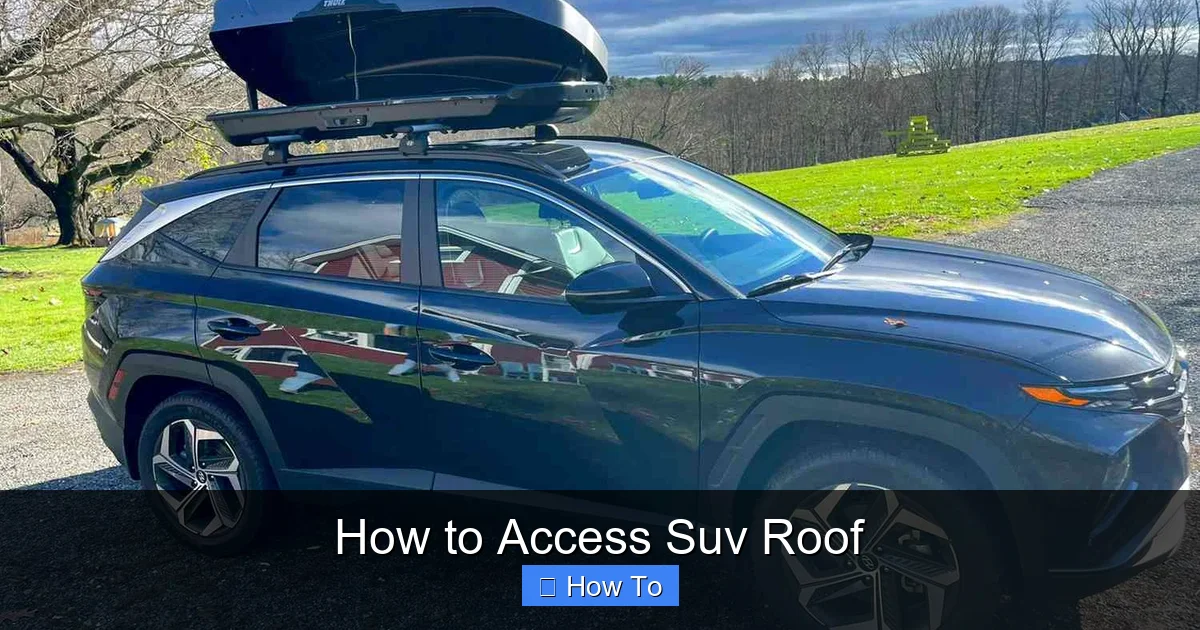
Visual guide about How to Access Suv Roof
Image source: travelandleisure.com
Types of SUV Roof Structures
Most SUVs fall into one of three categories based on roof design:
- Roof Rails Only: Many modern SUVs come with fixed or removable roof rails running along the sides of the roof. These are great for attaching crossbars but don’t provide a stepping surface.
- Raised Roof with Steps: Some larger SUVs, like the Toyota 4Runner or Ford Bronco, have slightly raised roofs with textured surfaces or built-in steps near the doors or rear.
- Flat, Low-Profile Roof: Compact SUVs like the Honda CR-V or Mazda CX-5 often have flatter, lower roofs that are easier to reach but may lack structural support for standing.
Check for Built-In Access Features
Some SUVs include design elements that make roof access easier. Look for:
- Rear Spoiler Steps: Found on models like the Subaru Outback or Forester, these small ledges near the rear windshield can serve as a stepping point.
- Side Moldings or Trim: Raised plastic or rubber trim along the roof edges can sometimes support light weight if used carefully.
- Roof Rails with Crossbars: If your SUV has crossbars, they can act as handholds or even temporary stepping points if properly secured.
Know Your SUV’s Weight Limit
Every SUV has a manufacturer-specified roof load limit, usually listed in the owner’s manual. This includes both dynamic (while driving) and static (while parked) weight. Most SUVs can handle 100–165 pounds statically, but this varies. Never exceed this limit when accessing the roof.
Tools and Equipment You’ll Need
Having the right tools makes accessing your SUV roof safer and more efficient. Here’s a list of essential and optional gear.
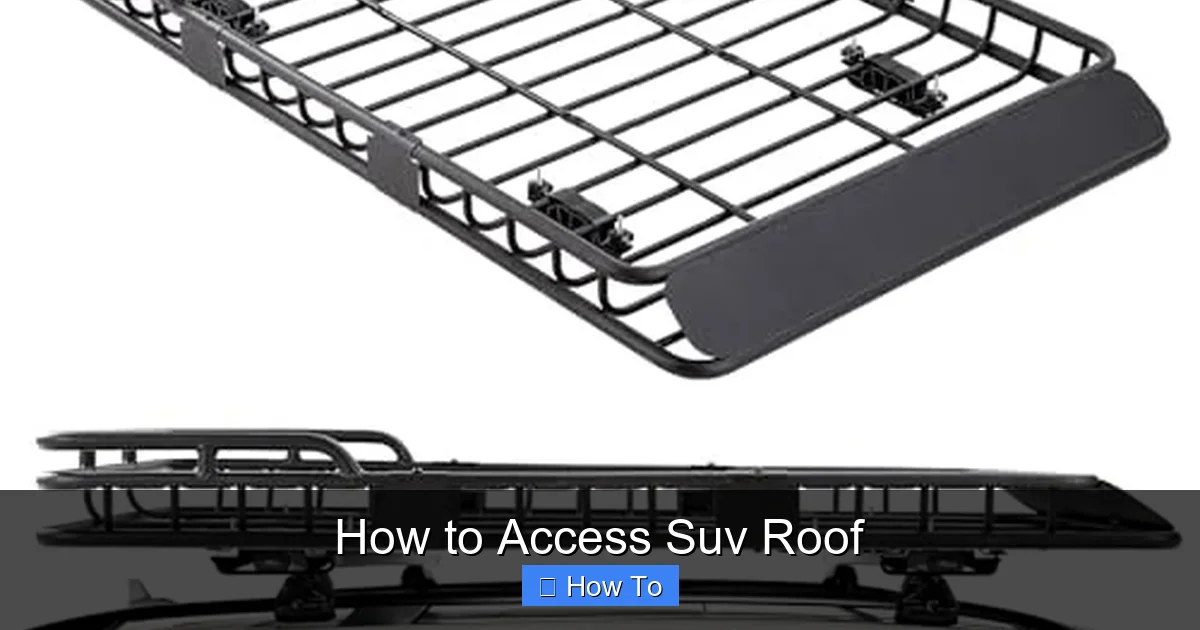
Visual guide about How to Access Suv Roof
Image source: m.media-amazon.com
Essential Tools
- Step Ladder: A 4- to 6-foot step ladder with wide, non-slip feet is ideal. Choose one with a platform or wide top step for better balance.
- Roof Rack or Crossbars: If your SUV doesn’t have them, consider installing aftermarket crossbars. They provide stability and a place to step.
- Non-Slip Shoes: Wear shoes with good grip, like hiking boots or rubber-soled sneakers. Avoid smooth soles.
- Gloves: Work gloves protect your hands from sharp edges, dirt, and cold surfaces.
Optional but Helpful Equipment
- Roof Platform or Step Stool: Some companies sell SUV-specific roof access platforms that attach to the rear bumper or hitch.
- Telescoping Ladder: Great for taller SUVs or trucks. Look for one that extends to 7–8 feet.
- Roof Mat or Traction Pad: A rubber or textured mat placed on the roof can improve grip and protect the paint.
- Harness or Safety Line: For frequent access or high roofs, a safety harness connected to a secure anchor point adds extra protection.
DIY Solutions
If you’re on a budget, you can improvise:
- Use a sturdy wooden step stool placed on the ground near the rear bumper.
- Place a rubber mat on the roof to prevent slipping.
- Use a folding ladder with adjustable height settings.
Step-by-Step Guide: How to Access SUV Roof Safely
Now that you understand your SUV and have the right tools, let’s go through the process step by step.
Step 1: Park on Level Ground
Always park your SUV on a flat, stable surface. Avoid hills or uneven terrain, as this increases the risk of slipping or the vehicle shifting. Turn on your hazard lights if you’re in a public area to alert other drivers.
Step 2: Clear the Roof
Remove any debris, snow, ice, or dirt from the roof. Use a soft brush or cloth to avoid scratching the paint. If you’re accessing the roof to clean it, do a quick sweep first.
Step 3: Position Your Ladder or Access Tool
Place your step ladder or access platform on the side or rear of the SUV, depending on your vehicle’s design. For rear access, position the ladder so the top step is level with or slightly above the roof edge. Make sure the ladder is secure and won’t slip.
Step 4: Use the Roof Rails or Crossbars
If your SUV has roof rails or crossbars, use them as handholds or stepping points. Grip them firmly as you climb. Never stand directly on the rails unless they’re designed for it—most are only meant for securing cargo.
Step 5: Step Onto the Roof Carefully
Face the SUV and place one foot on the roof, near the edge. Use your hands to steady yourself on the roof rails or door frame. Step up slowly, keeping your center of gravity low. Avoid jumping or rushing.
Step 6: Distribute Your Weight
Once on the roof, crouch slightly and spread your weight across both feet. Avoid standing upright unless necessary. If you’re installing gear, kneel or sit to lower your center of gravity.
Step 7: Complete Your Task
Whether you’re cleaning, installing a roof box, or inspecting damage, work methodically. Keep tools within reach and avoid overreaching. If you need to move around, take small, careful steps.
Step 8: Exit Safely
When you’re done, reverse the process. Step down facing the SUV, using the rails or ladder for support. Don’t turn your back until you’re fully off the roof.
Safety Tips and Best Practices
Safety should always be your top priority when accessing your SUV roof. Here are some essential tips to keep in mind.
Wear Appropriate Clothing
Loose clothing, scarves, or jewelry can get caught on roof components. Wear fitted clothes and remove anything that could snag. A hat can protect your head from the sun or accidental bumps.
Check Weather Conditions
Avoid accessing the roof in rain, snow, or high winds. Wet surfaces are slippery, and wind can throw off your balance. If it’s cold, metal parts may be icy—use gloves and tread carefully.
Never Stand on Glass or Weak Areas
Windshields, sunroofs, and rear windows are not designed to support weight. Stay clear of these areas. Also avoid standing on roof racks unless they’re rated for it.
Use a Spotter if Possible
If someone is available, have them stand by to steady the ladder or assist if you lose balance. This is especially helpful for taller SUVs or first-time users.
Inspect Equipment Before Use
Check your ladder, roof rack, and shoes for damage before each use. A cracked ladder or worn-out sole can lead to accidents.
Troubleshooting Common Issues
Even with preparation, you might run into problems. Here’s how to handle common challenges.
Problem: Roof Is Too High to Reach
If your SUV has a high roof and no built-in steps, consider:
- Using a taller ladder or telescoping ladder.
- Installing a hitch-mounted step platform.
- Using a portable ramp designed for vehicle access.
Problem: Slippery Roof Surface
Wet or icy roofs are dangerous. Solutions include:
- Applying a temporary rubber mat or anti-slip tape.
- Using roof-specific traction pads.
- Waiting for better weather conditions.
Problem: Roof Rails Are Loose or Worn
Loose rails can’t support weight. Tighten bolts or replace damaged parts. If rails are missing, consider installing aftermarket ones rated for your SUV.
Problem: Difficulty Balancing
If you feel unsteady:
- Kneel or sit instead of standing.
- Use a safety harness anchored to a secure point.
- Work in short sessions to avoid fatigue.
Problem: Paint Scratching
To protect your SUV’s paint:
- Use soft cloths or foam pads under tools.
- Avoid dragging heavy items across the roof.
- Place a towel or mat where you’ll be kneeling.
Maintaining Access Over Time
Regular maintenance ensures you can access your SUV roof safely whenever needed.
Clean Roof Rails and Access Points
Dirt and rust can weaken roof components. Wipe down rails, crossbars, and steps with a damp cloth and mild cleaner every few months.
Lubricate Moving Parts
If your SUV has foldable steps or adjustable rails, apply a silicone-based lubricant to keep them moving smoothly.
Inspect for Damage
Check for cracks, rust, or loose bolts after heavy use or extreme weather. Address issues immediately to prevent accidents.
Store Tools Properly
Keep ladders, mats, and gloves in a dry, secure place. Protect them from moisture and UV exposure to extend their lifespan.
Conclusion: Confidence in Roof Access
Learning how to access SUV roof doesn’t have to be intimidating. With the right tools, preparation, and safety mindset, you can tackle any task—from cleaning to cargo installation—with confidence. Remember to always prioritize safety, respect your vehicle’s limits, and maintain your equipment.
Whether you’re prepping for a camping trip or just giving your SUV a thorough wash, mastering roof access opens up new possibilities. Start small, practice in safe conditions, and soon you’ll be navigating your SUV’s roof like a pro.