
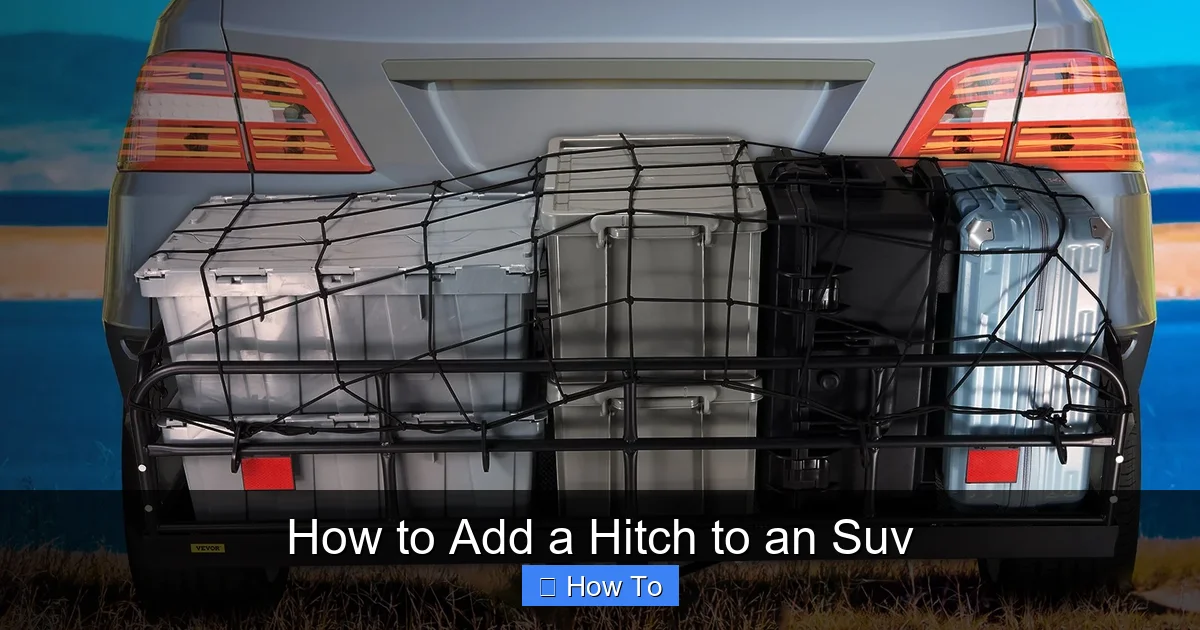
Adding a hitch to your SUV opens up new possibilities for towing trailers, bikes, or cargo carriers. This guide walks you through the entire process—from choosing the right hitch to secure installation—so you can do it yourself with confidence.
Key Takeaways
- Choose the right hitch class: Match your SUV’s towing capacity and intended use (e.g., Class III for most SUVs).
- Check your vehicle compatibility: Use your SUV’s make, model, and year to find a compatible hitch from trusted brands like Curt, Draw-Tite, or Reese.
- Gather the right tools: You’ll need a socket wrench, torque wrench, jack stands, and safety gear before starting.
- Follow manufacturer instructions: Always refer to the hitch kit’s manual for precise mounting steps and torque specs.
- Test before towing: After installation, inspect bolts, wiring, and hitch alignment to ensure safety.
- Consider professional help if unsure: If you’re not comfortable with mechanical work, hire a certified installer.
- Maintain your hitch regularly: Clean and inspect it periodically to prevent rust and wear.
How to Add a Hitch to an SUV
Adding a hitch to your SUV might sound like a big job, but with the right tools, a little patience, and this detailed guide, you can do it yourself—safely and correctly. Whether you’re planning to tow a small trailer, haul a camper, or just want to mount a bike rack, a hitch is a must-have upgrade. This step-by-step guide will walk you through everything from choosing the right hitch to final testing, so you can hit the road with confidence.
In this guide, you’ll learn how to select the best hitch for your SUV, prepare your vehicle, install the hitch properly, and ensure everything is secure before use. We’ll also cover common mistakes, troubleshooting tips, and maintenance advice to keep your hitch in top shape for years.
Why Add a Hitch to Your SUV?
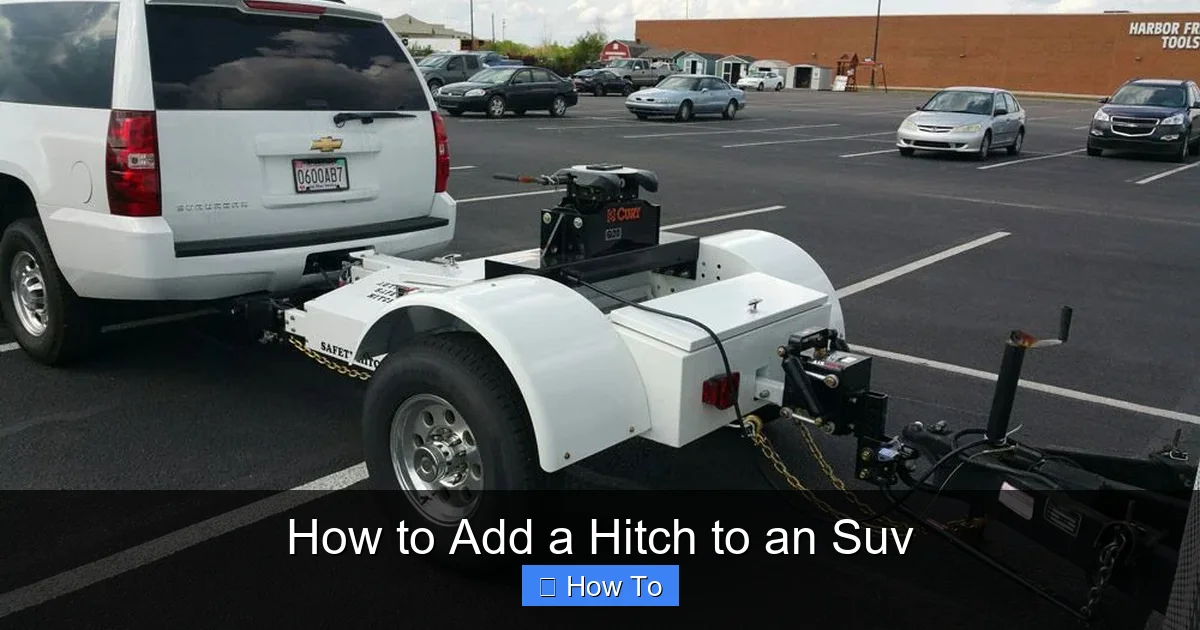
Visual guide about How to Add a Hitch to an Suv
Image source: i.pinimg.com
SUVs are built for versatility, and adding a hitch unlocks even more of that potential. A hitch allows you to:
- Tow trailers, campers, or small boats
- Mount cargo carriers for extra storage
- Attach bike racks for weekend adventures
- Improve your vehicle’s utility without sacrificing passenger space
Most modern SUVs are designed with hitch mounting points in mind, making installation straightforward. Even if your SUV didn’t come with a hitch, aftermarket options are widely available and often require no welding or major modifications.
Step 1: Determine Your Towing Needs
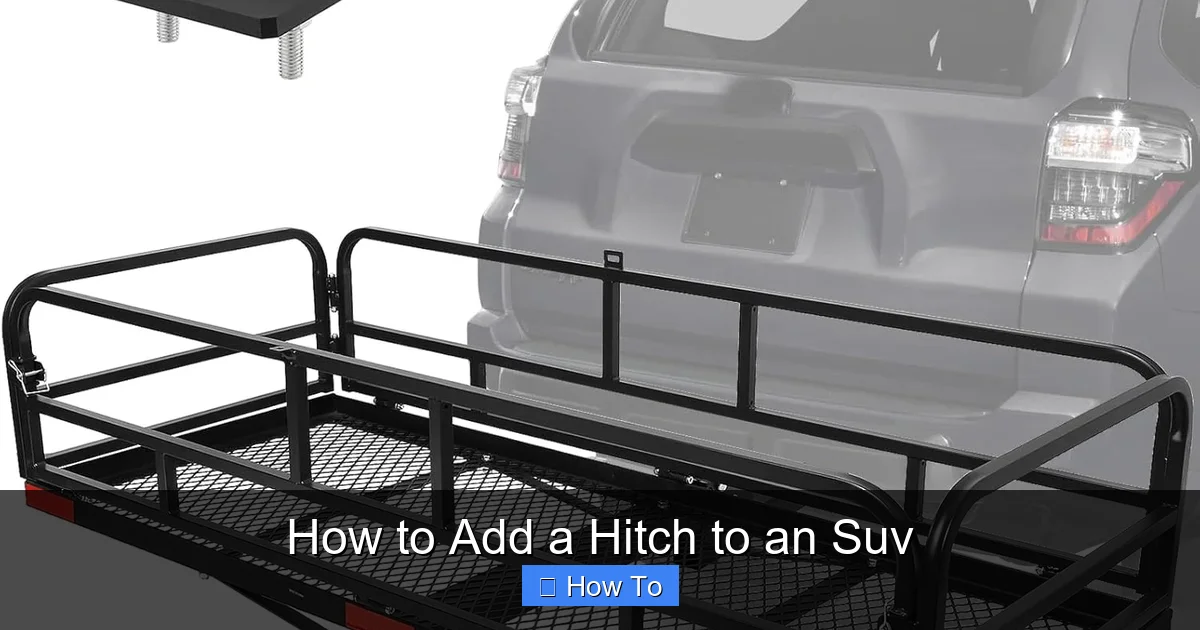
Visual guide about How to Add a Hitch to an Suv
Image source: m.media-amazon.com
Before you buy a hitch, figure out what you plan to use it for. This will help you choose the right type and class.
Consider Your Towing Capacity
Every SUV has a maximum towing capacity, which you can find in your owner’s manual or on the manufacturer’s website. Don’t exceed this limit—doing so can damage your vehicle or create a safety hazard.
For example:
- A compact SUV like a Honda CR-V might tow up to 1,500 lbs
- A midsize SUV like a Toyota Highlander can handle 3,500–5,000 lbs
- A full-size SUV like a Ford Expedition can tow 8,000+ lbs
Your hitch must match or exceed your intended load.
Choose the Right Hitch Class
Hitches are classified by their weight capacity. Here’s a quick breakdown:
- Class I: Up to 2,000 lbs GTW (Gross Trailer Weight), 200 lbs tongue weight. Best for small trailers or bike racks.
- Class II: Up to 3,500 lbs GTW, 350 lbs tongue weight. Good for light towing.
- Class III: Up to 6,000 lbs GTW, 600 lbs tongue weight. Most popular for SUVs—handles trailers, campers, and cargo carriers.
- Class IV: Up to 10,000 lbs GTW, 1,000 lbs tongue weight. For heavy-duty towing.
- Class V: Over 10,000 lbs GTW. Rare, used for commercial or industrial applications.
For most SUV owners, a Class III hitch is the sweet spot—it’s strong enough for serious towing but not overkill for everyday use.
Decide Between Receiver and Fixed Hitches
There are two main types of hitches:
- Receiver Hitch: Features a square tube (usually 1.25″ or 2″) that accepts removable accessories like ball mounts, bike racks, or cargo carriers. Most versatile and popular.
- Fixed Ball Mount Hitch: Has a permanent ball mount. Less flexible but simpler and often cheaper.
For most SUV owners, a 2-inch receiver hitch is the best choice because it supports a wide range of accessories.
Step 2: Choose the Right Hitch for Your SUV
Not all hitches fit all SUVs. You need one that’s specifically designed for your vehicle’s make, model, and year.
Use a Hitch Finder Tool
Websites like Curt, Draw-Tite, and U-Haul offer free hitch finder tools. Just enter your SUV’s details, and they’ll show you compatible options.
For example:
- A 2020 Toyota RAV4 might use a Curt #C13323 Class III hitch
- A 2022 Ford Explorer could use a Draw-Tite #76240 Max-Frame hitch
Check for Features
Look for hitches with:
- No-drill installation (most modern hitches are bolt-on)
- Rust-resistant coating (e.g., powder-coated steel)
- Integrated wiring harness mounting (if you plan to tow with lights)
- Clearance for spare tires or exhaust systems
Avoid cheap, generic hitches. Stick with reputable brands to ensure safety and durability.
Buy a Complete Kit
Most hitches come as a kit that includes:
- The hitch receiver
- Mounting brackets
- Hardware (bolts, nuts, washers)
- Installation instructions
Some kits also include a ball mount and hitch pin. If not, you’ll need to buy those separately.
Step 3: Gather Your Tools and Supplies
Before you start, make sure you have everything you need. Missing tools can delay the job or lead to mistakes.
Essential Tools
- Socket wrench set (with extensions)
- Torque wrench (critical for proper bolt tightening)
- Jack and jack stands (or a hydraulic floor jack)
- Wheel chocks
- Safety glasses and gloves
- Penetrating oil (like WD-40) for rusty bolts
- Wire brush (to clean mounting surfaces)
- Measuring tape
- Marker or chalk
Optional but Helpful
- Impact wrench (speeds up bolt removal)
- Torque angle gauge (for precise tightening)
- Assistant (to help hold the hitch in place)
Safety First
Always work on a level surface. Use jack stands—never rely solely on a jack. Wear safety glasses to protect your eyes from debris.
Step 4: Prepare Your SUV for Installation
Proper preparation ensures a smooth installation and prevents damage to your vehicle.
Park and Secure the Vehicle
- Park on a flat, level surface.
- Engage the parking brake.
- Place wheel chocks behind the rear tires to prevent rolling.
Lift the Rear of the SUV
Use a jack to lift the rear of your SUV and place jack stands under the frame rails. Never work under a vehicle supported only by a jack.
Remove Obstacles
Some SUVs have plastic underbody panels, splash shields, or exhaust components that block access to the hitch mounting points.
- Use a socket wrench to remove any bolts holding these parts.
- Set them aside carefully—you’ll reinstall them later.
- If you encounter rusty bolts, spray them with penetrating oil and let it sit for 10–15 minutes.
Clean the Mounting Area
Use a wire brush to clean dirt, rust, and paint from the frame where the hitch will attach. This ensures a tight, secure fit.
Step 5: Install the Hitch
Now comes the main event—installing the hitch. Follow the manufacturer’s instructions closely, as steps can vary slightly between models.
Position the Hitch
- Have a helper hold the hitch in place against the frame.
- Align the mounting holes with the frame bolts.
- Use the provided hardware to loosely attach the hitch.
Don’t tighten anything yet—just get it in position.
Insert and Hand-Tighten Bolts
- Insert the bolts through the hitch brackets and frame.
- Thread the nuts onto the bolts by hand to avoid cross-threading.
- Use washers as specified in the instructions.
Tighten Bolts in Stages
Use a torque wrench to tighten bolts in the order specified in the manual. Most hitches require a crisscross pattern to ensure even pressure.
Typical torque specs:
- Class III hitch bolts: 60–80 ft-lbs (check your manual)
- Always refer to the manufacturer’s specs—don’t guess.
Over-tightening can strip threads; under-tightening can lead to failure.
Double-Check Alignment
Make sure the hitch receiver is level and centered under the bumper. Misalignment can cause towing issues or damage.
Reinstall Removed Parts
Once the hitch is secure, reattach any panels, shields, or exhaust components you removed earlier.
Step 6: Install Wiring (If Towing)
If you plan to tow a trailer with lights, you’ll need a wiring harness.
Choose the Right Harness
Most SUVs use a 4-pin flat connector for basic lighting (brake, turn, tail, ground). Some larger trailers may need a 7-pin connector.
Buy a plug-and-play harness designed for your SUV model. These plug into the factory wiring without cutting or splicing.
Install the Harness
- Locate the vehicle’s taillight wiring (usually behind the rear bumper or inside the trunk).
- Plug in the harness according to the instructions.
- Secure the connector to the hitch frame with zip ties.
- Route the wire safely away from moving parts or heat sources.
Test all lights (brake, turn, tail) before hitting the road.
Step 7: Test the Installation
Never tow without testing your hitch first.
Visual Inspection
- Check all bolts for tightness.
- Ensure the hitch is flush against the frame.
- Look for cracks, bends, or loose parts.
Torque Check
After 50–100 miles of driving, re-torque all bolts. Vibration can loosen them over time.
Test with a Light Load
Attach a small trailer or cargo carrier and drive slowly around the block. Listen for rattles or unusual noises.
Troubleshooting Common Issues
Even with careful installation, problems can arise.
Hitch Won’t Fit
- Double-check that you have the correct hitch for your SUV.
- Ensure all panels and shields are removed.
- Some hitches require slight bending of brackets—follow instructions carefully.
Bolt Holes Don’t Align
- Loosen all bolts slightly to allow adjustment.
- Use a pry bar to gently shift the hitch into place.
- Never force bolts—this can damage the frame.
Rattling or Loose Hitch
- Re-torque all bolts.
- Check for missing washers or spacers.
- Inspect for worn or damaged parts.
Wiring Not Working
- Check fuse box for blown fuses.
- Test connections with a multimeter.
- Ensure the trailer plug is clean and secure.
Maintenance Tips for Your Hitch
A little care goes a long way in extending your hitch’s life.
Clean Regularly
Wash your hitch with soap and water, especially after driving in salt or mud. Remove dirt and debris that can trap moisture.
Lubricate Moving Parts
Apply grease to the ball mount, hitch pin, and receiver tube to prevent rust and ensure smooth operation.
Inspect for Damage
Before each trip, check for:
- Cracks or bends
- Rust or corrosion
- Loose bolts
- Worn wiring
Store Accessories Properly
Remove bike racks or cargo carriers when not in use to prevent theft and reduce wear.
When to Call a Professional
While many SUV owners can install a hitch themselves, some situations call for expert help.
Consider professional installation if:
- Your SUV has a complex underbody or exhaust system
- You’re not comfortable using power tools or jacks
- The hitch requires welding or drilling
- You’re installing a gooseneck or fifth-wheel hitch
Most auto shops and trailer dealers offer hitch installation services for $100–$300, depending on the hitch and labor.
Conclusion
Adding a hitch to your SUV is a smart, practical upgrade that expands your vehicle’s capabilities. With the right hitch, tools, and careful installation, you can do it yourself in a few hours. Just remember to choose the correct class, follow the manufacturer’s instructions, and test everything before towing.
A properly installed hitch not only makes towing safer but also adds value to your SUV. Whether you’re hauling gear for a weekend trip or towing a small camper, your hitch will be ready when you need it.
Take your time, stay safe, and enjoy the freedom that comes with a well-equipped SUV.