
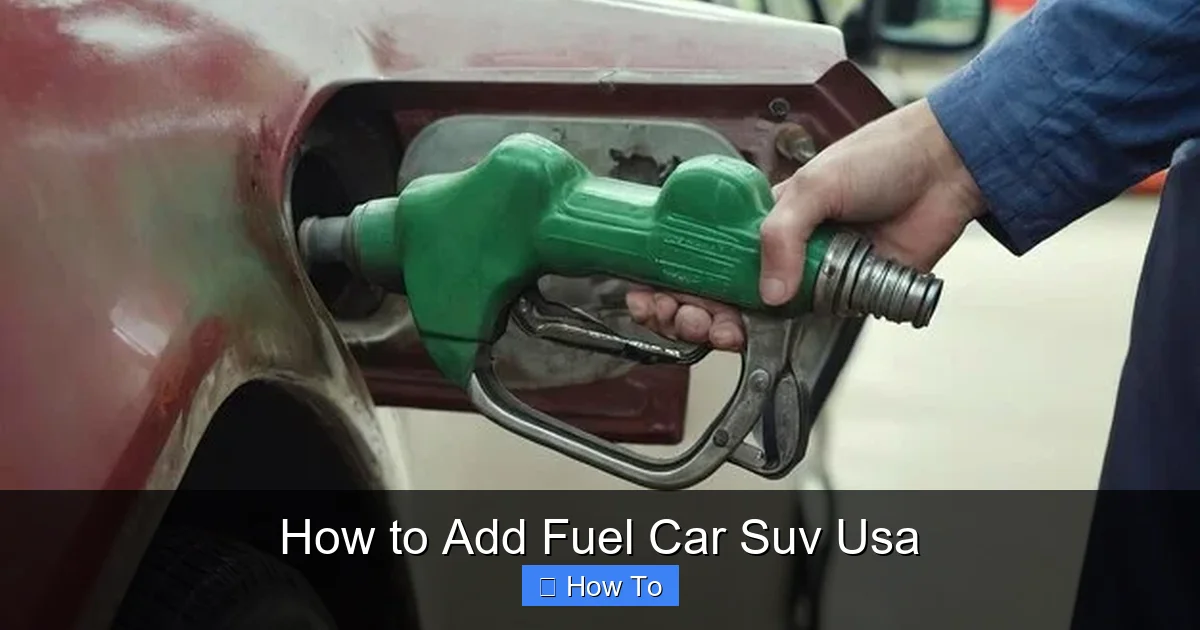
Adding fuel to your car or SUV in the USA is simple, but doing it safely and correctly matters. This guide walks you through every step—from choosing the right fuel to handling the pump—so you can refuel with confidence and avoid common errors.
Key Takeaways
- Know your fuel type: Most cars and SUVs in the USA use regular unleaded (87 octane), but check your owner’s manual to be sure.
- Turn off the engine: Always shut off your vehicle before refueling to prevent fire hazards.
- Use the correct fuel grade: Using premium when not required wastes money; using lower octane than recommended can damage your engine.
- Practice safe pumping habits: Never leave the pump unattended, avoid using your phone, and stay near the nozzle.
- Replace the gas cap properly: A loose or missing cap can trigger the check engine light and reduce fuel efficiency.
- Choose reputable gas stations: Stick to well-known brands for cleaner fuel and better quality control.
- Keep receipts and monitor usage: Track fuel purchases to spot leaks, inefficiencies, or billing errors.
How to Add Fuel to Your Car or SUV in the USA: A Complete Step-by-Step Guide
Whether you’re a new driver, a recent transplant to the U.S., or just want to refresh your knowledge, knowing how to add fuel to your car or SUV properly is essential. In the United States, refueling is a routine task for millions of drivers every day—but even small mistakes can lead to safety risks, engine problems, or wasted money.
This comprehensive guide will walk you through everything you need to know about adding fuel to your vehicle in the USA. You’ll learn how to identify the right fuel type, operate a gas pump safely, avoid common pitfalls, and maintain your vehicle’s fuel system for optimal performance. By the end, you’ll feel confident every time you pull up to the pump.
Understanding Fuel Types in the USA
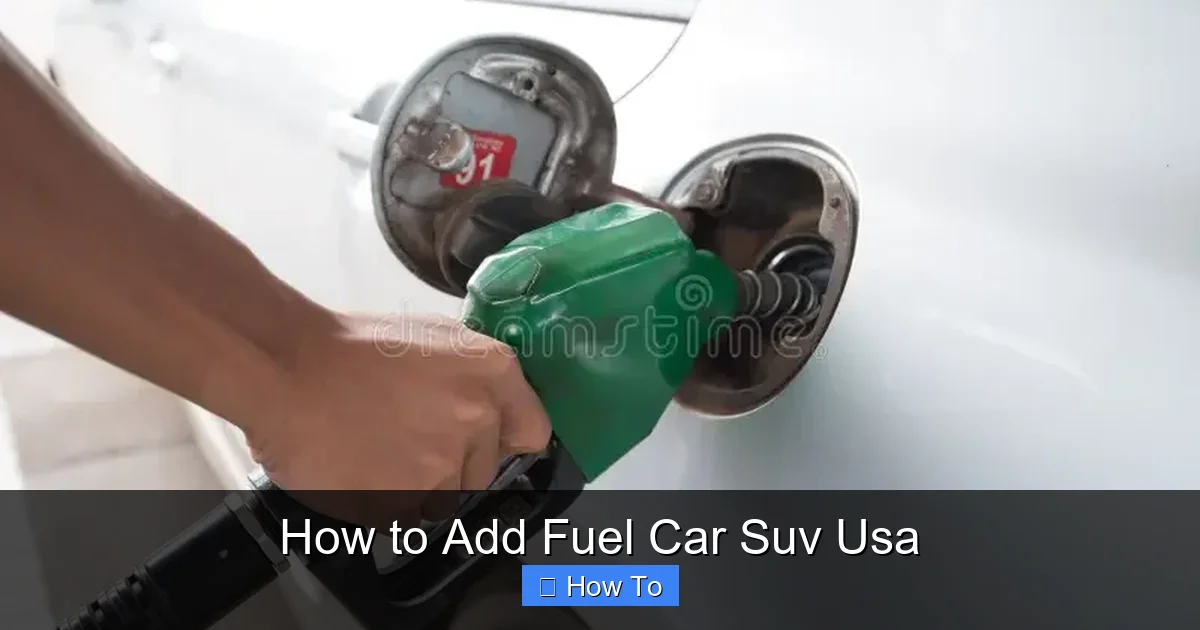
Visual guide about How to Add Fuel Car Suv Usa
Image source: thumbs.dreamstime.com
Before you even approach a gas station, it’s important to understand the different types of fuel available in the United States. Most cars and SUVs are designed to run on gasoline, but not all gasoline is the same.
Regular Unleaded (87 Octane)
This is the most common fuel type and is suitable for the majority of vehicles on the road today. If your owner’s manual recommends “regular” or doesn’t specify a higher grade, 87 octane is what you should use. Using a higher octane than required won’t improve performance or fuel economy—it just costs more.
Mid-Grade (89 Octane)
Some older or high-performance vehicles may recommend mid-grade fuel. It’s a blend of regular and premium and offers slightly better resistance to engine knocking. However, unless your vehicle specifically calls for it, there’s no benefit to using 89 octane.
Premium (91–93 Octane)
High-performance engines, luxury vehicles, and some turbocharged SUVs often require premium fuel. These engines are designed to compress fuel at higher pressures, which can cause knocking if lower-octane fuel is used. Always follow your manufacturer’s recommendation—using regular in a premium-required vehicle can lead to engine damage over time.
Ethanol Blends (E10, E15, E85)
Most gasoline in the U.S. contains up to 10% ethanol (E10), which is safe for all modern vehicles. E15 (15% ethanol) is approved for vehicles made in 2001 or later, but check your manual first. E85 (85% ethanol) is only for flex-fuel vehicles (FFVs) and should never be used in standard cars or SUVs.
Diesel Fuel
Diesel is used in diesel-powered vehicles, which are less common in passenger cars but found in some SUVs and trucks. Diesel pumps are usually labeled and have a different nozzle size to prevent accidental use in gasoline engines. Putting diesel in a gas engine—or vice versa—can cause serious damage.
Preparing to Refuel Your Vehicle
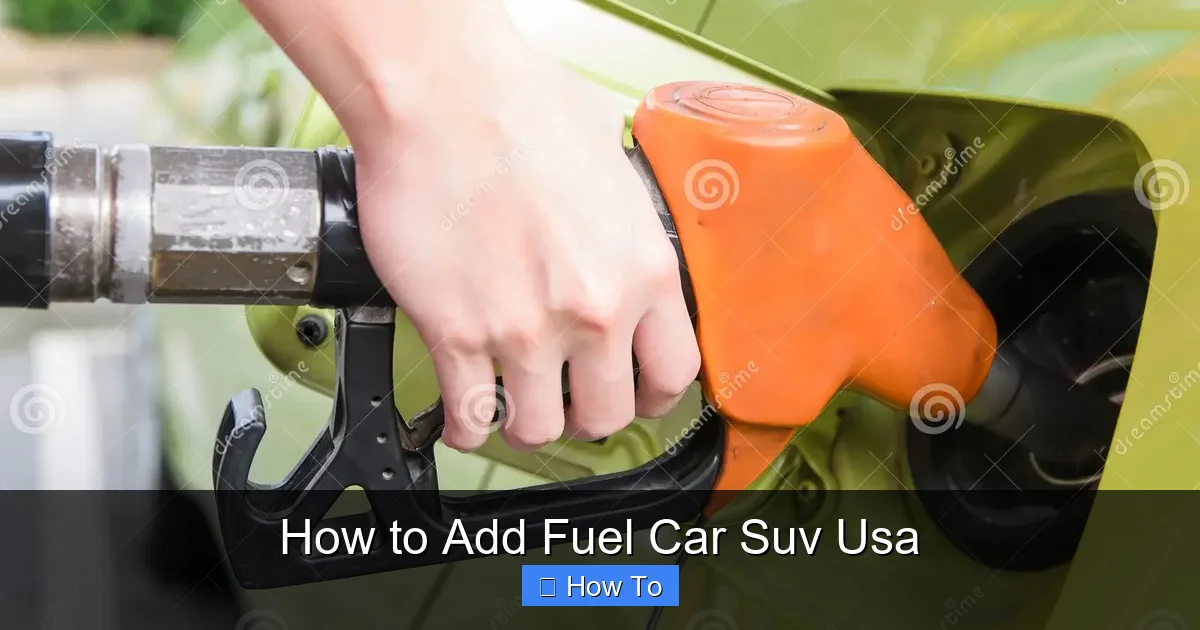
Visual guide about How to Add Fuel Car Suv Usa
Image source: thumbs.dreamstime.com
Once you know what fuel your vehicle needs, it’s time to prepare for a safe and efficient refueling experience.
Check Your Fuel Level
Most vehicles have a fuel gauge on the dashboard. It’s best to refuel when the tank is around ¼ full. Running on empty can damage your fuel pump, which relies on gasoline for cooling and lubrication.
Plan Your Route
Use a GPS or gas station app (like GasBuddy or Waze) to find nearby stations with competitive prices. Some apps even show real-time fuel levels and wait times.
Gather What You Need
You’ll need:
- A valid payment method (credit/debit card or cash)
- Your vehicle’s fuel door release (usually inside the car)
- Optional: gloves (to keep hands clean), a rag (for spills), and a flashlight (for nighttime refueling)
Choose a Reputable Gas Station
Stick to well-known brands like Shell, Exxon, Chevron, or Costco. These stations typically have better fuel quality, cleaner pumps, and more reliable service. Avoid isolated or poorly lit stations, especially at night.
Step-by-Step: How to Add Fuel to Your Car or SUV
Now that you’re prepared, follow these steps to safely and correctly add fuel to your vehicle.
Step 1: Pull Up to the Pump
Drive slowly into the gas station and position your vehicle so the fuel door is closest to the pump. Most cars have the fuel door on the left side, but SUVs and trucks may vary. Look for the fuel door symbol on your dashboard or check your owner’s manual.
Step 2: Turn Off the Engine
This is critical. Never refuel with the engine running. It creates a fire hazard due to sparks or heat from the engine. Also, turn off any accessories like the radio or air conditioning.
Step 3: Remove the Fuel Cap
Open the fuel door (usually by pulling a lever inside the car or pressing a button). Unscrew the fuel cap counterclockwise and set it aside in a safe place—many caps have a holder on the fuel door. Don’t lose it!
Step 4: Select the Fuel Grade
On the pump, press the button for the correct fuel type (e.g., Regular, Mid-Grade, Premium). If you’re using a credit card, you may need to insert it first and follow the prompts. Some pumps require you to select the fuel grade before inserting your card.
Step 5: Insert the Nozzle and Begin Pumping
Remove the nozzle from the pump and insert it fully into the fuel tank opening. Squeeze the handle to start the flow. Most pumps have an automatic latch that keeps the handle pressed, so you don’t have to hold it the whole time.
Step 6: Monitor the Pump
Stay near the pump while fueling. Never leave the nozzle unattended—this is both a safety rule and often required by law. Watch the display to see how much fuel you’re adding and the total cost.
Step 7: Stop When Full
The pump will automatically stop when the tank is full. You’ll hear a click, and the handle will release. Don’t “top off” the tank by forcing more fuel in—this can cause spills, damage the evaporative emissions system, and waste money.
Step 8: Replace the Nozzle and Cap
Return the nozzle to the pump. Screw the fuel cap back on tightly—hand-tight is usually enough. Close the fuel door securely.
Step 9: Complete the Transaction
If you used a card, wait for the receipt to print. If paying cash, go inside to pay or use the pay-at-pump option. Keep your receipt for your records.
Safety Tips When Adding Fuel
Refueling is generally safe, but a few precautions can prevent accidents.
No Smoking or Open Flames
Gasoline vapors are highly flammable. Never smoke, light a match, or use anything that creates a spark near the pump.
Avoid Using Your Phone
While rare, static electricity from your phone could ignite fumes. It’s best to keep your phone in your pocket or car during refueling.
Ground Yourself
Before touching the nozzle, touch a metal part of your car (like the door frame) to discharge static electricity. This reduces the risk of a spark.
Keep Children and Pets Secure
Always keep kids and pets inside the vehicle or hold their hands. They could accidentally knock over the nozzle or touch hot surfaces.
Be Mindful of Spills
If you spill fuel, notify the station attendant immediately. Use the emergency shut-off button if needed. Don’t try to clean it up yourself unless you have the proper materials.
Common Mistakes to Avoid
Even experienced drivers make errors at the pump. Here are some to watch out for:
Using the Wrong Fuel
Putting premium in a regular car won’t hurt it, but it’s a waste of money. Putting regular in a premium-required vehicle can cause engine knocking and long-term damage.
Overfilling the Tank
Topping off can lead to fuel overflow, which is dangerous and illegal in some states. It can also clog the charcoal canister in your emissions system.
Forgetting to Replace the Gas Cap
A missing or loose cap can trigger the check engine light and reduce fuel efficiency by allowing vapors to escape.
Leaving the Engine Running
This is a major fire hazard and is prohibited at most gas stations.
Ignoring the Check Engine Light
If the light comes on after refueling, it could be due to a loose cap or fuel system issue. Have it checked promptly.
Troubleshooting Common Fueling Issues
Sometimes, things don’t go as planned. Here’s how to handle common problems:
The Pump Won’t Start
Check that your card is inserted correctly and that you’ve selected the right fuel grade. If using cash, ensure you’ve pre-paid inside. Try another pump if the issue persists.
The Nozzle Keeps Clicking Off
This usually means the tank is full or the vent is blocked. Stop pumping and check for kinks in the filler neck. Don’t force it.
Fuel Smell After Refueling
A mild smell is normal, but a strong odor could indicate a spill or leak. Inspect the area and notify the station. If the smell persists in your car, have it inspected.
Check Engine Light Comes On
First, check that the gas cap is tight. If the light stays on, visit a mechanic to diagnose the issue.
Eco-Friendly and Cost-Saving Tips
Refueling doesn’t have to be bad for your wallet or the planet.
Use Rewards Programs
Many gas stations offer loyalty programs that give discounts or cashback. Credit cards with gas rewards can also save you money.
Fill Up in the Morning
Fuel is denser in cooler temperatures, so you get more energy per gallon when you fill up early.
Avoid Idling
Turn off your engine if you’re waiting more than 30 seconds. Idling wastes fuel and increases emissions.
Maintain Your Vehicle
Regular tune-ups, clean air filters, and proper tire pressure improve fuel efficiency and reduce the need for frequent refueling.
Conclusion
Adding fuel to your car or SUV in the USA is a simple task, but doing it correctly ensures safety, protects your vehicle, and saves you money. By understanding fuel types, following proper procedures, and avoiding common mistakes, you can make every refueling experience smooth and stress-free.
Remember: always turn off your engine, use the right fuel, stay attentive at the pump, and replace your gas cap securely. With these habits, you’ll keep your vehicle running efficiently for years to come.
Whether you’re driving a compact sedan or a full-size SUV, the basics of refueling remain the same. Stay informed, stay safe, and enjoy the open road.