
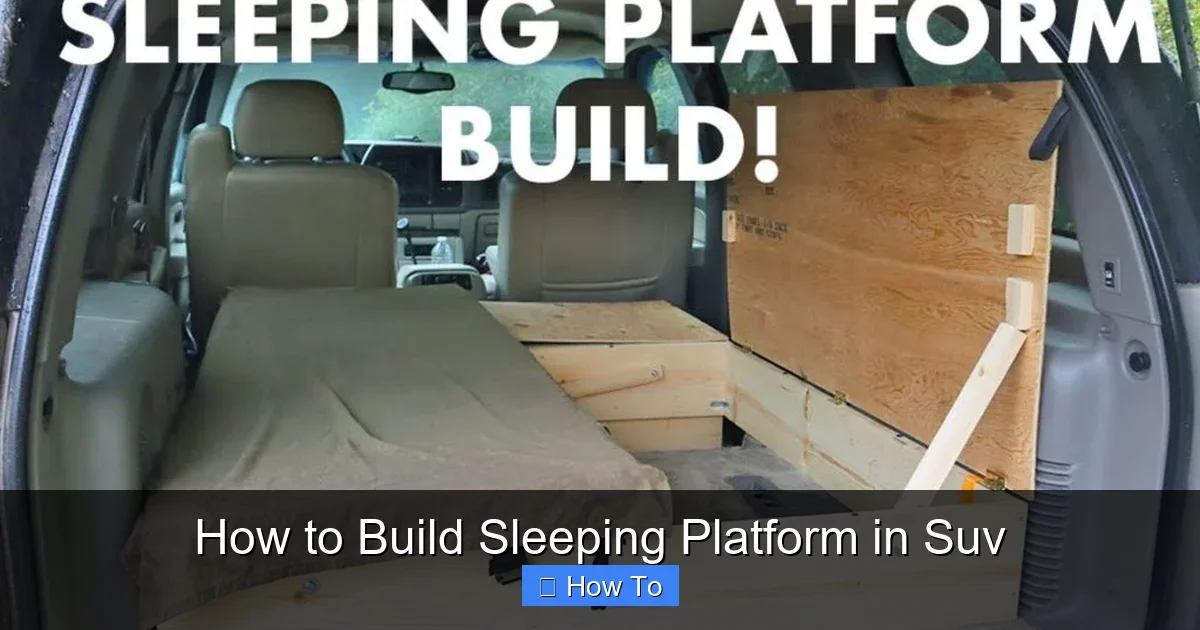
Transform your SUV into a cozy sleeping space with this easy DIY guide. We’ll walk you through measuring, building, and installing a custom sleeping platform that fits your vehicle perfectly—ideal for road trips, camping, or weekend getaways.
Key Takeaways
- Measure your SUV interior carefully: Accurate measurements ensure a snug, safe fit and maximize usable space.
- Choose lightweight, durable materials: Plywood, MDF, or composite boards work best—balance strength and weight.
- Design for modularity and storage: Build removable or foldable sections to access gear underneath.
- Use non-slip surfaces and secure edges: Safety is key—prevent sliding and sharp corners with padding and edge guards.
- Test before final installation: Dry-fit your platform to confirm comfort, height, and accessibility.
- Ventilate and insulate for comfort: Add breathable layers and insulation for temperature control in all seasons.
- Customize with add-ons: Include cup holders, LED lights, or under-platform drawers for extra convenience.
How to Build a Sleeping Platform in Your SUV
Whether you’re a weekend camper, a digital nomad, or just love spontaneous road trips, turning your SUV into a comfortable sleeping space can make all the difference. A well-built sleeping platform gives you a flat, stable surface to rest on—no more awkwardly folded seats or lumpy cargo floors. In this guide, we’ll show you exactly how to build a sleeping platform in your SUV using simple tools, affordable materials, and smart design tips. By the end, you’ll have a custom-built bed that’s safe, comfortable, and easy to use.
This project is perfect for DIYers of all skill levels. You don’t need to be a carpenter or own a full workshop. With a few basic tools and some planning, you can create a sleeping setup that rivals high-end camper conversions. We’ll cover everything from measuring your vehicle to choosing materials, building the frame, adding comfort layers, and even customizing your platform for extra storage and convenience.
Why Build a Sleeping Platform in Your SUV?
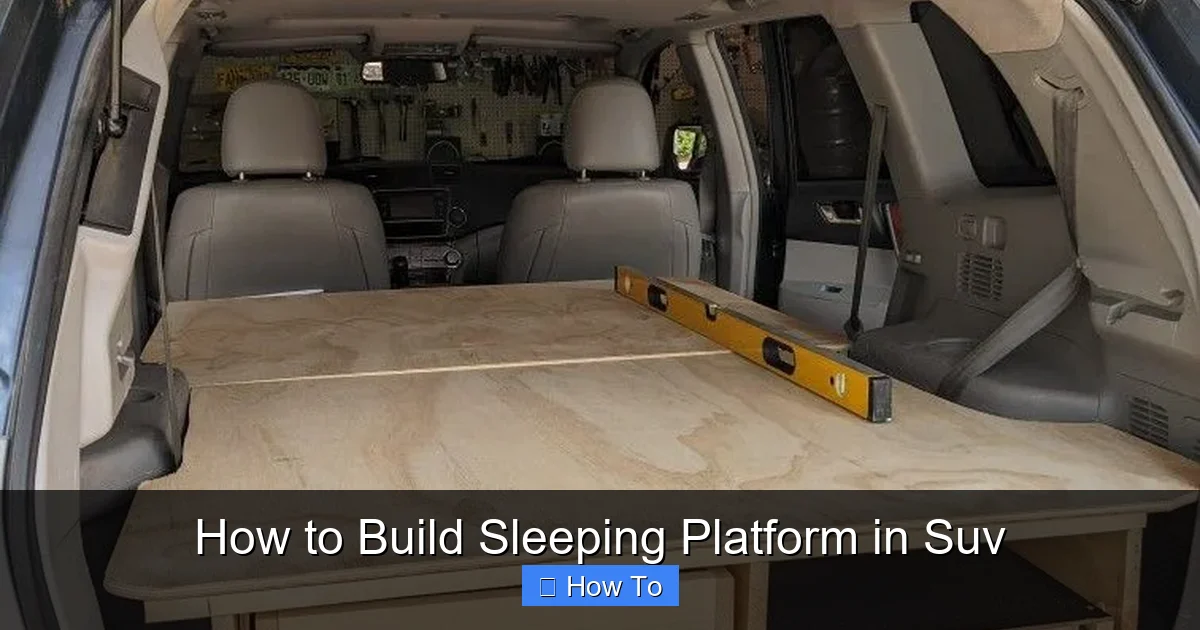
Before we dive into the build, let’s talk about why this project is worth your time. SUVs are versatile vehicles, but their factory seating and cargo areas aren’t designed for sleeping. The rear seats often don’t lie completely flat, and the floor can be uneven or sloped. A sleeping platform solves these issues by creating a level, supportive surface that spans the entire cargo area.
Visual guide about How to Build Sleeping Platform in Suv
Image source: i.pinimg.com
Here are some key benefits:
- Improved comfort: A flat, elevated surface supports your body better than folded seats.
- Better use of space: You can store gear underneath the platform, keeping your sleeping area clutter-free.
- Weather protection: Elevating your bed keeps you off cold or damp ground.
- Quick setup: Once installed, your bed is ready in seconds—no inflating mattresses or unfolding cots.
- Cost-effective: Building your own platform is far cheaper than buying a pre-made camper shell or conversion kit.
Plus, it’s a fun and rewarding project. You’ll gain hands-on experience, customize the design to your needs, and end up with a setup that’s truly yours.
Step 1: Measure Your SUV Interior
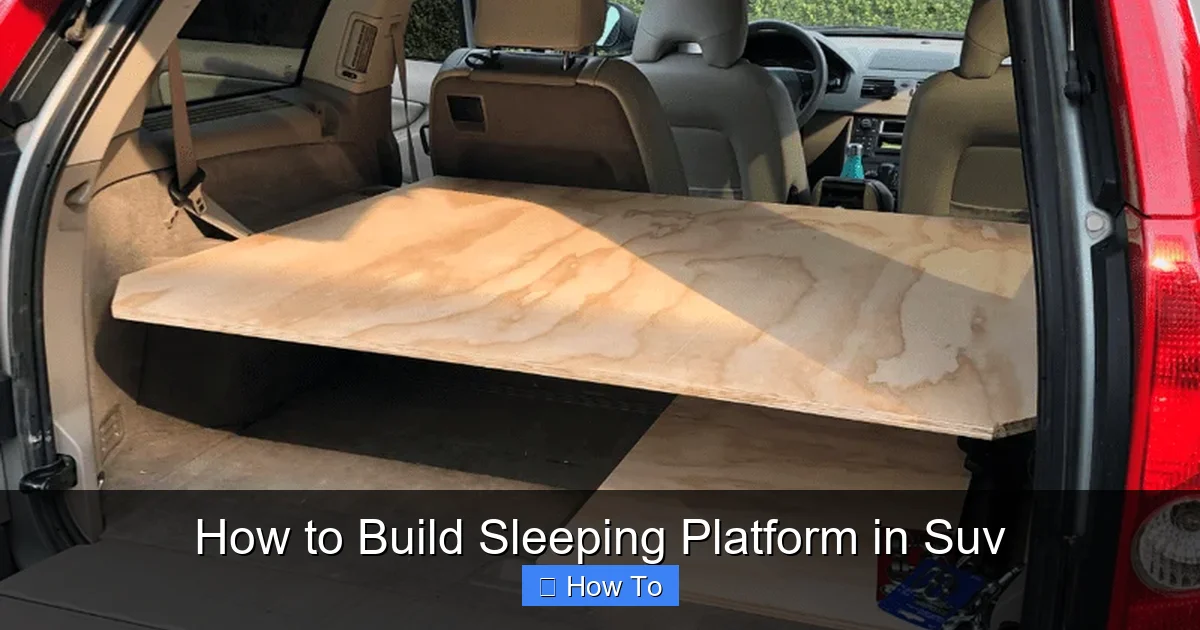
The first and most important step is measuring your SUV’s interior. A poorly measured platform won’t fit, could damage your vehicle, or be unsafe to use. Take your time with this step—accuracy is everything.
Visual guide about How to Build Sleeping Platform in Suv
Image source: getpackup.com
Gather Your Tools
You’ll need:
- A flexible tape measure (at least 12 feet)
- A notepad and pen
- A flashlight (to see into tight corners)
- A helper (optional but helpful)
Measure Key Dimensions
Start by removing any floor mats, cargo organizers, or seat covers. Then measure the following:
- Length: From the back of the front seats (or rear of the second row, if you’re using a 3-row SUV) to the tailgate. Measure at the floor level.
- Width: At the widest point between the wheel wells. This is usually the narrowest part, so it determines your platform’s maximum width.
- Height: From the floor to the bottom of the rear window or headliner. This tells you how thick your platform can be.
- Seat depth: If you’re folding down rear seats, measure how far they extend into the cargo area when flat.
- Obstacles: Note any protruding parts like seat anchors, air vents, or cargo hooks.
Pro tip: Measure twice, cut once. It’s better to double-check your numbers than to build a platform that’s too big or too small.
Account for Seat Folding
Most SUVs have split-folding rear seats (e.g., 60/40 or 40/20/40). If you want to sleep across the entire width, you’ll need to fold down all rear seats. But if you only fold part of them, your platform will be narrower. Decide how you want to use the space and measure accordingly.
Also, check if your seats lie completely flat. Some SUVs have a slight incline even when folded. You may need to add shims or adjust the platform height to level it out.
Step 2: Design Your Sleeping Platform
Now that you have your measurements, it’s time to design your platform. This step is all about planning the structure, materials, and features.
Choose a Design Style
There are three main types of sleeping platforms:
- Single-level platform: A flat board that spans the entire cargo area. Simple and sturdy, but no storage underneath.
- Elevated platform with storage: Raised on legs or supports, creating space underneath for bins, coolers, or gear.
- Modular or foldable platform: Made in sections that can be removed or folded up when not in use. Great for daily driving.
For most people, the elevated platform with storage is the best balance of comfort and functionality. It keeps your sleeping area dry and gives you extra room for essentials.
Sketch Your Design
Draw a simple sketch of your SUV’s cargo area from above and the side. Include:
- Platform dimensions
- Support legs or brackets
- Access points (e.g., hinged sections or removable panels)
- Storage compartments
Use graph paper or a free online tool like SketchUp Free to visualize your design. This helps you spot potential issues before you start building.
Decide on Height and Thickness
The ideal platform height depends on your comfort and storage needs. A height of 6 to 8 inches is common—it’s high enough to store gear underneath but low enough to get in and out easily.
For thickness, ½-inch to ¾-inch plywood is standard. Thicker boards are more rigid but heavier. If you’re using ½-inch plywood, add cross supports underneath to prevent sagging.
Step 3: Choose the Right Materials
The materials you choose will affect the weight, durability, and cost of your platform. Here’s what to consider:
Platform Material
Common options include:
- 3/4-inch plywood: Strong, affordable, and easy to work with. Best for full-width platforms.
- 1/2-inch plywood: Lighter but may need extra support. Good for modular designs.
- MDF (Medium-Density Fiberboard): Smooth and uniform, but heavy and prone to water damage. Not ideal for outdoor use.
- Composite boards (e.g., PVC or bamboo): Lightweight, waterproof, and durable—but more expensive.
For most builds, ¾-inch exterior-grade plywood is the best choice. It’s strong, weather-resistant, and widely available.
Support Structure
You’ll need supports to hold up the platform. Options include:
- Wooden legs: Simple 2×2 or 2×4 posts cut to height. Secure with brackets.
- Metal L-brackets: Attach to the SUV’s floor or side rails for a clean look.
- Adjustable feet: Great for leveling on uneven ground.
- Storage bins as supports: Use plastic bins filled with gear as both storage and legs.
Pro tip: If your SUV has built-in cargo tie-down points, use them to anchor your platform securely.
Fasteners and Hardware
Use wood screws (1.5 to 2 inches long), bolts, or cam locks for assembly. Avoid nails—they can loosen over time. For a removable design, consider using quick-release fasteners or wing nuts.
Surface and Edge Treatment
To make your platform comfortable and safe:
- Non-slip surface: Apply grip tape, rubber matting, or carpet.
- Edge protection: Use iron-on edge banding or PVC trim to cover sharp corners.
- Padding: Add a foam mattress topper or sleeping pad on top for comfort.
Step 4: Build the Platform Frame
Now it’s time to build! Follow these steps to assemble your sleeping platform.
Cut the Wood
Using your measurements, cut the plywood to size. If you’re making a modular platform, cut it into 2 or 3 sections. Use a circular saw or jigsaw with a straight edge guide for clean cuts.
Sand all edges to remove splinters. Wipe away dust before assembly.
Build the Support Frame
If you’re using a frame (recommended for larger platforms), build a rectangular base from 2×2 or 1×3 pine. Attach cross braces every 12 to 16 inches to prevent sagging.
Secure the frame to the plywood using wood screws. Pre-drill holes to avoid splitting the wood.
Attach Legs or Brackets
For elevated platforms, attach legs to the underside of the frame. Use corner brackets for extra strength. Make sure all legs are the same height—use a level to check.
If using L-brackets, screw them into the SUV’s floor or side rails. Then attach the platform to the brackets.
Test the Fit
Place the platform in your SUV and check the fit. It should sit level and not wobble. Make adjustments if needed.
Step 5: Add Comfort and Safety Features
A great sleeping platform isn’t just functional—it’s comfortable and safe.
Install a Mattress or Pad
Even the best platform needs cushioning. Options include:
- Memory foam topper: 2 to 4 inches thick, cut to size.
- Inflatable mattress: Lightweight and compact, but may shift.
- Folding camping cot pad: Easy to store and remove.
- Custom-cut foam: Durable and supportive.
Secure the pad with straps or non-slip fabric to prevent sliding.
Add Non-Slip Surface
Cover the platform with carpet, rubber matting, or grip tape. This prevents you and your gear from sliding around while driving.
Install Edge Guards
Cover all exposed edges with PVC trim or iron-on banding. This protects you from sharp corners and gives a finished look.
Include Storage Solutions
Use the space underneath for storage. Add:
- Plastic bins with lids
- Drawer units on drawer slides
- Hinged access panels
- Hooks or nets for small items
Improve Ventilation and Insulation
In cold weather, insulate the platform with foam board or reflective barrier. In hot weather, add breathable fabric or mesh to prevent sweating.
Step 6: Install and Secure the Platform
Once your platform is built, it’s time to install it in your SUV.
Anchor It Down
Use cargo straps, ratchet straps, or bolts to secure the platform to your vehicle. Attach to existing tie-down points if possible. This prevents movement during sudden stops or turns.
Test for Stability
Lie on the platform and move around. It should feel solid and level. If it wobbles, add more supports or tighten fasteners.
Check Clearance
Make sure the platform doesn’t block the rear window, tailgate, or emergency exits. You should still be able to open the doors and access the cargo area.
Step 7: Customize and Maintain
Now that your platform is installed, personalize it to fit your lifestyle.
Add Convenience Features
Consider installing:
- LED strip lights under the platform
- Cup holders or phone mounts
- USB charging ports
- Side pockets for books or water bottles
Maintain Your Platform
Clean the surface regularly. Check screws and brackets for looseness. Reapply edge protection if it wears down.
Troubleshooting Common Issues
Even the best builds can have hiccups. Here’s how to fix common problems:
- Platform sags in the middle: Add more cross supports or use thicker wood.
- Platform shifts while driving: Secure it with more straps or anchor points.
- Too high or too low: Adjust leg height or add shims.
- Hard to get in and out: Lower the platform or add a step.
- Gear falls out from underneath: Install drawers or use bungee nets.
Conclusion
Building a sleeping platform in your SUV is a practical, affordable way to upgrade your vehicle for camping, travel, or everyday use. With careful planning, the right materials, and a bit of DIY know-how, you can create a comfortable, safe, and stylish sleeping space that fits your needs perfectly.
Remember to measure accurately, choose durable materials, and prioritize safety and comfort. Whether you go for a simple flat board or a multi-level storage system, your custom platform will make every road trip more enjoyable. So grab your tools, follow this guide, and start building your dream SUV sleep setup today.