
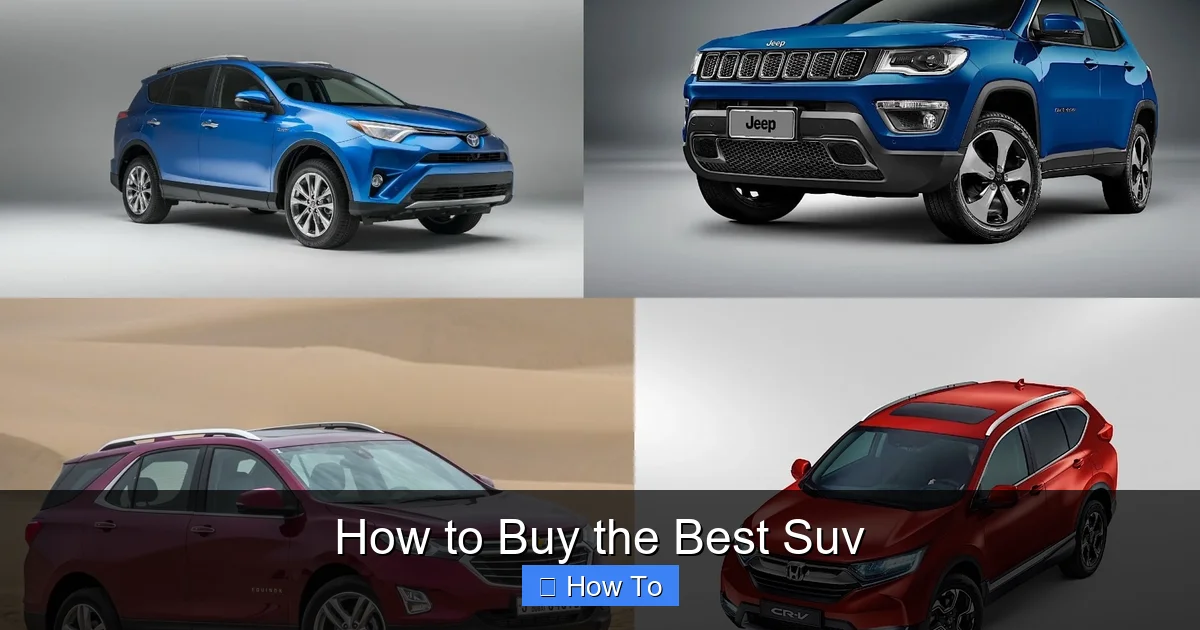
Buying the best SUV doesn’t have to be overwhelming. This guide walks you through every step—from setting a budget to test driving—so you can make a smart, informed decision. Find the perfect SUV for your lifestyle, safety needs, and budget.
Key Takeaways
- Define your needs first: Consider passenger space, cargo room, towing capacity, and driving conditions to narrow your options.
- Set a realistic budget: Include not just the purchase price but also insurance, fuel, maintenance, and potential financing costs.
- Research reliability and safety: Use trusted sources like IIHS, NHTSA, and Consumer Reports to compare crash test ratings and long-term dependability.
- Test drive multiple models: Experience how each SUV handles, feels, and fits your daily routine before deciding.
- Compare new vs. used: New SUVs offer latest tech and warranties; certified pre-owned (CPO) models provide value with peace of mind.
- Negotiate confidently: Know the invoice price, current incentives, and market demand to get the best deal.
- Review ownership costs: Factor in fuel economy, maintenance schedules, and resale value to avoid surprises down the road.
How to Buy the Best SUV: A Step-by-Step Guide
So you’re ready to buy an SUV—congratulations! Whether you’re upgrading from a sedan, starting a family, or just craving more space and versatility, choosing the right SUV can make a huge difference in your daily life. But with so many options on the market, it’s easy to feel overwhelmed.
Don’t worry. This guide will walk you through every step of the process, from figuring out what you really need to driving off the lot in your perfect ride. By the end, you’ll know exactly how to buy the best SUV for your lifestyle, budget, and long-term goals.
Let’s get started.
Step 1: Define Your Needs and Priorities
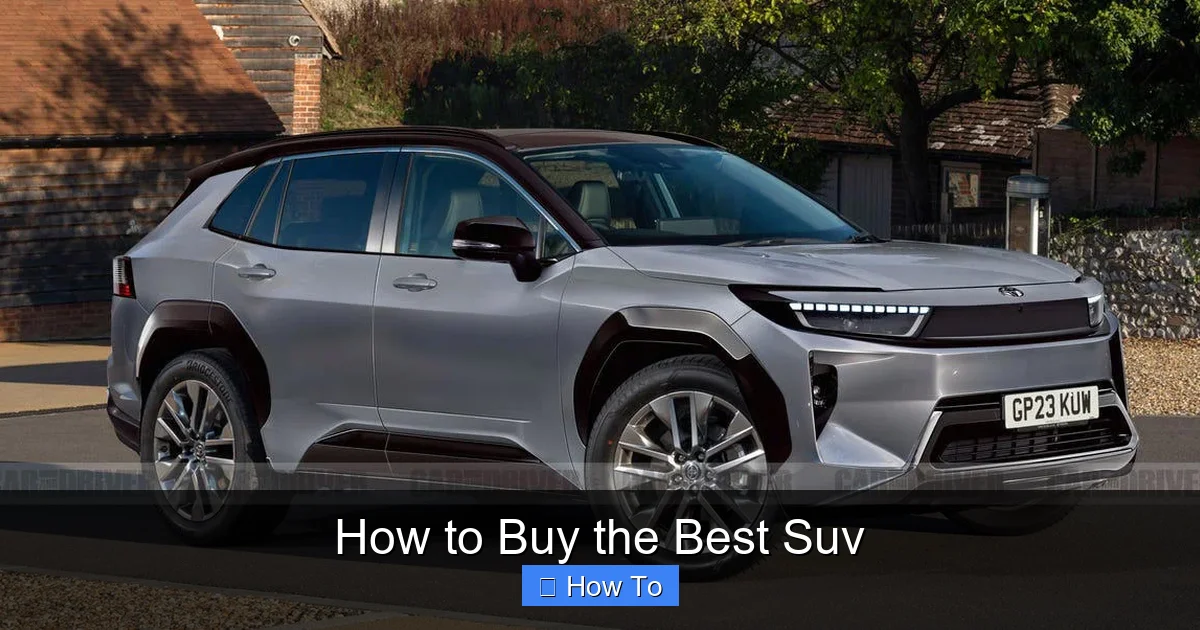
Visual guide about How to Buy the Best Suv
Image source: img-s-msn-com.akamaized.net
Before you even look at a single vehicle, take a moment to think about how you’ll actually use your SUV. This step is crucial—it helps you avoid buying something too big, too small, or loaded with features you’ll never use.
Ask Yourself These Questions
- How many passengers do you regularly carry? If you have a growing family or frequently carpool, a three-row SUV like the Honda Pilot or Toyota Highlander might be ideal. For couples or singles, a compact SUV such as the Mazda CX-5 or Subaru Forester could be plenty.
- Do you need serious cargo space? Weekend campers, dog owners, or frequent road trippers should prioritize cargo volume. Check rear seat legroom and trunk space with the seats up and down.
- Will you tow a trailer, boat, or camper? Not all SUVs are built for towing. If you plan to haul, look for models with high towing capacities—like the Ford Explorer (up to 5,600 lbs) or the Jeep Grand Cherokee (up to 7,200 lbs).
- Do you drive off-road or in harsh weather? If you live in snowy areas or enjoy outdoor adventures, all-wheel drive (AWD) or four-wheel drive (4WD) is a must. Brands like Subaru, Jeep, and Land Rover excel in this category.
- How important is fuel efficiency? Larger SUVs tend to guzzle more gas. If you commute long distances or want to save at the pump, consider a hybrid SUV like the Toyota RAV4 Hybrid or Ford Escape Hybrid.
Make a “Must-Have” vs. “Nice-to-Have” List
Write down your non-negotiables—things like AWD, third-row seating, or advanced safety features. Then list extras you’d love but can live without, such as a panoramic sunroof or premium sound system. This helps you stay focused during your search.
Step 2: Set a Realistic Budget
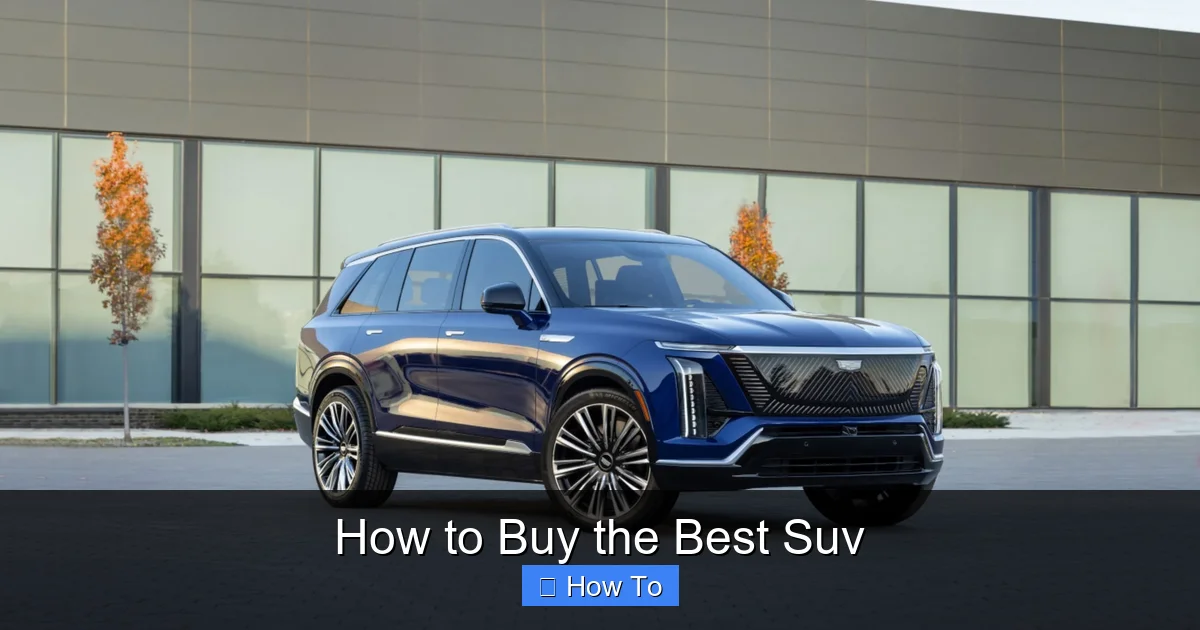
Visual guide about How to Buy the Best Suv
Image source: s1.cdn.autoevolution.com
It’s easy to fall in love with a loaded SUV that’s way over your price range. That’s why setting a budget upfront is one of the smartest moves you can make.
Determine Your Total Budget
Start by deciding how much you can comfortably afford to spend—not just on the purchase price, but on all related costs. A good rule of thumb is that your total car expenses (loan payment, insurance, fuel, maintenance) shouldn’t exceed 15–20% of your monthly take-home pay.
Factor in All Costs
- Purchase price: This is the sticker price or negotiated amount.
- Down payment: Aim for at least 10–20% to reduce monthly payments and avoid being “upside down” on your loan.
- Financing: Shop around for auto loans from banks, credit unions, or online lenders before visiting the dealership. Pre-approval gives you negotiating power.
- Insurance: SUVs, especially larger or luxury models, often cost more to insure. Get quotes for your top choices.
- Fuel: Compare EPA-estimated MPG ratings. A difference of just 3–5 MPG can save you hundreds over a year.
- Maintenance and repairs: Some brands are more expensive to service. Check average repair costs on sites like RepairPal.
- Depreciation: New SUVs lose value fast—often 20% in the first year. Consider how long you plan to keep the vehicle.
New vs. Used: Which Is Right for You?
- New SUVs: Come with the latest tech, full warranties, and no prior wear and tear. Ideal if you want peace of mind and cutting-edge features.
- Used SUVs: Offer significant savings—often 20–40% less than new. Certified pre-owned (CPO) models include inspections, warranties, and roadside assistance.
- Leasing: Lower monthly payments and the chance to drive a new SUV every few years. But you don’t own it, and mileage limits apply.
Pro tip: Use online tools like Kelley Blue Book (KBB), Edmunds, or TrueCar to see fair market prices in your area.
Step 3: Research Models and Compare Options
Now that you know what you need and how much you can spend, it’s time to dig into the details.
Use Trusted Review Sources
Don’t rely solely on dealership brochures or flashy ads. Instead, consult independent review sites like:
- Consumer Reports: Offers reliability ratings based on owner surveys.
- IIHS (Insurance Institute for Highway Safety): Provides detailed crash test results.
- NHTSA (National Highway Traffic Safety Administration): Rates vehicles on a 5-star safety scale.
- Edmunds and Car and Driver: Deliver expert reviews, pros/cons, and real-world driving impressions.
Compare Key Features
Create a comparison chart for your top 3–5 SUVs. Include:
- Engine options and horsepower
- Fuel economy (city/highway)
- Cargo space (behind 2nd and 3rd rows)
- Standard and available safety features (e.g., automatic emergency braking, blind-spot monitoring)
- Infotainment system (Apple CarPlay, Android Auto, touchscreen size)
- Warranty coverage (bumper-to-bumper, powertrain, roadside assistance)
Check Reliability and Owner Satisfaction
A shiny SUV is no good if it spends more time in the shop than on the road. Look for models with high reliability scores and positive owner feedback. Brands like Toyota, Honda, and Subaru consistently rank well for long-term dependability.
Step 4: Take a Test Drive
Reading reviews is helpful, but nothing beats getting behind the wheel. A test drive lets you experience how an SUV truly feels—and whether it fits your lifestyle.
Schedule Multiple Test Drives
Visit dealerships or private sellers to test drive your top contenders. Try to drive each one on similar routes—city streets, highways, and maybe even a bumpy road if you plan to go off-grid.
What to Pay Attention To
- Comfort: Are the seats supportive? Is there enough headroom and legroom for all passengers?
- Visibility: Can you see clearly out of all windows and mirrors? Large blind spots can be dangerous.
- Handling: Does the SUV feel stable at high speeds? Is steering responsive?
- Noise levels: Listen for wind, road, or engine noise. A quiet cabin makes long drives more enjoyable.
- Technology: Test the infotainment system. Is it intuitive? Does voice command work well?
- Parking and maneuverability: Try parallel parking or navigating tight spaces. Some SUVs have tight turning circles; others feel bulky.
Bring a Checklist
Print or save a test drive checklist on your phone. Note pros and cons for each vehicle. You might even bring a friend or family member for a second opinion.
Step 5: Evaluate Ownership Costs
The purchase price is just the beginning. Smart buyers look at the total cost of ownership over 5–7 years.
Calculate Long-Term Expenses
Use online calculators from Edmunds or KBB to estimate:
- Depreciation
- Fuel costs
- Insurance premiums
- Maintenance and repairs
- Financing interest
For example, a $40,000 SUV might cost $60,000+ over five years when you add everything up.
Consider Resale Value
Some SUVs hold their value better than others. Toyota, Honda, and Subaru models typically have strong resale values. This matters if you plan to sell or trade in later.
Check Warranty and Service Plans
A good warranty can save you thousands. Compare coverage terms—most new SUVs offer 3-year/36,000-mile bumper-to-bumper and 5-year/60,000-mile powertrain warranties. Some brands, like Hyundai and Kia, offer longer coverage.
Step 6: Negotiate the Best Deal
You’ve done your homework—now it’s time to get the best price.
Know the Market Value
Use KBB or Edmunds to find the invoice price (what the dealer paid) and the fair purchase price in your area. This gives you leverage.
Time Your Purchase
Dealers are often more willing to negotiate at the end of the month, quarter, or year when they’re trying to meet sales targets. Holiday weekends and new model year arrivals (late summer/fall) can also bring deals.
Be Prepared to Walk Away
If the dealer won’t meet your price, don’t be afraid to leave. There are plenty of other SUVs—and other dealers.
Watch Out for Add-Ons
Dealers may try to sell you extended warranties, paint protection, or VIN etching. Ask if these are necessary and negotiate them separately—or decline.
Step 7: Finalize the Purchase
Once you’ve agreed on a price, it’s time to close the deal.
Review the Contract Carefully
Make sure the final price, trade-in value (if applicable), and financing terms match what you agreed on. Don’t sign anything until you understand every line.
Consider a Pre-Purchase Inspection (for Used SUVs)
Even if it’s certified pre-owned, have an independent mechanic inspect the vehicle. It could uncover hidden issues.
Transfer Insurance and Registration
Contact your insurance company to add the new SUV to your policy. The dealer will usually handle registration, but confirm all paperwork is complete.
Troubleshooting Common Buying Mistakes
Even experienced buyers can slip up. Here’s how to avoid common pitfalls:
Buying Based on Looks Alone
A sleek design is nice, but don’t let style override practicality. Focus on function first.
Ignoring Total Cost of Ownership
That “affordable” SUV might cost more in the long run due to poor fuel economy or expensive repairs.
Skipping the Test Drive
You wouldn’t buy shoes without trying them on. Don’t buy an SUV without driving it.
Falling for High-Pressure Sales Tactics
If a dealer pushes you to decide on the spot, walk away. Take your time.
Not Researching Incentives
Manufacturers often offer cash rebates, low APR financing, or lease deals. Check the brand’s website before buying.
Conclusion
Buying the best SUV doesn’t have to be stressful. By following these steps—defining your needs, setting a budget, researching models, test driving, evaluating costs, negotiating smartly, and finalizing the purchase—you’ll be well-equipped to make a confident, informed decision.
Remember, the “best” SUV isn’t the most expensive or the flashiest—it’s the one that fits your life, your budget, and your future plans. Take your time, do your homework, and trust your instincts.
With the right approach, you’ll drive away not just with a great vehicle, but with peace of mind knowing you made the right choice.