
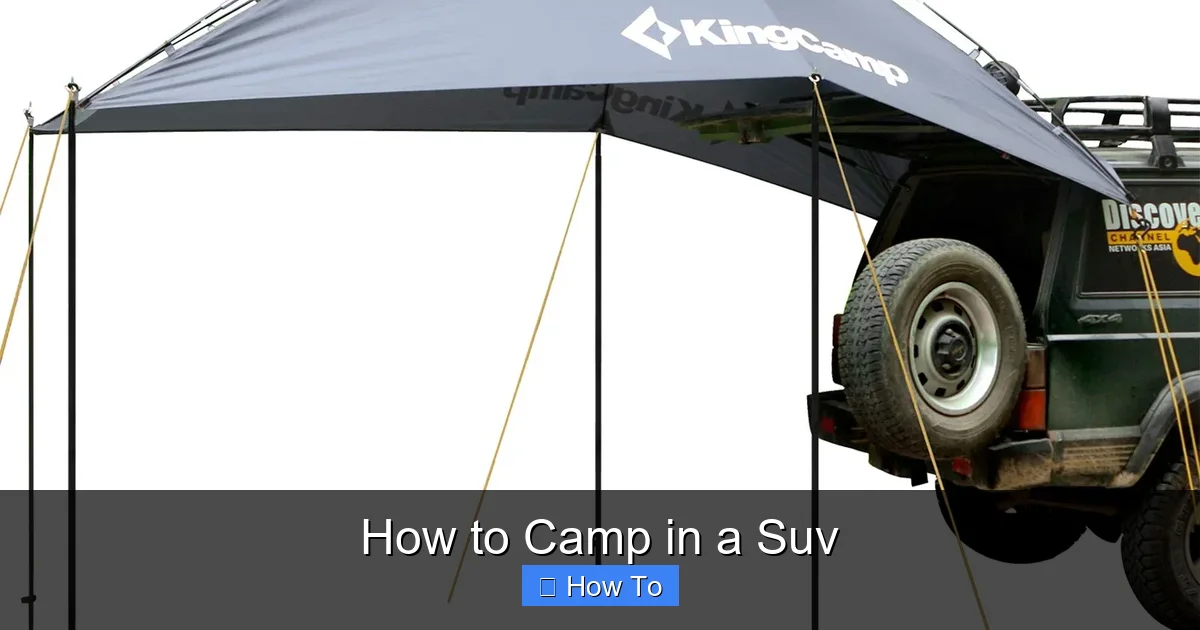
Learn how to camp in a SUV like a pro with this complete guide. From choosing the right vehicle to setting up a cozy sleeping space, we cover everything you need for a safe, comfortable, and fun car camping trip—no tent required.
Key Takeaways
- Choose the right SUV: Opt for models with fold-flat seats or ample cargo space to maximize sleeping and storage areas.
- Create a flat sleeping platform: Use plywood, foam boards, or inflatable mattresses to build a comfortable bed base in the back of your SUV.
- Pack smart with modular gear: Use storage bins, collapsible containers, and multi-use items to save space and stay organized.
- Prioritize ventilation and safety: Crack windows slightly and use battery-powered fans or window vents to prevent condensation and ensure airflow.
- Use window covers for privacy and insulation: Reflective sunshades or custom-cut foam boards help block light, retain heat, and keep prying eyes out.
- Plan your power needs: Bring a portable power station or car inverter to charge devices without draining your vehicle’s battery.
- Practice before you go: Set up your SUV campsite at home first to troubleshoot issues and refine your layout.
How to Camp in a SUV: A Complete Guide for Comfortable Car Camping
Imagine waking up to the sound of birds chirping, the crisp morning air drifting through your cracked window, and the sun peeking over the treetops—all from the comfort of your SUV. No tent to pitch, no stakes to hammer, just you, your vehicle, and nature. Camping in a SUV is an increasingly popular way to enjoy the outdoors with more convenience and comfort than traditional tent camping. Whether you’re a weekend warrior, a road trip enthusiast, or someone who just wants a cozy escape, this guide will show you exactly how to camp in a SUV safely, comfortably, and efficiently.
In this comprehensive how-to guide, you’ll learn how to transform your SUV into a fully functional campsite. We’ll walk you through choosing the right vehicle, building a comfortable sleeping area, packing smart, managing power and climate, and staying safe—all while keeping your setup simple and portable. By the end, you’ll be ready to hit the road with confidence, knowing your SUV is your home away from home.
Step 1: Choose the Right SUV for Camping
Not all SUVs are created equal when it comes to camping. The first step in learning how to camp in a SUV is selecting a vehicle that can accommodate your needs. While most SUVs offer more space than sedans or compact cars, some are better suited for overnight stays than others.
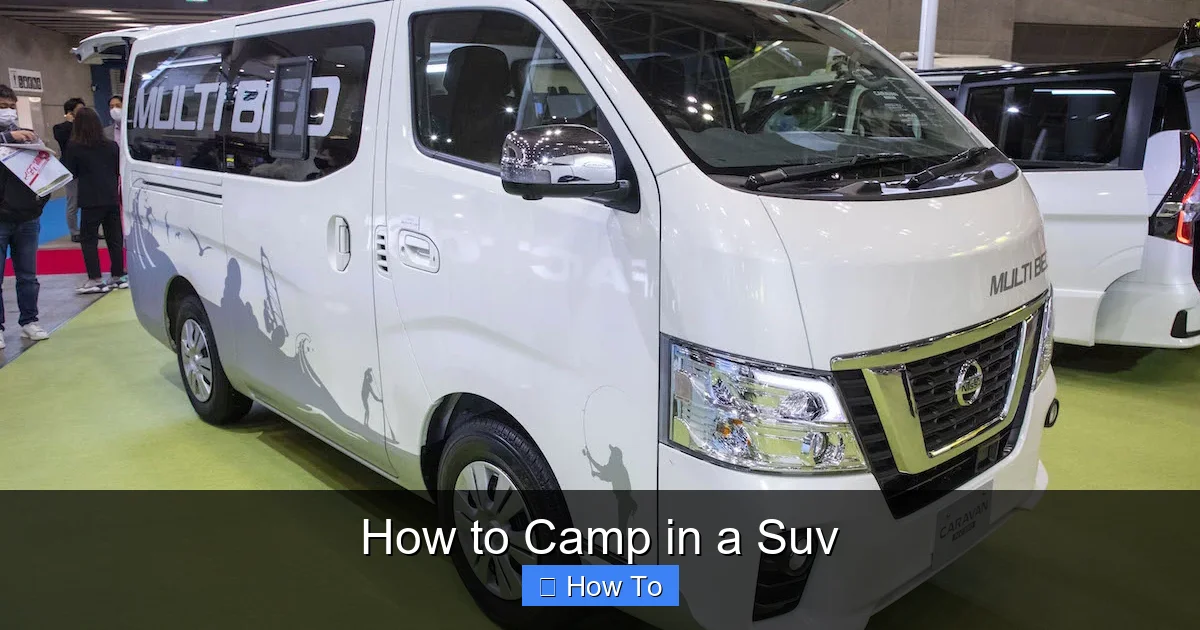
Visual guide about How to Camp in a Suv
Image source: sotolover.com
Look for Fold-Flat Rear Seats
The ideal camping SUV has rear seats that fold completely flat. This creates a level surface for sleeping, which is crucial for comfort. Vehicles like the Honda CR-V, Subaru Outback, Toyota RAV4, and Ford Explorer often have this feature. Check your owner’s manual or test it out before your trip—some seats fold in a 60/40 split, which may leave a small gap in the middle.
Consider Cargo Space and Height
More cargo space means more room for gear, food, and a larger sleeping area. SUVs with higher rooflines, such as the Jeep Grand Cherokee or Chevrolet Tahoe, give you extra headroom and make it easier to sit up inside. If you plan to cook or change clothes in the vehicle, vertical space is a big plus.
Check Ground Clearance and 4WD
If you’re heading off the beaten path, opt for an SUV with good ground clearance and optional four-wheel drive. This allows you to access remote campsites, forest service roads, or beach areas that might be off-limits to lower vehicles. Just remember: even with 4WD, always check road conditions and local regulations before driving on unpaved trails.
Test Drive with Gear
Before committing to a camping trip, load your SUV with typical gear—sleeping bags, coolers, backpacks, and a portable stove—and see how it all fits. This real-world test helps you identify space challenges and plan your layout accordingly.
Step 2: Build a Comfortable Sleeping Platform
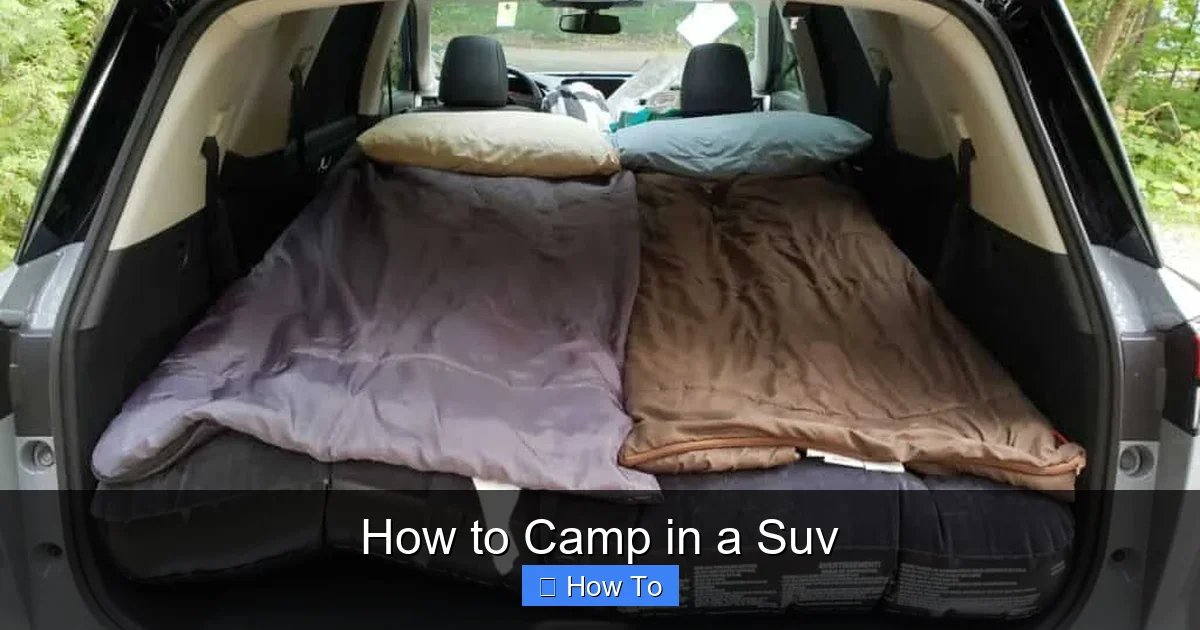
One of the biggest challenges of camping in a SUV is creating a flat, comfortable sleeping surface. Most SUVs have a stepped floor or uneven cargo area, so a little DIY ingenuity goes a long way.
Visual guide about How to Camp in a Suv
Image source: roadtripper.ca
Use a Platform System
The most effective solution is building a raised platform over the wheel wells. This creates a flat surface across the entire cargo area. You can use:
- Plywood sheets: Cut to size and supported by 2x4s or foam blocks. Lightweight and sturdy, but can be bulky.
- Foam insulation boards: Easy to cut and lightweight. Stack two layers for added support.
- Collapsible camping platforms: Pre-made options like the Sleepy Ride or Car Camping Bed Platform are designed specifically for SUVs and fold for storage.
Add a Quality Mattress
Even the best platform won’t help if your mattress is thin or lumpy. Invest in a high-density foam mattress topper (4–6 inches thick) or an inflatable air mattress designed for car camping. Look for models with built-in pumps and non-slip bottoms to prevent shifting during the night.
Test Your Setup at Home
Don’t wait until you’re at the campsite to discover your platform is too short or your mattress deflates. Set up your sleeping area in your driveway or garage a few days before your trip. Lie down, roll over, and make sure everything feels stable and comfortable.
Step 3: Organize Your Gear for Maximum Space
Space is at a premium when camping in a SUV, so smart organization is key. The goal is to keep essentials accessible while minimizing clutter.
Use Modular Storage Bins
Clear, stackable plastic bins are your best friend. Label them by category: “Cooking,” “Clothing,” “Toiletries,” etc. This makes it easy to find what you need without unpacking everything. Choose bins that fit snugly between the wheel wells or under your sleeping platform.
Pack Multi-Functional Items
Every item should earn its space. Bring gear that serves multiple purposes:
- A camping chair that doubles as a footrest or side table.
- A cooler that can also be used as a seat or storage box.
- A headlamp instead of a bulky lantern (saves space and hands-free lighting).
Utilize Vertical Space
Install mesh organizers on the back of front seats for small items like snacks, maps, or chargers. Use bungee cords or cargo nets to secure loose items on the roof or sides of the cargo area. Just avoid blocking your rearview mirror or side windows.
Keep a “Day Pack” Handy
Pack a small backpack with essentials you’ll need during the day: water, sunscreen, first aid kit, and a change of clothes. This prevents you from rummaging through your main gear every time you leave the vehicle.
Step 4: Manage Climate and Ventilation
Sleeping in a metal box can get hot, cold, or stuffy fast. Proper climate control is essential for comfort and safety.
Crack the Windows
Even in cold weather, leave at least one window slightly open to allow airflow. This prevents condensation buildup, which can lead to mold and damp gear. Use window deflectors or rain guards if you’re worried about rain.
Use Battery-Powered Fans
A small USB or battery-operated fan can circulate air and make a big difference on warm nights. Clip it to a headrest or place it near your feet. Some models even have built-in LED lights.
Insulate with Window Covers
Reflective sunshades or custom-cut foam board inserts help regulate temperature. In summer, they block heat from the sun. In winter, they reduce heat loss. You can buy pre-cut covers or make your own using Reflectix insulation and Velcro strips.
Consider a Portable Heater (With Caution)
If you’re camping in freezing temperatures, a catalytic propane heater (like the Mr. Heater Buddy) can provide warmth—but only use it outside the vehicle or with proper ventilation and carbon monoxide detection. Never sleep with an open flame or unvented heater running inside your SUV.
Step 5: Power Your Devices Safely
Staying connected doesn’t mean sacrificing comfort. With the right setup, you can charge your phone, run a small fridge, or power a fan without draining your car battery.
Use a Portable Power Station
A lithium-ion power station (like the Jackery or EcoFlow models) is the safest and most efficient way to power devices. Charge it at home or via your car’s 12V outlet while driving. Most can run a mini-fridge for 8–12 hours or charge a phone 10+ times.
Avoid Overloading the Car Battery
Running high-wattage devices (like microwaves or hair dryers) directly from your car’s outlet can drain the battery and leave you stranded. Stick to low-power items: phones, tablets, LED lights, and small fans.
Install a Dual Battery System (Optional)
For extended trips, consider installing a secondary deep-cycle battery dedicated to camping gear. This keeps your main battery charged for starting the engine. Consult a professional if you’re not experienced with car electrical systems.
Step 6: Ensure Privacy and Security
Your SUV is your shelter, so keeping it private and secure is crucial—especially in busy campgrounds or urban areas.
Use Window Covers
As mentioned earlier, reflective covers or blackout curtains block light and prevent people from seeing inside. They also help with insulation. For a DIY solution, use black garbage bags or fabric panels secured with suction cups or magnets.
Lock Your Vehicle
Always lock your doors when you leave the vehicle, even for short breaks. Use a steering wheel lock or gearshift lock for added security in high-risk areas.
Park Strategically
Choose campsites with good visibility and minimal foot traffic. Avoid parking in isolated areas unless you’re confident in the safety of the location. Use apps like The Dyrt or iOverlander to find well-reviewed, secure spots.
Step 7: Practice and Troubleshoot Before You Go
The best way to ensure a smooth trip is to test your setup at home. This helps you identify problems and refine your system.
Do a Trial Run
Spend a night in your SUV in your driveway or backyard. Test your sleeping platform, check for drafts, and see how your gear holds up. This is also a great way to involve family members and get feedback.
Common Issues and Fixes
- Problem: Platform sags in the middle.
Solution: Add support beams or use thicker materials. - Problem: Condensation on windows.
Solution: Increase ventilation or use moisture absorbers like silica gel packs. - Problem: Gear shifts during sleep.
Solution: Use non-slip mats under your mattress and secure bins with straps. - Problem: Not enough headroom to sit up.
Solution: Remove the front seats (if removable) or choose a campsite where you can sit outside during the day.
Conclusion
Learning how to camp in a SUV opens up a world of adventure with less hassle and more comfort. With the right vehicle, a well-designed sleeping platform, smart packing, and attention to climate and safety, your SUV can become the ultimate mobile campsite. Whether you’re exploring national parks, sleeping under the stars in the desert, or enjoying a quiet night by a lake, car camping offers flexibility and freedom that traditional camping can’t match.
Remember, the key to success is preparation. Test your setup, pack efficiently, and always prioritize safety. Before long, you’ll be a seasoned SUV camper, ready to hit the road at a moment’s notice. So pack your bags, charge your power station, and get ready to experience the great outdoors—your way.