
Camping in an SUV is a smart, affordable way to enjoy the outdoors without a tent or RV. This guide walks you through choosing the right vehicle, setting up your sleeping space, packing essentials, and staying safe—so you can rest easy under the stars.
Key Takeaways
- Choose the right SUV: Look for fold-flat seats, ample cargo space, and a rear hatch that opens wide for easy access.
- Create a flat sleeping platform: Use plywood, foam boards, or modular platforms to level your bed and maximize comfort.
- Invest in quality sleep gear: A thick sleeping pad, warm sleeping bag, and supportive pillow make all the difference.
- Pack smart and stay organized: Use storage bins, under-seat drawers, and hanging organizers to keep gear tidy and accessible.
- Prioritize ventilation and privacy: Crack windows slightly and use window covers to stay cool and discreet.
- Stay safe and legal: Park in designated areas, avoid private property, and follow local camping rules.
- Test your setup before you go: Practice at home to ensure everything fits and works before hitting the road.
How to Camp in an SUV: A Complete Guide
Camping in an SUV is one of the most convenient and budget-friendly ways to explore the great outdoors. Whether you’re road-tripping across national parks, escaping for a weekend in the woods, or simply want a cozy place to sleep under the stars, your SUV can double as a comfortable mobile campsite. No tent required—just your vehicle, some smart gear, and a little preparation.
In this guide, you’ll learn everything you need to know about how to camp in an SUV. From choosing the right vehicle to setting up a cozy sleeping space, packing essentials, and staying safe, we’ve got you covered. By the end, you’ll be ready to park, relax, and enjoy a restful night—no matter where your adventure takes you.
Step 1: Choose the Right SUV for Camping
Not all SUVs are created equal when it comes to camping. Some models offer more space, better seat configurations, and easier access—making them ideal for overnight stays. Here’s what to look for:
Fold-Flat Rear Seats
The most important feature for SUV camping is rear seats that fold completely flat. This creates a level surface for sleeping. Many modern SUVs have 60/40 or 40/20/40 split-folding rear seats, which allow you to customize your space. Test this at the dealership or in your own vehicle—can you lie down comfortably from the back of the front seats to the rear hatch?
Cargo Space and Floor Length
Measure the cargo area from the back of the front seats to the rear door when the seats are folded. Ideally, you want at least 6 feet of length to stretch out fully. If you’re shorter, you may have more flexibility, but taller campers should prioritize longer floor space.
Wide Rear Hatch Opening
A wide-opening rear hatch makes it easier to get in and out, especially in the middle of the night. It also improves airflow and gives you a better view of the outdoors. SUVs with power liftgates or hands-free access are a bonus.
Optional Upgrades
Some SUVs come with built-in camping features like:
– Roof rails for attaching a cargo box or awning
– 12V power outlets in the cargo area
– Under-floor storage compartments
– Integrated cargo management systems
Popular SUVs for camping include the Subaru Outback, Toyota RAV4, Honda CR-V, Ford Explorer, and Jeep Grand Cherokee. Even compact SUVs can work with the right setup.
Step 2: Build a Comfortable Sleeping Platform
A flat, level sleeping surface is key to a good night’s rest. Most SUV floors aren’t perfectly flat due to wheel wells, seat rails, or contours. Here’s how to create a solid platform:
Option 1: DIY Plywood Platform
Cut a piece of ½-inch plywood to fit the cargo area, avoiding wheel wells. Use a jigsaw for curved cuts. Sand the edges to prevent splinters. You can paint or seal the wood for durability. For extra comfort, add a layer of foam board insulation or a thin mattress topper on top.
Option 2: Modular Foam Boards
Use interlocking foam floor tiles (like those used in gyms or playrooms). They’re lightweight, easy to cut, and provide cushioning. Stack two layers for better support. These are great for renters or those who don’t want permanent modifications.
Option 3: Pre-Made Platforms
Companies like CargoGlide, BedSlide, and SUV-specific brands sell custom platforms designed for popular models. These often include drawers, tie-downs, and fold-out extensions. While more expensive, they offer convenience and durability.
Leveling the Surface
If your SUV has a sloped floor, use foam wedges or small wooden shims under the platform to level it. A slight incline can cause discomfort or even sliding during sleep.
Securing the Platform
Use cargo straps, bungee cords, or non-slip mats to keep the platform from shifting while driving. Never leave loose items in the cargo area—they can become dangerous projectiles in a sudden stop.
Step 3: Choose the Right Sleep Gear
Your sleep system is just as important as your platform. Invest in gear that keeps you warm, dry, and comfortable.
Sleeping Pad or Mattress
A thick sleeping pad (at least 2 inches) is essential for insulation and cushioning. Options include:
– Self-inflating pads (like Therm-a-Rest)
– Foam pads (lightweight and durable)
– Inflatable mattresses (more comfortable but prone to leaks)
For maximum comfort, consider a small portable air mattress designed for cars. Some even have built-in pumps.
Sleeping Bag
Choose a bag rated for the expected temperature. A 3-season bag (good down to 20–30°F) works for most conditions. Down bags are lighter and more compressible, while synthetic bags perform better when wet.
Pillow
Don’t skip the pillow! Use a compact camping pillow, a rolled-up jacket, or a small inflatable pillow. Neck support makes a big difference.
Blankets and Liners
Bring an extra blanket or a sleeping bag liner for added warmth. Fleece or wool blankets are cozy and breathable.
Eye Mask and Earplugs
Light and noise can disrupt sleep. An eye mask blocks out early morning sun, and earplugs help with road noise or nearby campers.
Step 4: Organize Your Gear
Clutter can turn a peaceful campsite into a stressful mess. Stay organized with smart storage solutions.
Use Storage Bins and Drawers
Clear plastic bins help you see what’s inside and protect gear from moisture. Label them for quick access. Under-seat storage drawers are great for small items like flashlights, snacks, or first-aid kits.
Maximize Vertical Space
Install a cargo net or hanging organizer on the back of the front seats. Use it for shoes, clothes, or toiletries. Roof racks or cargo boxes can hold bulky items like coolers or camping chairs.
Keep Essentials Within Reach
Store frequently used items—water, snacks, phone charger, headlamp—in the front seat or a small backpack by your bed. Avoid rummaging through bins in the middle of the night.
Pack for the Weather
Bring layers for cold nights and breathable fabrics for warm weather. A lightweight tarp or emergency blanket can be a lifesaver in sudden rain or wind.
Step 5: Ensure Ventilation and Privacy
Staying cool and feeling secure are crucial for comfort and safety.
Crack the Windows
Even in cold weather, leave a small gap in at least two windows (preferably on opposite sides) for airflow. This prevents condensation and keeps the air fresh. Use window deflectors or rain guards to protect against light rain.
Use Window Covers
Reflective sunshades or custom-fit window covers block light and provide privacy. You can buy pre-made covers or make your own with Reflectix insulation and Velcro. Blackout curtains or tension rods with fabric also work.
Park Strategically
Face your SUV away from direct sunlight to reduce heat buildup. Park near trees or natural windbreaks for shade and airflow. Avoid low-lying areas where cold air settles.
Step 6: Stay Safe and Legal
Camping in an SUV is generally safe, but it’s important to follow the rules and use common sense.
Know Where You Can Park
Overnight parking is allowed in many national forests, BLM (Bureau of Land Management) lands, and some rest areas. Apps like iOverlander, FreeRoam, or The Dyrt can help you find legal spots. Avoid private property, gated communities, or areas with “No Overnight Parking” signs.
Be Discreet
Avoid drawing attention. Don’t leave gear outside, play loud music, or have bright lights on at night. Use a low-profile setup and leave no trace.
Secure Your Vehicle
Lock all doors and keep valuables out of sight. Consider a steering wheel lock or dash cam for added security. Park in well-lit areas when possible.
Prepare for Emergencies
Keep a roadside emergency kit, flashlight, extra water, and a fully charged phone. Let someone know your plans and check in regularly if you’re traveling alone.
Step 7: Test Your Setup Before You Go
Don’t wait until you’re tired and miles from home to discover your platform doesn’t fit or your sleeping bag is too thin.
Practice at Home
Set up your sleeping area in your driveway or garage. Lie down, test the comfort, and make adjustments. Try getting in and out a few times to ensure it’s easy.
Do a Short Overnight Trip
Spend a night in a nearby park or campground to test everything in real conditions. You’ll learn what works and what needs tweaking.
Adjust as Needed
You might need to add more padding, reorganize storage, or upgrade your sleep gear. Every trip is a chance to improve your setup.
Troubleshooting Common Issues
Problem: The platform isn’t level
Solution: Use foam wedges, small wooden blocks, or adjustable leveling feet under the platform. Test with a spirit level.
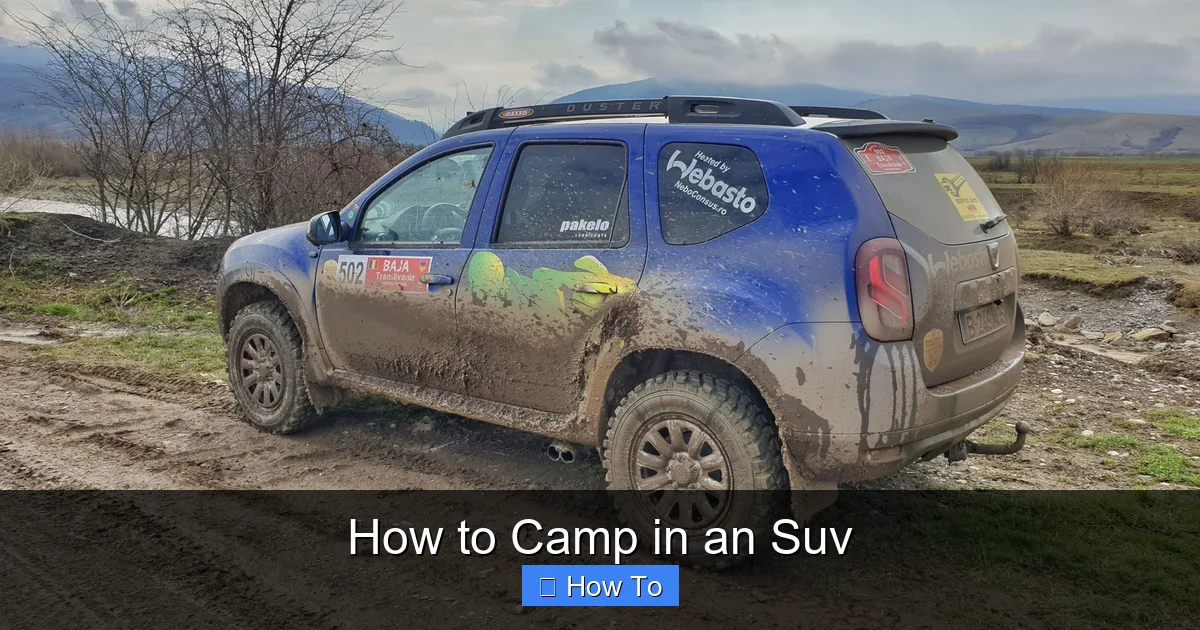
Visual guide about How to Camp in an Suv
Image source: promotor.ro
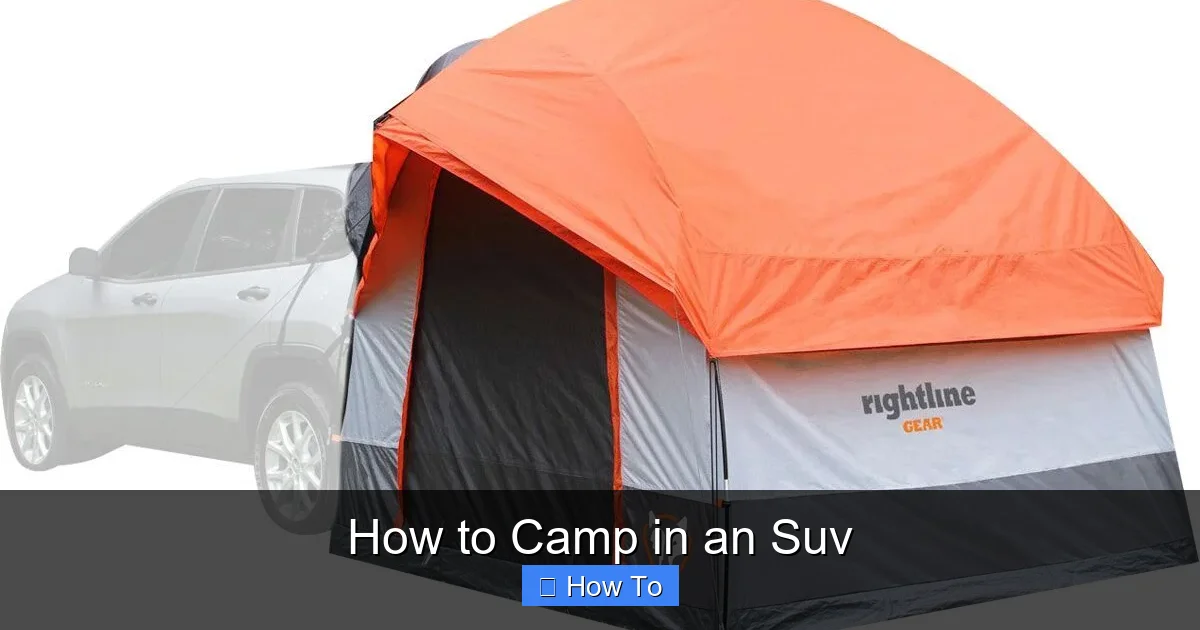
Visual guide about How to Camp in an Suv
Image source: i.pinimg.com
Problem: Condensation builds up inside
Solution: Increase ventilation by cracking more windows or using a small battery-powered fan. Avoid breathing directly onto cold windows.
Problem: Gear shifts while driving
Solution: Secure all items with straps, nets, or non-slip mats. Pack heavier items low and centered.
Problem: Too hot or too cold at night
Solution: Adjust layers, use a sleeping bag liner, or add a portable heater (only if safe and well-ventilated). Never use open flames inside the vehicle.
Problem: Difficulty getting in and out
Solution: Practice the motion. Consider a small step stool or folding ladder if you have mobility issues.
Conclusion
Camping in an SUV is a practical, flexible, and fun way to enjoy the outdoors. With the right setup, you can turn your vehicle into a cozy, mobile bedroom that goes wherever you do. From building a flat sleeping platform to packing smart and staying safe, this guide gives you all the tools you need for a successful adventure.
Remember, the key to great SUV camping is preparation. Test your gear, know your limits, and always respect the environment and local rules. Whether you’re chasing mountain views, forest trails, or desert sunsets, your SUV can be your home away from home.
So pack your bags, hit the road, and sleep under the stars—no tent required.