
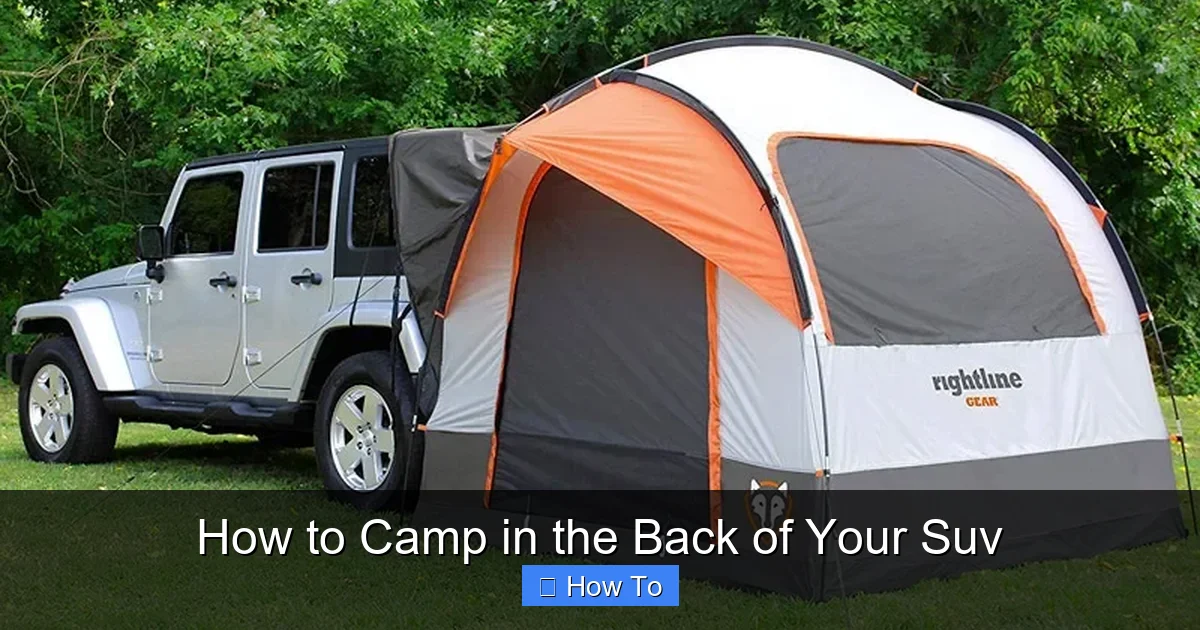
Discover how to camp in the back of your SUV with a step-by-step guide covering setup, comfort, storage, and safety. Perfect for weekend warriors and road trippers, this method turns your vehicle into a cozy, mobile campsite.
Key Takeaways
- Choose the right SUV: Not all SUVs are created equal—opt for models with fold-flat rear seats and ample cargo space like the Subaru Outback, Honda CR-V, or Toyota 4Runner.
- Maximize comfort with a proper sleeping platform: Build or buy a flat, elevated base to support your mattress and keep you off the cold floor.
- Pack smart with organized storage: Use bins, cargo nets, and under-seat compartments to keep gear tidy and accessible.
- Ensure ventilation and privacy: Crack windows slightly and use window covers to stay safe, comfortable, and unseen.
- Stay powered and connected: Bring a portable power station or car inverter to charge devices and run small appliances.
- Practice Leave No Trace principles: Keep your campsite clean, minimize noise, and respect nature and other campers.
- Test your setup before you go: Do a trial run in your driveway to iron out any issues and build confidence.
How to Camp in the Back of Your SUV
Camping in the back of your SUV is one of the most convenient and affordable ways to enjoy the great outdoors. Whether you’re a weekend warrior, a digital nomad, or just someone who loves sleeping under the stars without the hassle of setting up a tent, car camping offers flexibility, comfort, and adventure. You don’t need a fancy RV or a rooftop tent—just your trusty SUV, a few smart upgrades, and a little planning.
In this guide, we’ll walk you through everything you need to know about how to camp in the back of your SUV. From choosing the right vehicle to building a cozy sleeping space, organizing your gear, and staying safe and comfortable, we’ve got you covered. By the end, you’ll be ready to hit the road and turn your SUV into a home away from home.
Step 1: Choose the Right SUV for Car Camping
Not every SUV is ideal for sleeping in the back. The best models have fold-flat rear seats, generous cargo space, and a relatively flat floor when the seats are down. Here’s what to look for:
Flat-Folding Rear Seats
The most important feature is rear seats that fold completely flat. Some SUVs only fold in a 60/40 split, leaving a raised section in the middle. Look for models that offer a nearly level surface when the seats are down. Popular choices include the Subaru Outback, Honda CR-V, Toyota RAV4, Ford Escape, and Jeep Grand Cherokee.
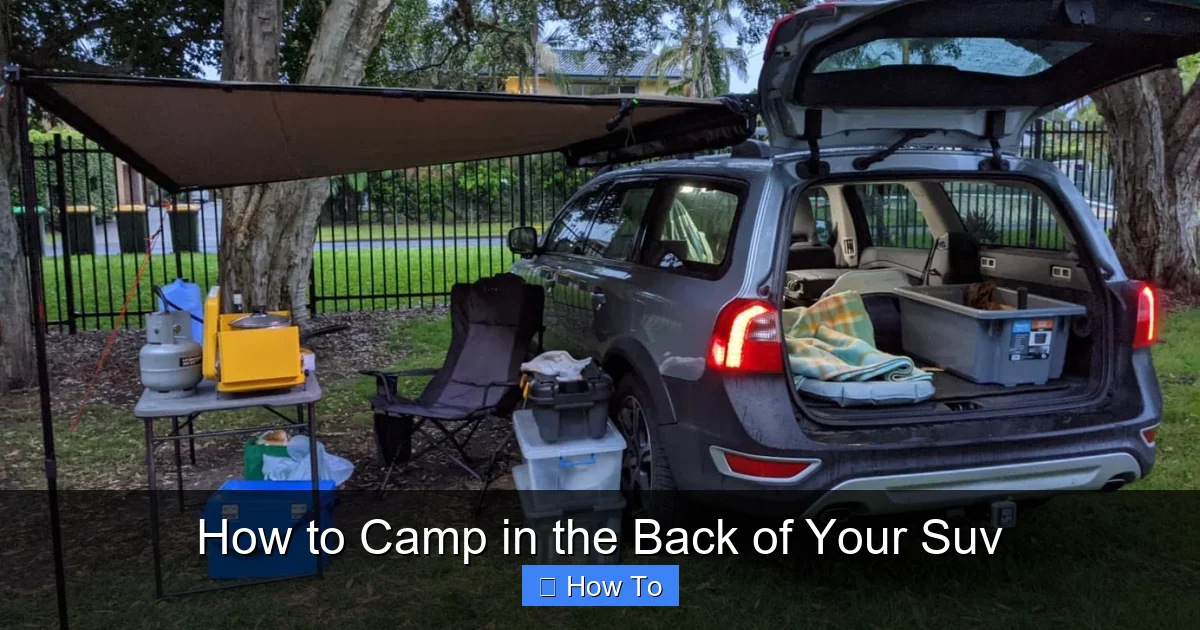
Visual guide about How to Camp in the Back of Your Suv
Image source: dmarge.com
Cargo Space and Floor Length
Measure the cargo area with the rear seats folded. You’ll want at least 6 feet of length to lie down comfortably. If you’re taller than average, consider removing the front passenger seat temporarily (check your vehicle’s manual first) or look into SUVs with longer wheelbases like the Toyota 4Runner or Ford Explorer.
Headroom and Accessibility
Good headroom helps you sit up without hitting the roof. SUVs with higher roofs, like the Subaru Forester or Hyundai Santa Fe, offer more vertical space. Also, consider how easy it is to get in and out—side-hinged tailgates are easier to open at night than top-hinged ones.
Optional Upgrades
Some SUVs come with built-in camping features. For example, the Subaru Outback has a standard roof rack and optional cargo management system. The Toyota 4Runner offers a power rear window that can be lowered for ventilation. These small details can make a big difference.
Step 2: Build a Comfortable Sleeping Platform
A flat, supportive sleeping surface is key to a good night’s sleep. The floor of your SUV is usually curved or has wheel wells that make lying down uncomfortable. A sleeping platform solves this problem.
DIY Platform Options
You can build a simple platform using plywood, foam boards, or even old furniture. Here’s a basic method:
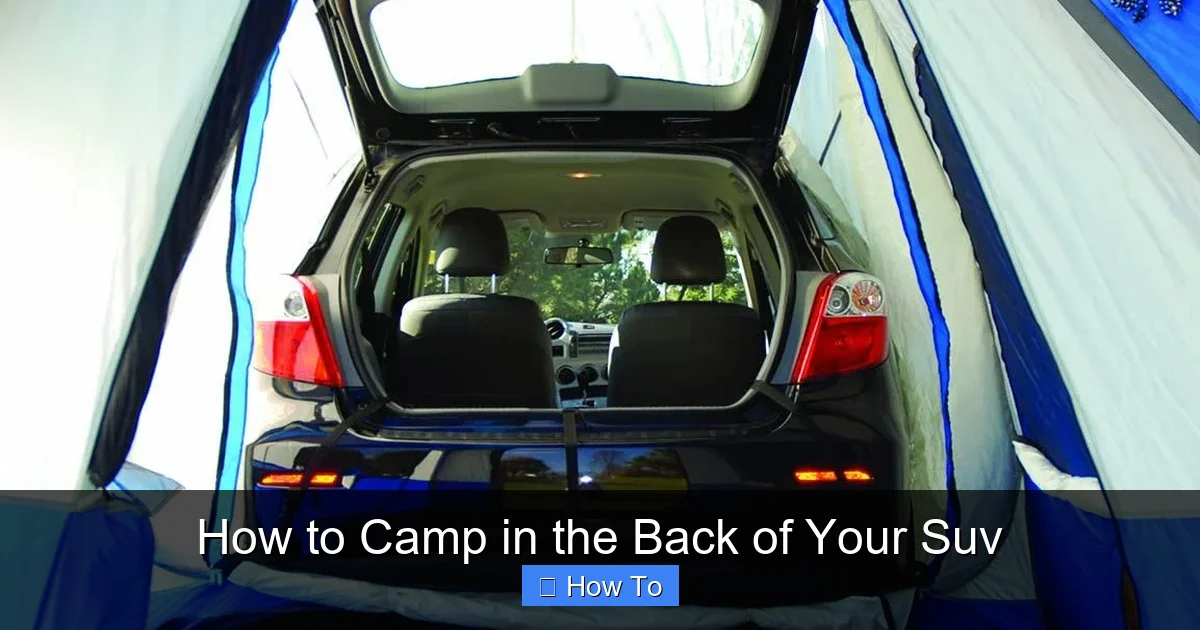
Visual guide about How to Camp in the Back of Your Suv
Image source: doityourselfrv.com
- Measure the cargo area width and length.
- Cut a piece of ½-inch plywood to fit, leaving a small gap around the edges.
- Use foam insulation boards or cinder blocks as legs to elevate the platform slightly above the wheel wells.
- Cover the top with a soft layer like a yoga mat or carpet remnant.
This creates a flat, insulated surface that keeps you off the cold floor and provides support.
Pre-Made Platforms and Kits
If DIY isn’t your thing, consider buying a ready-made platform. Companies like Cabin Fox and Roam Adventure Co. sell custom-fit platforms for popular SUV models. These often include storage drawers underneath and are designed to fold or collapse for easy storage.
Using a Mattress Topper or Air Mattress
Even with a platform, you’ll want cushioning. A high-density foam mattress topper (3–4 inches thick) works well. Avoid air mattresses—they can deflate overnight and are harder to secure. If you do use one, choose a self-inflating model with a non-slip bottom.
Step 3: Organize Your Gear for Maximum Space
Space is limited when camping in an SUV, so smart storage is essential. The goal is to keep everything accessible, secure, and out of the way.
Use Clear Storage Bins
Invest in a few clear, stackable plastic bins. Label them by category: “Cooking,” “Clothing,” “Toiletries,” etc. This makes it easy to find what you need without unpacking everything. Choose bins that fit snugly in the cargo area or under your sleeping platform.
Maximize Vertical Space
Install cargo nets or hanging organizers on the sides of the cargo area. These are great for storing small items like flashlights, snacks, or first-aid kits. Some SUVs have built-in hooks or tie-down points—use them!
Under-Seat and Behind-Seat Storage
Don’t forget the space under the front seats or behind the rear seats. Slim storage drawers or fabric organizers can hold tools, chargers, or extra blankets. If your SUV has removable rear seats, consider taking them out for even more room.
Keep Essentials Within Reach
Store frequently used items—like your headlamp, water bottle, or phone charger—in a small caddy or bag near your head. This way, you won’t have to crawl out of bed in the middle of the night.
Step 4: Ensure Comfort and Climate Control
Sleeping in a metal box can get hot, cold, or stuffy. Here’s how to stay comfortable in any weather.
Ventilation is Key
Always crack a window slightly, even in cold weather. This prevents condensation and keeps the air fresh. Use window deflectors or rain guards to keep rain out while allowing airflow. If you’re worried about bugs, install mesh screens on the windows.
Insulate Against Cold
Metal conducts cold, so insulate your sleeping area. Use a foam sleeping pad underneath your mattress for extra warmth. Bring a warm sleeping bag rated for the expected temperature. Consider a small, battery-powered heated blanket for extra coziness.
Beat the Heat
In summer, your SUV can turn into an oven. Park in the shade whenever possible. Use reflective window covers on all windows to block sunlight. A battery-powered fan can help circulate air. Avoid parking on blacktop, which radiates heat.
Control Light and Noise
Use blackout curtains or custom window covers to block light and maintain privacy. These also help with insulation. For noise, bring earplugs or a white noise machine. If you’re near a busy road, consider parking farther away or using noise-canceling headphones.
Step 5: Power Your Adventures
Even off-grid, you’ll likely want to charge your phone, run a light, or brew coffee. Here’s how to stay powered.
Portable Power Stations
A portable power station (like those from Jackery, EcoFlow, or Anker) is the safest and quietest option. These lithium-ion batteries can power small appliances, charge devices, and even run a mini-fridge. Look for one with at least 500Wh capacity and multiple outlets.
Car Inverters
A 12V to 120V car inverter plugs into your cigarette lighter and lets you use regular outlets. However, they drain your car battery quickly. Only use them when the engine is running, or invest in a dual-battery system.
Solar Panels
Pair your power station with a foldable solar panel for off-grid charging. A 100W panel can recharge a 500Wh battery in 5–6 hours of sunlight. This is ideal for multi-day trips.
LED Lighting
Swap out bright overhead lights for soft LED string lights or a rechargeable lantern. They use less power and create a cozy ambiance. Clip them to the headliner or drape them over your sleeping platform.
Step 6: Maintain Privacy and Security
Sleeping in your car can feel exposed, especially in busy campgrounds or urban areas. Here’s how to stay safe and private.
Use Window Covers
Custom-fit window covers block prying eyes and reduce light. You can buy pre-made ones or make your own with reflective insulation and Velcro. Cover all windows—front, sides, and rear.
Park Smart
Choose your parking spot carefully. Look for designated car camping areas, rest stops, or BLM land. Avoid isolated areas if you’re alone. Use apps like The Dyrt or iOverlander to find safe, legal spots.
Lock Your Doors
Always lock your doors at night. Consider adding a steering wheel lock or alarm system for extra security. Keep valuables out of sight or take them with you.
Blend In
Don’t draw attention to yourself. Avoid loud music, bright lights, or leaving gear outside. If you’re in a busy area, park among other RVs or campers to blend in.
Step 7: Practice Leave No Trace Principles
Respect nature and other campers by following these simple rules.
Pack It In, Pack It Out
Take all trash with you—including food scraps and toilet paper. Use a sealable bag for waste and dispose of it properly.
Minimize Campfire Impact
If you build a fire, use established fire rings. Keep it small and fully extinguish it before leaving. Better yet, use a portable camp stove.
Respect Wildlife
Store food in bear-proof containers or hang it away from your campsite. Never feed animals.
Keep Noise Down
Be mindful of quiet hours. Use headphones for music and keep voices low at night.
Troubleshooting Common Issues
Even with the best planning, things can go wrong. Here’s how to handle common problems.
“I Can’t Lie Flat—There’s a Bump!”
This is usually caused by wheel wells or a non-flat seat fold. Build a platform that spans the wheel wells, or use foam wedges to level the space. Some people remove the rear seats entirely for a flatter floor.
“It’s Too Hot/Cold in Here!”
Adjust your insulation and ventilation. Add more layers in cold weather, or use a fan and sunshades in heat. Consider a portable heater or cooling pad for extreme conditions.
“My Gear Keeps Sliding Around”
Use non-slip mats under bins and gear. Secure items with bungee cords or cargo nets. Store heavy items low and centered to maintain balance.
“I’m Worried About Carbon Monoxide”
Never run a generator or heater inside the vehicle. If using a propane stove, only operate it outside. Install a carbon monoxide detector if you’re using any fuel-burning devices nearby.
“I Can’t Sleep—It’s Too Noisy”
Bring earplugs or a white noise app. Park away from roads or noisy campers. Use thick curtains to dampen sound.
Conclusion
Camping in the back of your SUV is a simple, affordable, and rewarding way to explore the outdoors. With the right setup, you can enjoy the comforts of home while sleeping under the stars. From choosing the right vehicle to building a cozy sleeping platform, organizing your gear, and staying safe and powered, every step brings you closer to the perfect car camping experience.
Remember, the key to success is preparation. Test your setup at home, pack smart, and always respect the environment. Whether you’re heading to a national park, a beachside campground, or just a quiet spot off the beaten path, your SUV can be your gateway to adventure.
So pack your bags, charge your power station, and hit the road. The world is waiting—and your bed is already made.