
Learn how to camp in your SUV with this complete guide covering vehicle prep, sleeping setups, gear storage, and safety tips. Turn your SUV into a cozy campsite for solo trips, road adventures, or family getaways—no RV needed.
Key Takeaways
- Choose the right SUV: Not all SUVs are created equal—opt for models with fold-flat rear seats and ample cargo space for a comfortable sleeping area.
- Maximize sleeping comfort: Use foam mattresses, sleeping pads, or inflatable air beds to create a flat, supportive surface that fits your vehicle’s dimensions.
- Organize gear smartly: Use storage bins, under-seat organizers, and roof racks to keep essentials tidy and accessible without cluttering your sleeping space.
- Ensure ventilation and privacy: Crack windows slightly for airflow and use reflective sunshades or window covers to stay cool and maintain privacy.
- Stay safe and legal: Always park in designated camping areas or rest stops, and avoid boondocking on private land without permission.
- Power your essentials: Use portable power stations or car inverters to charge devices, run small lights, or power a mini-fridge.
- Pack smart, not heavy: Focus on lightweight, multi-use gear to save space and reduce strain on your vehicle’s fuel efficiency.
How to Camp in Your SUV: A Complete Guide
Camping in your SUV is a game-changer for adventurers who want flexibility, affordability, and comfort without the cost of an RV. Whether you’re a weekend warrior, a digital nomad, or a family exploring national parks, turning your SUV into a mobile campsite opens up a world of possibilities. You don’t need expensive modifications or professional gear—just a few smart strategies and the right mindset.
In this guide, you’ll learn exactly how to camp in your SUV—from choosing the best vehicle setup to creating a cozy sleeping space, organizing your gear, staying safe, and maximizing comfort. We’ll walk you through each step with practical tips, real-world examples, and troubleshooting advice so you can hit the road with confidence.
By the end, you’ll know how to transform your SUV into a functional, comfortable, and safe camping haven—perfect for spontaneous road trips, remote adventures, or even urban stealth camping.
Step 1: Choose the Right SUV for Camping
Visual guide about How to Camp in Your Suv
Image source: i.ytimg.com
Not every SUV is ideal for camping. While most modern SUVs offer decent cargo space, some are better suited for sleeping and storage than others. Before you start planning your trip, evaluate your vehicle’s capabilities.
Look for Fold-Flat Rear Seats
The most important feature for SUV camping is rear seats that fold completely flat. This creates a level sleeping platform. SUVs like the Honda CR-V, Toyota RAV4, Subaru Outback, and Ford Escape are popular choices because their rear seats fold down with minimal gaps.
Tip: Test your seat-folding mechanism at home. Lay down on the floor to see if it’s truly flat and long enough for your height.
Check Cargo Space and Floor Length
Measure the length and width of your cargo area with the seats down. Most adults need at least 6 feet of length to sleep comfortably. If your SUV falls short, consider using the front seats as part of your sleeping area (more on that later).
Bonus: Some SUVs have a “camping mode” or built-in flat floor—check your owner’s manual.
Consider Ground Clearance and 4WD
If you plan to camp off-road or in remote areas, higher ground clearance and four-wheel drive (4WD) are essential. SUVs like the Jeep Grand Cherokee, Toyota 4Runner, or Ford Bronco offer better access to rugged terrain.
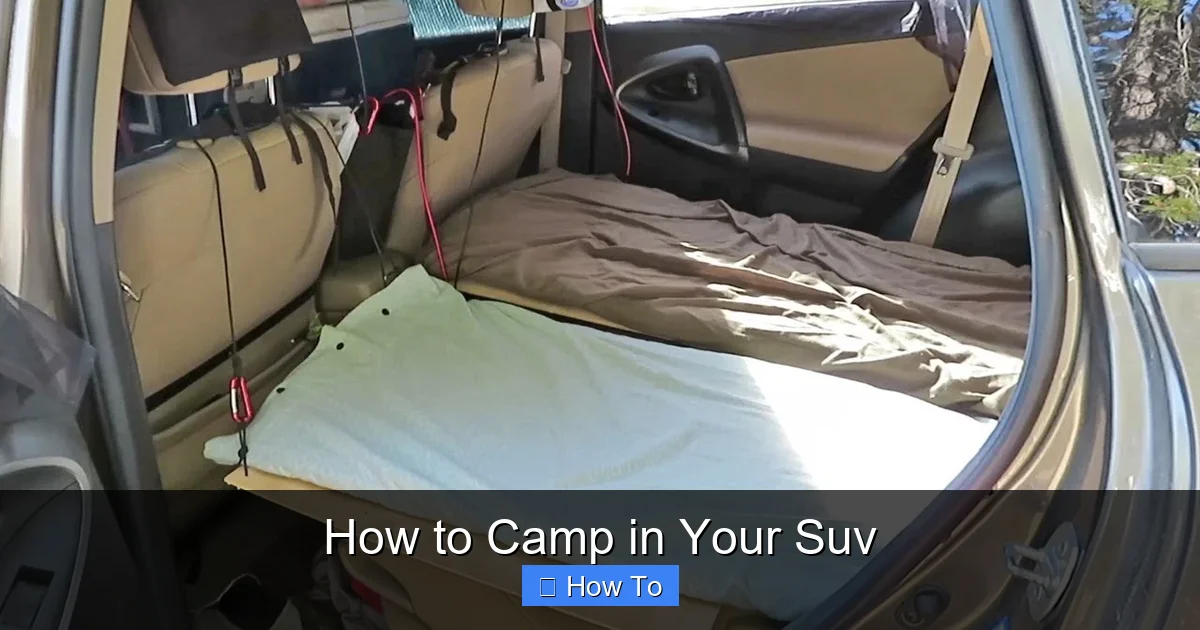
Step 2: Create a Comfortable Sleeping Setup

Visual guide about How to Camp in Your Suv
Image source: sleepingwithair.com
A good night’s sleep is crucial when camping. The key is creating a flat, insulated, and supportive surface in your SUV.
Build a Platform or Use an Air Mattress
You have two main options: build a custom platform or use an inflatable air mattress.
– Platform: Use plywood or foam boards cut to fit your cargo area. Add a layer of high-density foam (like a camping pad or memory foam topper) for comfort. Secure it with bungee cords or non-slip mats.
– Air Mattress: Choose a low-profile, SUV-specific air bed (like the Therm-a-Rest DreamChaser or Camping Mattress by AirHaven). These are designed to fit around seat humps and fill gaps.
Pro Tip: Use a mattress topper or sleeping pad on top of your platform for extra cushioning.
Fill the Gaps
Most SUVs have a raised center console or seat hump that creates an uneven surface. Fill these gaps with:
– Foam wedges
– Inflatable gap fillers
– Rolled-up sleeping bags or towels
This ensures your back stays aligned and you don’t roll off in the middle of the night.
Use Quality Bedding
Pack a sleeping bag rated for the expected temperature, or use a quilt and blankets. Add a fitted sheet and pillow for hotel-like comfort. Consider a down comforter for colder climates—it’s lightweight and packs small.
Step 3: Organize Your Gear Efficiently
Clutter kills comfort. A well-organized SUV camping setup keeps your gear accessible and your sleeping area clear.
Use Storage Bins and Drawers
Invest in stackable, clear plastic bins or soft-sided duffels. Label them by category:
– Cooking gear
– Clothing
– Toiletries
– Electronics
Tip: Use under-seat storage bins if your SUV has removable rear seats. This keeps items out of sight and frees up floor space.
Maximize Vertical Space
Install overhead mesh nets or hanging organizers to store lightweight items like hats, flashlights, or books. You can also use door pockets and seat-back organizers.
Roof Rack or Cargo Box
For longer trips, add a roof rack or hard-shell cargo box. This is perfect for bulky items like coolers, tents (if you want extra shelter), or camping chairs. Just remember: heavier items on the roof can affect fuel efficiency and handling.
Keep a “Nightstand” Within Reach
Designate a small bin or tray near your head for essentials: phone, water bottle, headlamp, earplugs, and snacks. This minimizes nighttime movement.
Step 4: Manage Temperature and Ventilation
Sleeping in a metal box can get hot, cold, or stuffy fast. Proper climate control is essential for comfort and safety.
Ventilate Without Letting In Bugs
Crack windows slightly (about 1–2 inches) to allow airflow. Use window screens or mesh covers to keep insects out. Some campers install custom bug screens on windows or use magnetic mesh panels.
Use Reflective Sunshades
Park in the shade when possible, but always use reflective sunshades on the windshield and side windows. These reduce interior heat by up to 50°F on sunny days.
Insulate for Cold Weather
In colder months, line windows with foam board or reflective insulation. Use a sleeping bag liner or electric blanket (powered by a portable battery). Avoid using propane heaters inside the vehicle—carbon monoxide risk is real.
Stay Cool in Summer
Use battery-powered fans or a 12V car fan to circulate air. Park facing the wind if possible. Consider a portable evaporative cooler if you’re in a dry climate.
Step 5: Power Your Essentials
Even minimalist campers need power for phones, lights, and small appliances.
Use a Portable Power Station
A lithium-ion power station (like the Jackery Explorer or EcoFlow Delta) can charge phones, run LED lights, power a mini-fridge, or even a small coffee maker. Most can be recharged via solar panels, wall outlets, or your car’s 12V port.
Car Inverter for Small Devices
A 300–500W inverter plugs into your cigarette lighter and turns your car’s DC power into AC. Great for charging laptops or using a small electric kettle—just don’t overload it.
LED Lighting
String up battery-powered LED strip lights or use clip-on reading lights. They’re energy-efficient and create a cozy ambiance. Avoid candles—fire hazard in an enclosed space.
Step 6: Ensure Privacy and Security
Camping in your SUV often means sleeping in public or semi-public spaces. Privacy and safety are top priorities.
Use Window Covers
Reflective or blackout window covers block prying eyes and keep the interior dark. You can buy custom-fit covers or make your own with Reflectix insulation and Velcro.
Park Smart
Choose safe, legal parking spots:
– Designated campgrounds
– Rest areas (check local laws—some ban overnight parking)
– Walmart parking lots (many allow overnight stays)
– BLM land (Bureau of Land Management) for free dispersed camping
Avoid parking in isolated or poorly lit areas, especially if you’re solo.
Lock Up and Stay Low-Key
Keep valuables out of sight. Use a steering wheel lock or GPS tracker for added security. Don’t advertise your setup with loud music or bright lights.
Step 7: Cook and Eat On the Go
You don’t need a full kitchen—just smart, compact solutions.
Portable Stove or Camp Grill
A small propane stove (like the Coleman Classic) or a portable electric grill lets you cook meals without leaving your vehicle. Always cook outside and ensure proper ventilation.
Cooler or Mini-Fridge
Use a high-quality cooler with ice packs or a 12V electric cooler. For longer trips, a portable fridge (like the Dometic CFX3) keeps food fresh and reduces ice waste.
Pack Non-Perishables
Stock up on canned goods, pasta, oatmeal, nuts, and dried fruit. Use reusable containers to reduce waste and save space.
Eat Outside When Possible
Set up a folding table and chairs near your SUV. Enjoy your meal under the stars—it’s part of the experience!
Step 8: Stay Clean and Hygienic
Personal hygiene doesn’t have to suffer when camping in your SUV.
Portable Shower Options
Use a solar shower bag (hang it in the sun to warm water) or a battery-powered camping shower. For quick cleanups, keep baby wipes, hand sanitizer, and a small towel on hand.
Toilet Solutions
For bathroom needs, consider:
– A portable camping toilet (like the Reliance Fold-to-Go)
– A 5-gallon bucket with a toilet seat lid and biodegradable bags
– Public restrooms at campgrounds or gas stations
Always pack out waste and follow Leave No Trace principles.
Laundry on the Go
Bring quick-dry clothing and use a portable sink or sink stopper in a basin to hand-wash items. Hang clothes on a rope strung across the SUV or use a portable drying rack.
Troubleshooting Common SUV Camping Problems
Even the best-laid plans can hit snags. Here’s how to handle common issues.
Problem: Not Enough Sleeping Space
Solution: Recline the front seats and sleep diagonally across the cabin. Use a bridge pillow or foam wedge to connect the gap between front and rear seats.
Problem: Condensation Buildup
Solution: Improve ventilation, use moisture absorbers (like silica gel packs), and avoid drying wet clothes inside the vehicle.
Problem: Noisy or Uncomfortable Sleep
Solution: Use earplugs, a white noise app, or a sleep mask. Add a layer of carpet or rubber matting to reduce road noise.
Problem: Running Out of Power
Solution: Conserve battery by turning off unused devices. Use solar chargers during the day. Avoid running high-wattage appliances off your car battery.
Problem: Bugs or Rodents
Solution: Seal food in airtight containers. Use citronella candles or essential oil diffusers (outside only). Keep the interior clean and free of crumbs.
Conclusion
Camping in your SUV is more than a budget-friendly alternative to RVs—it’s a lifestyle of freedom, simplicity, and adventure. With the right setup, you can sleep comfortably, stay organized, and enjoy the great outdoors without sacrificing convenience.
From choosing the right vehicle to creating a cozy sleeping space, managing power, and staying safe, this guide covers everything you need to know. Remember: the goal isn’t perfection—it’s comfort, safety, and enjoyment.
So pack your gear, plan your route, and hit the road. Whether you’re chasing mountain views, coastal sunsets, or desert stars, your SUV can be your home away from home. Now you know how to camp in your SUV—go make some memories.