
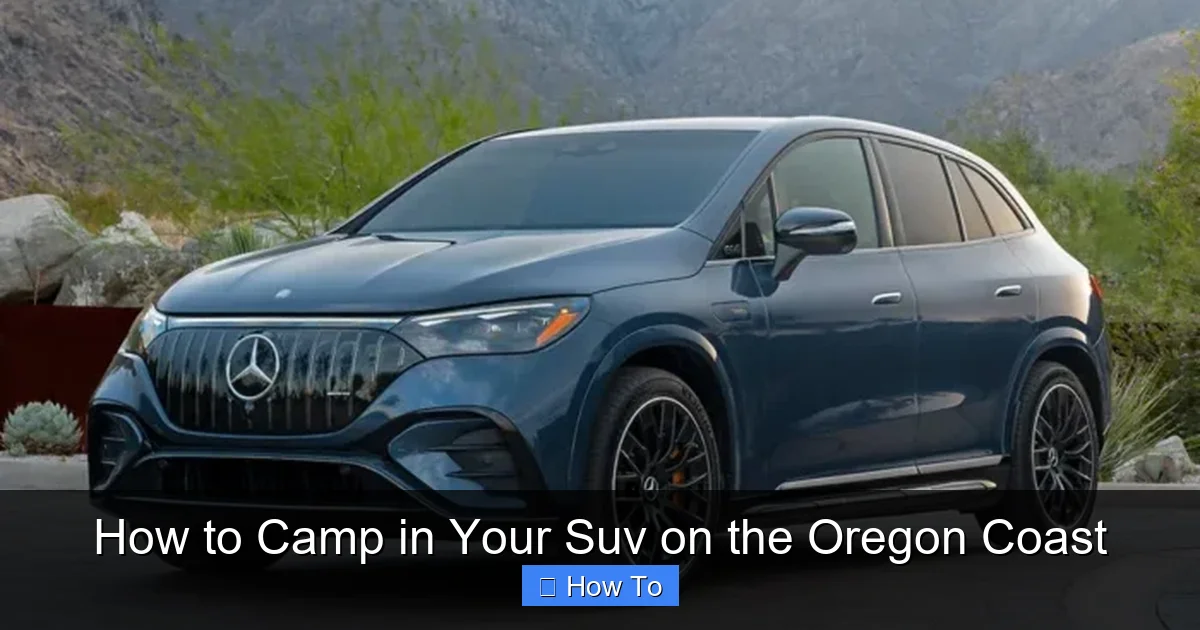
Camping in your SUV on the Oregon Coast offers a unique blend of adventure, comfort, and breathtaking scenery. This guide walks you through everything you need—from finding legal parking spots to staying warm and safe—so you can enjoy a memorable coastal getaway without a tent.
Key Takeaways
- Know the rules: Only camp in designated overnight parking areas or BLM land—never on private property or restricted zones.
- Choose the right gear: A quality sleeping pad, warm sleeping bag, and window shades are essential for comfort and privacy.
- Pick the perfect spot: Look for safe, flat parking near restrooms and with minimal traffic for a peaceful night.
- Stay warm and dry: The Oregon Coast is cool and damp—use moisture-wicking layers and a roof vent to reduce condensation.
- Leave no trace: Pack out all trash, use restroom facilities, and respect wildlife and other campers.
- Plan for weather: Coastal fog, wind, and rain are common—always check the forecast and prepare accordingly.
- Stay safe: Lock your doors, avoid isolated areas, and let someone know your location.
How to Camp in Your SUV on the Oregon Coast
Imagine waking up to the sound of waves crashing against rugged cliffs, the salty breeze drifting through your open window, and the golden glow of sunrise painting the sky over the Pacific. You’re not in a hotel—you’re in your SUV, parked just steps from the beach, having spent a cozy night under the stars. Welcome to SUV camping on the Oregon Coast: a budget-friendly, flexible, and deeply rewarding way to experience one of America’s most stunning natural landscapes.
Whether you’re a weekend warrior, a digital nomad, or a family looking for a unique adventure, camping in your SUV offers freedom and comfort that traditional tent camping can’t match. No setting up poles in the rain. No worrying about critters in your tent. Just you, your vehicle, and the wild beauty of the Oregon Coast.
In this guide, you’ll learn exactly how to camp safely, legally, and comfortably in your SUV along the Oregon Coast. We’ll cover where to park, what gear to bring, how to stay warm and dry, and how to respect the environment and local communities. By the end, you’ll be ready to hit the road with confidence and enjoy a truly unforgettable coastal escape.
Why Camp in Your SUV on the Oregon Coast?
SUV camping combines the best of both worlds: the mobility of a road trip and the comfort of a mobile shelter. Unlike tent camping, your SUV provides built-in protection from wind, rain, and wildlife. It’s also faster to set up—no need to pitch a tent in the dark or pack up a soggy shelter in the morning.
The Oregon Coast is especially well-suited for SUV camping. With over 360 miles of coastline, it offers countless scenic pullouts, state parks, and public lands where you can legally park overnight. From the dramatic cliffs of Cannon Beach to the quiet coves of Bandon, there’s no shortage of stunning spots to call home for the night.
Plus, SUV camping is cost-effective. You skip campsite fees (in many cases), avoid expensive hotels, and still enjoy a comfortable night’s sleep. It’s also eco-friendly—fewer resources used, less impact on the land.
And let’s be honest: there’s something magical about falling asleep to the rhythm of the ocean and waking up with your coffee brewed right in your car. It’s adventure with a side of convenience.
Step 1: Know the Rules and Find Legal Overnight Parking
Before you pack your bags, the most important step is knowing where you can legally park overnight. The Oregon Coast is a mix of public and private land, and rules vary by location. Camping illegally can result in fines, towing, or being banned from certain areas.
State Parks and Recreation Areas
Many Oregon State Parks allow overnight parking in designated lots, but only if you have a valid camping permit. For example, parks like **Cape Lookout State Park** and **Hobbit Beach at Nehalem Bay** offer drive-in campsites where you can park your SUV and sleep inside. These sites often include restrooms, picnic tables, and fire pits.
However, you cannot just pull into a state park lot and sleep without a reservation. You must book a campsite in advance through the Oregon State Parks reservation system. Fees typically range from $20–$35 per night.
Bureau of Land Management (BLM) Lands
BLM-managed lands are a camper’s best friend. These public lands often allow free, dispersed camping for up to 14 days in a 28-day period. Look for BLM areas near the coast, such as those around **Cape Blanco** or **Pistol River**. These spots are usually more remote, offering solitude and stunning views.
To find BLM land, use the BLM website or apps like **FreeRoam** or **iOverlander**. Always check local signage—some areas may have seasonal restrictions or fire bans.
National Forests
The **Siuslaw National Forest** runs along much of the central and southern Oregon Coast. It includes numerous dispersed camping areas where you can park your SUV overnight for free. Popular spots include areas near **Alsea Falls** or **Drift Creek Falls**.
Again, check for posted rules. Some forest roads may be closed in winter, and fire restrictions are common in summer.
Rest Stops and Overlooks
Oregon allows overnight parking at certain highway rest areas for up to 12 hours. These are not ideal for long stays, but they’re great for a quick nap or early morning departure. Look for well-lit, busy rest stops near towns like **Lincoln City** or **Coos Bay**.
Avoid parking at scenic overlooks or pullouts unless they’re clearly marked for overnight use. These areas are often monitored, and overnight stays may be prohibited.
Private Campgrounds with RV/SUV Sites
If you prefer amenities like showers, electricity, and Wi-Fi, consider private campgrounds. Many welcome SUVs and offer tent or vehicle sites. Examples include **Oceanside Beach RV Park** in Gold Beach and **South Beach State Park** near Newport.
These sites cost more (often $30–$50/night), but they provide comfort and convenience, especially in bad weather.
Step 2: Prepare Your SUV for Comfortable Sleeping
Your SUV is your home for the night, so it needs to be set up for comfort, privacy, and safety. With a few smart modifications, you can turn your vehicle into a cozy coastal retreat.
Clear Out the Cargo Space
Start by removing unnecessary items from the back of your SUV. You’ll need room to stretch out. If you have fold-down rear seats, fold them down to create a flat sleeping surface. Some SUVs, like the Subaru Outback or Toyota RAV4, have nearly flat floors when the seats are down.
If your seats don’t lie flat, consider using a sleeping platform. You can build one from plywood and foam, or buy a pre-made one from brands like **Roamly** or **Cabin Car Campers**. These platforms elevate your sleeping area, creating storage underneath for gear.
Invest in a Quality Sleeping Pad
A thick sleeping pad is non-negotiable. The floor of your SUV is hard and cold, especially on chilly coastal nights. Look for a pad with an R-value of 3 or higher—this measures insulation. Options include:
– **Inflatable sleeping pads** (like the Therm-a-Rest NeoAir): lightweight and compact.
– **Foam pads** (like the NEMO Switchback): durable and affordable.
– **Self-inflating mats**: a balance of comfort and convenience.
For extra warmth, layer a reflective emergency blanket underneath your pad to reflect body heat back up.
Choose the Right Sleeping Bag
The Oregon Coast can drop into the 40s (°F) even in summer. Choose a sleeping bag rated for at least 30–40°F. Down bags are warm and pack small, but synthetic bags perform better in damp conditions.
If you run cold, add a liner**—a silk or fleece bag that fits inside your sleeping bag. It adds 10–15°F of warmth and feels luxurious.
Maximize Privacy and Light Control
Your windows are your biggest privacy concern. Use window shades or reflective covers** to block light and prying eyes. You can buy custom-fit shades for your SUV model or use universal ones with suction cups.
For side windows, consider frosted window film or curtains** you can clip in place. This lets in natural light during the day but blocks views at night.
Ventilate to Reduce Condensation
Breathing and body heat create moisture inside your SUV. Without ventilation, you’ll wake up to foggy windows and damp gear. Crack a window slightly, or better yet, use a roof vent fan** like the **MaxxAir** or **Fantastic Fan**. These pull out stale air and bring in fresh ocean breeze.
If you don’t have a fan, leave a window open just enough to allow airflow—use a window lock or stopper to prevent it from opening too far.
Step 3: Pack the Right Gear for Coastal Conditions
The Oregon Coast is beautiful but unpredictable. Fog, wind, and rain can roll in quickly. Pack smart to stay dry, warm, and comfortable.
Clothing
Dress in layers. Start with a moisture-wicking base layer (like merino wool or synthetic fabric), add an insulating mid-layer (fleece or down jacket), and top it with a waterproof shell.
Don’t forget:
– Warm socks and a beanie (you lose heat through your head!)
– Quick-dry pants and a change of clothes
– Rain jacket and waterproof shoes
Cooking and Food
You don’t need a full kitchen, but a portable stove makes meals easy. A **camp stove** or **butane burner** lets you cook outside your vehicle. Never cook inside your SUV—carbon monoxide is deadly.
Pack non-perishable foods: oatmeal, canned soup, trail mix, and sandwiches. Use a small cooler with ice packs for dairy or meat. Store food in bear-proof containers or keep it in your locked SUV—never leave it outside.
Lighting and Power
Bring a headlamp or flashlight for nighttime bathroom trips. LED lanterns are great for ambient light inside your SUV.
For charging phones or devices, use a **portable power station** or **solar charger**. Many SUVs have 12V outlets—use a USB adapter to charge gadgets while driving.
Safety and Hygiene
Pack a basic first-aid kit, hand sanitizer, and wet wipes. Bring toilet paper and a small trowel if you plan to use the “cat hole” method (dig a 6–8 inch hole at least 200 feet from water).
For showers, use campground facilities or visit a local gym. Some towns have public showers at beaches or marinas.
Step 4: Choose the Best Spots Along the Coast
Not all parking spots are created equal. Look for locations that are safe, legal, and close to amenities.
Top SUV Camping Areas on the Oregon Coast
– **Cannon Beach Area**: Park at **Ecola State Park** (with reservation) or nearby BLM land. Enjoy views of Haystack Rock and easy beach access.
– **Lincoln City**: Several rest stops and private campgrounds welcome overnight parking. Great for families.
– **Yachats and Cape Perpetua**: BLM land and national forest areas offer solitude and stunning views. Try the **Cape Perpetua Scenic Area**.
– **Florence and Heceta Head**: **Heceta Head Lighthouse** has a small parking lot—check for overnight rules. Nearby **Jessie M. Honeyman Memorial State Park** has campsites.
– **Bandon and Cape Blanco**: Remote and rugged. BLM land near **Cape Blanco State Park** is perfect for off-grid camping.
Tips for Picking a Spot
– **Look for flat ground**: Prevents sliding and improves sleep.
– **Avoid low-lying areas**: These collect cold air and fog.
– **Stay near restrooms**: Especially if you’re traveling with kids.
– **Check for cell service**: Important for safety and navigation.
– **Arrive before dark**: Easier to find a spot and set up.
Step 5: Stay Safe and Respect the Environment
Safety and sustainability go hand in hand when camping on the Oregon Coast.
Safety Tips
– **Lock your doors** at night, even in remote areas.
– **Avoid isolated spots** if you’re alone—choose areas with some traffic.
– **Let someone know your plans**: Share your location and expected return time.
– **Be aware of tides**: Don’t park too close to the beach—high tide can flood low areas.
– **Watch for wildlife**: Keep food secured and don’t feed animals.
Leave No Trace Principles
– **Pack out all trash**, including food scraps and toilet paper.
– **Use established restrooms** or bury human waste properly.
– **Stay on designated roads** to protect fragile dunes and vegetation.
– **Keep noise low**—respect other campers and wildlife.
– **Don’t collect shells, rocks, or plants**—leave nature as you found it.
Troubleshooting Common Issues
Problem: Cold and Damp Inside the SUV
Solution: Use a sleeping pad with high R-value, wear warm layers, and crack a window for ventilation. Place a small towel on the floor to absorb moisture.
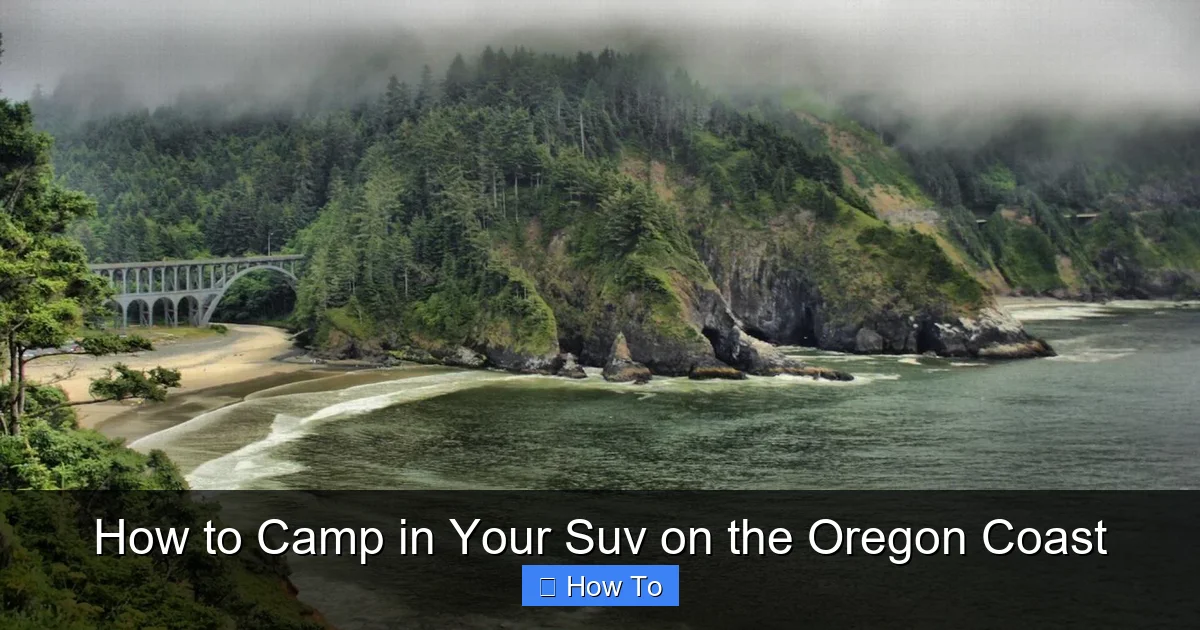
Visual guide about How to Camp in Your Suv on the Oregon Coast
Image source: wallpaperaccess.com
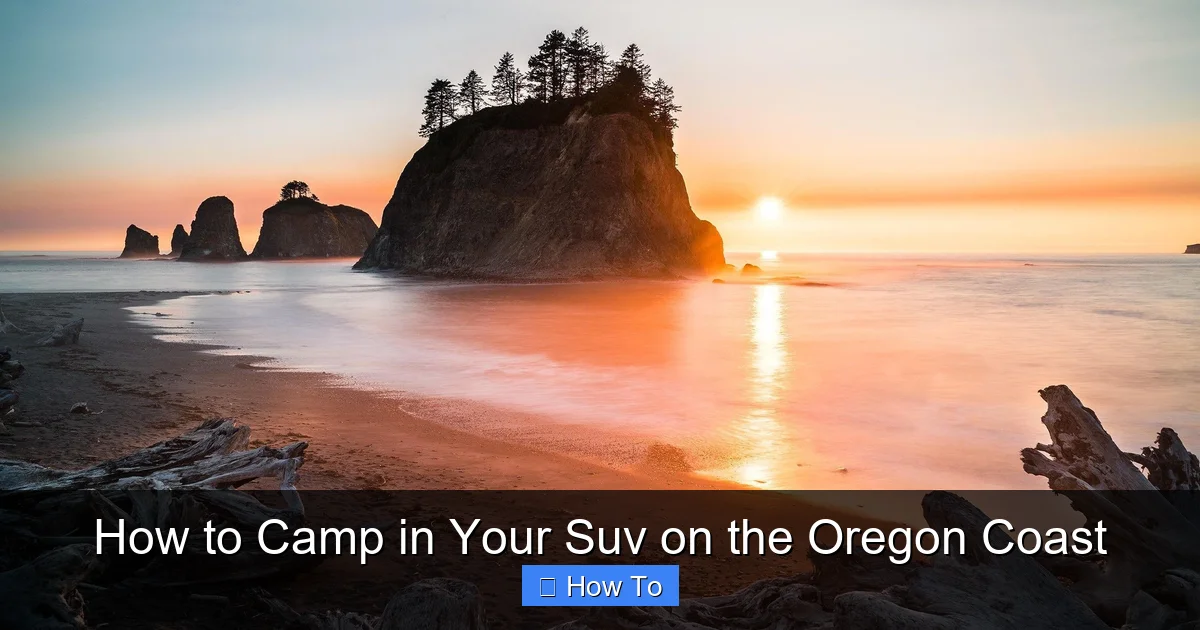
Visual guide about How to Camp in Your Suv on the Oregon Coast
Image source: wallpaperaccess.com
Problem: Noisy or Busy Parking Area
Solution: Bring earplugs or use a white noise app. Choose quieter spots midweek or in shoulder seasons (spring/fall).
Problem: Limited Space for Gear
Solution: Use under-seat storage, roof racks, or a cargo carrier. Pack only essentials and multi-use items.
Problem: Foggy Windows
Solution: Wipe windows with a microfiber cloth and use a vent fan. Avoid breathing directly toward windows.
Conclusion
Camping in your SUV on the Oregon Coast is more than just a place to sleep—it’s a way to connect with nature, save money, and experience the raw beauty of the Pacific Northwest. With the right preparation, you can enjoy cozy nights, stunning sunrises, and the freedom to explore at your own pace.
Remember: always camp legally, pack smart, and respect the environment. Whether you’re parked beneath towering sea stacks or tucked into a quiet forest clearing, your SUV can be your perfect home away from home.
So pack your bags, fill up the tank, and hit the coast. Adventure awaits—one mile, one wave, one sunrise at a time.