
Discover how to camp out of SUV with ease using this step-by-step guide. From choosing the right gear to setting up your sleeping space, you’ll learn everything needed for a comfortable and safe car camping experience. Perfect for weekend getaways or extended road trips.
Key Takeaways
- Choose the right SUV: Not all vehicles are created equal—opt for one with fold-flat seats, ample cargo space, and good ground clearance for off-road camping.
- Invest in a quality mattress: A comfortable sleeping surface is key—consider a memory foam topper or portable camping mattress that fits your SUV’s dimensions.
- Organize your gear smartly: Use storage bins, cargo nets, and under-seat organizers to maximize space and keep essentials within reach.
- Ensure safety and ventilation: Always crack a window for airflow, use window shades for privacy, and park in safe, legal areas.
- Pack versatile, multi-use items: Bring gear that serves multiple purposes—like a camping stove that doubles as a heater—to save space and weight.
- Test your setup before you go: Practice setting up your SUV campsite at home to identify issues and refine your system.
- Respect nature and local rules: Follow Leave No Trace principles and check local regulations for overnight parking and camping.
How to Camp Out of SUV: A Complete Guide
Camping out of your SUV is one of the most convenient and flexible ways to enjoy the great outdoors. Whether you’re planning a weekend escape to the mountains, a beachside retreat, or a cross-country road trip, turning your vehicle into a cozy sleeping space offers comfort, protection, and freedom. Unlike traditional tent camping, SUV camping eliminates the need to pitch a tent in the dark or deal with soggy gear. Instead, you sleep right inside your vehicle—safe, dry, and ready for adventure.
In this guide, you’ll learn exactly how to camp out of SUV like a pro. We’ll walk you through choosing the right vehicle, setting up your sleeping area, organizing your gear, staying safe, and making the most of your car camping experience. Whether you’re a first-timer or looking to upgrade your setup, this guide has everything you need.
Step 1: Choose the Right SUV for Camping
Not every SUV is ideal for camping. Some are better suited for city driving, while others are built for off-grid adventures. When selecting an SUV for camping, consider the following features:
Fold-Flat Rear Seats
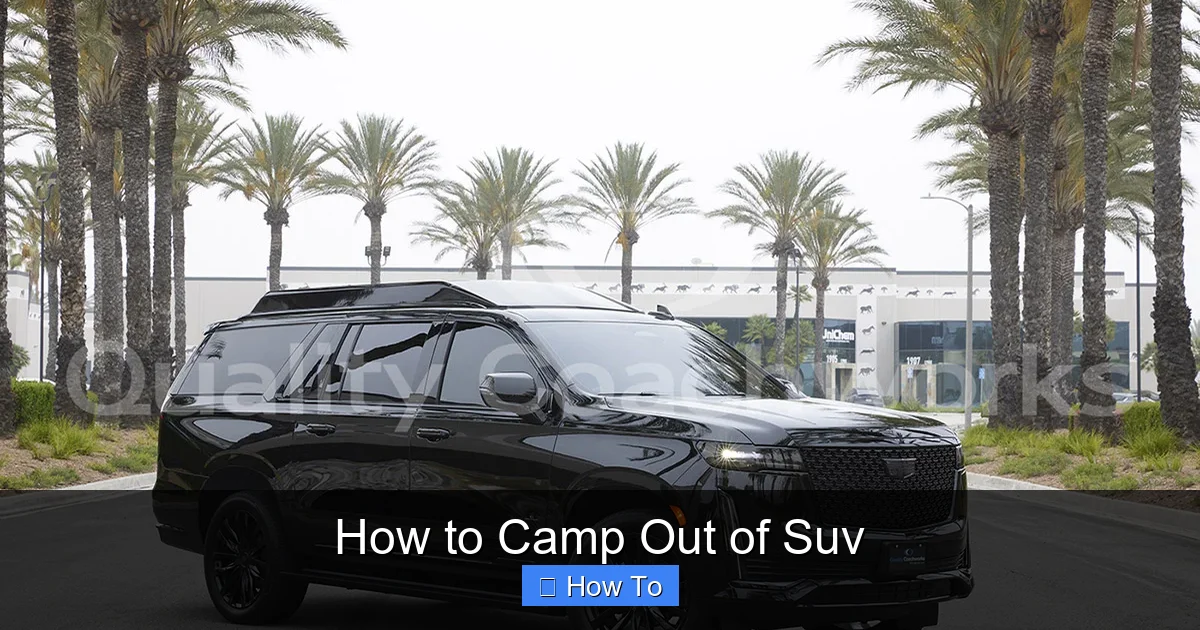
The most important feature for SUV camping is the ability to fold down the rear seats completely flat. This creates a level sleeping surface from the back of the front seats to the tailgate. Vehicles like the Subaru Outback, Honda CR-V, Toyota RAV4, and Ford Explorer often have this capability. Check your owner’s manual or test it at home—some seats fold in a 60/40 split, which may leave a small gap.
Visual guide about How to Camp Out of Suv
Image source: qualitycoachwork.com
Ample Cargo Space
You’ll need room for your mattress, sleeping bag, clothes, food, and cooking gear. SUVs with larger cargo areas—such as the Jeep Grand Cherokee, Chevrolet Tahoe, or Hyundai Santa Fe—offer more flexibility. Measure your cargo area when the seats are down to ensure your mattress will fit.
Ground Clearance and 4WD
If you plan to camp off the beaten path, look for an SUV with good ground clearance (at least 7–8 inches) and optional four-wheel drive. This allows you to access remote campsites, forest roads, or beach access points that sedans can’t handle.
Fuel Efficiency
While rugged SUVs are great for adventure, they can guzzle gas. If you’re planning long trips, consider a fuel-efficient model like the Toyota RAV4 Hybrid or Ford Escape Hybrid. You’ll save money and reduce your environmental impact.
Power Outlets and USB Ports
Modern SUVs often come with 12V power outlets, USB ports, and even AC outlets in some models. These are essential for charging phones, running a portable fridge, or powering a small fan. Check how many outlets your vehicle has and where they’re located.
Step 2: Create a Comfortable Sleeping Space
Once you’ve chosen the right SUV, it’s time to build a cozy sleeping area. Comfort is key—after all, you’ll be spending several hours a night in this space.
Measure Your Cargo Area
Use a tape measure to determine the length, width, and height of your cargo space with the seats folded down. This will help you choose the right mattress and bedding. Most SUVs offer 60–70 inches in length, which is enough for most adults.
Visual guide about How to Camp Out of Suv
Image source: keepitinkeller.com
Choose the Right Mattress
A good mattress makes all the difference. Here are your best options:
- Memory Foam Topper: A 2–4 inch memory foam pad (like those used on beds) can be cut to fit your SUV. It’s affordable, comfortable, and easy to store.
- Camping Mattress: Inflatable or self-inflating camping mattresses (like Therm-a-Rest) are lightweight and pack small. Some are designed specifically for car camping.
- Foldable Cot or Platform: For a more elevated setup, consider a portable cot that fits in your SUV. This keeps you off the floor and adds storage underneath.
- DIY Platform: Some campers build a wooden platform with cushions on top. This is more work but allows for under-bed storage.
Use Bedding That Fits
Standard bed sheets won’t work well in an SUV. Instead, use:
- Fitted Camping Sheets: These are designed to wrap around foam pads or air mattresses.
- Sleeping Bags: A mummy or rectangular sleeping bag is compact and warm. Choose one rated for the expected temperatures.
- Pillows: Bring a small travel pillow or use a rolled-up jacket. Some people prefer a foam pillow that doesn’t take up much space.
Maximize Space with a Bed Platform
If you want extra storage underneath your bed, build or buy a raised platform. This creates a flat sleeping surface while allowing you to store gear below. Use plywood, foam boards, or modular camping platforms. Make sure it’s sturdy and doesn’t shift while driving.
Step 3: Organize Your Gear Efficiently
Space is limited in an SUV, so smart organization is essential. A cluttered vehicle makes camping stressful and unsafe.
Use Storage Bins and Drawers
Plastic storage bins with lids are perfect for grouping similar items. Label them for easy access:
- “Cooking” – stove, fuel, utensils, spices
- “Clothing” – layers, socks, rain gear
- “Hygiene” – toothbrush, soap, toilet paper, towel
- “Emergency” – first aid kit, flashlight, tools
Install Cargo Nets and Hooks
Use cargo nets on the back of front seats or along the sides of the cargo area to hold small items like water bottles, snacks, or maps. Suction cup hooks can hang wet clothes or lanterns.
Utilize Under-Seat Storage
Some SUVs have hidden storage under the rear seats. Use this space for flat items like maps, notebooks, or spare batteries.
Pack a Camping Kitchen
Create a compact kitchen setup with:
- A portable camping stove (butane or propane)
- A lightweight pot and pan set
- Reusable plates, bowls, and utensils
- A collapsible sink or basin for washing
- A small cooler or electric cooler for perishables
Keep Essentials Within Reach
Store frequently used items—like your headlamp, water bottle, or snacks—in the front seat or a door pocket. You don’t want to crawl into the back every time you need something.
Step 4: Ensure Safety and Comfort
Camping in your SUV is safe, but you need to take precautions—especially when sleeping overnight.
Ventilation Is Critical
Never sleep in a completely sealed vehicle. Crack a window slightly (even in winter) to allow fresh air circulation. This prevents carbon dioxide buildup and reduces condensation. Use window deflectors or rain guards to keep rain out while venting.
Use Window Shades for Privacy and Temperature Control
Reflective window shades (like those used for sun protection) block prying eyes and reduce heat buildup during the day. You can also use blackout curtains or DIY shades made from foam board and fabric.
Park in Safe, Legal Areas
Not all places allow overnight parking. Research your destination in advance. Good options include:
- Designated campgrounds with vehicle camping
- Rest areas (check local laws—some prohibit overnight stays)
- Walmart parking lots (many allow overnight parking)
- BLM (Bureau of Land Management) land—free dispersed camping in many areas
- National forests—often allow car camping outside developed sites
Lock Your Doors and Stay Alert
Always lock your doors at night. Keep a flashlight or headlamp nearby. If you’re camping alone, let someone know your location and expected return time.
Be Weather-Ready
Check the forecast before you go. Bring layers for cold nights, a tarp for rain, and a sunshade for hot days. If it’s windy, secure loose items outside the vehicle.
Step 5: Power and Lighting Solutions
Even basic camping requires some power. Here’s how to stay charged and lit.
Use a Portable Power Station
A portable power station (like a Jackery or EcoFlow) can charge phones, run a small fridge, or power LED lights. They’re quiet, eco-friendly, and safer than gas generators.
Install a 12V Fridge or Cooler
A 12V electric cooler plugs into your SUV’s power outlet and keeps food and drinks cold without ice. Great for multi-day trips.
Add LED Lighting
String LED lights inside your SUV for ambient lighting. Use clip-on lights or battery-powered lanterns. Avoid open flames—candles and stoves should be used outside.
Charge Devices While Driving
Use a USB car charger or multi-port adapter to charge phones and tablets while on the road. This reduces the load on your power station.
Step 6: Cook and Eat Smart
Cooking in your SUV is possible—but keep it simple and safe.
Use a Portable Stove
A compact camping stove (like a Jetboil or MSR PocketRocket) is ideal. Cook outside the vehicle to avoid fumes and grease buildup.
Prep Meals Ahead of Time
Save time by pre-cooking meals at home. Use resealable containers for soups, stews, or pasta. Bring easy-to-make items like oatmeal, sandwiches, or instant noodles.
Pack a Mini Pantry
Stock up on non-perishables: canned beans, tuna, pasta, rice, granola bars, and spices. Use a small spice kit with labeled containers.
Dispose of Waste Properly
Pack out all trash. Use a small trash bag and seal it tightly. Never dump food scraps or wastewater on the ground.
Step 7: Personalize Your SUV Campsite
Make your SUV feel like home with a few personal touches.
Add Cozy Decor
Bring a small rug, throw blanket, or string lights. These small items make a big difference in comfort and mood.
Create a “Living Room” Area
If space allows, set up a small outdoor chair or folding table near your SUV. This gives you a place to relax, eat, or enjoy the view.
Use a Tarp or Awning
A pop-up awning or tarp attached to your SUV provides shade and rain protection. Great for cooking or lounging outside.
Play Music or Podcasts
Use a Bluetooth speaker (with volume control) to enjoy music or audiobooks. Be mindful of noise levels, especially in quiet areas.
Troubleshooting Common Issues
Even the best-laid plans can go awry. Here’s how to handle common problems.
Problem: Mattress Doesn’t Fit Perfectly
Solution: Use foam filler blocks or rolled-up towels to fill gaps. Alternatively, cut a custom mattress topper to size.
Problem: Condensation Builds Up Overnight
Solution: Crack a window, use moisture absorbers (like silica gel packs), and avoid drying wet clothes inside the vehicle.
Problem: Gear Shifts While Driving
Solution: Secure bins with bungee cords or cargo nets. Place heavier items low and toward the front.
Problem: Not Enough Power for Devices
Solution: Prioritize essential devices. Use a power station with solar charging capability for longer trips.
Problem: Noise or Light Disturbance
Solution: Use earplugs and a sleep mask. Park away from roads or bright lights when possible.
Conclusion
Learning how to camp out of SUV opens up a world of adventure. It’s affordable, convenient, and perfect for travelers who want comfort without sacrificing the outdoors. With the right setup, your SUV becomes a mobile home—ready for mountain peaks, desert sunsets, or lakeside mornings.
Start by choosing the right vehicle, then focus on comfort, organization, and safety. Test your setup at home, pack smart, and always respect nature. Whether you’re a solo traveler or camping with family, SUV camping offers freedom and flexibility that traditional methods can’t match.
So pack your bags, fold down those seats, and hit the road. Your next great adventure is just a drive away.