
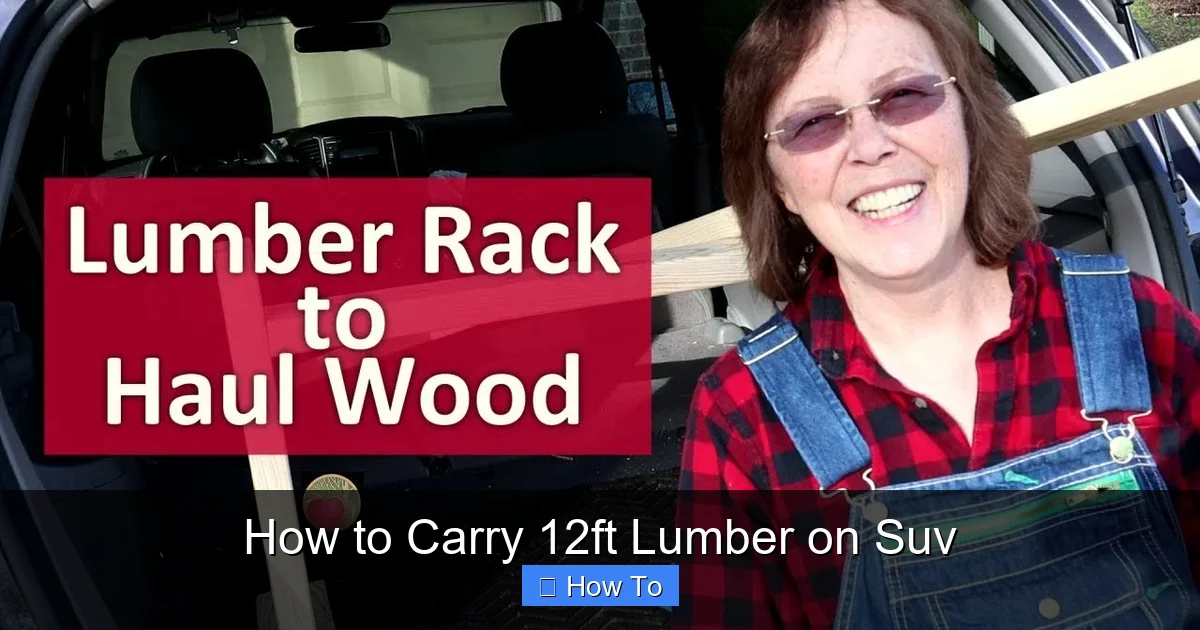
Carrying 12ft lumber on an SUV is doable with the right tools and techniques. This guide walks you through safe loading, securing, and driving tips to protect your vehicle, cargo, and others on the road.
Key Takeaways
- Use a roof rack or crossbars: These provide a stable base to rest long lumber and prevent damage to your SUV’s roof.
- Secure with high-quality ratchet straps: Always use at least two straps—one near the front and one near the back—to prevent shifting.
- Extend lumber safely beyond the vehicle: It’s legal in most states if the load extends no more than 4 feet past the rear and has a red flag or light.
- Protect your SUV’s paint and interior: Use foam padding or moving blankets to avoid scratches and dents during transport.
- Drive cautiously and avoid sudden moves: Long loads affect handling, so take turns slowly and maintain extra following distance.
- Check local laws: Regulations on overhanging loads vary by state—always verify legal requirements before hitting the road.
- Consider a trailer for frequent hauling: If you regularly transport long materials, a small utility trailer may be a safer, more efficient option.
How to Carry 12ft Lumber on SUV
So you’ve got a home improvement project coming up—maybe building a deck, framing a shed, or replacing some fencing—and you need to transport 12-foot lumber. You own an SUV, which is great for hauling, but you’re not sure how to safely and legally carry such a long load. Don’t worry. With the right preparation and a few essential tools, you can transport 12ft lumber on your SUV without damaging your vehicle or risking safety.
In this guide, we’ll walk you through every step—from choosing the right equipment to securing the load and driving safely. Whether you’re a DIY enthusiast or a weekend warrior, this comprehensive how-to will give you the confidence to haul long lumber like a pro. We’ll cover roof rack setup, tie-down techniques, safety precautions, legal considerations, and even troubleshooting common issues. By the end, you’ll know exactly how to carry 12ft lumber on your SUV efficiently and securely.
Why Transporting 12ft Lumber on an SUV Is Practical
SUVs are among the most versatile vehicles for hauling materials. They offer more cargo space than sedans, higher ground clearance than minivans, and often come with roof rails or crossbars. While they aren’t designed for heavy-duty truck loads, they can handle 12ft lumber with proper setup.
The key advantage? You don’t need a pickup truck or trailer for occasional projects. Whether you’re picking up supplies from the hardware store or moving materials between job sites, your SUV can do the job—if you do it right.
But it’s not just about throwing the boards on top and driving off. Long lumber can shift, scratch your paint, or even become a hazard if not secured properly. That’s why planning and preparation are essential.
What You’ll Need Before You Start
Before loading a single board, gather the right tools and materials. Having everything ready will save time and reduce the risk of mistakes.
Essential Equipment
- Roof rack or crossbars: Most SUVs come with factory-installed roof rails. If yours don’t, aftermarket crossbars are affordable and easy to install. Make sure they’re rated for the weight you’ll be carrying.
- Ratchet straps (2–4 recommended): Look for straps with a minimum 500-lb working load limit. Avoid bungee cords—they stretch and can fail under pressure.
- Foam pipe insulation or moving blankets: These protect both your SUV’s roof and the lumber from scratches and dents.
- Bungee cords or rope (optional): Useful for bundling boards together before strapping them down.
- Red flag or reflective triangle: Required by law in most states if your load extends more than 4 feet beyond the rear of the vehicle.
- Gloves and safety glasses: Long lumber can be unwieldy—protect your hands and eyes during loading.
Optional but Helpful Tools
- Lumber carrier hooks: These attach to your SUV’s rear bumper or hitch and support the overhanging end of the boards.
- Trailer hitch extender: If you have a hitch, a 2-inch receiver extender can help support the rear of the load.
- Roof rack pads: Extra cushioning for delicate finishes or heavy loads.
Step-by-Step Guide to Loading 12ft Lumber
Now that you’re equipped, let’s get to the actual process. Follow these steps carefully to ensure a safe and secure load.
Step 1: Prepare Your SUV
Start by cleaning the roof area where the lumber will rest. Remove any dirt, debris, or loose items that could scratch the paint or interfere with the load. If your SUV has a sunroof, close it and avoid placing heavy pressure directly over it.
Next, inspect your roof rack or crossbars. Make sure they’re tightly secured and free of rust or damage. If you’re using aftermarket crossbars, double-check the installation instructions to ensure they’re properly aligned and locked in place.
Lay down protective padding on the crossbars. Cut foam pipe insulation to fit the length of the bars, or drape moving blankets over them. This prevents the lumber from scratching your SUV’s finish and reduces noise from wind vibration.
Step 2: Bundle the Lumber
Before loading, stack your 12ft boards neatly. Align them by length and type (e.g., 2x4s together, plywood sheets separate). Use bungee cords or rope to tie them into a tight bundle. This makes handling easier and prevents individual boards from shifting during transport.
If you’re carrying different sizes, place the heaviest or thickest boards on the bottom. This lowers the center of gravity and improves stability.
Tip: Label the bundle with a piece of tape if you have multiple loads—this helps you unload in the right order.
Step 3: Lift and Position the Lumber
With a helper, lift the bundled lumber onto the roof rack. Always lift with your legs, not your back. If the load is too heavy, use a loading ramp or ask for assistance.
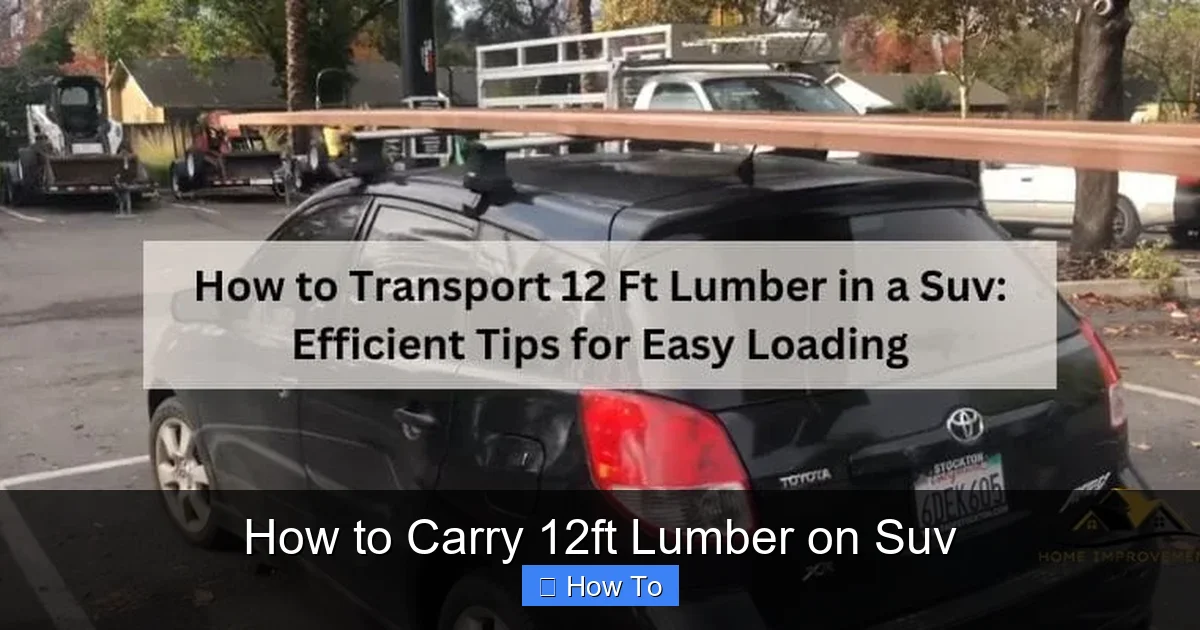
Position the lumber so it extends evenly over both the front and rear of the SUV. Ideally, the load should extend no more than 4 feet beyond the rear bumper. This keeps it within legal limits in most states and reduces wind resistance.
Avoid letting the lumber overhang too far forward—it can block your view or damage the windshield. If necessary, adjust the position so the front end rests just behind the front crossbar.
Step 4: Secure the Load with Straps
This is the most critical step. A poorly secured load can come loose, causing damage or accidents.
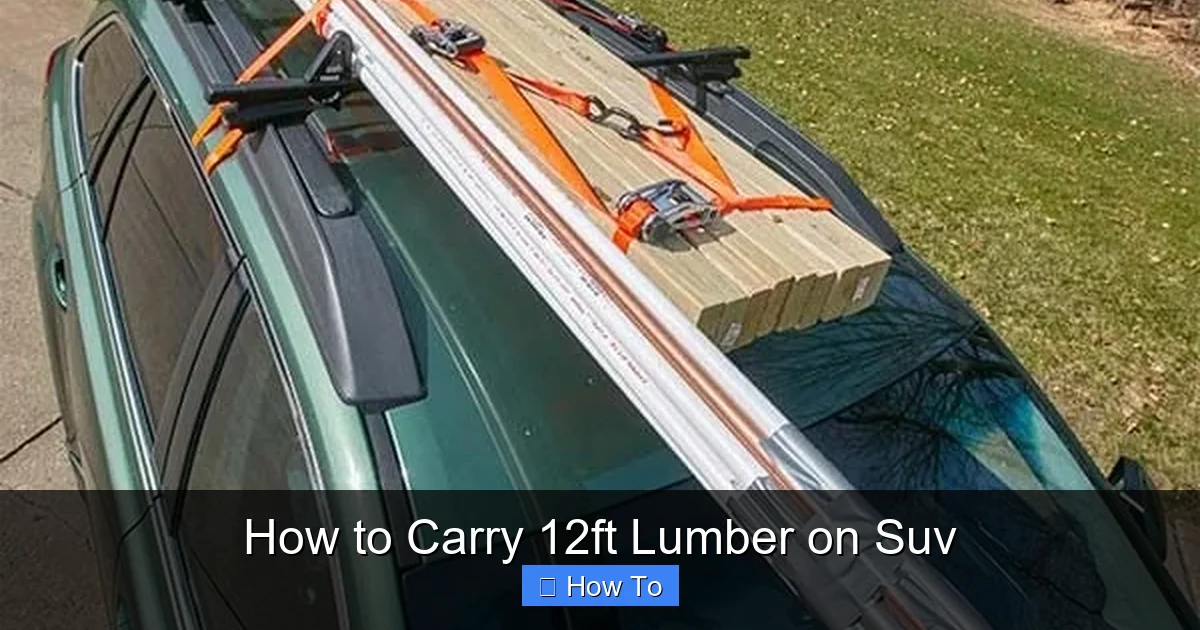
Start by threading a ratchet strap through the crossbars and over the lumber. Hook one end to the front crossbar and the other to the rear crossbar. Pull the strap tight using the ratchet mechanism—don’t just hand-tighten it.
Use at least two straps: one near the front third of the load and one near the back third. For extra security, add a third strap in the middle, especially if the lumber is heavy or uneven.
Make sure the straps are not twisted and lie flat over the boards. Avoid placing straps directly over nails, screws, or uneven surfaces—this can weaken the strap or damage the wood.
After tightening, give the lumber a firm shake. If it moves more than an inch, tighten the straps further. The goal is a rock-solid load that doesn’t shift under normal driving conditions.
Step 5: Add Overhang Protection
If your lumber extends more than 4 feet beyond the rear of the SUV, you must comply with state laws. Most require a red flag during the day or a red light at night.
Attach a bright red flag (at least 12 inches square) to the end of the longest board. Use zip ties or tape to secure it. If you’re driving at dusk or night, add a battery-powered LED light to the flag for visibility.
Never rely on brake lights alone—they won’t illuminate the overhanging load. A flag or light alerts other drivers and helps prevent rear-end collisions.
Step 6: Double-Check Everything
Before driving, do a final inspection:
- Are all straps tight and secure?
- Is the lumber centered and balanced?
- Is the flag or light visible?
- Are doors, windows, and sunroof closed?
- Is the load clear of antennas, mirrors, or roof accessories?
Take a short test drive around the block. Listen for rattling, flapping, or unusual noises. If something feels off, pull over and recheck the straps.
Safety Tips for Driving with a Long Load
Transporting 12ft lumber changes how your SUV handles. Be extra cautious on the road.
Drive Slowly and Smoothly
Avoid sudden acceleration, hard braking, or sharp turns. Long loads increase wind resistance and can make your vehicle feel top-heavy. Take corners wide and slow down well in advance of stops.
Maintain Extra Following Distance
Your stopping distance will be longer with a heavy load. Keep at least 4–6 seconds behind the vehicle in front of you, especially in wet or windy conditions.
Watch for Low Clearances
Parking garages, drive-thrus, and tree branches can be hazards. Know your SUV’s height with the load—measure it if unsure. Use GPS apps that warn of low bridges or narrow roads.
Avoid High Winds
Strong crosswinds can push your vehicle sideways. If possible, delay your trip during windy weather. If you must drive, reduce speed and grip the wheel firmly.
Check the Load Periodically
Stop every 20–30 minutes to inspect the straps and lumber. Vibration and movement can loosen ties over time. Re-tighten if needed.
Legal Considerations and State Laws
Laws about overhanging loads vary by state. In most places, it’s legal to carry lumber that extends up to 4 feet beyond the rear of your vehicle—but only if properly marked.
Common Legal Requirements
- Flag or light: Required if the load extends more than 4 feet.
- No obstruction of license plate or lights: Ensure your load doesn’t block visibility.
- Secure load: All materials must be firmly tied down—no loose boards.
- No hazardous overhang: Avoid extending loads that could fall or swing into traffic.
Check your state’s Department of Motor Vehicles (DMV) website for specific rules. Fines for non-compliance can range from $50 to $500, plus potential liability in case of an accident.
Troubleshooting Common Problems
Even with careful planning, issues can arise. Here’s how to handle them.
Problem: Lumber Shifts During Transit
This usually means the straps aren’t tight enough or the load isn’t balanced. Stop immediately, reposition the lumber, and re-secure with tighter straps. Add a third strap if needed.
Visual guide about How to Carry 12ft Lumber on Suv
Image source: homeimprovementway.com
Visual guide about How to Carry 12ft Lumber on Suv
Image source: cdn2.tmbi.com
Problem: Scratches on SUV Roof
You likely skipped the padding step. Always use foam or blankets between the lumber and roof. For future trips, consider investing in padded roof rack covers.
Problem: Wind Noise or Flapping
Loose straps or uneven boards can cause flapping. Tighten all straps and ensure the load is flat. Use additional bungee cords to bundle boards tightly.
Problem: Overhang Blocks Rear View
If the lumber extends too far back, it may obstruct your rear window. Adjust the load forward or use a side mirror extender. Never drive with a blocked view.
Problem: Strap Breaks or Fails
Use high-quality straps and inspect them before each trip. Replace any with frayed edges, broken hooks, or worn ratchets. Carry a spare strap just in case.
Alternative Options for Hauling Long Lumber
If you frequently transport long materials, consider these alternatives:
Use a Utility Trailer
A small, lightweight trailer can carry 12ft lumber with ease. Many SUVs can tow up to 3,500 lbs, making this a safe and legal option. Trailers keep the load off your roof and reduce wear on your vehicle.
Rent a Truck or Van
For one-time projects, renting a pickup truck or cargo van may be more convenient. Many home improvement stores offer same-day rentals at affordable rates.
Use a Lumber Carrier Attachment
Some companies sell hitch-mounted lumber carriers that extend behind your SUV. These support the overhanging end and reduce strain on your roof rack.
Final Tips for Success
- Always have a helper when lifting heavy or long boards.
- Plan your route to avoid narrow roads, low bridges, or busy highways.
- Unload as soon as possible to reduce stress on your SUV’s roof.
- Store straps and padding in your vehicle for future use.
- Practice loading and unloading before your first real trip.
Conclusion
Carrying 12ft lumber on an SUV is not only possible—it’s a smart solution for many DIYers and homeowners. With the right equipment, careful planning, and attention to safety, you can transport long materials without damaging your vehicle or endangering others.
Remember: use a roof rack, secure the load with ratchet straps, protect your SUV with padding, and follow all local laws. Drive cautiously, check your load regularly, and don’t hesitate to use alternatives like trailers for frequent hauling.
By following this guide, you’ll turn your SUV into a reliable workhorse for all your lumber needs. Stay safe, stay prepared, and happy building!