
This guide walks you through how to carry a canoe on an SUV safely and efficiently. You’ll learn about roof racks, tie-down techniques, weight distribution, and safety checks to ensure a smooth trip to the water.
Key Takeaways
- Use a proper roof rack system: A sturdy roof rack is essential for securing your canoe. Crossbars must be compatible with your SUV and able to support the canoe’s weight.
- Distribute weight evenly: Place the canoe centered on the roof to maintain balance and prevent swaying or tipping during transit.
- Secure with high-quality straps: Use cam straps or ratchet straps with protective padding to avoid damaging the canoe and ensure a tight hold.
- Check local laws and height restrictions: Be aware of bridge clearances and road regulations, especially when driving with an elevated load.
- Perform pre-trip inspections: Always double-check straps, rack stability, and canoe positioning before hitting the road.
- Practice loading and unloading: Familiarize yourself with the process at home to reduce stress and risk at the launch site.
- Drive cautiously: Reduce speed, avoid sudden maneuvers, and allow extra stopping distance due to increased wind resistance and weight.
How to Carry a Canoe on an SUV: A Complete Step-by-Step Guide
So, you’ve got your canoe, your paddle, and your sense of adventure—now all you need is a way to get it to the water. If you’re driving an SUV, you’re in luck. SUVs are some of the best vehicles for transporting canoes thanks to their high ground clearance, spacious roofs, and strong frames. But just throwing a canoe on top of your vehicle and hoping for the best? That’s a recipe for disaster.
In this guide, we’ll walk you through how to carry a canoe on an SUV the right way—safely, securely, and without damaging your gear or your vehicle. Whether you’re a first-time paddler or a seasoned outdoors enthusiast, these steps will help you transport your canoe with confidence.
We’ll cover everything from choosing the right roof rack to strapping down your canoe, checking for safety, and driving tips once you’re on the road. By the end, you’ll know exactly what to do—and what not to do—when loading up for your next river, lake, or wilderness trip.
Why Proper Canoe Transport Matters
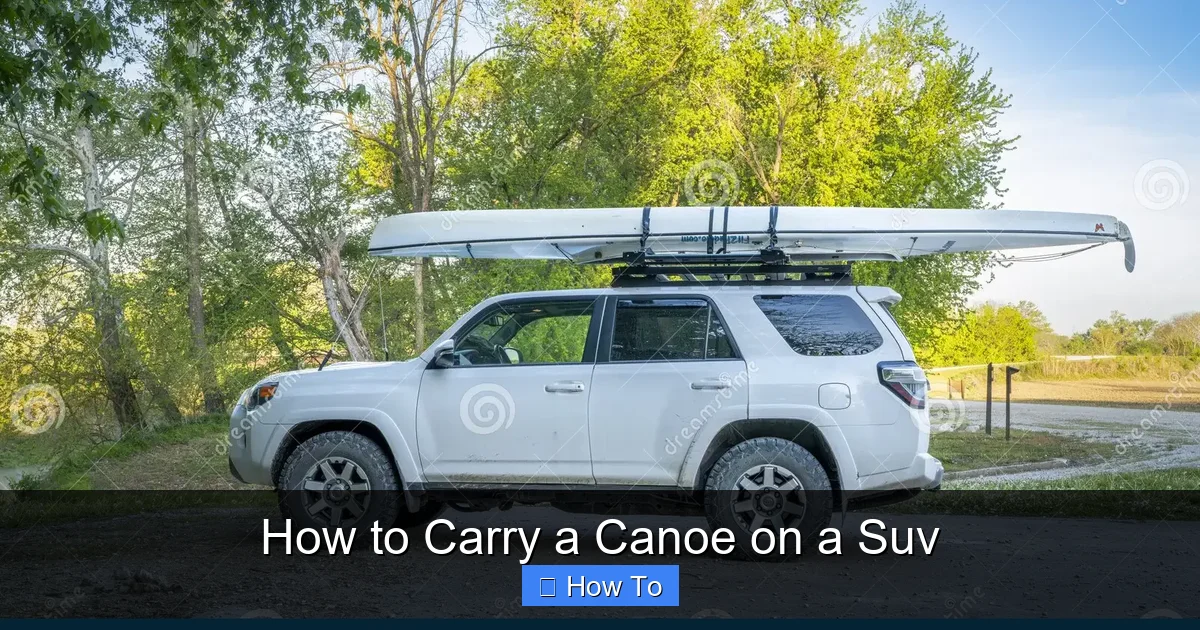
Visual guide about How to Carry a Canoe on a Suv
Image source: thumbs.dreamstime.com
Before we dive into the how-to, let’s talk about why this matters. A canoe is a significant investment—both in money and in memories. It’s also a large, lightweight object that can easily become a hazard if not secured correctly.
Imagine driving down the highway, and suddenly your canoe shifts, slips, or worse—flies off the roof. Not only could it destroy your canoe, but it could also cause a serious accident, injure others, or damage other vehicles. Plus, many insurance policies won’t cover damage caused by improperly secured loads.
Properly carrying a canoe on your SUV protects your gear, your vehicle, and everyone on the road. It also gives you peace of mind so you can focus on the fun part: paddling.
Step 1: Choose the Right Roof Rack System
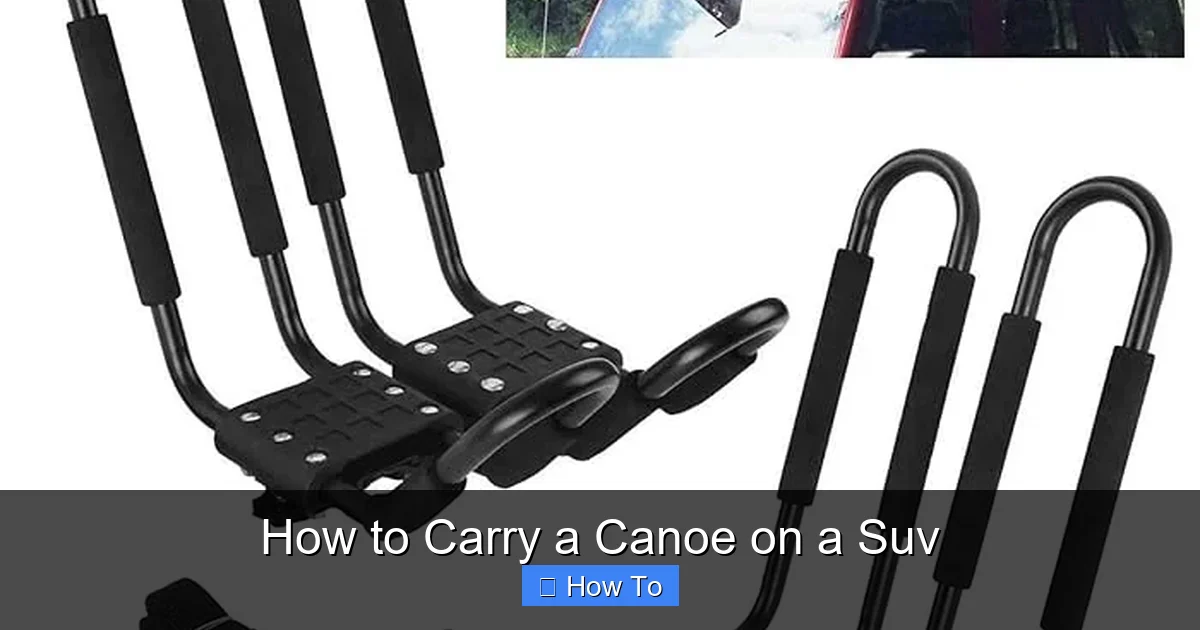
Visual guide about How to Carry a Canoe on a Suv
Image source: m.media-amazon.com
The foundation of safe canoe transport is a solid roof rack. Without it, you’re risking everything.
Types of Roof Racks
There are three main types of roof racks to consider:
- Factory-installed crossbars: Many SUVs come with built-in roof rails and crossbars. These are convenient and designed for your vehicle, but check the weight capacity—some are only meant for light loads like luggage carriers.
- Aftermarket crossbars: If your SUV doesn’t have crossbars or the factory ones aren’t strong enough, you can install aftermarket ones. Brands like Thule, Yakima, and Rhino-Rack offer durable, adjustable options that fit most SUVs.
- Foam blocks (temporary solution): If you’re in a pinch and don’t have a rack, foam blocks can work for short trips. However, they’re not recommended for long distances or high speeds. We’ll cover this more in the troubleshooting section.
What to Look For
When choosing a roof rack, keep these factors in mind:
- Weight capacity: Your rack must support the weight of the canoe plus any additional gear. Most canoes weigh between 40 and 80 pounds, but check your model’s specs.
- Compatibility: Make sure the crossbars fit your SUV’s make and model. Most manufacturers provide fit guides online.
- Width: The crossbars should be wider than the canoe’s hull to provide stable support. Ideally, they should extend at least 2–3 inches beyond the canoe on each side.
- Locking features: Some racks come with locks to prevent theft—especially useful if you’re stopping at a trailhead or campsite.
Installing the Rack
If you’re installing aftermarket crossbars, follow the manufacturer’s instructions carefully. Most involve attaching feet to your SUV’s roof rails and securing crossbars with clamps or bolts. Use a torque wrench if specified to avoid over-tightening.
Once installed, give the rack a firm shake to test stability. It shouldn’t move or creak.
Step 2: Prepare Your Canoe and Vehicle
Now that your rack is ready, it’s time to prep for loading.
Clean the Canoe and Roof
Dirt, sand, or moisture can cause scratches or reduce friction between the canoe and the rack. Wipe down the bottom of the canoe and the roof rack with a clean, dry cloth.
Check the Canoe for Damage
Inspect the hull for cracks, dents, or weak spots. A damaged canoe is more likely to shift or break during transport. If you find issues, repair them before loading.
Gather Your Gear
You’ll need:
- Two cam straps (preferred) or ratchet straps (use with caution)
- Bow and stern lines (also called tie-downs)
- Foam padding or pool noodles (optional, for extra protection)
- A helper (highly recommended)
Cam straps are better than ratchet straps because they’re less likely to overtighten and damage the canoe. Ratchet straps can apply too much pressure if not used carefully.
Step 3: Position the Canoe on the Roof
This is where many people make mistakes. Proper positioning is key to stability.
Center the Canoe
The canoe should be centered left-to-right on the roof. This ensures even weight distribution and prevents swaying.
To check, stand at the side of your SUV and look down the length of the canoe. The gap between the canoe and the edge of the roof should be equal on both sides.
Align Front to Back
The bow (front) of the canoe should face forward. This reduces wind resistance and helps with aerodynamics.
Also, make sure the canoe isn’t too far forward or backward. Ideally, the center of the canoe should align with the center of your SUV’s roof. This prevents front or rear overhang, which can be dangerous.
Use Padding (Optional but Recommended)
Place foam padding or cut pool noodles lengthwise and place them on the crossbars where the canoe will rest. This protects the hull from scratches and adds grip.
Step 4: Secure the Canoe with Straps
Now for the most important part: strapping it down.
Attach the Main Straps
Use two cam straps—one near the front third of the canoe and one near the back third. Do not strap directly over the center, as this can cause the canoe to flex and crack.
Thread the strap under the crossbar, over the canoe, and back under the opposite crossbar. Pull the strap tight, but not so tight that it deforms the hull. You want firm pressure, not crushing force.
Use Bow and Stern Lines
This is a critical step many people skip—but it’s essential for safety.
Bow and stern lines connect the front and back of the canoe to your SUV’s bumper or tow hooks. They prevent the canoe from shifting forward or backward, especially during sudden stops or wind gusts.
To attach:
- Run a strap from the bow (front) of the canoe to a secure point on the front of your SUV, such as a tow hook or bumper bracket.
- Do the same from the stern (back) to the rear of the vehicle.
- Tighten both lines so there’s no slack, but again, avoid over-tightening.
These lines act as a backup if the main straps fail. Think of them as seatbelts for your canoe.
Double-Check All Connections
Give each strap a firm tug to make sure it’s secure. The canoe should not move when you push it from the side.
Also, check that straps aren’t twisted or rubbing against sharp edges. Use edge protectors if needed.
Step 5: Perform a Final Safety Check
Before you drive off, do a thorough inspection.
Walk Around the Vehicle
Check that:
- The canoe is centered and not tilted.
- All straps are tight and properly threaded.
- Bow and stern lines are attached and taut.
- Nothing is dangling or loose.
Test the Setup
Gently shake the canoe from side to side and front to back. It should feel solid, not wobbly.
If you’re unsure, have a friend help you lift slightly on one end. The canoe should not lift off the rack.
Check Height and Clearance
With the canoe on top, your SUV will be taller. Measure the total height (vehicle + canoe) and compare it to low-clearance areas like parking garages, drive-thrus, or bridges.
A typical canoe adds 12–18 inches to your vehicle’s height. Use a height stick or mark a reference point on your garage door to avoid surprises.
Step 6: Drive Safely with Your Canoe
You’re loaded and ready—now drive smart.
Reduce Speed
Wind resistance increases significantly with a canoe on top. Drive slower than usual, especially on highways. Aim for 5–10 mph below the speed limit.
Avoid Sudden Maneuvers
No sharp turns, quick lane changes, or hard braking. These can cause the canoe to shift or the straps to loosen.
Allow Extra Stopping Distance
Your SUV will take longer to stop with the added weight and drag. Keep a safe distance from the vehicle in front of you.
Watch for Crosswinds
Strong side winds can push your vehicle. Grip the wheel firmly and be ready to correct gently.
Check Straps During Long Trips
If you’re driving more than an hour, pull over safely and re-check all straps. Vibration and wind can loosen them over time.
Troubleshooting Common Issues
Even with careful planning, problems can arise. Here’s how to handle them.
The Canoe Keeps Shifting
This usually means the straps aren’t tight enough or the canoe isn’t centered. Stop and re-secure. Add more padding if needed to improve grip.
Straps Are Damaging the Canoe
Use wider straps or add protective fabric (like an old towel) between the strap and the hull. Avoid ratchet straps unless absolutely necessary.
No Roof Rack? Temporary Solutions
If you don’t have a rack, foam blocks can work for short, low-speed trips. Place two foam blocks on the roof, position the canoe on top, and secure with straps. But this is not safe for highways or long distances. Invest in a proper rack as soon as possible.
Canoe Is Too Wide for the SUV
Some canoes are wider than standard SUV roofs. In this case, use extended crossbars or a canoe carrier designed for wider loads. Never let the canoe overhang too far—it can be a hazard to other drivers.
Practice Makes Perfect
The first time you load a canoe can be stressful. That’s normal. Practice at home in your driveway before your trip. Time yourself. Work with a partner. The more familiar you are with the process, the smoother it will go at the launch site.
Conclusion
Carrying a canoe on an SUV doesn’t have to be intimidating. With the right roof rack, proper strapping techniques, and a few safety checks, you can transport your canoe safely and confidently.
Remember: how to carry a canoe on an SUV isn’t just about getting it from point A to point B—it’s about doing it without risking your gear, your vehicle, or others on the road.
Take your time, follow these steps, and always prioritize safety. Before you know it, you’ll be gliding across the water, knowing your canoe made the journey in one piece.
Now go enjoy the paddle!