

Transporting a gas can in your SUV doesn’t have to be messy or dangerous. This guide walks you through safe, legal, and practical methods to carry fuel securely—whether you’re heading off-grid, prepping for emergencies, or refueling equipment. You’ll learn the right gear, placement tips, and safety rules to follow every time.
Key Takeaways
- Use only approved, DOT-compliant gas cans: These are designed to safely contain fuel and prevent leaks or vapors from escaping during transport.
- Always secure the gas can upright: Keeping it vertical minimizes spillage and reduces the risk of fumes building up inside your vehicle.
- Ventilate the cargo area: Open windows slightly or use the SUV’s ventilation system to disperse any fumes, especially in enclosed spaces.
- Never leave a gas can in direct sunlight or hot interiors: Heat increases pressure inside the can, which can lead to leaks or dangerous vapor buildup.
- Store away from passengers and ignition sources: Place the can in the trunk or cargo area, never in the passenger cabin, and far from electronics or sparks.
- Check local laws and vehicle manufacturer guidelines: Some states have specific rules about transporting fuel, and your SUV’s manual may include warnings or recommendations.
- Use a gas can holder or cargo barrier for extra safety: These accessories prevent shifting during sudden stops and add an extra layer of protection.
How to Carry a Gas Can in an SUV: A Complete Safety Guide
Whether you’re prepping for a road trip, heading out to a remote job site, or simply storing extra fuel for your generator, knowing how to carry a gas can in an SUV safely is essential. Gasoline is highly flammable, and improper transport can lead to spills, fumes, or even fire hazards. But with the right knowledge and tools, you can transport fuel confidently and legally.
In this guide, we’ll walk you through everything you need to know—from choosing the right gas can to securing it properly in your SUV. You’ll learn about safety regulations, best practices, and smart accessories that make fuel transport easier and safer. By the end, you’ll be equipped to carry a gas can in your SUV without worry, whether you’re driving across town or across the country.
Why Proper Gas Can Transport Matters
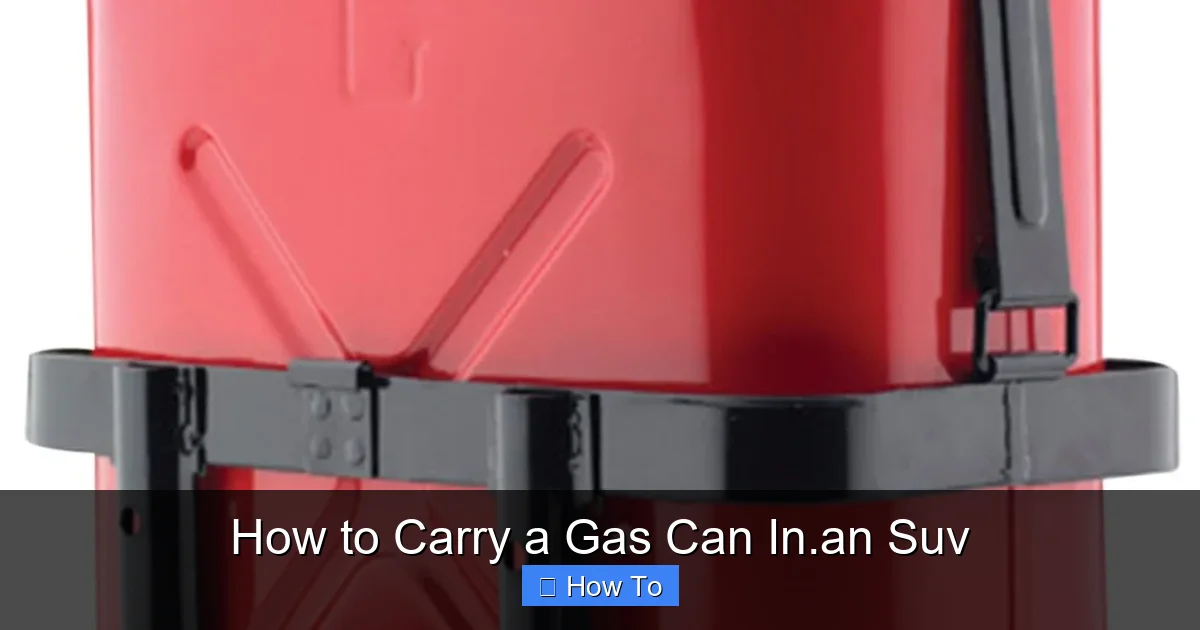
Visual guide about How to Carry a Gas Can In.an Suv
Image source: ecx.images-amazon.com
Gasoline is a volatile liquid. It gives off vapors that can ignite easily, even at room temperature. When you carry a gas can in your SUV, you’re not just moving liquid—you’re managing a potential fire risk. A single spark from static electricity, a hot surface, or an electrical component could trigger a dangerous situation.
Moreover, gasoline fumes are harmful to breathe. Prolonged exposure can cause dizziness, headaches, or nausea. In enclosed spaces like an SUV cabin, these fumes can build up quickly, especially if the can isn’t sealed properly.
Beyond safety, there are legal considerations. Many states regulate how fuel can be transported in vehicles. Using non-approved containers or storing fuel in the passenger area can result in fines or voided insurance claims in the event of an accident.
That’s why it’s crucial to follow proper procedures. This guide will help you avoid common mistakes and ensure your fuel transport is safe, legal, and hassle-free.
Choosing the Right Gas Can

Visual guide about How to Carry a Gas Can In.an Suv
Image source: evanshalshaw.com
Not all gas cans are created equal. Before you even think about loading one into your SUV, make sure you’re using the right type.
Look for DOT-Approved Containers
The Department of Transportation (DOT) sets standards for fuel containers used in vehicles. Always choose a gas can that is DOT-approved. These cans are designed to withstand pressure changes, resist punctures, and include features like flame arrestors and self-closing spouts.
You can usually find a DOT certification label on the bottom or side of the can. If it’s missing or unclear, don’t use it. Non-approved cans—like old milk jugs or homemade containers—are extremely dangerous and illegal for fuel transport in most places.
Plastic vs. Metal Gas Cans
Both plastic and metal gas cans have pros and cons.
Plastic cans are lightweight, rust-resistant, and less likely to dent. Modern high-density polyethylene (HDPE) plastic cans are durable and meet safety standards. They’re ideal for most SUV owners because they’re easy to carry and store.
Metal cans, often made of galvanized steel, are sturdy and less permeable to vapors. However, they’re heavier and can rust over time. They also conduct heat more readily, which can be a concern in hot climates.
For most SUV users, a high-quality plastic gas can is the best choice. Just make sure it’s new or in excellent condition—no cracks, warping, or damaged spouts.
Size Matters
Gas cans come in various sizes, typically ranging from 1 gallon to 5 gallons. For SUV transport, a 2.5- to 5-gallon can is usually ideal.
Smaller cans (1–2.5 gallons) are easier to handle but require more frequent refills. Larger cans (5 gallons) hold more fuel but can be heavy when full—up to 30+ pounds. Consider your needs: Are you fueling a generator, a lawnmower, or a vehicle? Choose a size that balances convenience and capacity.
Features to Look For
When shopping for a gas can, look for these safety and usability features:
– Self-closing, spill-proof spout: Prevents drips when pouring and seals tightly when not in use.
– Flame arrestor: A mesh screen inside the spout that prevents flames from entering the can.
– Venting system: Allows air to enter as fuel is poured, preventing glugging and spills.
– Ergonomic handle: Makes carrying easier, especially when full.
– Secure cap with gasket: Ensures a tight seal to prevent leaks and vapor escape.
Brands like Scepter, No-Spill, and Eagle are known for reliable, safety-compliant gas cans. Avoid cheap, no-name brands that may not meet safety standards.
Preparing Your SUV for Gas Can Transport
Once you have the right gas can, it’s time to prepare your SUV. A little prep goes a long way in ensuring a safe and clean transport experience.
Clear the Cargo Area
Start by removing any unnecessary items from your SUV’s trunk or cargo space. You want a clean, flat surface to place the gas can. Avoid placing it on top of loose items like bags, tools, or electronics.
If your SUV has a carpeted floor, consider using a protective mat or tray. Gasoline can damage upholstery and leave permanent stains. A rubber cargo mat or plastic storage bin can act as a barrier.
Check for Heat Sources
Never place a gas can near heat sources. This includes:
– Exhaust components (like the tailpipe)
– Engine compartments (if accessible from the cargo area)
– Electrical panels or wiring
– Sun-exposed areas (like the rear window)
Heat increases pressure inside the can, which can cause leaks or ruptures. Even on a mild day, the interior of an SUV can reach 120°F or more—hot enough to create dangerous vapor buildup.
Ensure Proper Ventilation
Gas fumes are heavier than air and can accumulate in low, enclosed spaces. To prevent this:
– Keep windows slightly open during transport, if safe to do so.
– Use your SUV’s ventilation system on fresh air mode (not recirculate).
– Avoid sealing the cargo area completely—leave a small gap for airflow.
If you’re carrying a full can, especially in warm weather, ventilation is critical. Never transport fuel in a fully enclosed, unventilated space.
How to Load the Gas Can Safely
Now that your SUV is ready, it’s time to load the gas can. Follow these steps to do it safely and efficiently.
Step 1: Inspect the Can
Before loading, check the gas can for:
– Cracks or damage
– Loose or missing caps
– Residue or old fuel (clean if necessary)
– Proper labeling (fuel type, date filled)
If the can is damaged or questionable, don’t use it. A compromised container is a major safety risk.
Step 2: Keep It Upright
Always transport the gas can in an upright position. This prevents spills and reduces the chance of fumes escaping through the spout.
Never lay the can on its side or upside down—even for a short trip. Gasoline can seep out of the cap or spout, creating a fire hazard and strong odor.
Step 3: Secure the Can
A loose gas can can become a dangerous projectile in a sudden stop or crash. To prevent movement:
– Use the SUV’s cargo tie-down hooks or anchor points.
– Secure the can with ratchet straps, bungee cords, or cargo nets.
– Place it in a corner or against a wall to limit shifting.
Avoid using duct tape or rope that could degrade over time. Opt for durable, purpose-built cargo straps.
Step 4: Use a Gas Can Holder or Tray
For added safety, consider using a gas can holder or spill tray. These accessories:
– Keep the can upright
– Catch minor drips or leaks
– Prevent sliding on smooth surfaces
Some SUVs have built-in cargo organizers or dividers that can help. If not, aftermarket options are widely available online or at auto stores.
Step 5: Close All Doors and Windows (Slightly)
After loading, close the SUV doors—but leave windows cracked open about an inch. This allows airflow without compromising security.
If you’re traveling long distances or in hot weather, consider stopping every few hours to check the can and air out the vehicle.
Where to Place the Gas Can in Your SUV
Placement is key to safe fuel transport. Here’s where—and where not—to put your gas can.
Best Locations
– Trunk or Cargo Area (Rear): This is the safest spot. It’s away from passengers, ignition sources, and heat.
– Behind the Rear Seats: If your SUV has a flat floor, this area works well. Use barriers or nets to contain the can.
– In a Roof Cargo Box (with caution): Only if the box is well-ventilated and the can is secured. Avoid direct sunlight.
Avoid These Areas
– Passenger Cabin: Never place a gas can inside the passenger area—front or back seats. Fumes can accumulate, and in a crash, the can could rupture.
– Near the Engine or Exhaust: Even in the cargo area, avoid placing the can near hot components.
– On Top of Electronics or Batteries: Gas fumes can damage sensitive equipment.
If your SUV has a spare tire well or underfloor storage, avoid placing the gas can there unless it’s specifically designed for flammable liquids. Most aren’t.
Driving Tips When Carrying a Gas Can
Once you’re on the road, driving habits matter. Here’s how to drive safely with fuel in your SUV.
Drive Smoothly
Avoid sudden acceleration, hard braking, or sharp turns. These actions can cause the gas can to shift or tip, especially if not secured properly.
If you must brake quickly, the can could slam forward—potentially rupturing or spilling fuel.
Monitor for Odors
If you smell gasoline inside the vehicle, pull over immediately. Turn off the engine, open all windows, and check the can for leaks. Do not continue driving until the issue is resolved.
A strong gas smell could indicate a loose cap, damaged spout, or vapor leak. Even small amounts of vapor can be dangerous.
Take Breaks on Long Trips
On long drives, stop every 2–3 hours to:
– Check the can’s position and security
– Ventilate the cargo area
– Ensure no leaks or odors
This is especially important in hot weather when vapor pressure increases.
Avoid Idling in Enclosed Spaces
Never leave your SUV running in a garage, car wash, or enclosed area while carrying a gas can. Fumes can build up quickly, creating a fire or explosion risk.
Unloading the Gas Can
When you arrive at your destination, unloading safely is just as important as loading.
Step 1: Park in a Safe, Open Area
Choose a flat, well-ventilated spot away from flames, sparks, or heat sources. Never unload near a running engine or open flame.
Step 2: Let the Can Cool
If the can was in direct sunlight or a hot vehicle, let it sit for 10–15 minutes before handling. Hot fuel expands and can spray when opened.
Step 3: Remove and Inspect
Carefully remove the can from the SUV. Check for:
– Leaks or drips
– Damage during transport
– Proper cap closure
Wipe down the exterior with a clean cloth if needed.
Step 4: Store Properly
Store the gas can in a cool, dry place away from direct sunlight. Use a dedicated fuel storage cabinet if possible. Label it clearly and keep it out of reach of children and pets.
Never store fuel in living areas, basements, or near furnaces or water heaters.
Troubleshooting Common Issues
Even with the best preparation, problems can arise. Here’s how to handle common issues.
Gas Can Leaking
If you notice a leak:
– Stop driving immediately.
– Move the vehicle to a safe, open area.
– Turn off the engine and remove ignition sources.
– Tighten the cap or replace the spout if damaged.
– Clean up spills with absorbent materials (like kitty litter), not water.
– Dispose of contaminated materials properly.
Do not attempt to drive with a leaking can.
Strong Gas Odor Inside the SUV
If you smell fuel inside the cabin:
– Pull over safely.
– Open all windows and doors.
– Turn off the engine and ventilation system.
– Check the cargo area for leaks or loose caps.
– Allow the vehicle to air out before continuing.
If the odor persists, have the SUV inspected by a professional.
Can Tips Over During Transport
If the can falls over:
– Stop driving as soon as safe.
– Check for spills or damage.
– Reposition and secure the can upright.
– Clean any spilled fuel immediately.
Use a spill tray or absorbent pads in the future to catch minor leaks.
Difficulty Pouring Fuel
If the can “glugs” or pours slowly:
– Ensure the vent is open (some cans have a separate vent cap).
– Tilt the can slowly to allow air to enter.
– Avoid overfilling—leave 5–10% headspace for expansion.
Legal and Safety Regulations
Transporting fuel isn’t just about common sense—it’s also about following the law.
Federal and State Laws
In the U.S., the DOT regulates hazardous materials transport, including gasoline. Key rules include:
– Use only approved containers.
– Secure containers to prevent movement.
– Do not transport in passenger areas.
– Limit quantities (usually 11 gallons per vehicle for personal use).
Some states have additional rules. For example:
– California requires gas cans to have child-resistant caps.
– New York prohibits transporting fuel in the passenger compartment.
– Texas allows up to 30 gallons in approved containers.
Check your state’s Department of Transportation website for specifics.
Vehicle Manufacturer Guidelines
Your SUV’s owner’s manual may include warnings about transporting flammable liquids. Some manufacturers advise against carrying fuel in certain models due to design limitations.
Always follow the manufacturer’s recommendations to avoid voiding warranties or insurance coverage.
Recommended Accessories for Safer Transport
A few smart accessories can make carrying a gas can in your SUV much easier and safer.
Gas Can Holders
These are brackets or cradles that mount in your cargo area. They hold the can upright and prevent tipping. Some models include straps for extra security.
Spill Trays and Drip Pans
Place these under the gas can to catch drips or minor leaks. Look for trays made of chemical-resistant plastic.
Cargo Barriers and Nets
These prevent the can from sliding into the passenger area during sudden stops. Many SUVs have built-in anchor points for easy installation.
Fuel Stabilizers (for Long-Term Storage)
If you’re storing fuel for more than a month, add a fuel stabilizer to prevent degradation. This is especially useful for generators or seasonal equipment.
Conclusion
Carrying a gas can in an SUV doesn’t have to be stressful or dangerous. With the right container, proper preparation, and safe driving habits, you can transport fuel confidently and legally.
Remember: always use a DOT-approved gas can, keep it upright and secured, and store it in the cargo area—never in the passenger cabin. Ventilate your SUV, avoid heat, and follow local laws.
By following this guide, you’ll protect yourself, your passengers, and your vehicle from the risks of fuel transport. Whether you’re prepping for an emergency or just need extra gas for your tools, you’ll be ready to hit the road safely.
Stay safe, stay prepared, and drive smart.