
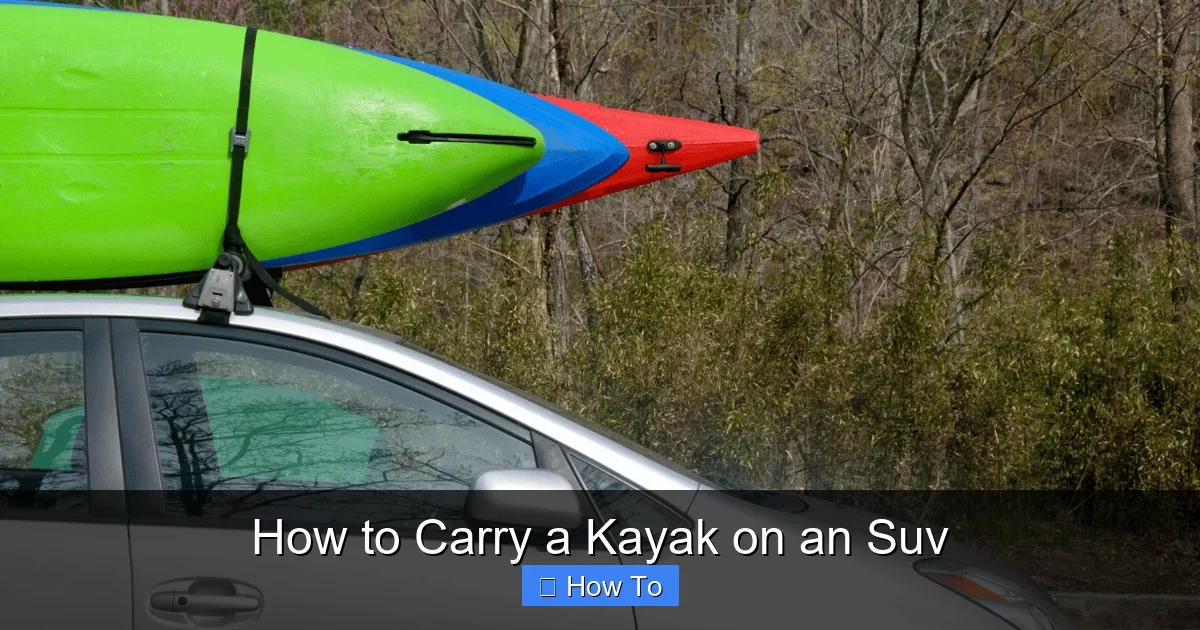
Transporting a kayak on an SUV doesn’t have to be stressful. This guide walks you through choosing the right roof rack, loading safely, securing your kayak, and driving with confidence—ensuring your adventure starts smoothly.
Key Takeaways
- Choose the right roof rack system: A proper roof rack is essential for safe kayak transport. Look for crossbars that support your kayak’s weight and length, and consider J-style or saddle-style carriers for added stability.
- Use proper padding and straps: Protect your kayak and vehicle with foam blocks or padded cradles and high-quality cam straps or ratchet straps. Avoid bungee cords—they can loosen during travel.
- Load the kayak correctly: Always lift with your legs, not your back, and position the kayak upside down on the rack to reduce wind resistance and improve stability.
- Secure the kayak at multiple points: Use bow and stern lines in addition to roof straps to prevent forward or backward movement, especially at high speeds or in windy conditions.
- Check local laws and height restrictions: Be aware of height limits in parking garages, drive-thrus, and low bridges. Measure your loaded vehicle height before heading out.
- Perform regular safety checks: Before every trip, inspect straps, racks, and tie-downs for wear or looseness. Re-tighten if needed during long drives.
- Practice loading and unloading: Build confidence by practicing in a safe, open area. Consider using a kayak loader or asking for help if lifting alone.
How to Carry a Kayak on an SUV
So you’ve got your kayak, your paddle, and your sense of adventure—now all you need is a safe way to get it to the water. Whether you’re heading to a serene lake, a rushing river, or the open ocean, knowing how to carry a kayak on an SUV is essential for a stress-free trip. The good news? It’s easier than you think—if you follow the right steps.
In this complete guide, we’ll walk you through everything you need to know about safely transporting your kayak on your SUV. From choosing the right equipment to loading, securing, and driving with your kayak in tow, we’ve got you covered. By the end, you’ll feel confident, prepared, and ready to hit the water—without worrying about your gear flying off the roof.
Let’s dive in.
Step 1: Choose the Right Roof Rack System
Visual guide about How to Carry a Kayak on an Suv
Image source: tripsavvy.com
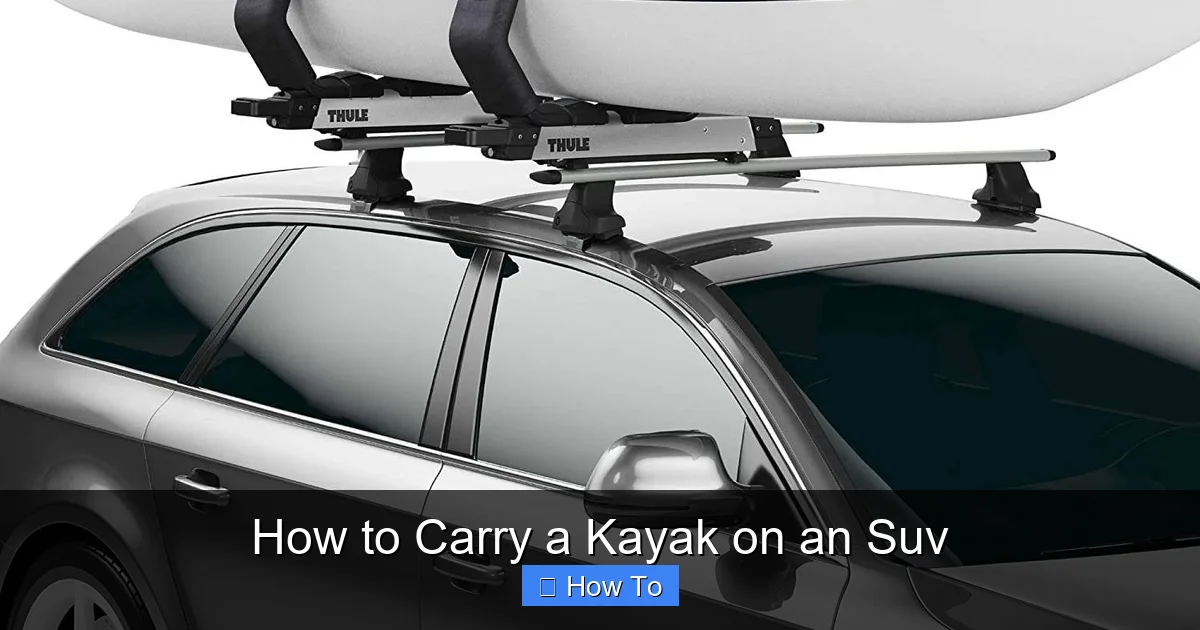
The foundation of safe kayak transport is a solid roof rack. Without it, you’re risking damage to your vehicle, your kayak, and even other drivers. Most SUVs come with factory-installed roof rails, but you’ll likely need to add crossbars and a kayak-specific carrier.
Check Your SUV’s Roof Rails
Start by inspecting your SUV’s roof. Many models have built-in roof rails—those raised bars running front to back along the edges of the roof. These are great because they provide anchor points for crossbars. If your SUV doesn’t have rails, don’t worry—you can install aftermarket ones or use a clamp-on system that attaches to the door frames.
Install Crossbars
Crossbars run perpendicular to the roof rails and support the weight of your kayak. Make sure they’re rated for the weight of your kayak—most recreational kayaks weigh between 40 and 80 pounds, but tandem or fishing kayaks can be heavier. Check your vehicle’s manual or the manufacturer’s website for the maximum dynamic (in-motion) load capacity. A typical SUV can handle 100–165 pounds on the roof, but always stay under that limit.
Popular crossbar brands include Thule, Yakima, and Rhino-Rack. They offer universal-fit systems that work with most SUVs. Look for crossbars with a textured surface or rubber coating to prevent slipping.
Select a Kayak Carrier
Once your crossbars are in place, you’ll need a carrier to hold the kayak. There are three main types:
- Saddle-style carriers: These hold the kayak flat on its bottom. They’re stable and great for long trips, but can cause wear on the hull over time if not padded properly.
- J-style carriers: These hold the kayak on its side at a 45-degree angle. They’re space-efficient (you can carry two kayaks side by side) and reduce wind resistance. However, they require more precise loading.
- Foam blocks: A budget-friendly option for occasional use. These rest directly on the roof or crossbars and cradle the kayak. They’re easy to use but less secure for high-speed or long-distance travel.
For most SUV owners, a set of saddle or J-style carriers offers the best balance of safety, convenience, and durability.
Step 2: Gather the Right Equipment
Visual guide about How to Carry a Kayak on an Suv
Image source: fishtalkmag.com
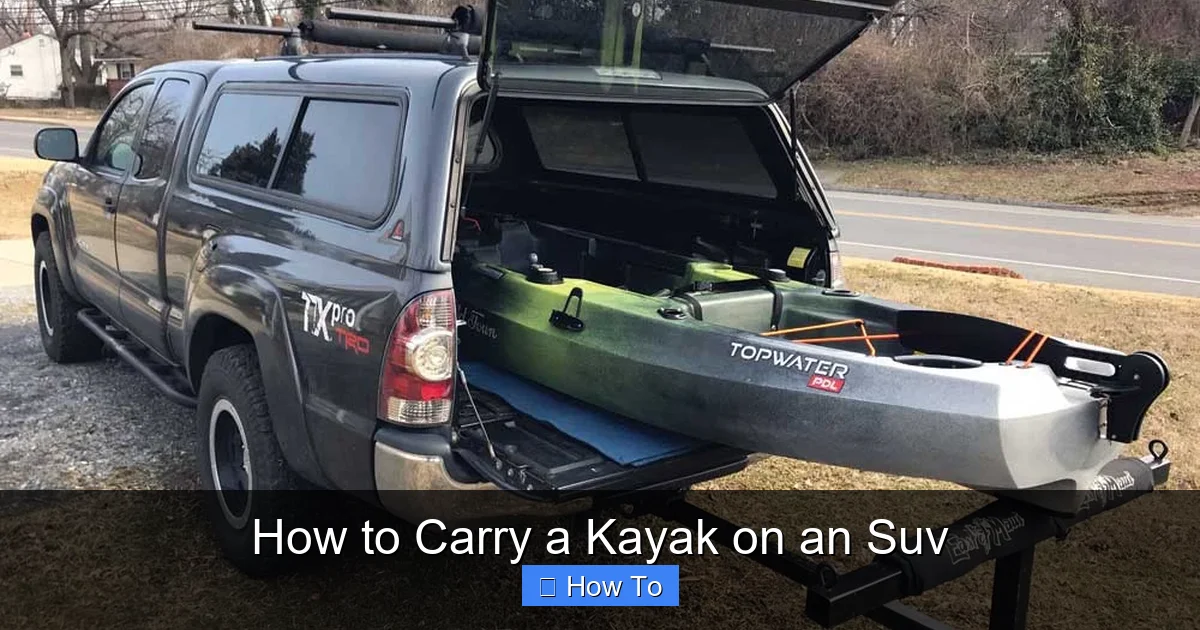
Before you load your kayak, make sure you have all the necessary gear. Skimping on equipment can lead to accidents or damage.
Essential Gear Checklist
- Roof rack and crossbars (already installed)
- Kayak carrier (saddle, J-style, or foam blocks)
- Cam straps or ratchet straps (at least two, 12–15 feet long)
- Bow and stern lines (also called tie-downs)
- Foam padding or pool noodles (if using foam blocks)
- Kayak cart or dolly (optional, but helpful for loading)
- Assistance (a friend or family member makes loading easier)
Avoid using bungee cords—they stretch and can come loose. Cam straps are preferred because they’re easy to tighten and won’t over-tighten and damage your kayak. Ratchet straps are strong but require caution—over-tightening can crack the hull.
Optional but Helpful Tools
- Kayak loader: A small ramp or pulley system that helps lift the kayak onto the roof.
- Roof rack step: A foldable step that attaches to your SUV’s bumper for easier access.
- Reflective flags or lights: Required in some states if your kayak extends more than 4 feet beyond the vehicle.
Step 3: Prepare Your Kayak and Vehicle
A little prep goes a long way in ensuring a smooth loading process.
Clean the Roof and Kayak
Dirt, gravel, or moisture can scratch your kayak or reduce friction between the hull and carrier. Wipe down the roof area where the kayak will sit and rinse off your kayak if it’s muddy or sandy.
Position Your SUV
Park on a level surface, ideally facing away from traffic. If possible, position the SUV so the roof is accessible from the side—this makes loading easier than reaching over the top.
Open All Doors
Open the rear and side doors to give yourself more room to maneuver. This also helps prevent accidental door dings when lifting the kayak.
Step 4: Load the Kayak Safely
Loading a kayak onto an SUV can be tricky—especially if you’re doing it alone. But with the right technique, it’s totally doable.
Lift with Your Legs, Not Your Back
Kayaks can be heavy, so proper lifting form is crucial. Bend your knees, keep your back straight, and lift using your leg muscles. If the kayak feels too heavy, don’t hesitate to ask for help.
Use a Two-Person Lift (Recommended)
The safest way to load a kayak is with two people. One person stands at the front, the other at the back. Lift together on the count of three, and place the kayak onto the roof rack.
Try a One-Person Loading Technique
If you’re solo, here’s a simple method:
- Lay the kayak on the ground behind the SUV, parallel to the vehicle.
- Slide one end of the kayak onto the rear crossbar.
- Walk forward, lifting the front end as you go, until the kayak is centered on the rack.
- Use a kayak cart or dolly to roll the kayak up a ramp if needed.
Some kayakers use a “rock and roll” method: lift one end, tilt the kayak onto the roof, then slide and lift the other end.
Position the Kayak Upside Down
Always transport your kayak upside down (hull up). This reduces wind resistance, improves aerodynamics, and prevents water from pooling inside. It also protects the cockpit and any gear inside.
Center the Kayak on the Rack
Make sure the kayak is centered between the front and rear crossbars. An unbalanced load can affect handling and increase the risk of shifting.
Step 5: Secure the Kayak Properly
This is the most important step. A poorly secured kayak can come loose, causing damage or injury.
Use Cam Straps or Ratchet Straps
Run two straps over the kayak and through the crossbars. Thread the strap through the carrier (if applicable), then pull tight and buckle. For J-style carriers, secure the kayak through the opening.
Tighten Evenly
Tighten both straps evenly to avoid warping the kayak. You want it snug—not so tight that it deforms the hull. A good rule of thumb: you should be able to press down on the kayak slightly, but it shouldn’t move side to side.
Add Bow and Stern Lines
This is a critical safety step often overlooked. Bow and stern lines connect the front (bow) and back (stern) of the kayak to the SUV’s bumper or tow hooks.
- Attach one end of a strap to the kayak’s bow handle or loop.
- Run it under the front bumper or to a secure tow hook.
- Tighten and secure with a cam buckle.
- Repeat for the stern.
These lines prevent the kayak from shifting forward or backward, especially during sudden stops or high winds.
Double-Check All Connections
Give each strap a firm tug to ensure it’s secure. Check that buckles are fully closed and straps aren’t twisted.
Step 6: Drive Safely with Your Kayak
Now that your kayak is loaded, it’s time to hit the road—but driving with a kayak requires extra caution.
Check Height and Clearance
Measure your vehicle’s total height with the kayak on top. Most SUVs are around 6–7 feet tall, and adding a kayak can push you over 8 feet. Watch for low bridges, drive-thrus, and parking garages. Use a height stick or app to check clearance in advance.
Adjust Your Driving
- Reduce speed: Wind resistance increases with a roof load. Drive slower than usual, especially on highways.
- Increase following distance: Your SUV will take longer to stop.
- Avoid sudden maneuvers: Sharp turns or quick lane changes can shift the load.
- Watch for crosswinds: High-profile vehicles are more affected by wind. Grip the wheel firmly in gusty conditions.
Make Regular Checks
Stop every 30–60 minutes to check your straps and lines. Vibration and wind can loosen them over time. Re-tighten if needed.
Troubleshooting Common Issues
Even with the best preparation, problems can arise. Here’s how to handle them.
Straps Keep Loosening
This usually happens due to vibration or poor tension. Use cam straps with built-in tensioners, or add a rubber band or strap keeper to prevent slipping. Avoid ratchet straps unless you’re experienced—they can over-tighten.
Kayak Shifts Side to Side
This means your straps aren’t tight enough or the kayak isn’t centered. Stop and re-secure immediately. Consider adding a third strap across the middle for extra stability.
Roof Rack Squeaks or Rattles
Check that all bolts and clamps are tight. Add rubber padding or foam tape between the crossbars and roof to reduce noise.
Kayak Gets Scratched
Use padded carriers or wrap the contact points with foam. Avoid dragging the kayak across the roof.
Difficulty Loading Alone
Invest in a kayak loader or ask a friend to help. Practice in a safe area until you’re comfortable.
Tips for Long-Distance or Off-Road Trips
If you’re traveling far or heading off the beaten path, take extra precautions.
- Use a roof cover: Protects your kayak from sun, rain, and road debris.
- Carry spare straps: In case one breaks.
- Secure loose gear: Make sure paddles, life jackets, and dry bags are stored inside the vehicle.
- Plan your route: Avoid roads with low clearance or heavy wind exposure.
- Consider a trailer: For frequent or heavy use, a kayak trailer may be more convenient than a roof rack.
Conclusion
Carrying a kayak on an SUV doesn’t have to be a daunting task. With the right equipment, proper technique, and a little practice, you can transport your kayak safely and confidently to any body of water. Remember: safety starts with a solid roof rack, secure straps, and bow and stern lines. Always double-check your setup before driving, and adjust your driving habits to account for the added height and wind resistance.
Whether you’re a weekend warrior or a seasoned paddler, mastering how to carry a kayak on an SUV opens up a world of adventure. So load up, buckle down, and get out there—your next great paddle is waiting.