
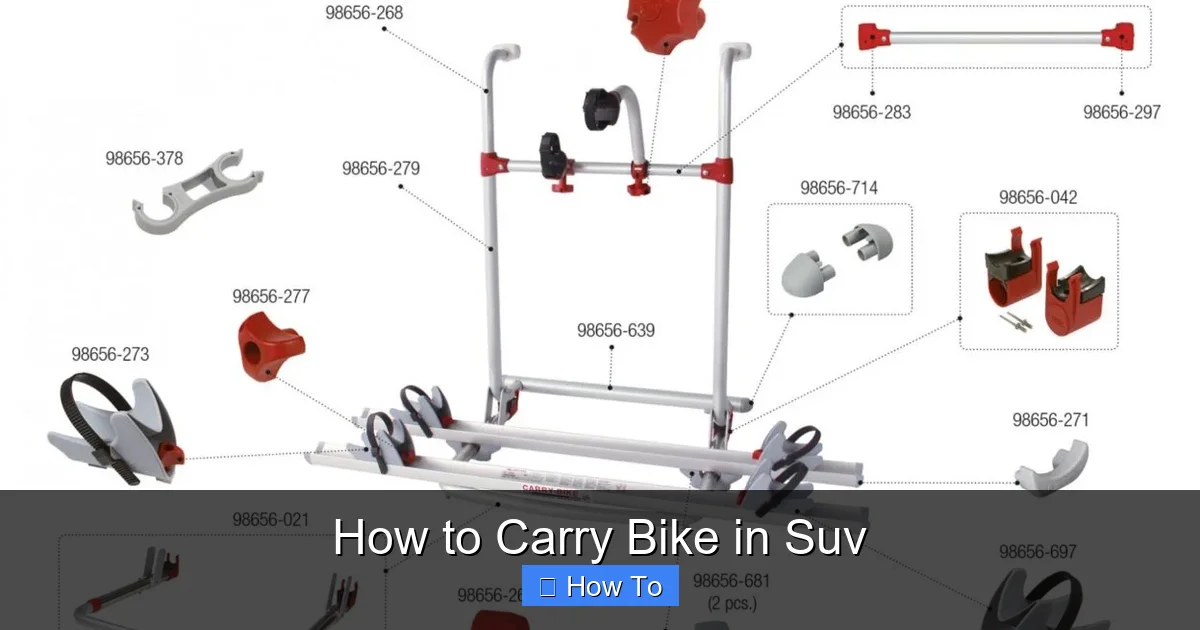
Discover the best ways to carry your bike in an SUV, from roof and hitch racks to interior storage. This guide covers safety, gear selection, and step-by-step instructions to protect your bike and vehicle.
Key Takeaways
- Choose the right bike rack: Roof, hitch, trunk, or interior—each has pros and cons based on your SUV model and bike type.
- Prioritize safety: Always secure your bike properly, check weight limits, and perform a pre-trip inspection.
- Protect your vehicle and bike: Use padding, straps, and covers to prevent scratches, dings, and damage during transport.
- Consider ease of use: Hitch racks are often easier to load and unload than roof racks, especially for heavier bikes.
- Check local laws: Some areas have regulations on bike visibility, overhang, and lighting when transporting bikes.
- Test before long trips: Do a short drive to ensure stability, clearance, and that nothing shifts or rattles.
- Maintain your rack: Regular cleaning and inspection extend the life of your rack and improve safety.
How to Carry Bike in SUV
Whether you’re heading to the mountains for a weekend trail ride or just commuting to your local park, knowing how to carry a bike in an SUV safely and efficiently is essential. SUVs are popular for their space and versatility, making them ideal for transporting bikes. But without the right setup, you risk damaging your bike, your vehicle, or even causing a hazard on the road.
This comprehensive guide will walk you through every step of how to carry a bike in an SUV—from choosing the best bike rack to securing your bike and driving safely. You’ll learn about different mounting options, safety tips, and how to avoid common mistakes. By the end, you’ll be confident loading your bike and hitting the road with peace of mind.
Why Proper Bike Transport Matters
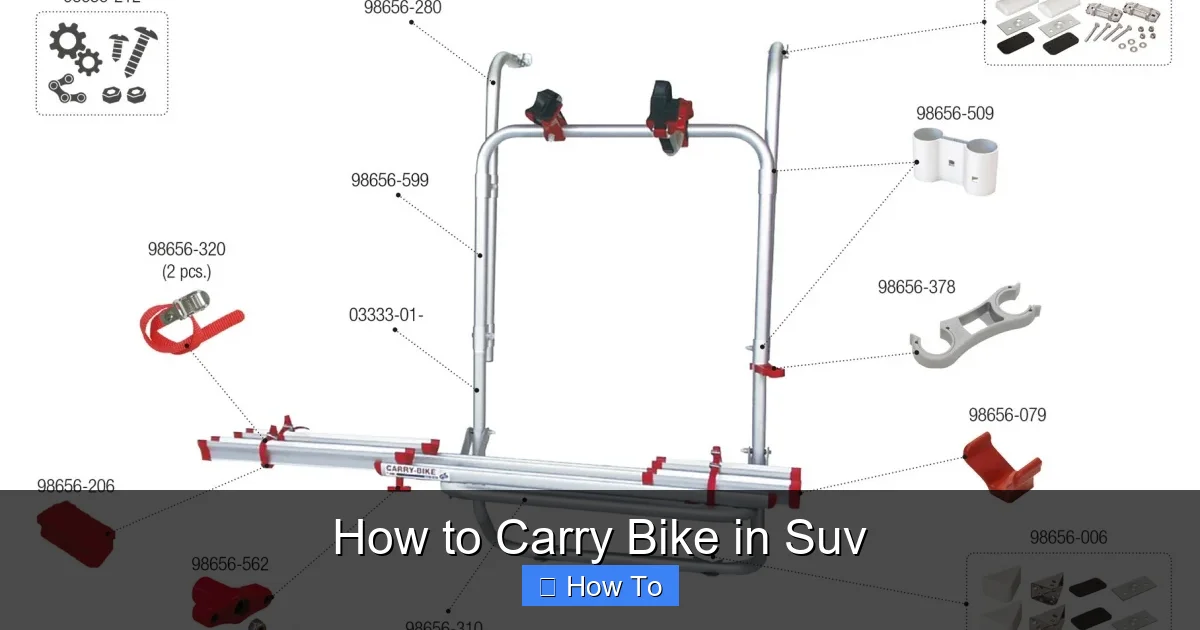
Visual guide about How to Carry Bike in Suv
Image source: pioneer-leisure.co.uk
Transporting a bike isn’t just about tossing it in the back and driving off. A poorly secured bike can shift during transit, scratch your SUV’s paint, or even fall off while driving—creating a dangerous situation for you and other drivers. Worse, an unsecured bike can damage its frame, wheels, or components, leading to costly repairs.
Proper transport also protects your SUV. Roof racks, for example, can increase wind resistance and reduce fuel efficiency if not installed correctly. Hitch racks must be compatible with your vehicle’s towing capacity. And interior storage requires careful packing to avoid interior damage.
By following best practices, you ensure your bike arrives in perfect condition, your SUV stays protected, and your journey is safe and stress-free.
Types of Bike Racks for SUVs
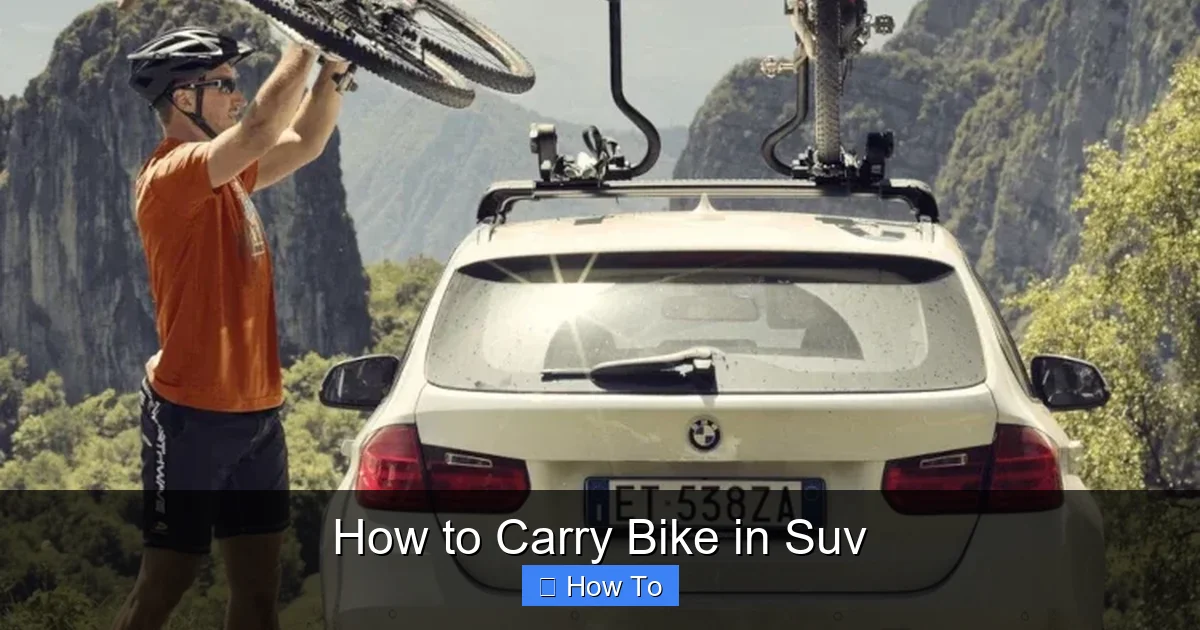
Visual guide about How to Carry Bike in Suv
Image source: car-roofracks.co.uk
There are four main types of bike racks designed for SUVs: roof racks, hitch racks, trunk racks, and interior storage. Each has unique advantages and drawbacks, so choosing the right one depends on your SUV model, bike type, frequency of use, and personal preference.
Roof Racks
Roof racks mount directly to your SUV’s roof rails or crossbars. They hold bikes upright or horizontally using clamps that attach to the frame or wheels.
Pros:
– Keeps the rear of your SUV free for passengers or cargo.
– Great for multiple bikes (some models hold up to 4).
– Doesn’t block the rear window or license plate.
Cons:
– Requires lifting the bike overhead—can be difficult with heavy e-bikes.
– Increases vehicle height, which may be an issue in low-clearance areas like parking garages.
– Can reduce fuel efficiency due to added wind resistance.
– More exposed to weather and road debris.
Best for: Frequent riders with lighter bikes and SUVs equipped with roof rails.
Hitch Racks
Hitch racks attach to a 1.25-inch or 2-inch receiver hitch. They’re one of the most popular options because they’re stable, easy to use, and don’t require lifting the bike overhead.
Pros:
– Easy to load and unload—bikes sit at waist or chest height.
– Stable and secure, even at high speeds.
– Many models tilt or fold down for trunk access.
– Great for heavy bikes, including e-bikes.
Cons:
– Requires a hitch receiver (may need installation).
– Can block rearview camera or license plate (some models include extensions).
– May reduce ground clearance on steep driveways.
Best for: Most SUV owners, especially those with heavier bikes or who transport bikes frequently.
Trunk Racks
Trunk racks strap onto the rear hatch of your SUV using hooks and straps. They’re typically the most affordable option.
Pros:
– Inexpensive and easy to install.
– No permanent modifications needed.
– Lightweight and portable.
Cons:
– Less secure than hitch or roof racks.
– Can scratch paint if not padded properly.
– Blocks rear window and license plate.
– Not ideal for heavy or expensive bikes.
Best for: Occasional use, budget-conscious buyers, or as a temporary solution.
Interior Storage
Some SUVs have enough cargo space to store bikes inside. This method protects the bike from weather and theft but requires removing wheels and sometimes the handlebars.
Pros:
– Full protection from weather, dirt, and theft.
– No external modifications needed.
– Keeps the bike out of sight.
Cons:
– Takes up significant cargo space.
– Requires disassembly (wheels, sometimes handlebars).
– Risk of scratching interior or damaging bike components if not packed properly.
– Not practical for long trips with passengers.
Best for: Short trips, valuable bikes, or when security is a top concern.
How to Choose the Right Rack for Your SUV
With so many options, selecting the right bike rack can feel overwhelming. Here’s a simple process to help you decide:
Step 1: Assess Your SUV’s Features
Check if your SUV has:
– Roof rails or crossbars
– A hitch receiver (and its size: 1.25″ or 2″)
– Enough cargo space for interior storage
If your SUV lacks a hitch, you may need to install one—most auto shops can do this for $100–$300.
Step 2: Consider Your Bike Type
– Standard bikes: Most racks work well.
– E-bikes: Heavy (often 50+ lbs)—choose a hitch rack with a high weight capacity.
– Mountain bikes: Wider tires may require wheel trays or adapters.
– Carbon frames: Avoid frame-clamping racks; use wheel-based systems to prevent damage.
Step 3: Think About Frequency and Convenience
– If you ride weekly, invest in a durable hitch or roof rack.
– For occasional use, a trunk rack or interior storage may suffice.
– If you have passengers or cargo, a roof or hitch rack keeps the interior free.
Step 4: Set a Budget
– Trunk racks: $50–$150
– Hitch racks: $150–$600
– Roof racks: $200–$800 (including crossbars)
– Interior storage: Free (if you already have space), but may need wheel bags or straps
Step 5: Read Reviews and Check Compatibility
Look for racks with high user ratings and confirm they’re compatible with your SUV model and bike type. Brands like Thule, Yakima, Kuat, and Saris are known for quality and reliability.
Step-by-Step: How to Carry a Bike in an SUV Using a Hitch Rack
Hitch racks are among the most user-friendly and secure options. Here’s how to install and use one safely.
Step 1: Install the Hitch Receiver (If Needed)
If your SUV doesn’t have a hitch, have one installed by a professional. Most SUVs can accommodate a 2-inch receiver, which supports heavier loads.
Step 2: Attach the Rack to the Hitch
1. Slide the rack’s shank into the hitch receiver.
2. Insert the hitch pin and secure it with a lock or clip.
3. Tighten the anti-rattle bolt (if included) to reduce wobble.
Tip: Use a hitch lock to prevent theft.
Step 3: Prepare Your Bike
– Remove any loose items (water bottles, pumps, lights).
– If your rack uses frame clamps, consider using frame protectors to prevent scratches.
– For wheel trays, ensure tires are properly seated.
Step 4: Load the Bike
1. Lift the bike and place the front wheel into the designated tray.
2. Secure the wheel with the provided strap or clamp.
3. Repeat for the rear wheel.
4. Use the frame clamp (if applicable) to stabilize the bike—avoid clamping on carbon frames.
5. Tighten all straps and clamps firmly.
Tip: Load the heaviest bike closest to the vehicle for better balance.
Step 5: Secure and Check
– Double-check all straps and clamps.
– Give the bike a gentle shake to ensure it’s stable.
– Make sure the rack doesn’t block the license plate or taillights (use an extension if needed).
Step 6: Test Drive
Take a short drive around the block. Listen for rattling or movement. If anything feels loose, stop and re-secure.
Step-by-Step: How to Carry a Bike in an SUV Using a Roof Rack
Roof racks are great for keeping the rear clear, but they require more effort to load.
Step 1: Install Roof Crossbars (If Needed)
Most SUVs come with roof rails, but you may need to add crossbars. Follow the manufacturer’s instructions to attach them securely.
Step 2: Mount the Bike Carrier
1. Attach the bike carrier to the crossbars using the provided clamps.
2. Adjust the position so the bike will sit centered and balanced.
3. Tighten all bolts and clamps.
Step 3: Prepare the Bike
– Remove front wheel if using a fork-mount carrier.
– Use protective pads on the frame contact points.
Step 4: Load the Bike
1. Lift the bike onto the roof—use a step stool or ask for help.
2. For fork-mount racks: Secure the fork to the carrier using the skewer or clamp.
3. For frame-mount racks: Clamp the frame securely, avoiding carbon areas.
4. Reattach the front wheel if removed and secure it in a wheel holder.
Step 5: Secure and Inspect
– Ensure all clamps are tight.
– Check that the bike doesn’t wobble.
– Confirm the total height (SUV + bike) won’t hit low bridges or garage doors.
Step 6: Drive Cautiously
– Avoid sudden maneuvers.
– Monitor fuel efficiency—roof racks can reduce it by 10–20%.
– Remove the rack when not in use to reduce wind resistance.
Step-by-Step: How to Carry a Bike Inside an SUV
For maximum protection, some riders prefer interior storage.
Step 1: Clear the Cargo Area
Remove any loose items. Fold down rear seats if needed.
Step 2: Remove Wheels
– Use a quick-release lever or wrench to remove both wheels.
– Store wheels in wheel bags to protect the interior.
Step 3: Disassemble (If Necessary)
– For tight spaces, remove the handlebars (use an Allen key).
– Lower or remove the seat post.
Step 4: Place the Bike
– Lay the frame on its side or stand it upright.
– Use foam pads or blankets to prevent scratches.
– Secure the bike with ratchet straps anchored to cargo hooks.
Step 5: Pack Accessories
Store wheels, tools, and gear in bins or bags to keep the area tidy.
Tip: Use a cargo mat or old blanket to protect the floor.
Safety Tips for Transporting Bikes
No matter which method you use, safety should always come first.
Check Weight Limits
Never exceed your SUV’s roof or hitch weight capacity. Most SUVs can handle 100–165 lbs on the roof and 200–300 lbs on a hitch.
Secure All Straps and Clamps
Loose straps can snap or loosen during driving. Use high-quality, UV-resistant straps and check them every 50 miles on long trips.
Protect Your Vehicle
– Use frame protectors on clamps.
– Apply paint protection film to areas prone to scratches.
– Cover the bike with a bike bag or tarp in bad weather.
Ensure Visibility
Make sure your license plate and taillights are visible. If a rack blocks them, use an extension or auxiliary lights.
Follow Local Laws
Some states require bikes to be covered or have reflective tape. Check your local DMV guidelines.
Perform Regular Maintenance
Clean your rack after each use, especially if exposed to salt or dirt. Inspect for rust, cracks, or loose parts.
Troubleshooting Common Issues
Even with the best setup, problems can arise. Here’s how to handle them.
Bike Shakes or Wobbles While Driving
– Cause: Loose straps or improper loading.
– Fix: Stop and re-secure all clamps and straps. Ensure the bike is centered and balanced.
Rack Blocks Rearview Camera
– Cause: Hitch rack extends too far back.
– Fix: Use a rack with a tilt feature or install a camera extension.
Scratches on SUV Paint
– Cause: Metal clamps or straps rubbing against the vehicle.
– Fix: Use padded covers, foam tubing, or switch to a wheel-based rack.
Reduced Fuel Efficiency
– Cause: Roof rack increases wind resistance.
– Fix: Remove the rack when not in use or switch to a hitch rack.
Bike Doesn’t Fit the Rack
– Cause: Wrong rack for bike type (e.g., fat tires, step-through frame).
– Fix: Use an adapter or choose a rack designed for your bike style.
Conclusion
Knowing how to carry a bike in an SUV doesn’t have to be complicated. With the right rack, proper setup, and attention to safety, you can transport your bike securely and efficiently. Whether you choose a hitch rack for ease of use, a roof rack for cargo space, or interior storage for protection, the key is to match the method to your needs and vehicle.
Always prioritize safety, protect your bike and SUV, and perform regular checks. A little preparation goes a long way in ensuring smooth, stress-free rides—both on and off the trail.
Now that you’re equipped with this complete guide, you’re ready to load up and ride with confidence. Happy cycling!