
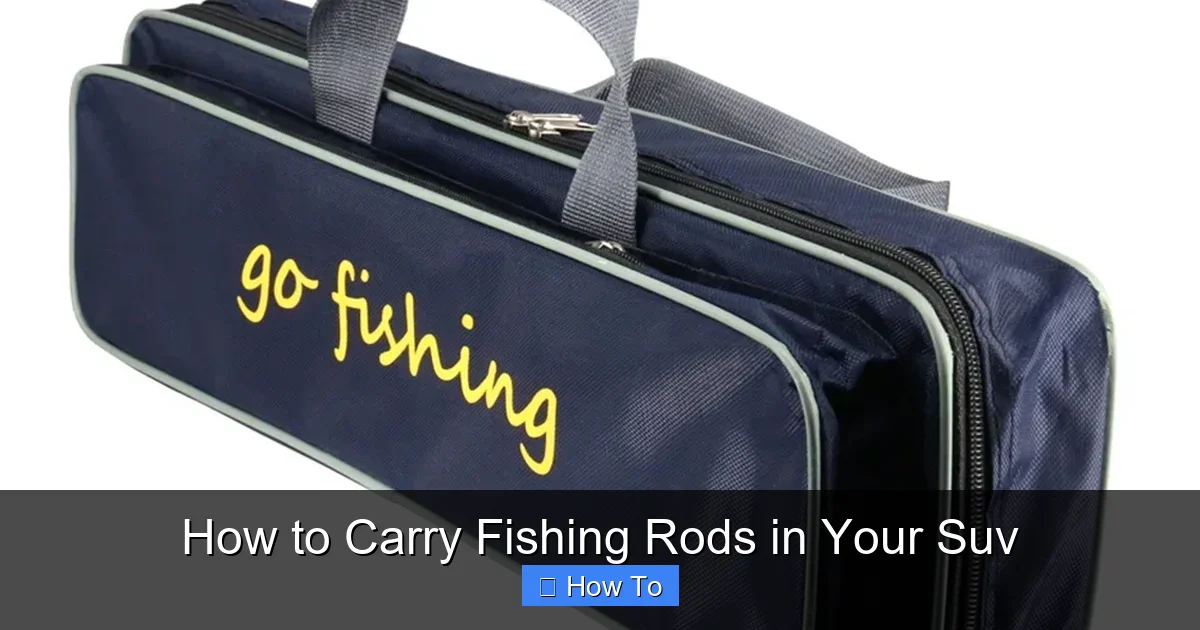
This guide teaches you how to carry fishing rods in your SUV without damage or hassle. You’ll discover smart storage solutions, DIY tricks, and must-have accessories for every angler.
Key Takeaways
- Choose the right storage method: Decide between roof racks, interior rod tubes, or rear cargo organizers based on your SUV size and fishing frequency.
- Protect your rods during transport: Use rod sleeves, cases, or soft covers to prevent scratches, bends, and breakage.
- Secure rods to avoid shifting: Always tie down or clamp rods so they don’t move during sudden stops or turns.
- Maximize interior space: Fold down seats or use vertical storage to fit more rods without crowding passengers.
- Consider weather and security: Keep rods out of direct sunlight and lock them when parked to prevent theft.
- Use DIY solutions on a budget: PVC pipes, pool noodles, and bungee cords can create affordable rod storage setups.
- Maintain your gear: Regularly check rod tips, guides, and reels after transport to ensure they’re ready for the next trip.
How to Carry Fishing Rods in Your SUV
So you’ve packed your tackle box, loaded up the cooler, and called up your fishing buddy—now it’s time to hit the road. But wait… how do you safely carry your fishing rods in your SUV without bending, breaking, or tangling them?
Transporting fishing rods might seem simple, but doing it wrong can lead to damaged gear, frustrated passengers, or even safety hazards. Whether you’re heading to a nearby lake or driving hours to a remote river, knowing how to carry fishing rods in your SUV the right way makes all the difference.
In this complete guide, we’ll walk you through every method—from high-tech roof racks to clever DIY hacks—so you can transport your rods safely, securely, and with minimal hassle. You’ll learn how to protect your investment, save space, and keep your SUV organized for every fishing adventure.
Let’s dive in.
Why Proper Rod Transport Matters
Visual guide about How to Carry Fishing Rods in Your Suv
Image source: i.ytimg.com
Fishing rods are delicate, expensive, and often customized to your fishing style. A snapped tip, bent guide, or scratched blank can ruin your day on the water. Worse, a loose rod flying around your SUV during a sudden stop could injure someone or damage your vehicle.
Proper transport isn’t just about convenience—it’s about safety and gear longevity. When rods are secured and protected, they arrive at your destination ready to perform. Plus, a well-organized SUV means more space for coolers, chairs, and snacks.
Whether you’re a weekend warrior or a full-time angler, mastering how to carry fishing rods in your SUV ensures you spend less time fixing gear and more time catching fish.
Assess Your SUV and Fishing Needs
Visual guide about How to Carry Fishing Rods in Your Suv
Image source: storables.com
Before choosing a storage method, take a moment to evaluate your setup.
What type of SUV do you have?
SUVs come in all shapes and sizes—compact crossovers, midsize SUVs, and full-size trucks with SUV bodies. Each has different cargo space, roof strength, and interior layout.
– Compact SUVs (like a Honda CR-V or Toyota RAV4) have limited interior space but often come with roof rails.
– Midsize SUVs (like a Ford Explorer or Jeep Grand Cherokee) offer more room and flexible seating.
– Full-size SUVs (like a Chevrolet Tahoe or Ford Expedition) have massive cargo areas and optional third-row seating.
Your SUV’s size will influence whether you store rods inside, on the roof, or in the cargo area.
How many rods do you carry?
Are you a solo angler with one or two rods? Or do you travel with a group, packing four or more? The number of rods affects your storage needs.
– 1–2 rods: Easy to manage with interior storage.
– 3–5 rods: May require a rod tube or roof rack.
– 6+ rods: Consider a dedicated rod carrier or trailer.
How often do you fish?
If you fish weekly, investing in a permanent solution like a roof rack or interior organizer makes sense. Occasional anglers might prefer portable or DIY options.
Do you travel with passengers?
If your SUV regularly carries family or friends, you’ll want a solution that doesn’t block legroom or seating. Fold-down seats and vertical storage can help.
Method 1: Storing Fishing Rods Inside Your SUV
The safest place for your rods is inside your vehicle—protected from weather, theft, and road debris. Here’s how to do it right.
Use the Rear Cargo Area
Most SUVs have a large rear cargo space perfect for storing rods horizontally or vertically.
– Horizontal storage: Lay rods flat across the cargo floor. Use a non-slip mat or towel underneath to prevent sliding.
– Vertical storage: Stand rods upright in a corner or against the back of the rear seats. Secure them with bungee cords or straps.
Tip: If your SUV has fold-flat rear seats, you can extend the cargo area for longer rods.
Fold Down the Rear Seats
Many SUVs allow you to fold down part or all of the rear seats. This creates a long, flat surface ideal for laying rods diagonally from the cargo area into the cabin.
– Fold the seats completely flat if possible.
– Use a protective cover or blanket to prevent scratches.
– Secure rods with straps or tie-downs.
Example: In a Toyota Highlander, folding the second and third rows gives you over 7 feet of continuous space—enough for most 7- to 9-foot rods.
Use Rod Tubes or Cases
Rod tubes are hard or soft protective cases designed to hold one or more rods. They’re great for long trips or when you want maximum protection.
– Hard cases: Offer the best protection but take up more space.
– Soft sleeves: Lightweight and flexible, ideal for short trips.
Tip: Look for tubes with padded interiors and secure zippers. Some even have wheels for easy transport.
DIY Interior Rod Rack
You can build a simple rod rack using PVC pipes or pool noodles.
– Cut a pool noodle lengthwise and attach it to the cargo floor with Velcro or straps.
– Slide rod handles into the foam to hold them in place.
– For PVC, create a U-shaped channel and mount it under the cargo cover.
This method keeps rods from rolling and protects them from impacts.
Method 2: Using Roof Racks and Roof-Mounted Rod Carriers
If your SUV has roof rails or crossbars, a roof-mounted rod carrier is a smart choice—especially if interior space is tight.
Install Roof Crossbars (If Needed)
Most SUVs come with roof rails, but you’ll need crossbars to attach carriers.
– Check your owner’s manual for weight limits and installation instructions.
– Choose crossbars that fit your SUV model (e.g., Thule, Yakima, or OEM parts).
– Ensure they’re securely tightened before loading.
Choose a Roof Rod Carrier
Roof carriers come in two main types:
– Clamp-style carriers: Hold rods vertically or horizontally using padded clamps. Easy to load and unload.
– Tube-style carriers: Enclose rods in a protective tube. Great for long trips or harsh weather.
Popular brands include Yakima, Thule, and SeaSucker. Prices range from $100 to $300.
Load and Secure Your Rods
– Place rods in the carrier with the tips facing forward to reduce wind resistance.
– Use the carrier’s built-in straps or clamps to secure each rod.
– Double-check that all rods are tight and won’t shift during driving.
Tip: Cover rod tips with soft caps or socks to prevent damage from wind or debris.
Pros and Cons of Roof Storage
- Pros: Frees up interior space, protects rods from interior hazards, easy access.
- Cons: Increases wind resistance and fuel consumption, rods exposed to weather, risk of theft if not locked.
Method 3: Using Cargo Area Organizers and Straps
For anglers who want to keep rods inside but need better organization, cargo organizers are a game-changer.
Use a Cargo Net or Mesh Organizer
These attach to the back of the rear seats or cargo walls and hold rods vertically.
– Look for nets with multiple pockets or loops.
– Secure rods by the handle or reel seat.
– Prevents rods from falling over during turns.
Install Tie-Down Straps or Hooks
Use adjustable straps with hooks to anchor rods to cargo tie-down points.
– Most SUVs have built-in anchor points in the cargo floor.
– Loop straps around rod handles and tighten.
– Use foam padding to protect rod blanks.
Try a Cargo Barrier or Divider
A barrier separates the cargo area from the passenger cabin, creating a dedicated rod zone.
– Prevents rods from sliding into the back seats.
– Some models are foldable or removable.
– Great for families who need passenger space.
Method 4: DIY and Budget-Friendly Solutions
You don’t need expensive gear to carry rods safely. Here are some clever DIY ideas.
PVC Pipe Rod Holder
Build a custom rod holder using PVC pipes and fittings.
– Cut a 4-inch PVC pipe to the length of your longest rod.
– Attach end caps and drill small holes for ventilation.
– Mount it vertically in the cargo area using brackets or straps.
This creates a sturdy, protective tube for one or more rods.
Pool Noodle Rod Protector
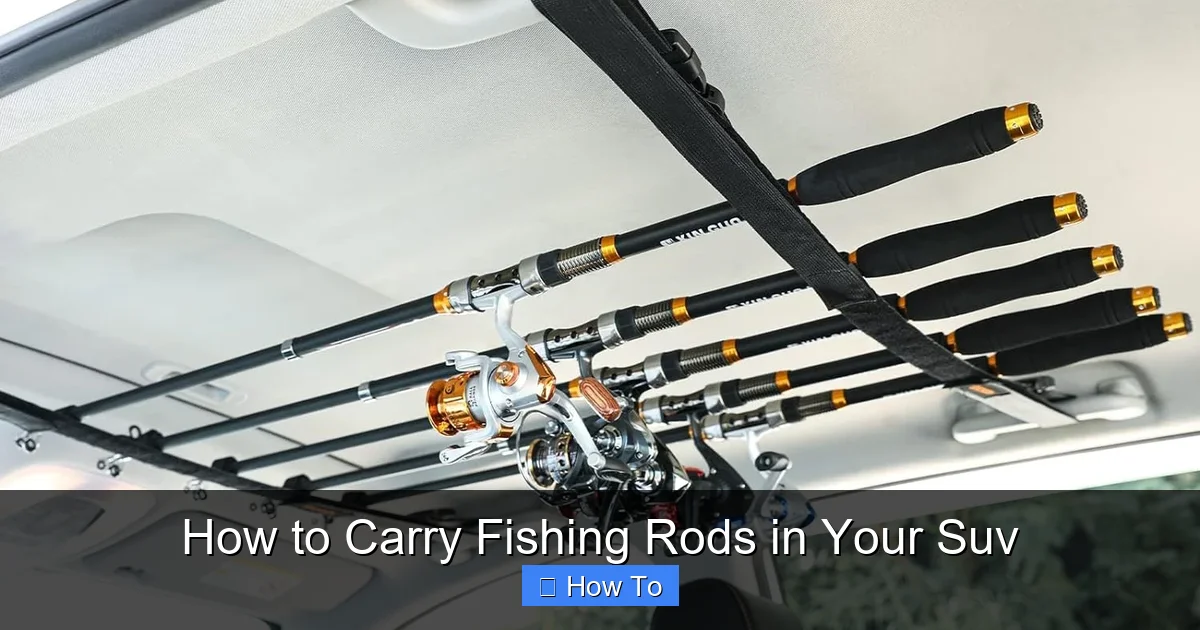
Slice a pool noodle lengthwise and attach it to the cargo floor or roof lining.
– Slide rod handles into the foam.
– Keeps rods separated and cushioned.
– Costs less than $5.
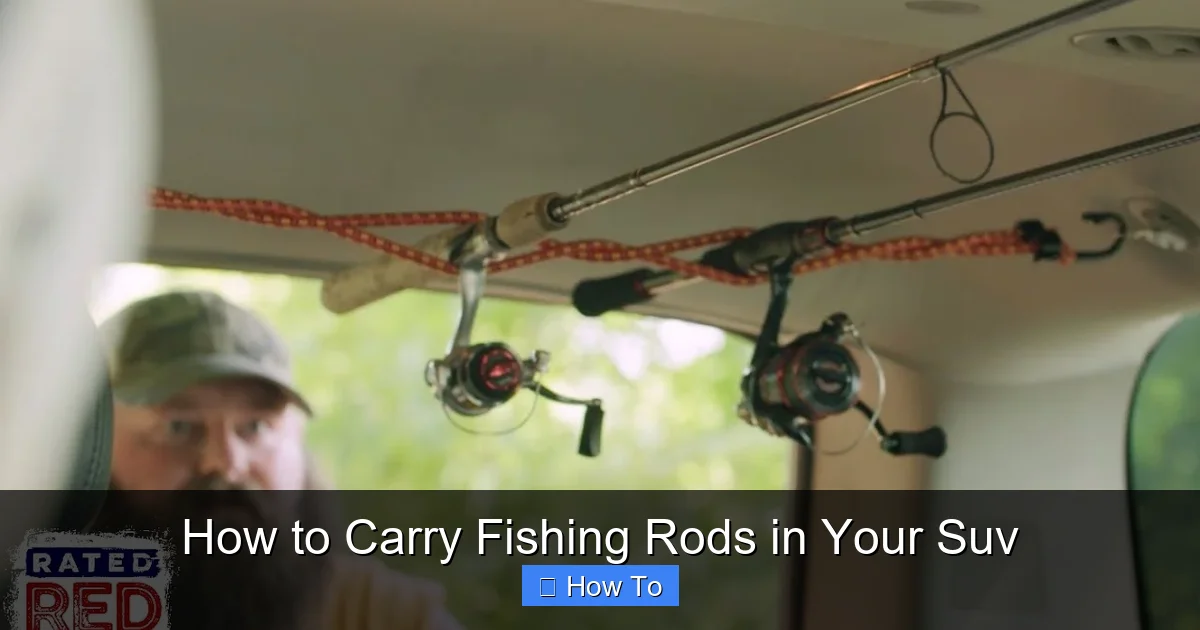
Bungee Cord and Hook System
Use bungee cords with hooks to create a custom rod net.
– Attach hooks to cargo tie-down points.
– Stretch bungee cords across the cargo area in a grid pattern.
– Tuck rods under the cords to hold them in place.
This method is quick, flexible, and reusable.
Protecting Your Rods During Transport
No matter which method you use, protection is key.
Use Rod Sleeves or Socks
Soft fabric sleeves slide over rod blanks to prevent scratches and tangling.
– Choose breathable, water-resistant materials.
– Look for sleeves with tip protectors.
– Store reels separately or use reel covers.
Remove Reels (Optional)
For long trips or rough roads, consider removing reels and storing them in your tackle box.
– Prevents damage to reel seats and guides.
– Reduces weight on the rod blank.
– Use reel bags for extra protection.
Check for Loose Parts
Before driving, inspect your setup:
– Are rods secure and not shifting?
– Are straps tight and hooks locked?
– Are tips protected and not exposed?
A quick check can prevent costly damage.
Troubleshooting Common Problems
Even with the best setup, issues can arise. Here’s how to fix them.
Rods Keep Sliding Around
– Use non-slip mats or rubberized shelf liner in the cargo area.
– Add more tie-down points or bungee cords.
– Switch to a rod tube or case for better containment.
Rods Are Too Long for the SUV
– Fold down rear seats to extend space.
– Use a roof carrier for extra length.
– Consider a shorter travel rod or two-piece rod.
Rods Get Tangled
– Store rods individually in sleeves or tubes.
– Use a divider or organizer to keep them separated.
– Avoid stacking rods on top of each other.
Rods Get Damaged on the Roof
– Always use tip protectors.
– Avoid high speeds on rough roads.
– Check carrier clamps regularly for wear.
Theft Concerns
– Never leave rods unattended on the roof.
– Use locking roof carriers or cable locks.
– Park in well-lit, secure areas.
Tips for Long-Distance Trips
Fishing road trips require extra planning.
Pack Smart
– Use a checklist to ensure you have all gear.
– Store fragile items (like reels) in padded cases.
– Keep essentials (snacks, water, first aid) within reach.
Check Weather Conditions
– Avoid driving in high winds with rods on the roof.
– Cover rods during rain or snow.
– Use sunshades to prevent UV damage.
Take Breaks
– Stop every few hours to check rod security.
– Stretch your legs and enjoy the scenery.
– Re-tighten straps if needed.
Maintaining Your Gear After Transport
Your job isn’t done when you arrive.
Inspect Rods and Reels
– Check for cracks, bends, or loose guides.
– Clean rods with a soft cloth and mild soap.
– Lubricate reel parts if exposed to saltwater.
Store Rods Properly at Home
– Hang rods vertically or store them in a rod locker.
– Avoid leaning them against walls where they can fall.
– Keep them away from heat sources and direct sunlight.
Clean Your SUV
– Remove mud, sand, and fishing line from the cargo area.
– Vacuum regularly to prevent buildup.
– Use a cargo liner to protect the floor.
Conclusion
Knowing how to carry fishing rods in your SUV is essential for every angler. Whether you use a high-tech roof rack, a DIY pool noodle holder, or a simple cargo net, the goal is the same: protect your rods, save space, and stay safe on the road.
Start by assessing your SUV and fishing habits. Choose a method that fits your needs—interior storage for protection, roof carriers for space, or DIY solutions for budget-friendly options. Always secure your rods, use protective covers, and inspect your setup before driving.
With the right approach, you’ll spend less time worrying about transport and more time enjoying the catch. So pack up, hit the road, and make every fishing trip a success.