
This guide teaches you how to carry lumber in an SUV without damage or danger. You’ll learn smart loading techniques, must-have equipment, and safety tips for smooth transport.
Key Takeaways
- Measure your cargo and SUV space first: Know the length, weight, and dimensions of your lumber and compare them to your vehicle’s interior and roof capacity to avoid overloading.
- Use proper securing tools: Ratchet straps, bungee cords, and foam padding are essential to keep lumber stable and prevent shifting during transit.
- Load lumber safely through the rear or side doors: Slide boards in flat or at an angle, depending on length, and avoid forcing them to prevent damage to your SUV or the wood.
- Consider a roof rack for long boards: If lumber exceeds your SUV’s interior length, use a roof rack with crossbars and secure the load with straps and edge protectors.
- Protect your SUV’s interior: Use moving blankets, cardboard, or plastic sheeting to shield seats, floors, and trim from scratches, splinters, and moisture.
- Drive cautiously with a loaded SUV: Allow extra stopping distance, avoid sharp turns, and check your load periodically to ensure everything stays secure.
- Unload carefully to avoid injury: Use proper lifting techniques, ask for help with heavy pieces, and remove straps gradually to prevent sudden shifts.
How to Carry Lumber in an SUV: A Complete Step-by-Step Guide
Whether you’re a weekend DIYer, a contractor, or just helping a friend move, knowing how to carry lumber in an SUV is a valuable skill. SUVs are versatile vehicles—spacious, powerful, and capable of handling heavy loads. But transporting lumber safely requires more than just tossing boards in the back. Without proper planning, you risk damaging your vehicle, the wood, or worse—causing a dangerous accident on the road.
In this guide, you’ll learn everything you need to know about safely and efficiently transporting lumber in your SUV. From measuring your load to securing it properly and driving with confidence, we’ll walk you through each step. You’ll also discover essential gear, smart loading techniques, and tips to protect both your vehicle and your cargo.
By the end of this guide, you’ll be able to haul everything from 2x4s to plywood sheets with ease and peace of mind. Let’s get started!
Step 1: Assess Your Lumber and SUV Capacity

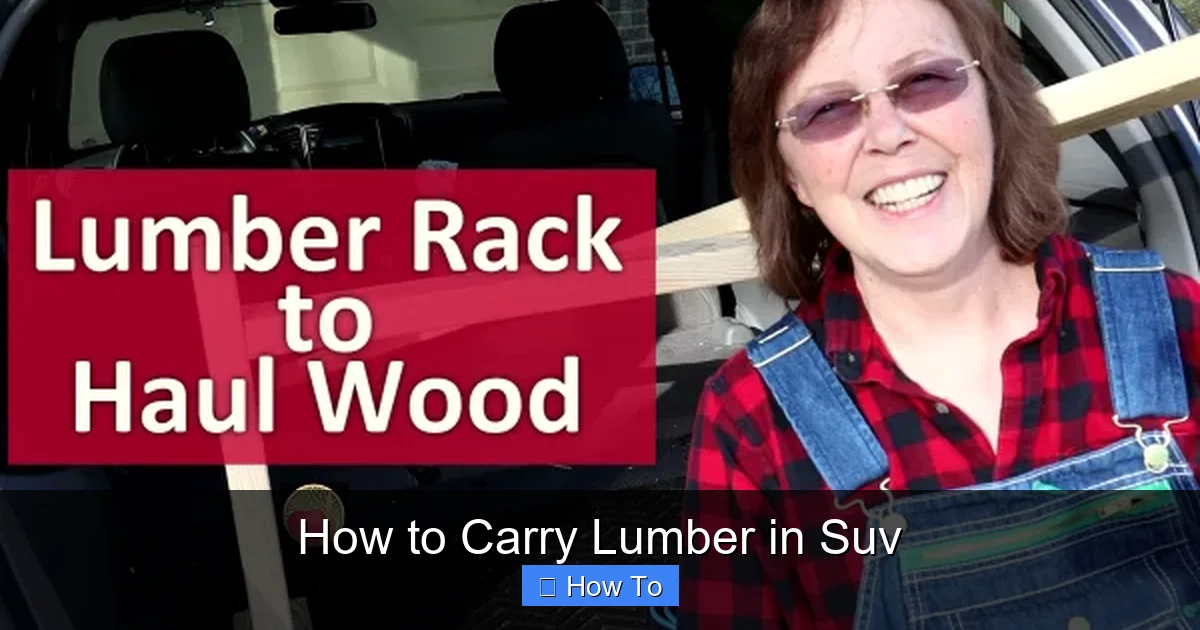
Visual guide about How to Carry Lumber in Suv
Image source: thumbs.dreamstime.com
Before you even touch a piece of wood, take a moment to evaluate what you’re working with. This first step is crucial for safe and successful transport.
Measure the Lumber
Start by measuring the length, width, and thickness of your lumber. Common lengths include 8, 10, and 12 feet, but you might be dealing with longer boards for special projects. Note the total weight—lumber can be heavier than it looks, especially treated wood or dense hardwoods.
For example, a standard 2x4x8 weighs about 9–10 pounds, while a 4×8 sheet of ½-inch plywood can weigh 50 pounds or more. If you’re carrying multiple pieces, add up the total weight to avoid overloading your SUV.
Check Your SUV’s Interior Dimensions
Next, measure the cargo area of your SUV with the rear seats up or down, depending on your setup. Most SUVs have a cargo length of 4 to 6 feet with seats up, and up to 7 or 8 feet with seats folded. Check your owner’s manual for exact dimensions.
Also, note the height and width of the cargo opening. Can a 4×8 sheet of plywood lie flat? Will a 10-foot 2×4 fit diagonally? These details matter.
Know Your SUV’s Weight Limits
Every SUV has a maximum cargo capacity, usually listed in the owner’s manual or on a sticker inside the driver’s door. This includes passengers, luggage, and your lumber. Exceeding this limit can damage your suspension, reduce braking efficiency, and increase the risk of accidents.
For example, a midsize SUV might have a cargo capacity of 1,500 pounds. If you’re carrying 20 sheets of plywood (50 lbs each), that’s already 1,000 pounds—plus passengers and gear. Stay well under the limit for safety.
Step 2: Gather the Right Equipment
Visual guide about How to Carry Lumber in Suv
Image source: i.ytimg.com
Transporting lumber isn’t just about space—it’s about security. The right tools make all the difference.
Essential Gear for Carrying Lumber
Here’s what you’ll need:
- Ratchet straps (2–4): These are stronger and more reliable than bungee cords. Look for straps with a minimum 500-pound working load limit.
- Bungee cords (optional): Useful for quick fixes or light loads, but never rely on them alone for heavy lumber.
- Foam padding or pool noodles: Cut these to fit over edges and corners to prevent scratches on your SUV’s interior.
- Moving blankets or thick towels: Protect seats, floors, and trim from dents and splinters.
- Cardboard or plastic sheeting: Lay these on the floor to catch sawdust, moisture, or debris.
- Gloves: Protect your hands from splinters and rough edges.
- Tarp or plastic wrap (for outdoor transport): Keeps lumber dry if it’s raining or if you’re driving with the rear open.
Optional but Helpful Tools
- Roof rack with crossbars: Ideal for long boards that don’t fit inside.
- Load bars or cargo nets: Help divide and stabilize loose items in the cargo area.
- Tailgate extender: Some SUVs have this feature, or you can buy an aftermarket version to support long lumber.
- Reflective flags or lights: Required by law in some states if lumber extends more than 4 feet beyond the vehicle.
Step 3: Prepare Your SUV’s Interior
Now that you have your gear, it’s time to get your SUV ready for the load.
Clear the Cargo Area
Remove any unnecessary items from the back of your SUV. This gives you maximum space and reduces the risk of damage to personal belongings.
Fold Down Rear Seats (If Needed)
If your lumber is longer than the cargo area with seats up, fold down the rear seats. Most SUVs have a 60/40 or 40/20/40 split, so you can fold just one side if you need to carry passengers.
Tip: Use seat protectors or blankets to prevent scratches when folding seats.
Line the Interior
Lay down cardboard or plastic sheeting on the floor. Then place moving blankets over the seats, side panels, and any exposed surfaces. This creates a protective barrier against scratches, splinters, and moisture.
If you’re carrying wet or treated lumber, double up on plastic to prevent leaks.
Secure Loose Items
Use cargo nets or bungee cords to anchor small tools, hardware, or bags so they don’t shift during transport.
Step 4: Load the Lumber Safely
Now for the main event—loading your lumber into the SUV.
Choose the Right Loading Method
There are three common ways to load lumber:
- Flat on the floor: Best for short boards or plywood sheets. Lay them flat across the cargo area.
- Diagonally: For longer boards that don’t fit straight. Angle them from one corner of the cargo area to the opposite corner.
- Vertically (standing up): Only if the lumber is narrow and secure. Not recommended for long or heavy pieces.
Slide, Don’t Drop
Never drop lumber into your SUV. This can damage the floor, trim, or the wood itself. Instead, slide boards in gently. If the lumber is heavy, ask for help or use a dolly.
Distribute Weight Evenly
Place heavier items low and toward the center of the cargo area. Avoid stacking all the weight on one side, which can affect handling.
For example, if you’re carrying both 2x4s and plywood, put the plywood on the bottom and the lighter 2x4s on top.
Use Padding at Contact Points
Place foam padding or pool noodles along the edges where lumber touches the SUV’s interior. This prevents scratches and reduces noise.
Step 5: Secure the Load
An unsecured load is a dangerous load. Even a small shift can cause damage or loss of control.
Use Ratchet Straps
Anchor your lumber to the SUV’s built-in tie-down points. These are usually located in the cargo floor or along the sides.
Loop the strap over the lumber, hook it to a tie-down point, and tighten with the ratchet. Don’t over-tighten—just enough to prevent movement.
Use at least two straps: one near the front and one near the back of the load.
Cross-Strap for Extra Stability
For long or heavy loads, cross the straps in an “X” pattern over the top. This helps prevent lateral movement.
Check for Movement
After securing, gently push on the lumber from different angles. If it shifts, tighten the straps or add more padding.
Cover the Load (If Necessary)
If you’re driving with the rear open or carrying loose pieces, use a tarp to keep everything in place and protected from weather.
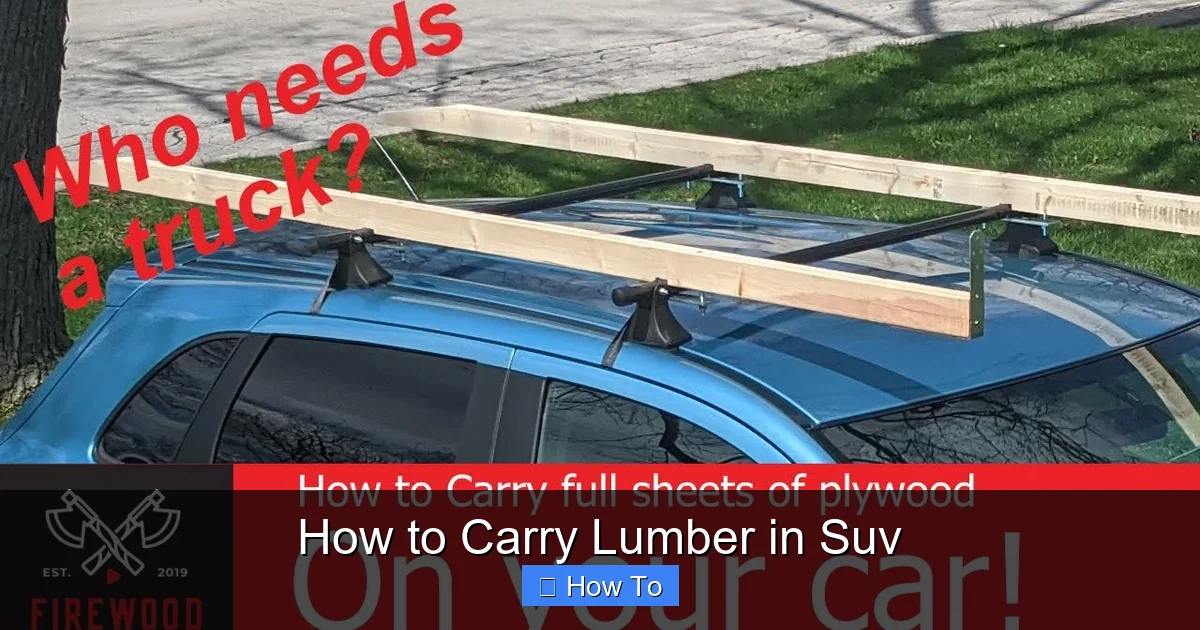
Step 6: Transport Long Lumber on the Roof
If your lumber is too long to fit inside—say, 10 or 12 feet—you’ll need to use the roof.
Install a Roof Rack
Make sure your SUV has a roof rack with crossbars. If not, install one before loading.
Use Edge Protectors
Place foam padding or pool noodles along the crossbars where the lumber will rest. This prevents damage to both the wood and the rack.
Load the Lumber
With a helper, lift the lumber onto the roof. Position it so it’s centered and extends equally on both sides.
Secure with Straps
Use ratchet straps to tie the lumber to the crossbars. Loop the straps under the bars and over the wood. Tighten securely.
Use a Flag or Light
If the lumber extends more than 4 feet beyond the front or back of your SUV, attach a red flag or reflective light. This is required by law in many states and alerts other drivers.
Drive Slowly and Cautiously
Roof loads affect aerodynamics and handling. Avoid high speeds, sudden turns, and strong winds.
Step 7: Drive Safely with a Loaded SUV
Transporting lumber isn’t over once you hit the road. Safe driving is just as important.
Allow Extra Stopping Distance
A loaded SUV takes longer to stop. Increase your following distance and brake gently.
Take Turns Slowly
Sharp turns can cause the load to shift or the vehicle to tip. Slow down before turning.
Check Your Load Periodically
Stop every 20–30 minutes to check that straps are tight and the lumber hasn’t moved.
Be Mindful of Height and Width
If you’re carrying tall or wide loads, watch for low bridges, narrow roads, or overhanging branches.
Step 8: Unload Carefully
The final step is just as important as the first.
Park on Level Ground
Find a flat, stable surface to unload. This prevents the SUV from rocking and makes lifting easier.
Remove Straps Gradually
Loosen straps one at a time to avoid sudden shifts. If the load is heavy, have a helper ready.
Use Proper Lifting Techniques
Bend your knees, keep your back straight, and lift with your legs. Never twist while lifting.
For long or heavy boards, use a two-person lift or a dolly.
Inspect Your SUV
After unloading, check for scratches, dents, or debris. Clean up any sawdust or moisture to prevent damage.
Troubleshooting Common Problems
Even with careful planning, issues can arise. Here’s how to handle them.
Lumber Doesn’t Fit Inside
If your boards are too long, use the roof rack method. Alternatively, consider making two trips or renting a trailer.
Straps Won’t Stay Tight
Check that you’re using the right type of strap and that the tie-down points are secure. Replace worn or frayed straps immediately.
Lumber Shifts During Transit
This usually means the load wasn’t secured properly. Pull over safely, reposition the lumber, and re-secure with more straps or padding.
Scratches or Damage to SUV
Use more padding next time. Consider investing in custom cargo liners or seat covers for future trips.
Wind Noise or Flapping
If using a tarp, make sure it’s tightly secured. Loose tarps can flap and create noise or damage.
Conclusion
Knowing how to carry lumber in an SUV safely and efficiently saves time, money, and stress. By measuring your load, using the right equipment, and following proper loading and driving techniques, you can transport wood without damaging your vehicle or risking your safety.
Remember: preparation is key. Take the time to assess your lumber, gather your tools, and secure everything properly. Drive cautiously, check your load often, and unload with care.
With these tips, you’ll be ready to tackle any project—whether it’s building a deck, framing a shed, or just picking up supplies for a home repair. Your SUV is a powerful tool, and now you know how to use it like a pro.
Safe hauling!